















Understanding Sleep and Anxiety: Practical Solutions for Relief
Explore the connection between sleep and anxiety, and learn practical solutions to improve your sleep quality and manage anxiety effectively.
By True Impact Health Editorial Team

Medical doctor and clinical researcher focused on preventive medicine, chronic disease and clear, evidence-based health communication.
Reviewed this article on November 11, 2026.
View profile How we reviewUpdated on November 11, 2026 10 min read

Table of Contents
Key Takeaways
- Sleep disruptions can exacerbate anxiety symptoms.
- Anxiety can lead to difficulty falling or staying asleep.
- Establishing a bedtime routine can help improve sleep quality.
- Cognitive-behavioral therapy can effectively treat anxiety-related sleep issues.
Sleep and anxiety are intricately connected, with each influencing the other in a cyclical manner. This relationship can lead to a range of issues, including sleep disorders and heightened anxiety levels. Understanding this connection is essential for anyone looking to improve their overall mental health and well-being.
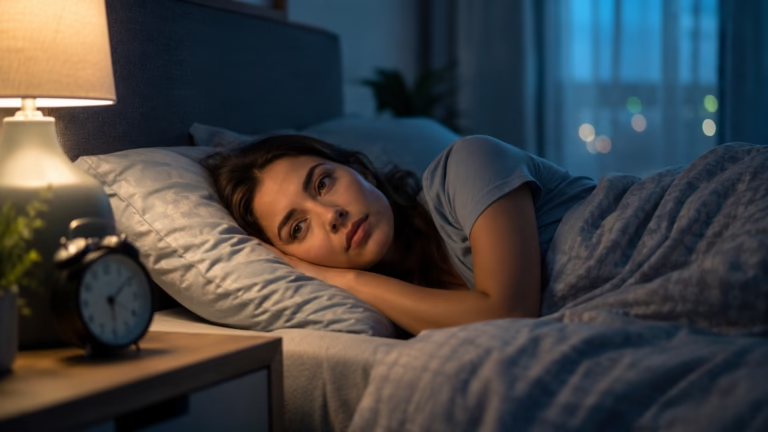
Many people experience anxiety at some point in their lives, often manifesting in various ways such as racing thoughts, irritability, or physical symptoms like increased heart rate. These feelings can be particularly pronounced at night, when the quietude and stillness of the evening can amplify worries and concerns. Consequently, anxiety can interfere with one’s ability to fall asleep, stay asleep, or attain restorative sleep, leading to a vicious cycle that exacerbates both conditions.
This article aims to explore the interplay between sleep and anxiety, providing insights into how to manage both effectively through practical strategies and techniques. By addressing these issues, individuals can work towards achieving a more balanced and restful state of mind.
The Connection Between Sleep and Anxiety
Understanding how sleep and anxiety interact is crucial in addressing related issues. Sleep is a fundamental component of mental health, as it allows the brain to recover, process information, and regulate emotions. When sleep is disrupted, it can lead to increased anxiety levels, creating a feedback loop that perpetuates both conditions.
Studies have shown that individuals with anxiety disorders often report poorer sleep quality than those without. Common sleep disturbances associated with anxiety include insomnia, sleep apnea, and restless leg syndrome. This can result in a lack of restorative sleep, leaving individuals feeling fatigued and more susceptible to anxiety triggers during the day.
Conversely, anxiety can also lead to sleep difficulties. When individuals are anxious, they may find it challenging to relax their minds and bodies, making it difficult to fall asleep. Anxiety can produce physiological symptoms, such as increased heart rate and muscle tension, that can further complicate the ability to achieve restful sleep.

Common Sleep Disorders Linked to Anxiety
Several sleep disorders are particularly associated with anxiety. Understanding these disorders can help individuals recognize their symptoms and seek appropriate treatment.
- Insomnia: Insomnia is characterized by difficulty falling asleep, staying asleep, or waking up too early. It is often linked to anxiety, as racing thoughts and worry can keep individuals awake at night.
- Sleep Apnea: Sleep apnea is a serious disorder where breathing repeatedly stops and starts during sleep. This condition can be aggravated by anxiety, as stress can contribute to weight gain, a significant risk factor for sleep apnea.
- Restless Leg Syndrome (RLS): RLS is an uncontrollable urge to move the legs, often accompanied by uncomfortable sensations. Anxiety can exacerbate RLS symptoms, leading to further sleep disturbances.
Practical Strategies for Better Sleep
Improving sleep quality often requires a multifaceted approach, especially for those dealing with anxiety. Here are several practical strategies to consider:
- Establish a Sleep Routine: Going to bed and waking up at the same time each day can help regulate your body’s internal clock, making it easier to fall asleep and wake up feeling refreshed.
- Create a Relaxing Sleep Environment: Your bedroom should be a sanctuary for sleep. Keep the room dark, quiet, and cool, and remove distractions like electronic devices.
- Limit Stimulants: Avoid caffeine and nicotine, especially in the hours leading up to bedtime. These substances can interfere with your ability to fall asleep and remain asleep.
- Practice Relaxation Techniques: Incorporate techniques such as deep breathing, meditation, or progressive muscle relaxation into your nightly routine to help calm your mind and prepare your body for sleep.

Mindfulness and Cognitive Behavioral Therapy
Mindfulness and cognitive behavioral therapy (CBT) are effective techniques for managing anxiety and improving sleep quality. Mindfulness involves being present in the moment and observing your thoughts and feelings without judgment. This practice can help reduce anxiety by fostering a sense of calm and acceptance.
CBT, particularly CBT for insomnia (CBT-I), is a structured program that helps individuals identify and change thoughts and behaviors that contribute to sleep problems. This approach has shown promising results in treating insomnia and anxiety, as it equips individuals with tools to manage their symptoms effectively.
Both mindfulness and CBT can be practiced individually or with the help of a trained professional. Many resources, including apps and online programs, are available to guide individuals through these practices.
Real-Life Illustration
Consider the case of Emma, a 30-year-old marketing professional who has been struggling with anxiety and sleep issues. Emma often finds herself lying awake at night, her mind racing with work-related concerns and personal worries. This lack of sleep leaves her feeling exhausted and more anxious during the day, affecting her productivity and well-being.
After realizing the connection between her anxiety and sleep, Emma decided to consult a mental health professional. Together, they developed a strategy that included establishing a relaxing bedtime routine and practicing mindfulness exercises before sleep. Emma also learned about the importance of limiting her screen time in the evening and creating a calming sleep environment. Over time, she noticed significant improvements in her sleep quality and a reduction in her anxiety levels.

Diet and Lifestyle Considerations
Your diet and lifestyle can significantly impact your sleep and anxiety levels. Making conscious choices can help improve both conditions. Here are some considerations to keep in mind:
- Balanced Diet: Eating a balanced diet rich in fruits, vegetables, whole grains, and lean proteins can promote overall health and well-being. Certain nutrients, such as magnesium and omega-3 fatty acids, may also support better sleep.
- Regular Exercise: Engaging in regular physical activity can help reduce anxiety and improve sleep quality. Aim for at least 150 minutes of moderate-intensity exercise per week, but avoid vigorous activities close to bedtime.
- Hydration: Staying hydrated is crucial for overall health. However, try to limit fluid intake in the evening to minimize trips to the bathroom during the night.
When to Seek Professional Help
If sleep disturbances and anxiety persist despite implementing self-help strategies, it may be time to seek professional help. A healthcare provider can assess your symptoms, rule out any underlying medical conditions, and recommend appropriate treatments.
Common treatment options include therapy, medication, or a combination of both. Medications such as antidepressants or anti-anxiety medications may be prescribed to help manage symptoms, while therapy can provide tools and strategies for coping with anxiety and sleep issues.
It’s essential to have open and honest discussions with your healthcare provider about your symptoms and treatment options. Each individual’s experience is unique, and a tailored approach is often most effective.

Sleep Hygiene: Creating an Optimal Sleep Environment
Establishing a conducive sleep environment is essential for improving sleep quality, especially for individuals dealing with anxiety. Sleep hygiene encompasses various practices that can help individuals create a space that promotes relaxation and restorative sleep.
1. The Role of Light and Sound
Light and sound can significantly affect sleep quality. Exposure to natural light during the day can help regulate the body’s circadian rhythms, leading to better sleep at night. Conversely, artificial light, especially blue light from screens, can interfere with melatonin production, making it harder to fall asleep.
- Limit screen time at least an hour before bed.
- Use blackout curtains to block outside light.
- Consider using white noise machines to mask disruptive sounds.
Additionally, creating a consistent sleep schedule can further enhance sleep quality. Going to bed and waking up at the same time every day helps regulate the body’s internal clock and can lead to better sleep patterns.
2. Temperature and Comfort
The temperature of your sleeping environment plays a crucial role in your ability to fall asleep and stay asleep. A cooler room, typically around 60-67 degrees Fahrenheit, is generally recommended for optimal sleep. This cooler temperature helps lower the body’s core temperature, signaling that it is time to sleep.
Comfortable bedding is also vital. Investing in a quality mattress and pillows that support your preferred sleep position can help alleviate discomfort and reduce sleep disruptions. Here are some tips for enhancing your sleep comfort:
- Choose breathable, soft bedding materials like cotton or bamboo.
- Ensure your mattress is appropriate for your body weight and sleeping style.
- Consider using a weighted blanket, which may provide a sense of security and comfort.
Alternative Therapies for Anxiety-Related Sleep Issues
In addition to conventional therapies, several alternative treatments can help alleviate anxiety and improve sleep. These therapies often focus on holistic approaches to balance the mind and body.
1. Aromatherapy
Aromatherapy uses essential oils derived from plants to promote relaxation and enhance sleep quality. Certain scents, such as lavender, chamomile, and bergamot, have been found to reduce anxiety levels and improve sleep duration. You can use essential oils in various ways:
- Diffusing essential oils in your bedroom before bedtime.
- Adding a few drops of oil to your pillowcase or bedsheets.
- Taking a warm bath with essential oils added to the water.
Incorporating aromatherapy into your bedtime routine can create a calming atmosphere, helping to signal to your body that it is time to wind down for sleep.
2. Herbal Supplements
Herbal supplements have been used for centuries to support relaxation and improve sleep quality. Some popular options include valerian root, passionflower, and melatonin. While these supplements can be beneficial, it is crucial to consult with a healthcare provider before starting any new supplement regimen, especially if you are taking other medications.
- Valerian root: Often used to reduce anxiety and improve sleep quality.
- Passionflower: Known for its calming effects and ability to promote sleep.
- Melatonin: A hormone that helps regulate sleep-wake cycles, often used for insomnia.
When considering herbal supplements, ensure you choose high-quality products and follow the recommended dosage instructions.

The Impact of Technology on Sleep and Anxiety
Technology can be a double-edged sword when it comes to sleep and anxiety. While certain technologies can promote better sleep, others can exacerbate anxiety levels and interfere with sleep quality.
1. Sleep-Tracking Devices
Wearable sleep-tracking devices and apps have gained popularity in recent years. These tools can help individuals monitor their sleep patterns, providing valuable insights into sleep quality. By tracking metrics such as sleep duration, interruptions, and cycles, users can identify patterns and make adjustments to their sleep routines.
- Track sleep duration and quality to identify trends.
- Receive personalized recommendations based on sleep data.
- Set reminders for bedtime to promote consistency.
While these devices can be beneficial, it is essential to use them mindfully. Becoming overly fixated on sleep data can lead to increased anxiety, creating a cycle of worry about sleep that may actually hinder rest.
2. Managing Screen Time
Excessive screen time, especially before bedtime, can negatively impact sleep quality. The blue light emitted by screens can interfere with melatonin production, making it difficult to fall asleep. It is advisable to establish boundaries around screen time to promote better sleep hygiene.
- Implement a digital curfew by turning off devices at least an hour before bed.
- Engage in screen-free activities before sleep, such as reading or journaling.
- Use blue light blocking glasses if screen use is necessary in the evening.
By managing screen time effectively, individuals can help reduce anxiety levels and improve their ability to fall asleep and stay asleep.
For more information, see NIH.
Frequently Asked Questions
Can anxiety cause sleep problems?
Yes, anxiety can lead to various sleep problems, including difficulty falling asleep, staying asleep, or waking up too early. Racing thoughts and physical symptoms of anxiety can make it challenging to relax and achieve restful sleep.
What are some natural remedies for sleep and anxiety?
Some natural remedies include herbal supplements like valerian root and chamomile, practicing relaxation techniques, maintaining a consistent sleep schedule, and creating a calming bedtime routine.
How much sleep do I need if I have anxiety?
Most adults need between 7 to 9 hours of sleep per night. However, individuals with anxiety may require slightly more to feel refreshed and functional during the day.
Is it normal to feel anxious about sleep?
Yes, many individuals experience anxiety about their sleep, particularly if they have a history of insomnia or other sleep disorders. This anxiety can create a cycle that further complicates sleep issues.
The Bottom Line
The relationship between sleep and anxiety is complex, but understanding this connection is key to improving both conditions. By implementing practical strategies, seeking professional help when needed, and making lifestyle adjustments, individuals can work towards achieving better sleep and managing anxiety more effectively.
Was this page helpful?
Thanks for your feedback! What could we improve?
Thank you! Your feedback helps us improve our articles.
Medically reviewed by
Dr. Daniel HarringtonMedical doctor and clinical researcher focused on preventive medicine, chronic disease and clear, evidence-based health communication.
True Impact Health articles are written by our editorial team and based on reliable sources such as public health agencies, clinical guidelines and peer-reviewed research. This article has been checked by a doctor on our review panel. Read our editorial process.
This content is for general information and is not a substitute for professional medical advice, diagnosis or treatment.