


















Understanding Sleep Paralysis: Causes, Symptoms, and Solutions
Explore sleep paralysis: its causes, symptoms, and practical solutions to help you overcome this unsettling experience.
By True Impact Health Editorial Team

Medical graduate of Girne American University with a focus on patient-centred care, clinical assessment and preventive health.
Reviewed this article on November 11, 2026.
View profile How we reviewUpdated on November 10, 2026 10 min read

Table of Contents
Key Takeaways
- Sleep paralysis can occur during the transition between sleep and wakefulness.
- Common symptoms include an inability to move, hallucinations, and a feeling of pressure.
- Lifestyle changes and sleep hygiene can help reduce occurrences.
- Consulting a healthcare professional is advisable for persistent issues.
Introduction to Sleep Paralysis
Sleep paralysis is a phenomenon that can occur during the transition between wakefulness and sleep. It is characterized by a temporary inability to move or speak while falling asleep or waking up. This unsettling experience often lasts for a few seconds to a couple of minutes and can be accompanied by vivid hallucinations and a sense of pressure on the chest. Understanding sleep paralysis is crucial for those who experience it, as it can lead to anxiety and fear surrounding sleep.
This article aims to provide an in-depth understanding of sleep paralysis, including its causes, symptoms, and potential treatments. By empowering readers with knowledge, we hope to alleviate some of the fear or confusion associated with this condition.
While sleep paralysis is often benign, it can be a distressing experience. Many people describe it as feeling trapped in their own body, which can lead to a fear of falling asleep. By examining this condition in detail, individuals can gain a clearer perspective and learn practical steps to manage or reduce occurrences.
What Causes Sleep Paralysis?
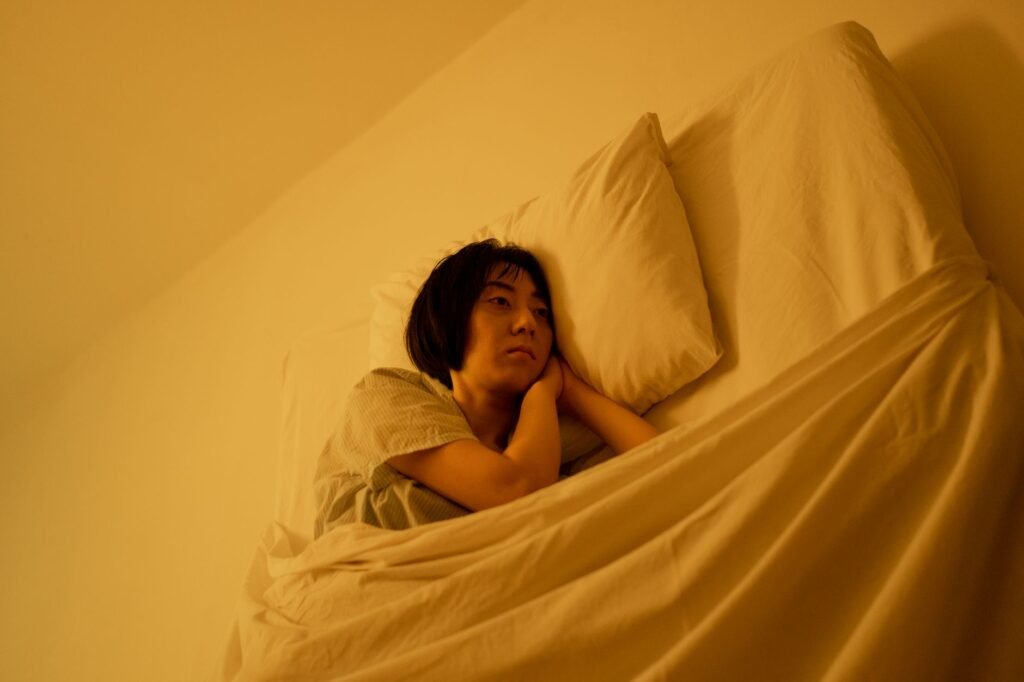
Sleep paralysis is linked to the sleep cycle, particularly during the rapid eye movement (REM) stage when most dreaming occurs. During REM sleep, the brain is highly active, but the body experiences temporary muscle paralysis, known as REM atonia. This mechanism prevents individuals from acting out their dreams, but in cases of sleep paralysis, the brain may become aware while the body remains in a paralyzed state.
Several factors can contribute to the occurrence of sleep paralysis, including:
- Sleep deprivation: Not getting enough sleep can disrupt the sleep cycle, increasing the likelihood of experiencing sleep paralysis.
- Irregular sleep schedule: Frequently changing sleep patterns can confuse the body’s internal clock, leading to disturbances during sleep.
- Sleep positions: Some studies suggest that sleeping on the back may increase the chances of experiencing sleep paralysis.
- Stress and anxiety: High levels of stress or anxiety can impact sleep quality, potentially leading to sleep disturbances.
- Underlying health conditions: Conditions such as narcolepsy, which affects the brain’s ability to regulate sleep-wake cycles, can cause sleep paralysis.
Recognizing the Symptoms
Identifying the symptoms of sleep paralysis can help individuals understand what they are experiencing. Common symptoms include:
- Inability to move or speak: Individuals often find themselves awake but unable to move their body or speak for a brief period.
- Hallucinations: Many people report vivid and frightening hallucinations, which can include seeing shadows or feeling a presence in the room.
- Pressure on the chest: A common sensation is feeling as if something is pressing down on the chest, making it difficult to breathe.
- Fear or anxiety: The experience can be frightening, leading to feelings of panic or dread.
For example, imagine someone named Alex who often wakes up in the middle of the night unable to move. During these episodes, Alex feels an intense pressure on his chest and sees a shadowy figure in the corner of the room. This frightening experience leaves him anxious about going to sleep, fearing the same episode will recur. Understanding that this is a recognized condition known as sleep paralysis can help him address his fears.

How Sleep Paralysis Affects Mental Health
The experience of sleep paralysis can significantly impact mental health. The fear and anxiety associated with the condition can lead to sleep avoidance, which can exacerbate the problem. In individuals who experience frequent episodes, the anticipation of another occurrence can lead to heightened anxiety about sleep and even insomnia.
Additionally, the distressing nature of hallucinations can contribute to the development of anxiety disorders or exacerbate existing mental health issues. It’s essential to recognize the psychological effects of sleep paralysis and address them appropriately.
For those struggling with the mental health impacts of sleep paralysis, seeking support from a mental health professional can be beneficial. Therapy can provide coping strategies and help individuals manage their anxiety, leading to better sleep quality.
Practical Tips for Managing Sleep Paralysis
While sleep paralysis can be distressing, there are practical steps individuals can take to manage or reduce its occurrence:
- Establish a regular sleep routine: Going to bed and waking up at the same time each day can help regulate the sleep cycle.
- Create a relaxing bedtime environment: Ensuring the bedroom is conducive to sleep, with comfortable bedding and minimal light or noise, can promote better sleep quality.
- Avoid stimulants: Limiting caffeine and nicotine, especially in the hours leading up to bedtime, can improve sleep quality.
- Manage stress: Incorporating relaxation techniques, such as meditation or deep breathing exercises, can help reduce stress and anxiety.
- Consider sleep positions: If sleeping on your back seems to trigger episodes, try sleeping on your side instead.

When to Seek Professional Help
While occasional sleep paralysis episodes are generally not a cause for concern, individuals should consult a healthcare professional if they experience frequent episodes or if the episodes significantly impact their quality of life. A healthcare provider can help determine if there are underlying sleep disorders or other medical conditions contributing to the problem.
During a consultation, a healthcare provider may recommend a sleep study to monitor sleep patterns and identify any disruptions during the sleep cycle. Treatment options may include cognitive behavioral therapy, medication, or lifestyle changes based on the individual’s specific needs.
It is crucial to address sleep paralysis with a qualified professional to ensure proper assessment and management. Ignoring the issue may lead to worsening symptoms or increased anxiety surrounding sleep.

Understanding the Relationship Between Sleep Paralysis and Sleep Disorders
Common Sleep Disorders Associated with Sleep Paralysis
Sleep paralysis is often linked to other sleep disorders, which can exacerbate the frequency and severity of episodes. Conditions such as narcolepsy, insomnia, and obstructive sleep apnea are frequently observed among individuals who experience sleep paralysis. Understanding these connections can provide insight into effective management strategies.
- Narcolepsy: A neurological disorder that affects the brain’s ability to regulate sleep-wake cycles, narcolepsy can lead to excessive daytime sleepiness and sudden sleep attacks, increasing the likelihood of sleep paralysis occurrences.
- Insomnia: Chronic difficulty falling or staying asleep can increase stress and anxiety levels, which may trigger sleep paralysis episodes.
- Obstructive Sleep Apnea: This condition involves repeated interruptions in breathing during sleep, leading to fragmented sleep and increased chances of experiencing sleep paralysis.
The Biopsychosocial Model of Sleep Paralysis
Examining sleep paralysis through the biopsychosocial model provides a comprehensive understanding of its multifaceted nature. This model incorporates biological, psychological, and social factors that contribute to the experience of sleep paralysis. For instance, biological predispositions such as genetics and sleep cycle disruptions can set the stage for episodes, while psychological factors such as anxiety and stress can trigger them.
Social factors, including sleep environment and support systems, can also influence the occurrence and perception of sleep paralysis. A supportive sleep environment, where individuals feel safe and secure, may mitigate the severity of episodes. Conversely, high-stress living situations may exacerbate the condition.
Impact of Lifestyle Choices on Sleep Paralysis
Various lifestyle choices can either alleviate or worsen the frequency of sleep paralysis episodes. Understanding how diet, exercise, and sleep hygiene can contribute to sleep quality is vital for managing sleep paralysis effectively.
- Diet: Consuming a balanced diet rich in vitamins and minerals can promote better sleep. Foods high in magnesium and tryptophan, such as nuts, seeds, and turkey, may help regulate sleep cycles.
- Exercise: Regular physical activity is known to improve sleep quality. Engaging in moderate exercise for at least 30 minutes a day can reduce stress levels and enhance overall well-being.
- Sleep Hygiene: Establishing a consistent sleep schedule, creating a comfortable sleep environment, and minimizing screen time before bed can significantly impact sleep quality and reduce episodes of sleep paralysis.
Exploring Cultural Perspectives on Sleep Paralysis
Historical Interpretations and Folklore
Throughout history, sleep paralysis has been interpreted in various cultural contexts. Many cultures have woven folklore around the phenomenon, often attributing it to supernatural forces. For instance, in some cultures, sleep paralysis is thought to be caused by malevolent spirits or demons sitting on the chest of the sleeper, leading to the sensation of being unable to move.
These interpretations serve to provide a narrative for an otherwise frightening experience. Understanding these historical perspectives can help individuals contextualize their experiences and reduce fear associated with episodes.
Modern Cultural Narratives
In contemporary society, sleep paralysis has been featured in media, including films and literature, often portraying it as a terrifying and surreal experience. This portrayal can influence public perception and understanding of the condition, sometimes leading to heightened anxiety or stigma.
It’s important to foster accurate narratives that demystify sleep paralysis, emphasizing that it is a common, albeit distressing, experience. Educational efforts can help normalize discussions around sleep disorders, encouraging those affected to seek help without fear of judgment.
Global Variations in Experience and Treatment
The experience of sleep paralysis and the approaches to its treatment can vary widely across cultures. In some regions, traditional healing practices may be employed to address the condition, while in others, a more medicalized approach is taken. Understanding these variations can provide insights into diverse treatment options that may be beneficial.
- Traditional Remedies: In certain cultures, herbal remedies or spiritual practices are used to combat sleep disturbances, including sleep paralysis.
- Psychological Counseling: In many Western cultures, cognitive-behavioral therapy (CBT) is a common treatment, helping individuals address the anxiety and fear associated with sleep paralysis.
- Medical Interventions: In cases where sleep paralysis is linked with other sleep disorders, medications may be prescribed to regulate sleep patterns and reduce episodes.
Innovative Approaches to Managing Sleep Paralysis
Mindfulness and Relaxation Techniques
Incorporating mindfulness and relaxation techniques into daily routines can be an effective way to manage sleep paralysis. Practices such as meditation, deep breathing exercises, and progressive muscle relaxation can help reduce overall anxiety levels, which may, in turn, decrease the frequency of episodes.
Mindfulness encourages individuals to observe their thoughts and feelings without judgment, creating a sense of detachment from the fear of sleep paralysis. This approach can help individuals feel more empowered when faced with episodes, reducing panic and facilitating a quicker return to sleep.
Technology Aids for Sleep Management
Advancements in technology have led to the development of various sleep aids designed to improve sleep quality and reduce disturbances. Sleep tracking apps can help individuals monitor their sleep patterns, providing insights into factors that may contribute to sleep paralysis episodes.
Some individuals may benefit from using white noise machines or sleep masks to create a more conducive sleep environment, minimizing disruptions that could lead to episodes of sleep paralysis. Additionally, smart devices that regulate sleep environments, such as temperature and lighting, can further enhance sleep quality.
Community Support and Online Resources
Connecting with others who experience sleep paralysis can provide valuable support and shared coping strategies. Online forums and support groups can offer a platform for individuals to share their experiences, discuss management techniques, and find comfort in knowing they are not alone.
- Online Forums: Websites and social media groups dedicated to sleep disorders can serve as safe spaces for sharing experiences and advice.
- Educational Resources: Numerous online resources provide information on sleep paralysis, including blogs, videos, and expert interviews, which can help demystify the condition.
- Local Support Groups: Many communities offer support groups for individuals experiencing sleep disorders, providing a space for face-to-face connection and sharing.
For more information, see MedlinePlus.
Frequently Asked Questions
Is sleep paralysis common?
Yes, sleep paralysis is relatively common, with studies suggesting that approximately 8% of the general population experiences it at some point in their lives.
Can sleep paralysis be treated?
While there is no specific treatment for sleep paralysis, managing underlying conditions, improving sleep hygiene, and reducing stress can help minimize occurrences.
Are there any long-term effects of sleep paralysis?
Generally, sleep paralysis is not harmful in itself, but frequent episodes can lead to anxiety and sleep avoidance, potentially impacting overall well-being.
Can sleep paralysis occur in children?
Yes, sleep paralysis can occur in children, though it is less commonly reported. If a child experiences frequent episodes, it is advisable to consult a healthcare professional.
The Bottom Line
Sleep paralysis is a temporary inability to move or speak while falling asleep or waking up, often accompanied by hallucinations and feelings of pressure. While it can be distressing, understanding its causes and symptoms can empower individuals to manage their experiences effectively. By establishing healthy sleep habits and consulting professionals when necessary, individuals can reduce the frequency of sleep paralysis episodes and improve their overall sleep quality.
Was this page helpful?
Thanks for your feedback! What could we improve?
Thank you! Your feedback helps us improve our articles.
Medically reviewed by
Dr. Oluwabusola Stella OkeMedical graduate of Girne American University with a focus on patient-centred care, clinical assessment and preventive health.
True Impact Health articles are written by our editorial team and based on reliable sources such as public health agencies, clinical guidelines and peer-reviewed research. This article has been checked by a doctor on our review panel. Read our editorial process.
This content is for general information and is not a substitute for professional medical advice, diagnosis or treatment.