
















Understanding Perioral Dermatitis: Symptoms, Causes, and Treatment
Explore perioral dermatitis: its symptoms, causes, and effective treatments to manage this common skin condition.
Table of Contents
Key Takeaways
- Perioral dermatitis is an inflammatory skin condition.
- Common symptoms include redness and bumps around the mouth.
- Treatment often involves topical or oral medications.
- Identifying triggers can help prevent flare-ups.
Perioral dermatitis is a common skin condition that primarily affects the area around the mouth, but it can also extend to the nose and eyes. Characterized by red, inflamed bumps, this condition can be both uncomfortable and distressing for those who experience it. Understanding the symptoms, causes, and treatment options available is crucial for effective management.
This skin condition often presents a challenge due to its resemblance to other dermatological issues, such as acne or eczema. Because of this, many individuals may not seek treatment right away, leading to prolonged discomfort. By recognizing the signs and understanding how to address them, individuals can regain control over their skin health.
This guide aims to provide a comprehensive overview of perioral dermatitis, focusing on its symptoms, causes, and effective treatment strategies. Whether you’re experiencing symptoms yourself or helping a loved one, this information is designed to empower you with trusted knowledge.
What Is Perioral Dermatitis?
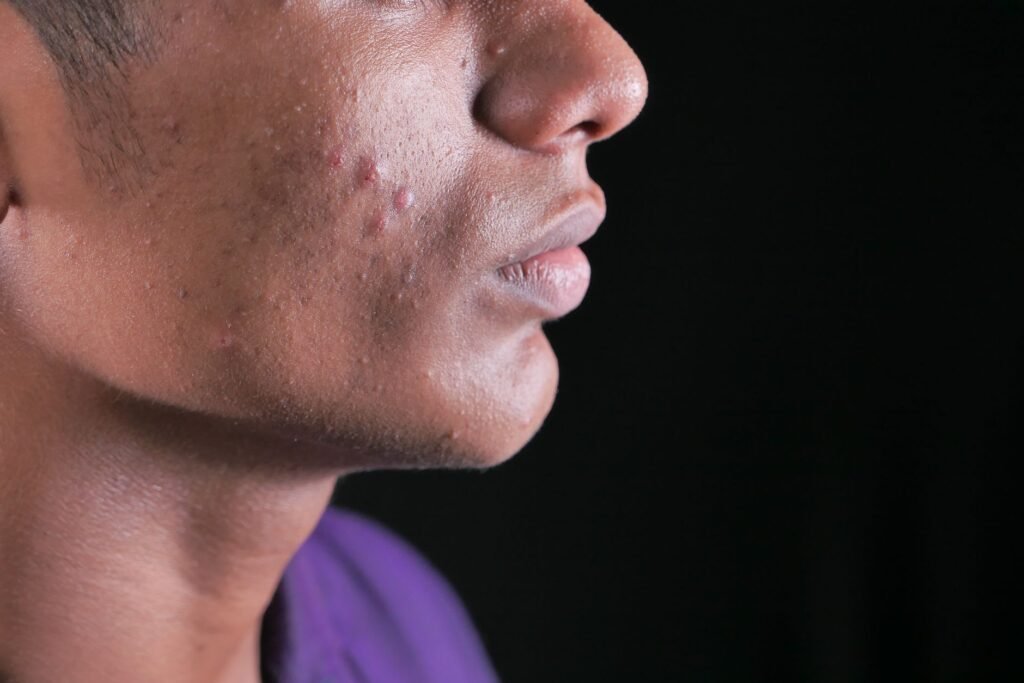
Perioral dermatitis is an inflammatory rash that typically appears around the mouth. It is characterized by small red bumps, which can sometimes be filled with pus. These bumps may be itchy or cause a burning sensation, making them uncomfortable.
Although the exact cause of perioral dermatitis is not fully understood, it is believed to be influenced by several factors, including the use of topical steroids, hormonal changes, and certain skincare products. The condition is most commonly seen in women aged 20 to 45, although it can affect individuals of all ages and genders.
Diagnosis is usually made based on the appearance of the skin and a review of the patient’s medical history. In some cases, a dermatologist may perform additional tests to rule out other conditions.
Symptoms of Perioral Dermatitis
The symptoms of perioral dermatitis can vary in severity and may include:
- Red Bumps: Small, red, inflamed bumps typically appear around the mouth. These may also appear near the eyes or nose.
- Itching or Burning: The affected area may feel itchy or cause a burning sensation, leading to discomfort.
- Dryness and Flaking: Skin in the affected area can become dry and flaky, exacerbating the appearance of the rash.
- Pustules: In some cases, the bumps may develop into pus-filled blisters.
- Scaling: The skin may start to scale or peel, particularly when the rash is severe.
These symptoms can be mistaken for other skin conditions, such as acne or eczema. A proper diagnosis from a healthcare professional is essential to ensure appropriate treatment.
 skin care practices" width="800" height="533" srcset="https://trueimpacthealth.com/wp-content/uploads/2026/11/a-woman-applying-a-gentle-moisturizer-to-her-9774854-1024x682.jpg 1024w, https://trueimpacthealth.com/wp-content/uploads/2026/11/a-woman-applying-a-gentle-moisturizer-to-her-9774854-300x200.jpg 300w, https://trueimpacthealth.com/wp-content/uploads/2026/11/a-woman-applying-a-gentle-moisturizer-to-her-9774854-768x512.jpg 768w" sizes="(max-width: 800px) 100vw, 800px" />
Causes of Perioral Dermatitis
While the precise cause of perioral dermatitis remains unclear, several factors are associated with its development. Understanding these can help in both prevention and treatment:
- Topical Steroid Use: One of the most significant risk factors is the use of topical steroids. Prolonged use can lead to a rebound effect, causing perioral dermatitis to develop.
- Skincare Products: Certain skincare products, particularly those containing heavy oils or irritating ingredients, may contribute to the condition. Individuals should be cautious with heavily perfumed creams and ointments.
- Hormonal Changes: Fluctuations in hormones, such as those experienced during menstruation or pregnancy, can trigger or worsen symptoms.
- Environmental Factors: External factors such as humidity, heat, and exposure to allergens may exacerbate perioral dermatitis.
- Dietary Influences: Some individuals report flare-ups related to specific foods, such as spicy dishes or high-sugar items.
Identifying personal triggers can play a vital role in managing the condition and minimizing outbreaks.
Diagnosis of Perioral Dermatitis
Diagnosing perioral dermatitis typically involves a visual examination of the affected area by a healthcare professional. During the appointment, the doctor will ask about the patient’s medical history, including any previous skin conditions, use of topical medications, and lifestyle factors that may contribute to the rash.
In some cases, a dermatologist may perform a skin scraping or biopsy to rule out other skin conditions. These tests can help confirm the diagnosis and ensure that the treatment plan is appropriate.
It’s essential to communicate openly with your healthcare provider about all symptoms and product usage, as this information can significantly influence the diagnosis and treatment strategy.
Effective Treatment Options
Treatment for perioral dermatitis often focuses on reducing inflammation, preventing flare-ups, and addressing any underlying factors. Here are some common approaches:
- Topical Treatments: Doctors may prescribe topical antibiotics, such as metronidazole or clindamycin, to help reduce inflammation and clear the rash. Non-steroidal anti-inflammatory creams can also be effective.
- Oral Antibiotics: In more severe cases, oral antibiotics may be necessary to control the condition. Drugs like tetracycline or doxycycline are commonly prescribed for a short duration.
- Discontinuing Irritating Products: It is crucial to stop using any products that may be contributing to the rash. This includes topical steroids and heavy creams.
- Gentle Skincare Routine: Using mild, fragrance-free cleansers and moisturizers can help soothe the skin. Avoiding harsh scrubs or exfoliating products is advisable.
- Dietary Adjustments: Keeping a food diary may help identify any dietary triggers. Reducing spicy foods or sugar may lead to improvements for some individuals.
Always consult with a healthcare professional before starting or stopping any treatments to ensure safety and effectiveness.
Prevention Strategies
Preventing perioral dermatitis is often achievable through simple lifestyle adjustments and awareness of personal triggers. Here are effective strategies to consider:
- Limit Use of Topical Steroids: If you have been prescribed topical steroids, use them only as directed and discuss any concerns with your healthcare provider about long-term use.
- Choose Skincare Wisely: Opt for non-comedogenic and fragrance-free skincare products. Read labels carefully and avoid products that contain alcohol or heavy oils.
- Maintain a Consistent Routine: Establishing a gentle skincare routine can help keep your skin healthy. Cleanse and moisturize regularly without over-treating the skin.
- Identify Triggers: Take note of any potential triggers, such as certain foods or environmental conditions. Keeping a journal may help track flare-ups and identify patterns.
- Stay Hydrated: Drinking plenty of water and maintaining a balanced diet can support overall skin health.
Proactive measures can significantly reduce the likelihood of developing perioral dermatitis or experiencing flare-ups.
Understanding the Role of Skincare Products in Perioral Dermatitis
Common Ingredients to Avoid
When dealing with perioral dermatitis, it’s crucial to pay close attention to the ingredients in your skincare products. Certain components can exacerbate the condition and prolong flare-ups. Here is a list of common ingredients that should be avoided:
- Fluorinated compounds
- Heavy oils and waxes
- Alcohol-based toners
- Sodium lauryl sulfate
- Harsh exfoliants
- Fragrances and artificial dyes
Fluorinated compounds, often found in some toothpaste and mouth rinses, can trigger or worsen symptoms. Heavy oils and waxes can clog pores, leading to further irritation. Similarly, alcohol-based products may dry out the skin, prompting it to produce more oil, which can result in additional breakouts.
Safe Alternatives for Skincare
Finding suitable skincare products that won’t aggravate perioral dermatitis is essential for managing the condition effectively. Here are some safe alternatives to consider:
- Non-comedogenic moisturizers
- Gentle cleansers free from sulfates
- Mineral-based sunscreens
- Products containing soothing ingredients like aloe vera or chamomile
- Fragrance-free options
Non-comedogenic moisturizers can hydrate without clogging pores, while gentle cleansers help maintain the skin’s natural barrier. Mineral-based sunscreens are less likely to cause irritation compared to chemical sunscreens. Products with soothing ingredients can provide relief and reduce inflammation, making them ideal for sensitive skin.
Consulting a Dermatologist for Product Recommendations
If you are unsure about which products to use, consulting a dermatologist can provide personalized recommendations. A dermatologist can evaluate your skin type and suggest products tailored to your needs. They can also help you establish a skincare routine that minimizes the risk of flare-ups while addressing the underlying causes of perioral dermatitis.
The Impact of Diet on Perioral Dermatitis
Identifying Trigger Foods
Diet can significantly influence skin health and may play a role in perioral dermatitis. Certain foods may contribute to inflammation and flare-ups. Here are some common dietary triggers to consider:
- Dairy products
- Spicy foods
- Processed sugars
- Alcohol
- Caffeinated beverages
Dairy products can lead to increased inflammation for some individuals, while spicy foods and processed sugars can provoke skin reactions. Alcohol and caffeine may also dehydrate the skin, potentially worsening the condition. Keeping a food diary can help identify any specific triggers related to your diet.
Incorporating Anti-Inflammatory Foods
In contrast to trigger foods, incorporating anti-inflammatory foods into your diet can help improve skin health. Consider adding the following items to your meals:
- Leafy greens (spinach, kale)
- Fatty fish (salmon, mackerel)
- Nuts and seeds (walnuts, chia seeds)
- Fruits (blueberries, oranges)
- Whole grains (quinoa, brown rice)
Leafy greens and fatty fish are rich in Omega-3 fatty acids, which can help reduce inflammation. Nuts and seeds provide healthy fats and antioxidants that nourish the skin. Fruits and whole grains supply essential vitamins and minerals that support overall skin health and may mitigate flare-ups.
Hydration and Its Importance
Staying hydrated is crucial for maintaining skin health. Adequate water intake helps keep your skin moisturized and can aid in the healing process. Aim to drink at least eight glasses of water a day, and consider incorporating herbal teas as well. Herbal teas, such as chamomile or green tea, contain anti-inflammatory properties that can benefit your skin.
Psychological Factors and Perioral Dermatitis
The Connection Between Stress and Skin Health
Psychological factors, particularly stress, can impact skin conditions like perioral dermatitis. Stress triggers hormonal changes that may exacerbate inflammation and irritation. Recognizing the psychological factors in your life is essential for managing your skin. Here are some common stressors that can contribute to flare-ups:
- Work-related pressures
- Personal relationships
- Life transitions (moving, job changes)
- Financial concerns
- Lack of sleep
Identifying and addressing these stressors can help improve your overall well-being and skin health. It’s important to implement stress-management techniques to cope with daily pressures.
Effective Stress Management Techniques
To mitigate the effects of stress on your skin, consider incorporating the following techniques into your daily routine:
- Meditation and mindfulness practices
- Regular physical activity
- Deep breathing exercises
- Maintaining a balanced work-life schedule
- Engaging in hobbies and social activities
Meditation and mindfulness can help center your thoughts and reduce anxiety. Regular physical activity releases endorphins, which can improve your mood. Deep breathing exercises can also provide immediate relief during stressful situations. Ensuring a balanced work-life schedule and engaging in enjoyable activities further support mental health and skin wellness.
Seeking Professional Help
If stress becomes overwhelming, seeking professional help from a therapist or counselor can provide valuable support. Cognitive-behavioral therapy (CBT) is a therapeutic approach that helps individuals reframe negative thought patterns and develop coping strategies. Addressing psychological aspects can be a crucial part of a comprehensive treatment plan for perioral dermatitis.
Understanding Triggers of Perioral Dermatitis
Common Environmental Triggers
Environmental factors can significantly influence the onset and exacerbation of perioral dermatitis. Common triggers include exposure to harsh weather conditions, particularly wind and cold, which can irritate the skin. Additionally, pollutants in urban environments may aggravate the condition. It’s crucial to identify and minimize exposure to these elements to help manage symptoms effectively.
Cosmetic and Personal Care Products
Certain ingredients in cosmetics and personal care products may aggravate perioral dermatitis. Products containing heavy oils, alcohol, or fragrances can lead to flare-ups. Individuals should be cautious and consider switching to non-comedogenic and fragrance-free products. A good approach is to keep a diary of skincare products used to help identify potential triggers.
- Heavy creams or ointments
- Alcohol-based toners
- Fragrant lotions and makeup

Understanding the Role of Hormonal Changes
Hormonal Fluctuations and Skin Health
Hormonal changes can have a profound impact on skin health, and perioral dermatitis is no exception. Fluctuations in hormone levels, especially during menstrual cycles or pregnancy, may trigger or worsen the condition. Understanding these patterns can help individuals anticipate flare-ups and manage symptoms more effectively.
Managing Hormonal Influences
To manage hormonal influences on perioral dermatitis, it may be helpful to consult a healthcare professional. They can provide guidance on hormonal treatments or lifestyle changes that may alleviate symptoms. In some cases, hormonal therapies may be recommended as a part of a comprehensive treatment plan.
Long-term Management Strategies
Building a Consistent Skincare Routine
Establishing a consistent skincare routine can play a vital role in managing perioral dermatitis. A regimen that focuses on gentle cleansing and moisturizing can help maintain skin integrity. Avoiding products with harsh ingredients is essential.
- Use a mild, sulfate-free cleanser
- Apply a non-comedogenic moisturizer
- Limit the use of exfoliants
Regular Follow-ups with Healthcare Providers
Regular follow-ups with dermatologists or healthcare providers are crucial for long-term management of perioral dermatitis. These visits allow for monitoring of the condition and adjustments to treatment plans as necessary. Open communication about symptoms and treatment effectiveness can lead to better outcomes.
For more information, see CDC.
Frequently Asked Questions
Can perioral dermatitis be cured?
While there is no definitive cure, perioral dermatitis can be effectively managed with the right treatment and lifestyle changes. Many individuals see significant improvement with proper care.
Is perioral dermatitis contagious?
No, perioral dermatitis is not contagious. It is an inflammatory skin condition that develops due to various triggers, but it cannot be spread from person to person.
How long does it take for treatment to work?
Response to treatment can vary, but many individuals start to see improvement within a few weeks of initiating therapy. Consistency in following the treatment plan is crucial for optimal results.
Are there any home remedies for perioral dermatitis?
While some people may find relief with natural remedies, it’s important to consult a healthcare provider before trying home treatments. Gentle, soothing ingredients like aloe vera may provide comfort, but they should not replace professional advice.
The Bottom Line
Perioral dermatitis can be a frustrating condition, but understanding its symptoms, causes, and available treatments can empower individuals to take charge of their skin health. By identifying triggers and adhering to effective treatment plans, many people successfully manage their symptoms and lead comfortable lives.
Was this page helpful?
Thanks for your feedback! What could we improve?
Thank you! Your feedback helps us improve our articles.
True Impact Health articles are written by our editorial team and based on reliable sources such as public health agencies, clinical guidelines and peer-reviewed research. This article has not yet been medically reviewed. Read our editorial process.
This content is for general information and is not a substitute for professional medical advice, diagnosis or treatment.