

















Understanding Small Intestinal Bacterial Overgrowth: Symptoms and Solutions
Discover the symptoms, causes, and treatments of small intestinal bacterial overgrowth for better digestive health.
By True Impact Health Editorial Team

Medical graduate of Girne American University with a focus on patient-centred care, clinical assessment and preventive health.
Reviewed this article on November 11, 2026.
View profile How we reviewUpdated on November 8, 2026 11 min read
Table of Contents
Key Takeaways
- Small intestinal bacterial overgrowth (SIBO) disrupts digestion.
- Common symptoms include bloating, gas, and diarrhea.
- Diagnosis can involve breath tests or small intestine aspirate.
- Treatment often includes dietary changes and antibiotics.
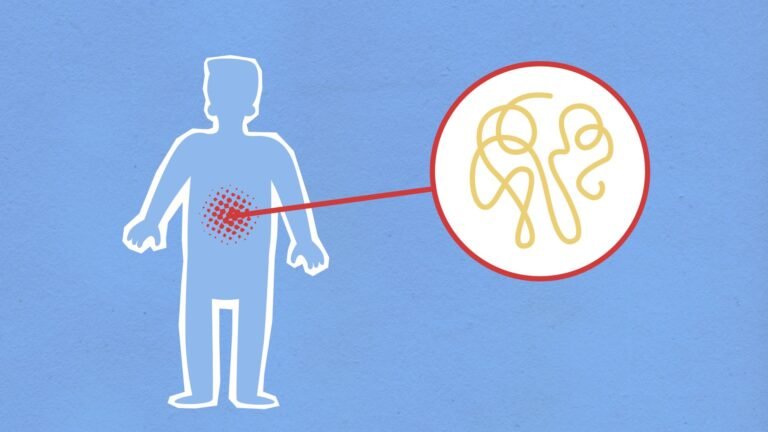
Small Intestinal Bacterial Overgrowth, commonly known as SIBO, is a condition where an excessive number of bacteria grow in the small intestine. This overgrowth can lead to a range of digestive issues, and understanding it is vital for effective treatment and management. Many people experience symptoms like bloating, abdominal pain, and irregular bowel movements without realizing that SIBO may be the underlying cause.
In most healthy individuals, the small intestine has a relatively low concentration of bacteria, primarily due to the presence of stomach acid and the rapid transit of food. However, several factors can disrupt this balance, leading to SIBO. This article will explore its causes, symptoms, diagnosis, and treatment options, providing you with practical knowledge to empower your health.
By gaining insight into SIBO, you can better understand how it affects your digestive health and the steps you can take to address it effectively. Whether you suspect you may have SIBO or simply want to learn more about this condition, this guide will equip you with reliable information.
What Causes Small Intestinal Bacterial Overgrowth?
Understanding the causes of SIBO is crucial for prevention and treatment. Several factors can contribute to the development of this condition:
- Altered Gut Motility: Conditions such as irritable bowel syndrome (IBS) or diabetes can slow down the movement of food through the digestive tract, allowing bacteria to multiply in the small intestine.
- Anatomical Abnormalities: Structural issues like diverticula, strictures, or a history of surgery can create areas in the intestines where bacteria can flourish.
- Impaired Immune Function: A weakened immune system, whether due to conditions like HIV/AIDS or the use of immunosuppressive medications, can make it easier for bacteria to overgrow.
- Antibiotic Use: Frequent or inappropriate use of antibiotics can disrupt the natural balance of gut flora, potentially leading to an overgrowth of harmful bacteria.
- Dietary Factors: A diet high in sugars and refined carbohydrates may promote bacterial overgrowth, as many bacteria thrive on these nutrients.
Each of these factors can either independently or collectively contribute to the onset of SIBO. Identifying and addressing these underlying causes is essential for effective management.

Symptoms of Small Intestinal Bacterial Overgrowth
Recognizing the symptoms of SIBO can help in timely diagnosis and treatment. The most common symptoms include:
- Bloating: A feeling of fullness or swelling in the abdomen, often exacerbated by eating.
- Gas and Flatulence: Excessive gas production can lead to discomfort and embarrassment.
- Diarrhea: Frequent, watery stools can be a sign of malabsorption due to bacterial overgrowth.
- Abdominal Pain: Cramping or sharp pain in the abdomen can occur, often related to eating or bowel movements.
- Nausea: Some individuals may experience nausea or even vomiting, particularly after meals.
- Fatigue: Chronic fatigue can result from nutrient deficiencies caused by malabsorption.
Each person’s experience with SIBO can vary widely, and symptoms may overlap with other gastrointestinal disorders, making a proper diagnosis essential. For instance, Jane, a 32-year-old teacher, often felt bloated after meals and struggled with intermittent diarrhea. After consulting her doctor, she discovered that her symptoms were linked to SIBO, which was affecting her daily life.
How Is Small Intestinal Bacterial Overgrowth Diagnosed?
Diagnosing SIBO can be complex due to its overlapping symptoms with other digestive disorders. Here are the most common diagnostic methods:
- Breath Tests: The most common test for SIBO is the hydrogen breath test. Patients consume a sugar solution (usually glucose or lactulose), and breath samples are collected over a few hours to measure hydrogen and methane levels. Elevated levels indicate bacterial overgrowth.
- Small Intestinal Aspirate: In some cases, a physician may perform an endoscopy to collect fluid from the small intestine. This method is more invasive and primarily used when breath tests are inconclusive.
- Blood Tests: While not definitive for SIBO, blood tests can help rule out other conditions and check for nutrient deficiencies that may arise from malabsorption.
Proper diagnosis is key to distinguishing SIBO from other gastrointestinal issues such as celiac disease, Crohn’s disease, or IBS. It’s essential for individuals experiencing digestive symptoms to seek medical advice for an accurate diagnosis and tailored treatment approach.

Treatment Options for Small Intestinal Bacterial Overgrowth
Treating SIBO typically involves addressing both the bacterial overgrowth and any underlying issues. Here are some common treatment strategies:
- Antibiotics: Physicians often prescribe antibiotics such as rifaximin to reduce bacterial overgrowth. Treatment usually lasts 10-14 days, and while effective, recurrence can occur, necessitating further management.
- Dietary Changes: Implementing a low-FODMAP diet or specific carbohydrate diet can help reduce symptoms by limiting fermentable carbohydrates that feed bacteria. A registered dietitian can provide personalized guidance.
- Probiotics: Though the role of probiotics in SIBO is debated, some individuals find relief from symptoms by reintroducing beneficial bacteria through probiotic supplements or fermented foods.
- Addressing Underlying Conditions: It’s vital to identify and treat any underlying issues contributing to SIBO, such as motility disorders or anatomical problems.
In addition, regular follow-up with a healthcare provider is essential to monitor symptoms and adjust treatment as necessary.

Preventing Small Intestinal Bacterial Overgrowth
Preventing SIBO involves addressing both lifestyle and dietary factors. Here are practical steps to consider:
- Maintain a Balanced Diet: Focus on whole foods, high in fiber, and low in sugars to support a healthy gut microbiome.
- Stay Hydrated: Drinking plenty of water can aid digestion and help maintain gut motility.
- Limit Antibiotic Use: Only use antibiotics when prescribed by a healthcare professional to reduce the risk of disrupting your gut flora.
- Manage Stress: Stress can impact gut health, so incorporating stress-relief techniques such as yoga, meditation, or regular exercise can be beneficial.
- Monitor Symptoms: Keeping a food and symptom diary can help identify triggers and patterns that may lead to SIBO.
By adopting a proactive approach to gut health, individuals can significantly reduce the risk of developing SIBO.

Understanding the Role of Diet in Managing Small Intestinal Bacterial Overgrowth
Dietary Modifications to Alleviate Symptoms
Diet plays a crucial role in managing Small Intestinal Bacterial Overgrowth (SIBO). Certain foods can exacerbate symptoms, while others can help alleviate them. A low-FODMAP diet is often recommended due to its ability to reduce fermentable carbohydrates, which can fuel bacterial overgrowth. This diet focuses on limiting foods that contain fermentable oligosaccharides, disaccharides, monosaccharides, and polyols.
- Fruits: Apples, pears, and cherries
- Vegetables: Garlic, onions, and cauliflower
- Dairy: Milk and soft cheeses
- Grains: Wheat products and certain legumes
In addition to a low-FODMAP diet, individuals might find relief by increasing their intake of easily digestible foods, such as lean proteins and non-starchy vegetables. Keeping a food diary can also help identify specific triggers for symptoms, making it easier to tailor a diet that works for the individual.
The Importance of Nutrient Timing
Nutrient timing refers to the strategic consumption of food to optimize digestion and nutrient absorption. For individuals with SIBO, this practice can be particularly beneficial. Eating smaller, more frequent meals can aid in digestion and reduce the burden on the small intestine. This approach prevents large amounts of food from overwhelming the digestive system, which can exacerbate symptoms.
Additionally, spacing meals allows the body to focus on digestion without the interference of excess food. Some recommendations include:
- Consuming meals every 3-4 hours
- Avoiding snacks between meals to give the gut time to reset
- Incorporating a protein source in each meal to promote satiety
By implementing mindful eating practices and nutrient timing, individuals with SIBO may experience improved digestive health and symptom management.
Exploring the Impact of Probiotics and Fermented Foods
Probiotics and fermented foods can have a complex relationship with SIBO. While they are often recommended for gut health, their impact can vary depending on the individual’s specific condition. Some studies suggest that certain strains of probiotics can help restore balance to the gut microbiome, potentially alleviating SIBO symptoms. However, other strains may worsen symptoms by introducing additional bacteria.
When considering probiotics, it is essential to choose products with well-researched strains, such as:
- Lactobacillus rhamnosus
- Bifidobacterium longum
- Lactobacillus plantarum
Fermented foods, like yogurt and kefir, can also be beneficial but should be introduced gradually to monitor tolerance. Ultimately, individual responses to probiotics and fermented foods can vary, so consulting a healthcare professional is advisable to tailor a suitable plan.
Identifying and Addressing Underlying Conditions Associated with SIBO
Common Medical Conditions Linked to SIBO
Small Intestinal Bacterial Overgrowth is often secondary to other medical conditions that disrupt normal digestive processes. Understanding these underlying conditions is vital for effective management. Some of the most common conditions associated with SIBO include:
- Diabetes: High blood sugar levels can slow gastric emptying, leading to bacterial overgrowth.
- Celiac Disease: Damage to the intestinal lining can alter gut flora, increasing susceptibility to SIBO.
- Irritable Bowel Syndrome (IBS): IBS can create an environment conducive to bacterial overgrowth due to altered gut motility.
Addressing these underlying conditions through appropriate medical management, lifestyle adjustments, and dietary changes can significantly improve SIBO symptoms and prevent recurrence.
The Role of Stress in SIBO Development
Stress is another critical factor that can contribute to the development of SIBO. Chronic stress can impair digestive function by affecting gut motility and altering the gut microbiome. Individuals experiencing high levels of stress may notice a worsening of SIBO symptoms, making stress management an essential component of treatment.
Incorporating stress-reducing techniques into daily routines can have a positive impact on digestive health. Some effective strategies include:
- Mindfulness meditation: Practicing mindfulness can help reduce anxiety and promote relaxation.
- Regular exercise: Physical activity not only improves overall health but also helps regulate stress levels.
- Deep breathing exercises: These techniques can help calm the nervous system and promote digestive health.
By managing stress effectively, individuals can create a more favorable environment for gut health, potentially reducing the severity and frequency of SIBO symptoms.
Long-term Management and Follow-up
Long-term management of SIBO often requires ongoing monitoring and adjustment of treatment strategies. Regular follow-up appointments with healthcare providers can help track progress, evaluate treatment efficacy, and make necessary changes to dietary or lifestyle interventions. This proactive approach is essential for preventing recurrence and ensuring lasting relief from symptoms.
During follow-ups, healthcare professionals may recommend:
- Periodic testing to assess bacterial levels in the small intestine
- Nutritional assessments to ensure adequate intake of essential nutrients
- Adjustments to dietary plans based on symptom tracking
By maintaining open communication with healthcare providers and making necessary adjustments, individuals can effectively manage SIBO for the long term.

Alternative Therapies for Managing SIBO Symptoms
Herbal Remedies and Supplements
Herbal remedies and dietary supplements can offer alternative approaches to managing SIBO symptoms. Some herbs are known for their antimicrobial properties, which may help reduce bacterial overgrowth in the small intestine. Common herbal remedies include:
- Oregano oil: Known for its potent antimicrobial effects.
- Berberine: A compound found in several plants that may help regulate gut bacteria.
- Garlic extract: Has natural antibacterial properties that may support gut health.
Before starting any herbal regimen, it is essential to consult with a healthcare professional to discuss potential interactions and appropriate dosages.
Acupuncture and Its Benefits
Acupuncture is an ancient Chinese therapy that involves inserting thin needles into specific points on the body. Some individuals with SIBO have reported improvements in digestive symptoms through acupuncture treatment. This therapy may help regulate gut motility, reduce stress, and enhance overall well-being.
Incorporating acupuncture into a holistic treatment plan can complement other strategies, offering a multifaceted approach to managing SIBO. It is advisable to seek a licensed acupuncturist with experience in treating gastrointestinal issues.
Mind-Body Practices for Digestive Health
Mind-body practices, such as yoga and tai chi, can promote relaxation and improve digestive function. These activities encourage mindfulness and stress reduction, which can be beneficial for individuals dealing with SIBO. Engaging in regular mind-body practices can help balance the autonomic nervous system, supporting better digestion and overall gut health.
Some popular mind-body practices include:
- Gentle yoga: Focusing on poses that promote digestive health and relaxation.
- Tai chi: A form of gentle martial arts that emphasizes slow, mindful movements.
- Mindfulness meditation: Encouraging awareness of bodily sensations and reducing stress.
By exploring these alternative therapies, individuals with SIBO can find additional support in managing their symptoms and improving overall gut health.
For more information, see Cleveland Clinic.
Frequently Asked Questions
What are the long-term effects of untreated SIBO?
Untreated SIBO can lead to malnutrition, weight loss, and nutrient deficiencies, particularly in vitamins B12 and fat-soluble vitamins. It may also exacerbate underlying gastrointestinal conditions.
Can SIBO cause other health issues?
Yes, SIBO can contribute to a range of health issues, including irritable bowel syndrome, food intolerances, and even systemic conditions due to nutrient deficiencies and inflammation.
Are there natural remedies for SIBO?
Some people find relief with herbal antibiotics, dietary adjustments, and probiotics, but it’s essential to consult a healthcare provider before starting any natural treatment.
How common is SIBO?
While exact prevalence rates are difficult to determine, studies suggest that SIBO affects a significant number of individuals with gastrointestinal disorders, particularly those with IBS.
The Bottom Line
Small Intestinal Bacterial Overgrowth is a complex condition affecting many individuals and can lead to significant digestive issues. Understanding its causes, recognizing symptoms, and seeking appropriate diagnosis and treatment are crucial for managing this condition effectively. By taking proactive steps and working with healthcare professionals, individuals can improve their digestive health and overall well-being.
Was this page helpful?
Thanks for your feedback! What could we improve?
Thank you! Your feedback helps us improve our articles.
Medically reviewed by
Dr. Oluwabusola Stella OkeMedical graduate of Girne American University with a focus on patient-centred care, clinical assessment and preventive health.
True Impact Health articles are written by our editorial team and based on reliable sources such as public health agencies, clinical guidelines and peer-reviewed research. This article has been checked by a doctor on our review panel. Read our editorial process.
This content is for general information and is not a substitute for professional medical advice, diagnosis or treatment.