Understanding Urinalysis: What It Reveals About Your Health
Explore urinalysis, its processes, and what your urine can reveal about your health. Understand the importance of this common test.

Table of Contents
Key Takeaways
- Urinalysis can reveal various health conditions.
- It involves visual, chemical, and microscopic examination.
- Proper sample collection is crucial for accurate results.
- Discuss findings with your healthcare provider for clarity.
Urinalysis is a common yet crucial diagnostic tool used by healthcare providers to assess a person’s health. This test involves analyzing urine to detect various substances that may indicate underlying health conditions. Understanding the urinalysis process and its implications can empower individuals to take charge of their health.
Urinalysis can reveal important information about kidney function, hydration levels, and metabolic disorders. It is often part of routine check-ups, but can also be requested when specific symptoms arise. Knowing what to expect can help alleviate any concerns and ensure a smoother experience.
This article will guide you through the ins and outs of urinalysis, including its purpose, the testing process, interpretation of results, and more.
What Is Urinalysis?
Urinalysis is a laboratory test that examines urine to provide insights into a person’s health. It can be divided into three main components: physical examination, chemical analysis, and microscopic examination.
The physical examination involves assessing the appearance of the urine, which can include its color, clarity, and odor. For example, normal urine should be pale yellow and clear. Changes in these characteristics can point to various health issues, such as dehydration or infection.
The chemical analysis utilizes dipsticks that react with specific substances in urine. This test can reveal the presence of glucose, protein, ketones, and other metabolites. Each of these components can indicate different health concerns, from diabetes to kidney disease.
Why Is Urinalysis Important?
Urinalysis is a valuable tool for diagnosing and monitoring a range of health conditions. It is particularly useful for detecting issues related to the kidneys and urinary tract, but it can also provide insights into systemic conditions affecting other organs.
For instance, a healthcare provider may order a urinalysis if a patient presents with symptoms such as frequent urination, pain during urination, or unexplained fatigue. The results can help guide further testing or treatment options.
Moreover, urinalysis can serve as a routine screening method to catch potential health issues early. Regular check-ups often include this test to monitor kidney function and overall health.
The Urinalysis Process
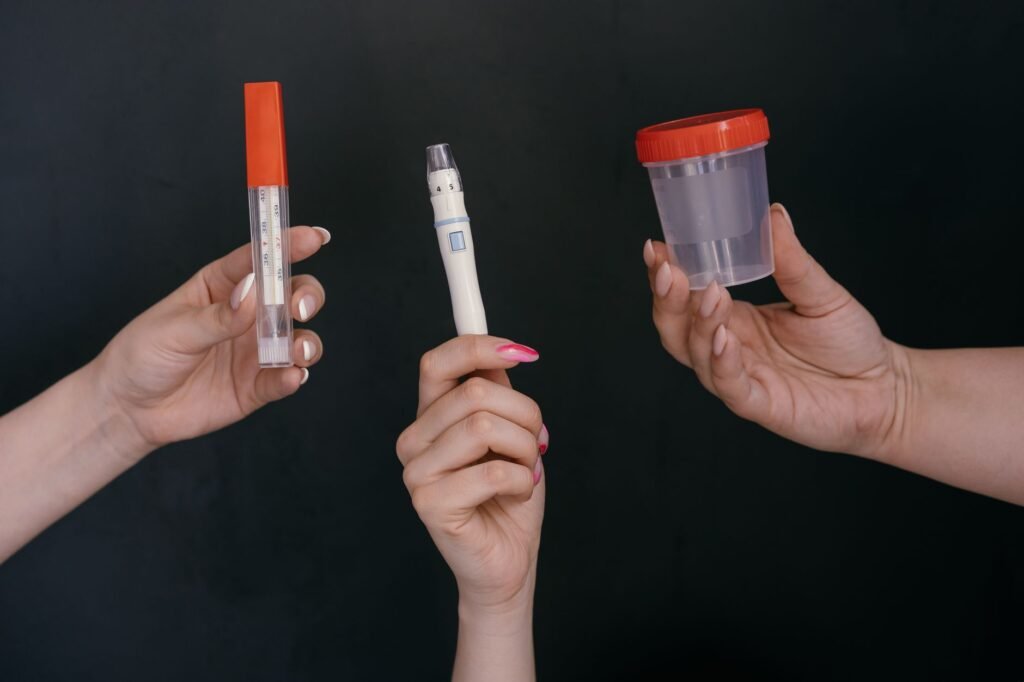
The urinalysis process typically begins with sample collection. Patients are usually instructed to provide a midstream urine sample, which reduces the risk of contamination. This involves urinating a small amount into the toilet before collecting the sample in a sterile container.
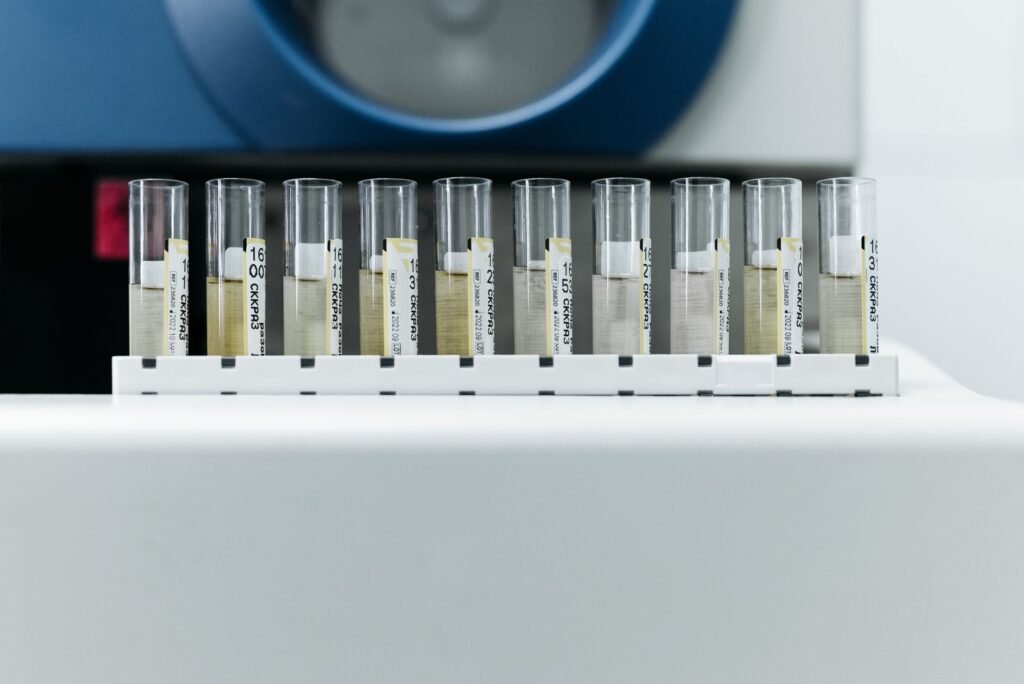
Once the sample is collected, it is sent to a laboratory where it undergoes testing. This may include physical examination, chemical analysis using dipsticks, and microscopic evaluation of the urine sediment.
- Physical Examination: The urine’s color, clarity, and odor are assessed.
- Chemical Analysis: A dipstick is used to test for various substances, including glucose and protein.
- Microscopic Examination: The urine is examined under a microscope to identify cells, crystals, and bacteria.
Each step is critical for ensuring accurate results and meaningful interpretations.
What Can Urinalysis Detect?
Urinalysis can detect a wide variety of health conditions, including:
- Infections: The presence of bacteria or white blood cells can indicate a urinary tract infection.
- Kidney Disorders: High levels of protein or blood in the urine may suggest kidney disease or damage.
- Metabolic Disorders: The presence of glucose or ketones can indicate diabetes or other metabolic issues.
- Liver Disease: Certain substances in the urine can signal liver dysfunction.
Early detection through urinalysis can lead to timely intervention and treatment, significantly improving health outcomes.
Interpreting Urinalysis Results
Understanding urinalysis results can be complex, as they often require professional interpretation. Each component of the test provides specific information.
| Component | Normal Range | Possible Indications |
|---|---|---|
| Color | Pale yellow | Dehydration or liver issues (dark), infections (cloudy) |
| pH | 4.5 – 8.0 | Diet, metabolic disorders |
| Protein | None | Kidney disease, hypertension |
| Glucose | None | Diabetes |
It’s essential to discuss any abnormal results with a healthcare provider, who can provide context and recommend further testing or treatment.
Common Urinalysis Procedures
There are several common procedures associated with urinalysis that can further assist in diagnosis or treatment plans. These include:
- 24-hour Urine Collection: This procedure involves collecting all urine produced over a 24-hour period to assess kidney function and hormone levels.
- Culture Tests: If an infection is suspected, urine may be cultured to identify specific bacteria and determine appropriate antibiotics.
- Imaging Tests: In some cases, imaging tests like ultrasounds may be ordered alongside urinalysis to visualize the urinary tract.
Each procedure has its purpose and can provide additional insights into a patient’s health status.
Preparing for a Urinalysis
Preparation for a urinalysis is relatively straightforward but important for ensuring accurate results. Patients are generally advised to:
- Drink plenty of water before the test to ensure adequate urine production.
- Avoid certain foods and medications that may affect results, such as beets or vitamin supplements.
- Follow specific instructions provided by the healthcare provider regarding sample collection.
By following these guidelines, individuals can help ensure their test results are as accurate as possible.
Understanding the Different Types of Urinalysis
Urinalysis can be categorized into several types, each serving distinct diagnostic purposes. Knowing the variations can help patients and healthcare providers select the right approach for specific health concerns.
1. Routine Urinalysis
Routine urinalysis is the most common form of testing. It typically assesses physical, chemical, and microscopic properties of urine to provide a comprehensive overview of a person’s health. This type of analysis can help identify the presence of diseases, infections, and various metabolic disorders.
- Physical examination: Color, clarity, and specific gravity.
- Chemical examination: pH, glucose, protein, bilirubin, and ketones.
- Microscopic examination: Cells, crystals, bacteria, and casts.
2. 24-Hour Urine Collection
A 24-hour urine collection is a more thorough method that measures the total quantity of various substances excreted over a full day. This type of urinalysis is particularly useful for assessing kidney function and diagnosing conditions such as kidney stones or chronic kidney disease.
- Accurate measurement: Provides a complete profile of substances like calcium, creatinine, and electrolytes.
- Assessment of kidney function: Offers insight into the renal system’s ability to filter waste.
- Guidance for treatment: Helps tailor dietary or medical interventions based on findings.
3. Specialized Urine Tests
Specialized urine tests are designed to detect specific medical conditions. These tests focus on particular markers or substances that may indicate a disease state. For example, urine cytology can help identify cancerous cells, while urine cultures can confirm urinary tract infections.
- Urine cytology: Detects abnormal cells, important for bladder cancer screening.
- Urine culture: Identifies pathogenic bacteria and determines antibiotic sensitivity.
- Drug screening: Tests for the presence of illegal substances or medications.
Dietary Influences on Urinalysis Results
The food and beverages you consume can significantly affect your urinalysis results. Understanding these influences can help you prepare better for testing and interpret results accurately.
1. Foods That Alter Urine Color
Certain foods can change the color of urine, which might lead to misinterpretation of results. For instance, beets can cause reddish urine, while asparagus may impart a greenish tint. It is essential to be aware of these foods before undergoing testing.
- Beets: Can create a reddish hue.
- Asparagus: May cause a greenish tinge and distinctive odor.
- Carrots: Might lead to orange urine due to beta-carotene.
2. Impact of Hydration on Urine Concentration
Hydration levels can also affect urinalysis results. Dehydration can lead to concentrated urine, which may show higher levels of substances such as protein or glucose. Conversely, excessive hydration can dilute urine, potentially masking underlying issues.
- Dehydration: Concentrated urine can indicate kidney dysfunction.
- Overhydration: Diluted urine may obscure problems.
- Optimal hydration: Aim for a balanced intake to achieve accurate results.
3. Supplements and Medications
Vitamins and supplements can also impact urinalysis findings. For example, vitamin B supplements can lead to bright yellow urine, while certain medications may alter urine pH or the presence of specific metabolites. Always disclose any supplements or medications to your healthcare provider before testing.
- Vitamin B complex: Can result in bright yellow urine.
- Antibiotics: May influence urinary flora and test results.
- Diuretics: Can lead to increased urine output and concentration changes.
The Role of Urinalysis in Disease Management
Urinalysis plays a crucial role in managing chronic diseases and monitoring health conditions over time. Regular testing allows for early detection of complications and provides valuable data for treatment adjustments.
1. Diabetes Management
For individuals with diabetes, routine urinalysis is essential for monitoring kidney health and detecting potential complications. Tests can identify glucose and ketones in the urine, indicating poor blood sugar control and risk for diabetic ketoacidosis.
- Glucose in urine: Indicates elevated blood sugar levels.
- Ketones in urine: Signals inadequate insulin and potential ketoacidosis.
- Regular monitoring: Aids in adjusting treatment plans for better control.
2. Chronic Kidney Disease (CKD)
Urinalysis is a vital tool in the evaluation and management of chronic kidney disease. Regular assessments can help track the progression of the disease and the effectiveness of interventions. Key indicators include proteinuria and changes in urine concentration.
- Proteinuria: Presence of protein indicates kidney damage.
- Changes in urine specific gravity: Reflects kidney function.
- Regular testing: Essential for timely intervention and management.
3. Monitoring Urinary Tract Infections (UTIs)
For patients with recurrent urinary tract infections, urinalysis is invaluable for both diagnosis and monitoring treatment efficacy. It helps confirm the presence of bacteria and assess the effectiveness of prescribed antibiotics.
- Urine culture: Identifies the causative organism.
- Antibiotic sensitivity testing: Guides appropriate treatment options.
- Follow-up urinalysis: Ensures resolution of infection.
Understanding the Role of Urinalysis in Preventive Healthcare
Early Detection of Health Issues
Urinalysis serves as a proactive approach in preventive healthcare, allowing for early detection of potential health issues. By analyzing urine samples, healthcare providers can identify abnormalities that may indicate the onset of diseases before they develop into more serious conditions. Regular urinalysis can be particularly beneficial for individuals with risk factors for chronic diseases, such as diabetes or hypertension.
For instance, the presence of high levels of glucose or ketones in urine can signal metabolic issues, prompting further investigation. Similarly, proteinuria, or excess protein in urine, may indicate kidney dysfunction. Detecting these markers early can lead to timely interventions and lifestyle modifications.
Monitoring Kidney Function
The kidneys play a crucial role in filtering waste and maintaining fluid balance in the body. Regular urinalysis can provide insights into their functionality. Key indicators of kidney health include the presence of protein, blood, and specific gravity in urine.
- Protein: Elevated levels may indicate kidney damage or disease.
- Blood: Hematuria, or blood in the urine, can signal issues from infections to more serious conditions.
- Specific Gravity: This measures urine concentration; abnormal levels can indicate hydration status or kidney function.
By routinely monitoring these factors, patients can work collaboratively with their healthcare providers to maintain kidney health through dietary changes, hydration, and medication adjustments.

Urinalysis and Its Connection to Nutrition
Impact of Dietary Choices on Urinalysis
Your diet can significantly affect the results of a urinalysis. Certain foods and beverages can change the composition of urine, leading to misleading results if not considered. For example, beets can cause urine to appear red, while asparagus can produce a distinct odor.
- Hydration: Adequate water intake is essential, as dehydration can lead to concentrated urine, skewing results.
- High-Protein Diets: Excess protein intake can result in proteinuria, which may mimic kidney damage.
- Vitamin Supplements: B vitamins and vitamin C can alter urine color and chemical composition.
Understanding how dietary choices influence urinalysis can help individuals prepare better for testing and avoid unnecessary confusion regarding their health status.
Using Urinalysis to Guide Dietary Adjustments
Urinalysis not only reveals current health status but can also guide dietary adjustments for improved health outcomes. For instance, if urinalysis indicates high levels of oxalate, a healthcare provider might suggest reducing foods high in oxalates like spinach and nuts to prevent kidney stones.
Additionally, patients with diabetes may benefit from monitoring their urine for ketones, adjusting their carbohydrate intake accordingly to maintain better glycemic control. This feedback loop between urinalysis results and dietary choices empowers individuals to take an active role in their health.
Innovations in Urinalysis Technology
Advancements in Diagnostic Tools
Technology has revolutionized urinalysis, enhancing the accuracy and speed of diagnostics. Automated urinalysis machines now utilize advanced imaging and artificial intelligence to analyze urine samples more effectively than traditional methods. These innovations reduce human error and provide rapid results, which is invaluable in emergency settings.
New technologies, such as dipstick analyzers and digital urine imaging systems, allow for high-throughput testing, enabling healthcare providers to manage larger patient volumes without sacrificing quality. This is particularly important in clinics and hospitals with limited resources.
Future Directions in Urinalysis
The future of urinalysis looks promising with ongoing research into more specific biomarkers that can detect various diseases at an earlier stage. Emerging studies are exploring the potential of using urine metabolomics to identify unique metabolic profiles associated with specific conditions.
- Personalized Medicine: Tailoring treatment plans based on individual urinalysis results.
- Remote Monitoring: Innovations in home testing kits that allow patients to monitor their health from home.
- Integration with Health Apps: Digital platforms that track urinalysis results and provide personalized health recommendations.
These advancements hold the potential to transform how healthcare providers approach patient care, making urinalysis an even more powerful tool in preventive health strategies.
For more information, see MedlinePlus.
Frequently Asked Questions
1. How often should I have a urinalysis?
The frequency of urinalysis depends on individual health needs. Routine check-ups may include an annual urinalysis, but those with specific health conditions may require more frequent testing.
2. What does it mean if my urine is dark?
Dark urine can indicate dehydration, liver problems, or certain foods. It’s important to increase fluid intake and consult a healthcare provider if the condition persists.
3. Can medications affect urinalysis results?
Yes, certain medications can alter the composition of urine and potentially impact test results. Always inform your healthcare provider about any medications you are taking before the test.
4. Is urinalysis painful?
No, urinalysis is a non-invasive test that involves providing a urine sample. There is no discomfort associated with the procedure itself.
The Bottom Line
Urinalysis is an essential diagnostic tool that provides valuable insights into a person’s health. By understanding the process, what the test can detect, and how to prepare, individuals can take an active role in their health management. Regular urinalysis can aid in the early detection of various conditions, leading to timely intervention and better health outcomes.
For any concerns or questions about urinalysis results or procedures, it is always best to consult a qualified healthcare professional.
Was this page helpful?
Thanks for your feedback! What could we improve?
Thank you! Your feedback helps us improve our articles.
True Impact Health articles are written by our editorial team and based on reliable sources such as public health agencies, clinical guidelines and peer-reviewed research. This article has not yet been medically reviewed. Read our editorial process.
This content is for general information and is not a substitute for professional medical advice, diagnosis or treatment.