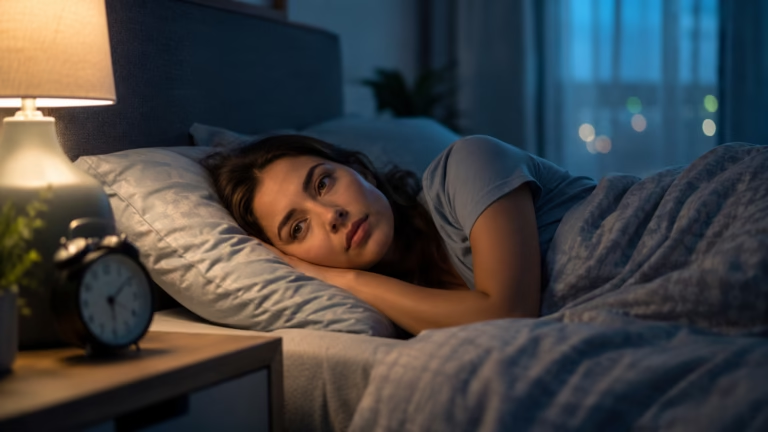
Understanding Daytime Sleepiness: Causes and Solutions
Explore the various causes and practical solutions for daytime sleepiness, ensuring you stay alert and energized throughout the day.
By True Impact Health Editorial Team

Medical doctor and clinical researcher focused on preventive medicine, chronic disease and clear, evidence-based health communication.
Reviewed this article on November 11, 2026.
View profile How we reviewUpdated on November 11, 2026 11 min read

Table of Contents
Key Takeaways
- Daytime sleepiness can be caused by various factors.
- Identifying the underlying cause is crucial for effective solutions.
- Lifestyle changes can significantly improve alertness.
- Consulting a healthcare professional may be necessary.
Daytime sleepiness is a common experience for many individuals, often manifesting as a persistent feeling of fatigue or drowsiness during the day. This can be frustrating, particularly when it interferes with daily activities, work, and overall quality of life. Understanding the causes and potential solutions can help empower individuals to regain their energy and focus.
While occasional sleepiness is normal, persistent daytime drowsiness can indicate an underlying issue that needs addressing. This guide delves into various reasons for daytime sleepiness, practical tips for managing it, and when to seek professional help.
By exploring lifestyle factors, medical conditions, and effective coping strategies, readers can find actionable steps to combat daytime sleepiness and enhance their overall well-being.
What Is Daytime Sleepiness?
Daytime sleepiness refers to a condition where an individual feels an excessive need to sleep or experiences a lack of alertness during the day. This state can negatively affect cognitive functions, mood, and productivity. Importantly, it is distinct from fatigue, which may arise from physical exertion or emotional strain.
Daytime sleepiness can be classified into two main categories: transient and chronic. Transient sleepiness is often temporary and can be linked to specific circumstances such as inadequate sleep, stress, or illness. Chronic sleepiness, on the other hand, may signify a deeper issue that requires medical evaluation.
Understanding the difference between these categories is essential for determining the appropriate response and whether lifestyle changes or medical intervention may be necessary.

Common Causes of Daytime Sleepiness
Daytime sleepiness can stem from a variety of factors, some of which may be lifestyle-related, while others could indicate medical conditions. Below are several common causes:
- Poor Sleep Quality: Insufficient or disrupted sleep patterns can lead to excessive daytime sleepiness. Conditions like insomnia, sleep apnea, and restless leg syndrome can significantly impact sleep quality.
- Medical Conditions: Several medical conditions contribute to daytime sleepiness. These include hypothyroidism, diabetes, and chronic fatigue syndrome, which can affect energy levels and overall health.
- Mental Health Issues: Conditions such as depression and anxiety can also cause fatigue and excessive sleepiness. Mood disorders often disrupt normal sleep patterns and contribute to feelings of lethargy.
- Medications: Certain medications, particularly sedatives, antihistamines, and some antidepressants, can induce sleepiness as a side effect. It’s essential to review medication lists with healthcare providers.
- Unhealthy Lifestyle Habits: Poor diet, lack of physical activity, and irregular sleep schedules can all contribute to feelings of sleepiness during the day.
Impact of Sleep Disorders
Sleep disorders are a primary contributor to daytime sleepiness. For example, obstructive sleep apnea (OSA) causes repeated interruptions in breathing during sleep, leading to fragmented sleep. Individuals with OSA often report feeling excessively sleepy during the day, as their sleep is not restorative.
Another common disorder is narcolepsy, characterized by overwhelming daytime drowsiness and sudden sleep attacks. Those affected may struggle to stay awake during daily activities, which can severely impact their quality of life.
Identifying sleep disorders often requires a sleep study or consultation with a sleep specialist. Treatment may involve lifestyle changes, CPAP therapy, or medications, depending on the specific condition.
How Lifestyle Affects Daytime Sleepiness
Making adjustments to daily routines and habits can significantly reduce daytime sleepiness. Here are some lifestyle factors to consider:
- Sleep Hygiene: Establishing a regular sleep schedule by going to bed and waking up at the same time each day can regulate the body’s internal clock. Creating a restful environment free from distractions can also improve sleep quality.
- Diet and Nutrition: A balanced diet rich in whole foods, including fruits, vegetables, whole grains, and lean proteins, can provide the energy needed to stay alert. Avoiding excessive sugar and caffeine can help prevent energy crashes.
- Physical Activity: Regular exercise has been shown to improve sleep quality and reduce daytime sleepiness. Aim for at least 150 minutes of moderate aerobic activity per week.
Practical Strategies for Improvement
In addition to lifestyle changes, consider incorporating specific strategies to combat daytime sleepiness:
- Short Naps: Taking short naps of 10-20 minutes can help recharge energy levels without disrupting nighttime sleep.
- Hydration: Staying hydrated is crucial for maintaining energy levels. Dehydration can lead to fatigue and concentration issues.
- Mindfulness and Stress Reduction: Engaging in mindfulness practices, such as meditation or yoga, can improve focus and reduce the impact of stress on energy levels.

When to Seek Medical Help
It is essential to consult a healthcare professional if daytime sleepiness persists despite implementing lifestyle changes. This is particularly important if sleepiness is accompanied by other concerning symptoms, such as:
- Severe Fatigue: If you experience overwhelming fatigue that affects your daily life.
- Changes in Mood: If you notice significant changes in mood or cognitive function.
- Frequent Naps: If you find yourself needing to nap frequently or falling asleep at inappropriate times.
Diagnostic Approaches
A healthcare provider may conduct several assessments, including:
- Sleep History: Gathering detailed information about sleep patterns and habits.
- Physical Examination: A thorough examination to rule out any underlying medical conditions.
- Sleep Studies: In some cases, a sleep study may be recommended to evaluate sleep disorders.
Impact of Diet on Daytime Sleepiness
Understanding Nutritional Influences
The food we consume plays a critical role in regulating our energy levels throughout the day. A diet rich in refined carbohydrates can lead to spikes and crashes in blood sugar levels, resulting in increased feelings of sleepiness. Foods high in sugars, such as pastries and candy, can provide a quick energy boost, but they are often followed by a significant drop in energy, which can contribute to daytime drowsiness.
Conversely, a balanced diet that includes whole grains, lean proteins, healthy fats, and a variety of fruits and vegetables can help stabilize blood sugar levels and maintain energy. Nutrients such as omega-3 fatty acids, B vitamins, and magnesium are particularly important for brain health and energy production.
Key Dietary Changes to Combat Sleepiness
Making thoughtful dietary changes can help alleviate daytime sleepiness. Here are some effective strategies:
- Increase Protein Intake: Incorporate lean proteins like chicken, fish, legumes, and nuts, which provide sustained energy.
- Limit Sugary Snacks: Replace candies and pastries with healthier options such as fruit, yogurt, or nuts to avoid energy crashes.
- Stay Hydrated: Dehydration can lead to fatigue. Aim for at least 8 glasses of water daily.
- Eat Smaller, Frequent Meals: Instead of three large meals, try eating smaller meals or snacks throughout the day to maintain energy levels.

Influence of Sleep Quality on Daytime Sleepiness
The Role of Sleep Stages
Quality of sleep is just as important as quantity. Sleep consists of multiple stages, including light sleep, deep sleep, and REM sleep, each serving different functions. Deep sleep is crucial for physical restoration, while REM sleep is essential for cognitive functions such as memory consolidation and emotional regulation. Insufficient time spent in these stages can lead to feelings of grogginess and fatigue during the day.
Disruptions in sleep cycles, such as those caused by sleep disorders like sleep apnea or restless leg syndrome, can prevent individuals from achieving restorative sleep, thereby increasing daytime sleepiness. Understanding the stages of sleep can help individuals recognize why they feel tired even after a full night’s sleep.
Improving Sleep Quality
Enhancing sleep quality can significantly reduce daytime sleepiness. Consider the following tips:
- Establish a Sleep Schedule: Go to bed and wake up at the same time every day to regulate your body’s internal clock.
- Create a Restful Environment: Ensure your bedroom is dark, quiet, and cool to facilitate better sleep.
- Avoid Electronics Before Bed: Blue light emitted by screens can interfere with melatonin production. Try to avoid screens at least an hour before bedtime.
- Limit Caffeine and Alcohol Intake: Both substances can disrupt sleep patterns. Try to avoid consuming them in the hours leading up to bedtime.
Understanding Psychological Factors Behind Daytime Sleepiness
The Connection Between Stress and Sleepiness
Psychological factors such as stress, anxiety, and depression can significantly impact energy levels and contribute to daytime sleepiness. Stress activates the body’s fight-or-flight response, which can lead to increased cortisol production. Chronic stress can disrupt sleep quality, making it difficult to achieve restorative rest.
Additionally, anxiety can lead to racing thoughts and restlessness at night, preventing individuals from falling asleep or staying asleep. Similarly, depression is often associated with fatigue and low energy levels, which can exacerbate feelings of sleepiness during the day.
Strategies for Managing Psychological Factors
Addressing psychological factors can help mitigate daytime sleepiness. Here are some effective strategies:
- Practice Mindfulness and Relaxation Techniques: Activities such as meditation, yoga, or deep-breathing exercises can help reduce stress and promote relaxation.
- Engage in Regular Physical Activity: Exercise is beneficial for mental health and can improve sleep quality, thereby reducing daytime sleepiness.
- Seek Professional Help: If psychological factors are significantly impacting your life, consider speaking with a mental health professional for support and guidance.
- Maintain Social Connections: Engaging with friends and family can provide emotional support and reduce feelings of isolation, which can contribute to stress and fatigue.

Impact of Environment on Daytime Sleepiness
Workplace Environment
The workplace can significantly impact daytime sleepiness. Factors such as inadequate lighting, noise levels, and even the layout of the office can contribute to feelings of fatigue. For instance, exposure to natural light is known to help regulate circadian rhythms, making workers feel more alert. Conversely, dimly lit or overly bright environments can lead to eye strain and fatigue.
To create a more conducive work environment, consider the following:
- Ensure access to natural light whenever possible.
- Use adjustable lighting to reduce glare and eye strain.
- Incorporate sound-absorbing materials to minimize disruptive noise.
- Organize workspaces to promote movement and reduce monotony.
Home Environment
Your home environment is equally important in managing daytime sleepiness. Factors like room temperature, noise, and the comfort of your sleeping area can impact sleep quality and, consequently, how alert you feel during the day. A too-warm or too-cool room can disrupt sleep patterns, leading to increased fatigue.
To optimize your home environment, consider these adjustments:
- Maintain a comfortable room temperature, ideally between 60-67°F (15-19°C).
- Invest in blackout curtains to minimize light disruption during sleep.
- Use white noise machines to block out distracting sounds.
- Ensure your mattress and pillows are supportive and comfortable.
Physical Health Conditions Linked to Daytime Sleepiness
Chronic Illnesses
Chronic illnesses such as diabetes, heart disease, and asthma can lead to increased daytime sleepiness. These conditions often interfere with sleep quality and can cause nighttime awakenings, leading to cumulative sleep deprivation. Managing these health conditions is crucial for improving overall sleep quality and daytime alertness.
Some strategies to manage chronic conditions include:
- Regular medical check-ups to monitor your health.
- Adhering to prescribed medications to manage symptoms.
- Engaging in regular physical activity tailored to your condition.
- Maintaining a balanced diet to support overall health.
Sleep Disorders
Various sleep disorders can contribute to excessive daytime sleepiness. Conditions such as sleep apnea, narcolepsy, and restless leg syndrome can significantly disrupt sleep cycles, leading to fatigue during the day. Identifying and treating these disorders is essential for restoring healthy sleep patterns and improving daytime alertness.
If you suspect a sleep disorder, consult a healthcare professional for evaluation. Treatment options may include:
- Continuous Positive Airway Pressure (CPAP) therapy for sleep apnea.
- Medications to manage symptoms of narcolepsy.
- Lifestyle changes to reduce symptoms of restless leg syndrome.

Strategies for Combatting Daytime Sleepiness
Effective Napping Techniques
Napping can be an effective strategy to combat daytime sleepiness if done correctly. Short naps of 10-20 minutes can boost alertness and improve performance without leading to grogginess. Timing is also critical; the best time to nap is typically between 1 PM and 3 PM, when energy levels naturally dip.
To maximize the benefits of napping, consider the following:
- Limit naps to 20 minutes to avoid sleep inertia.
- Find a quiet, comfortable space to nap.
- Experiment with different nap lengths to discover what works best for you.
Incorporating Physical Activity
Regular physical activity can significantly reduce feelings of daytime sleepiness. Exercise increases blood circulation and boosts energy levels, helping to improve mood and cognitive function. Aim for at least 150 minutes of moderate aerobic activity per week, as recommended by health guidelines.
Incorporate the following types of physical activities into your routine:
- Walking or jogging.
- Yoga or stretching exercises.
- Strength training with weights or resistance bands.
- Engaging in recreational sports or group classes.
For more information, see NIH.
Frequently Asked Questions
What are the main symptoms of daytime sleepiness?
Common symptoms include persistent fatigue, difficulty concentrating, irritability, and a strong urge to sleep during the day.
Can caffeine help with daytime sleepiness?
Caffeine can provide a temporary boost in alertness, but reliance on it can lead to negative side effects and may disrupt sleep patterns if consumed too late in the day.
Are there natural remedies for daytime sleepiness?
Natural remedies include maintaining proper hydration, consuming a balanced diet, and incorporating regular physical activity. Mindfulness practices can also enhance focus and energy.
How can I improve my sleep quality?
Improving sleep quality can involve creating a comfortable sleep environment, establishing a consistent sleep schedule, and avoiding screens before bedtime to promote better rest.
The Bottom Line
Daytime sleepiness is a multifaceted issue that can stem from various lifestyle factors and medical conditions. By understanding the root causes and implementing practical strategies, individuals can effectively manage their energy levels throughout the day. When necessary, seeking professional guidance can ensure the most suitable approaches are taken to address persistent sleepiness.
Was this page helpful?
Thanks for your feedback! What could we improve?
Thank you! Your feedback helps us improve our articles.
Medically reviewed by
Dr. Daniel HarringtonMedical doctor and clinical researcher focused on preventive medicine, chronic disease and clear, evidence-based health communication.
True Impact Health articles are written by our editorial team and based on reliable sources such as public health agencies, clinical guidelines and peer-reviewed research. This article has been checked by a doctor on our review panel. Read our editorial process.
This content is for general information and is not a substitute for professional medical advice, diagnosis or treatment.