Understanding Sleep Apnea Symptoms: What You Need to Know
Learn about sleep apnea symptoms, their impact on health, and what to do if you experience them. Gain practical insights for better sleep.
By True Impact Health Editorial Team

Physician with experience in patient care and preventive medicine, focused on early detection, disease prevention and long-term wellness.
Reviewed this article on November 11, 2026.
View profile How we reviewUpdated on November 9, 2026 10 min read
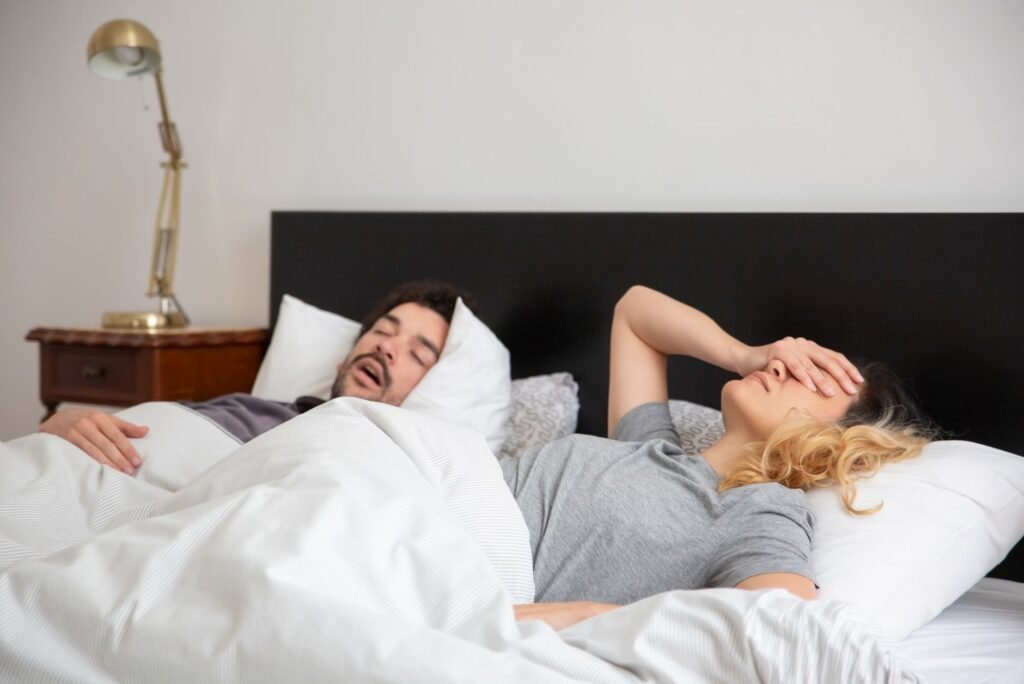
Table of Contents
Key Takeaways
- Sleep apnea can disrupt your sleep and daily life.
- Common symptoms include loud snoring and daytime fatigue.
- Diagnosis and treatment are crucial for managing sleep apnea.
- Lifestyle changes can significantly improve symptoms.
Sleep apnea is a common sleep disorder characterized by interruptions in breathing during sleep. It affects millions of individuals worldwide and can lead to serious health complications if left untreated. Understanding the symptoms associated with sleep apnea is crucial for early detection and effective management.
This article explores the various symptoms of sleep apnea, their implications, and practical steps you can take to address them. By recognizing these symptoms, you can empower yourself to seek the help you need.
Sleep apnea symptoms can vary in intensity and frequency from person to person. Some individuals may experience only mild symptoms, while others may suffer from more severe manifestations that significantly disrupt their quality of life.
Common Symptoms of Sleep Apnea
Recognizing the symptoms of sleep apnea is the first step towards diagnosis and treatment. The following are the most common symptoms associated with this disorder:
- Loud Snoring: One of the hallmark symptoms of sleep apnea is loud, persistent snoring, which may be more pronounced in individuals with obstructive sleep apnea (OSA).
- Pauses in Breathing: Observers may notice that a person with sleep apnea often pauses in their breathing during sleep, followed by gasping or choking sounds.
- Daytime Fatigue: Individuals with sleep apnea frequently experience excessive daytime sleepiness, which can affect their ability to concentrate and perform daily tasks.
- Morning Headaches: Waking up with a headache is a common symptom, often caused by disrupted sleep and decreased oxygen levels.
- Dry Mouth or Sore Throat: Many individuals report waking up with a dry mouth or sore throat due to breathing through their mouths during sleep.
- Difficulty Staying Asleep: Insomnia or difficulty maintaining continuous sleep can also be a symptom, as the individual may wake up multiple times throughout the night.
Understanding the Impact of Sleep Apnea Symptoms
The symptoms of sleep apnea can extend beyond just the immediate effects on sleep. Understanding how these symptoms impact overall health and daily life is vital:
First, the excessive daytime sleepiness caused by disrupted sleep can lead to impaired cognitive function and alertness. This may affect job performance, increase the risk of accidents, and compromise overall productivity.
Second, long-term sleep apnea can contribute to serious health problems such as high blood pressure, heart disease, stroke, and diabetes. The repeated interruptions in breathing can place a strain on the cardiovascular system, leading to elevated stress on the heart.
Finally, sleep apnea symptoms can affect mental health. Individuals may experience anxiety, depression, or irritability due to chronic fatigue and disrupted sleep patterns. The social stigma associated with snoring and sleep disturbances can also lead to feelings of embarrassment and isolation.
Real-Life Example: Recognizing Sleep Apnea Symptoms
Consider the case of Alex, a 45-year-old man who began to notice changes in his sleep patterns. His partner frequently complained about his loud snoring, and he often woke up feeling exhausted, despite spending the recommended 7-8 hours in bed. Alex also experienced morning headaches and difficulty concentrating at work.
Feeling concerned, Alex decided to consult a healthcare professional. Through a sleep study, he was diagnosed with obstructive sleep apnea. This diagnosis prompted him to explore treatment options and lifestyle changes, such as weight management and using a continuous positive airway pressure (CPAP) machine during sleep.
Alex’s story highlights the importance of recognizing sleep apnea symptoms early. By seeking help, he was able to improve his sleep quality and overall health.

Diagnosing Sleep Apnea
Diagnosis of sleep apnea typically involves a combination of a detailed medical history, physical examination, and sleep studies. Here are the key steps in the diagnostic process:
- Medical History: The healthcare provider will ask about your symptoms, sleep patterns, and overall health. This information helps identify potential risk factors.
- Physical Examination: A thorough examination may include checking for physical signs of sleep apnea, such as enlarged tonsils or a thick neck.
- Sleep Studies: A polysomnography (PSG) test is often conducted in a sleep clinic or at home to monitor breathing patterns, oxygen levels, and other vital signs during sleep.
Once diagnosed, the severity of sleep apnea is assessed based on the frequency of apneas (pauses in breathing) and hypopneas (shallow breaths) per hour of sleep. This information is crucial for determining the appropriate treatment approach.
Treatment Options for Sleep Apnea Symptoms
Treatment for sleep apnea can vary based on the severity of the condition and individual preferences. Here are some common treatment options:
- Lifestyle Changes: Weight loss, regular exercise, and avoiding alcohol and sedatives can significantly reduce sleep apnea symptoms.
- Continuous Positive Airway Pressure (CPAP): A CPAP machine delivers a steady stream of air through a mask, keeping the airways open during sleep.
- Oral Appliances: Dental devices can help reposition the jaw and tongue to keep the airway open, especially in mild to moderate cases.
- Surgery: In severe cases, surgical options may be considered to remove excess tissue from the throat or correct structural abnormalities.
Consulting a healthcare professional is essential for determining the best treatment plan. Each option has its benefits and potential drawbacks, and what works for one person may not work for another.

Preventing Sleep Apnea Symptoms
While not all cases of sleep apnea can be prevented, certain lifestyle modifications can help reduce the risk. Here are some strategies:
- Maintain a Healthy Weight: Excess weight, particularly around the neck, can contribute to airway obstruction. A balanced diet and regular exercise can aid in weight management.
- Sleep Position: Sleeping on your back can worsen sleep apnea. Try sleeping on your side instead to help keep the airway open.
- Avoid Alcohol and Sedatives: These substances can relax the throat muscles, increasing the likelihood of airway obstruction during sleep.
- Stay Hydrated: Proper hydration helps keep the throat tissues moist, which can reduce irritation and inflammation.
Incorporating these preventive measures into your daily routine can contribute to better sleep quality and overall health.

Understanding Risk Factors for Sleep Apnea
Identifying risk factors for sleep apnea is crucial for early intervention and effective management. Several factors contribute to the likelihood of developing this condition, including anatomical features, lifestyle choices, and comorbidities.
1. Anatomical Features
Certain anatomical characteristics can increase the risk of obstructive sleep apnea (OSA). These features may include:
- Thick neck circumference: A larger neck size often correlates with excess tissue around the throat, which can obstruct airflow during sleep.
- Prominent tongue and uvula: A larger tongue or uvula can block the airway when lying down.
- Nasal congestion or structural abnormalities: Issues such as a deviated septum or enlarged tonsils can contribute to obstructive sleep patterns.
Individuals with these anatomical features should consider consulting a specialist if they experience sleep disturbances.
2. Lifestyle Choices and Their Impact
Several lifestyle choices can exacerbate the symptoms of sleep apnea or increase the risk of developing the disorder. Key lifestyle factors include:
- Obesity: Excess weight, especially around the neck, can increase the risk of airway obstruction during sleep.
- Alcohol consumption: Alcohol relaxes throat muscles, which may heighten the chances of airway collapse.
- Smoking: Smoking irritates the airways and can lead to inflammation, increasing the risk of obstructive sleep apnea.
Making positive lifestyle changes, such as maintaining a healthy weight and reducing alcohol intake, can significantly lower the risk of sleep apnea.
3. Comorbidities Associated with Sleep Apnea
Various health conditions can increase the likelihood of developing sleep apnea or worsen its symptoms. Common comorbidities include:
- Cardiovascular conditions: Individuals with high blood pressure, heart disease, or stroke history are at a higher risk.
- Diabetes: Insulin resistance and obesity linked to type 2 diabetes can contribute to the development of sleep apnea.
- Chronic respiratory conditions: Asthma and chronic obstructive pulmonary disease (COPD) can exacerbate sleep apnea symptoms.
Recognizing these comorbidities is essential for a comprehensive approach to managing sleep apnea.
Long-Term Effects of Untreated Sleep Apnea
Neglecting sleep apnea can lead to significant long-term health issues that extend beyond sleep disturbances. Understanding these potential effects can motivate individuals to seek timely treatment.
1. Cardiovascular Complications
Untreated sleep apnea significantly increases the risk of various cardiovascular problems. This may include:
- Hypertension: Repeated awakenings during sleep can trigger stress responses, leading to elevated blood pressure levels.
- Heart failure: The strain on the cardiovascular system can contribute to heart failure over time.
- Arrhythmias: Sleep apnea may increase the risk of irregular heartbeats, which can be dangerous if ignored.
Regular monitoring and management of these risks are crucial for individuals with sleep apnea.
2. Metabolic Consequences
Sleep apnea can lead to metabolic disturbances that affect overall health. These include:
- Weight gain: Poor sleep quality may disrupt hormones that regulate appetite, leading to weight gain.
- Increased insulin resistance: Sleep deprivation can impair glucose metabolism, raising diabetes risk.
- Fatigue and reduced physical activity: The constant fatigue associated with sleep apnea can lead to a sedentary lifestyle, further exacerbating metabolic issues.
Addressing sleep apnea can help mitigate these metabolic consequences and improve overall well-being.
3. Cognitive and Psychological Effects
The cognitive and psychological impact of untreated sleep apnea can be profound. Individuals may experience:
- Memory issues: Poor sleep can affect memory consolidation and information retention.
- Mood disorders: Anxiety and depression are more prevalent among those with untreated sleep apnea.
- Decreased work performance: Cognitive impairments can lead to reduced productivity and concentration at work.
Seeking treatment for sleep apnea can improve cognitive function and emotional well-being.

Innovative Technologies in Sleep Apnea Management
Advancements in technology are transforming the landscape of sleep apnea diagnosis and management. New tools and innovations aim to enhance patient outcomes and improve quality of life.
1. Wearable Sleep Technology
Wearable devices are becoming increasingly popular for monitoring sleep patterns and related health metrics. These devices can track:
- Heart rate variability: Changes in heart rate can indicate sleep disturbances.
- Oxygen saturation levels: Monitoring blood oxygen levels can help identify apneic events.
- Sleep stages: Understanding sleep cycles can provide insights into overall sleep quality.
Wearable technology offers users valuable data that can facilitate discussions with healthcare providers about sleep apnea.
2. Home Sleep Testing Devices
Home sleep testing has become a viable alternative to traditional in-lab sleep studies. These devices allow for:
- Convenience: Patients can conduct tests in their own homes, leading to increased comfort.
- Cost-effectiveness: Home tests are often less expensive than in-lab studies.
- Real-time data collection: Advanced sensors can provide accurate readings while minimizing discomfort.
Home sleep testing can simplify the diagnosis process for many individuals suspected of having sleep apnea.
3. Continuous Positive Airway Pressure (CPAP) Innovations
The development of CPAP technology has significantly improved the treatment of sleep apnea. Recent innovations include:
- Smart CPAP machines: These devices adjust pressure settings automatically based on real-time feedback.
- Mobile app integration: Many CPAP machines now sync with apps to track usage and provide insights on sleep quality.
- Quieter models: Newer machines are designed to operate more quietly, enhancing comfort during sleep.
These innovations in CPAP technology contribute to better adherence and improved patient outcomes.
For more information, see Cleveland Clinic.
Frequently Asked Questions
1. What are the main causes of sleep apnea?
Sleep apnea can be caused by a variety of factors, including excess weight, anatomical abnormalities, age, and lifestyle choices such as alcohol consumption and smoking. Certain medical conditions like diabetes and heart disease can also increase risk.
2. How is sleep apnea diagnosed?
Diagnosis typically involves a medical history review, physical examination, and sleep studies to monitor your sleep patterns and breathing.
3. Can sleep apnea be cured?
While some individuals may find relief through lifestyle changes, sleep apnea may not be completely curable. However, effective management strategies can significantly reduce symptoms and improve quality of life.
4. What should I do if I suspect I have sleep apnea?
If you suspect you have sleep apnea, it is essential to consult a healthcare professional for an assessment. Keep track of your symptoms to provide detailed information during your appointment.
The Bottom Line
Sleep apnea symptoms can severely impact your health and quality of life. Recognizing these symptoms early on is crucial for seeking diagnosis and treatment. With the right approach, including lifestyle changes and medical interventions, individuals can manage their symptoms effectively and enjoy better sleep and overall well-being.
Was this page helpful?
Thanks for your feedback! What could we improve?
Thank you! Your feedback helps us improve our articles.
Medically reviewed by
Dr. Bernard ReynoldsPhysician with experience in patient care and preventive medicine, focused on early detection, disease prevention and long-term wellness.
True Impact Health articles are written by our editorial team and based on reliable sources such as public health agencies, clinical guidelines and peer-reviewed research. This article has been checked by a doctor on our review panel. Read our editorial process.
This content is for general information and is not a substitute for professional medical advice, diagnosis or treatment.