Introduction
Carp and koi are among the most popular ornamental fish in ponds and aquariums because of their beauty, graceful movement, and long lifespan. However, even healthy carp can occasionally develop skin conditions that affect their appearance and overall well-being. These problems may range from minor irritation and discoloration to more serious infections that can compromise the fish’s health if left untreated. While chemical medications and commercial treatments are available, many fish keepers prefer natural approaches that are gentler on the fish, safer for beneficial pond organisms, and less disruptive to the aquatic ecosystem.
- Maintain excellent water quality: regular partial water changes, live plants, beneficial bacteria, and stable pH/hardness to prevent and treat skin problems.
- Support immunity with high-quality diets, spirulina, probiotics, and fresh vegetables to promote skin healing and resistance to infections.
- Isolate affected fish in a quarantine tank, use gentle salt or Epsom baths, minimize stress, and monitor daily for improvement.
Natural treatment methods focus on addressing the underlying causes of skin problems rather than simply masking symptoms. Improving water quality, supporting the fish’s immune system, reducing stress, and using carefully selected natural remedies can often help carp recover while promoting long-term health. Understanding why skin conditions develop and learning how to recognize them early are essential steps toward successful treatment. With patience and proper care, many skin issues can be resolved naturally, allowing your carp to regain their vibrant colors and active behavior.
Understanding Why Carp Develop Skin Conditions
Skin conditions in carp rarely occur without an underlying cause. In most cases, environmental stress weakens the fish’s natural defenses, making it easier for parasites, fungi, or bacteria to invade the skin.
Poor water quality is one of the most common causes of skin problems. Elevated ammonia and nitrite levels can irritate the skin and gills, while sudden changes in pH can stress the fish and weaken its immune system. When water conditions are unstable, carp become more vulnerable to infections and disease.
Parasites are another major contributor to skin disorders. Organisms such as Ichthyophthirius, commonly known as Ich or white spot disease, and various types of flukes can irritate the skin and damage the protective slime coat. This damage creates openings through which secondary bacterial and fungal infections can develop.
Fungal infections often appear after an injury or during periods of stress. Species such as Saprolegnia can colonize damaged tissue, creating cotton-like growths on the skin. Similarly, bacterial infections such as Columnaris can cause ulcers, redness, and tissue deterioration.
Physical injuries also play a role. Carp may scrape themselves against rough rocks, pond equipment, or decorative structures. Aggressive interactions with other fish can also cause wounds that become infected if not properly managed.
Nutritional deficiencies should not be overlooked. Fish that receive poor-quality diets may lack essential vitamins, minerals, and fatty acids needed for maintaining healthy skin and immune function. Chronic stress resulting from overcrowding, predators, temperature fluctuations, or poor water conditions can further increase disease susceptibility.
Recognizing the Signs of Skin Problems Early
Early detection greatly improves the likelihood of successful treatment. Fish owners should routinely observe their carp for changes in appearance or behavior.
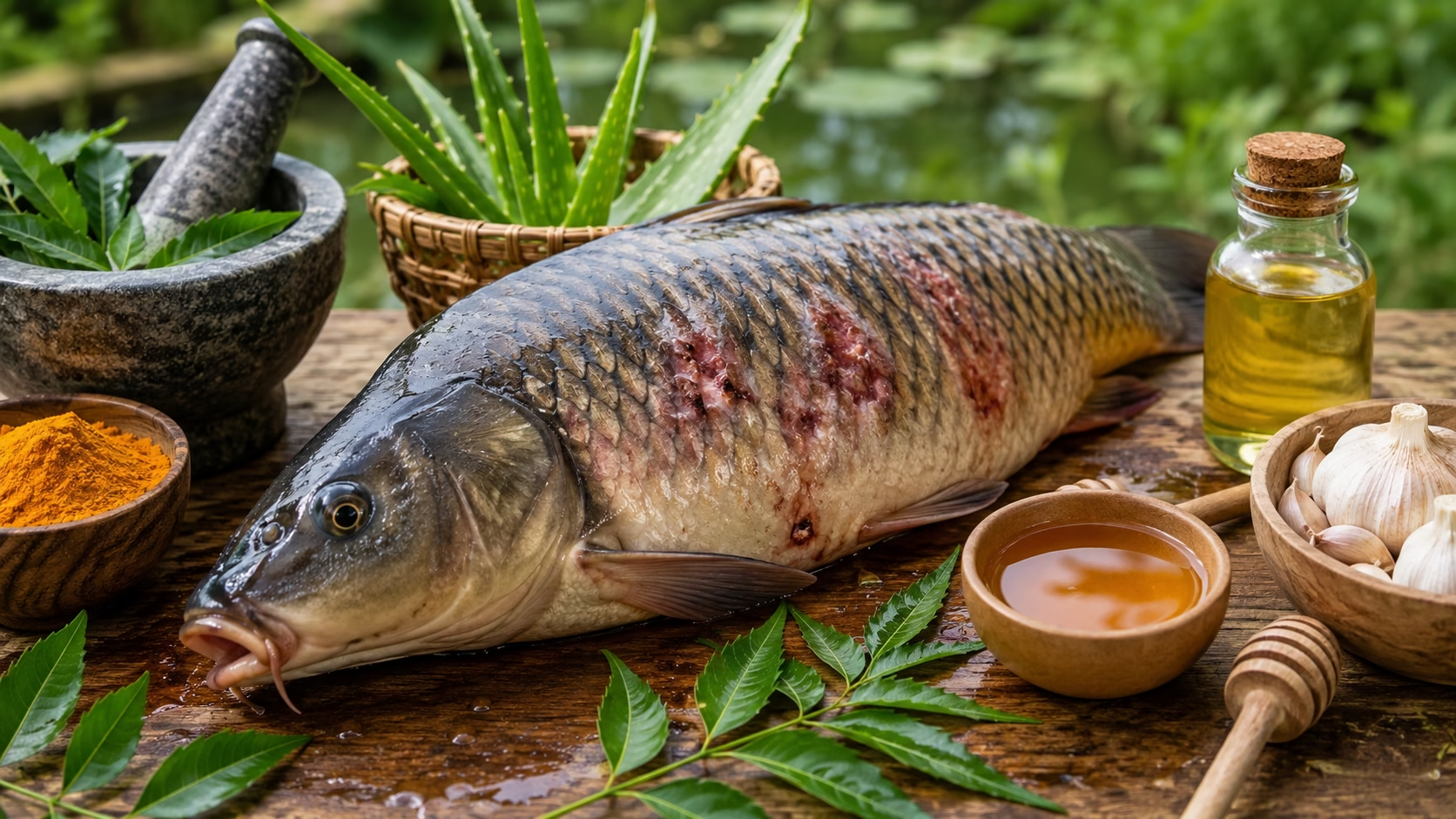
One of the earliest signs of trouble is the appearance of white spots or fuzzy patches on the skin. White spots may indicate a parasitic infection such as Ich, while cotton-like growths often suggest fungal involvement. Red, inflamed areas may signal bacterial infections or physical injuries that have become infected.
Excessive mucus production is another warning sign. Carp naturally produce a protective slime coat, but when irritated, they may generate excessive mucus that gives the skin a cloudy or slimy appearance. This response often occurs when parasites or poor water conditions are present.
Behavioral changes frequently accompany skin conditions. Affected fish may rub against rocks, plants, or pond walls in an attempt to relieve irritation. This behavior, commonly known as flashing, often indicates parasitic infestation. Lethargy, loss of appetite, and erratic swimming patterns may also suggest that the fish is experiencing discomfort or illness.
By identifying these signs early, fish keepers can begin treatment before the condition becomes severe.
Improve Water Quality Naturally
Maintaining excellent water quality is the foundation of both treatment and prevention. Even the most effective natural remedies will have limited success if water conditions remain poor.
Regular water changes are one of the simplest and most powerful ways to improve fish health. Replacing approximately ten to twenty percent of the pond or aquarium water each week helps dilute harmful substances and maintain stable water chemistry. When performing water changes, it is important to use dechlorinated water and ensure that the temperature closely matches the existing environment to avoid stressing the fish.
The addition of live aquatic plants can significantly improve water quality. Plants such as hornwort, water sprite, and floating vegetation absorb excess nutrients that would otherwise contribute to algae growth and poor water conditions. They also provide shelter, helping fish feel more secure and less stressed.
Beneficial bacteria are equally important. These microorganisms convert toxic ammonia into less harmful compounds through the nitrogen cycle. Providing bio-media such as ceramic rings, bio-balls, or specialized filter materials creates a habitat where beneficial bacteria can thrive. A healthy biological filtration system helps maintain stable and safe water conditions.
Maintaining stable pH and hardness levels is also essential. Crushed coral or limestone can serve as natural buffering agents that prevent sudden pH fluctuations. Most carp thrive in water with a pH between 7.0 and 8.0. Regular testing allows fish keepers to detect and correct imbalances before they cause health problems.
Using Salt and Epsom Salt Baths
Salt treatments have been used in fish care for generations because of their ability to reduce stress and assist with certain skin conditions.
Aquarium salt baths can help control some external parasites while reducing osmotic stress on the fish. To prepare a salt bath, dissolve aquarium salt in a separate container filled with pond or aquarium water. The fish should be acclimated gradually before treatment begins. During the bath, which typically lasts between fifteen and thirty minutes, the fish should be monitored closely for signs of distress. Following treatment, the fish can be returned to its normal environment.
Epsom salt, which contains magnesium sulfate, serves a different purpose. It is particularly useful for reducing swelling and supporting the elimination of excess fluids. Epsom salt baths may also help alleviate inflammation associated with certain skin conditions. These treatments are generally shorter, lasting approximately ten to fifteen minutes, and should be performed under careful observation.
Although salt treatments can be beneficial, they should be used appropriately and not excessively, as improper use may negatively affect both fish and beneficial aquatic organisms.
Natural Herbal Remedies for Carp Skin Conditions
Several plant-based remedies have shown promise in supporting fish health and recovery.
Garlic is one of the most widely used natural supplements in aquaculture. It contains allicin, a compound known for its antimicrobial and immune-supporting properties. Garlic may help fish resist parasites and improve appetite during periods of illness. Garlic juice can be added to food or introduced into the aquatic environment in carefully controlled amounts.
Indian almond leaves, also known as Catappa leaves, are highly valued in natural fish care. When placed in water, these leaves release tannins and beneficial compounds that possess mild antibacterial and antifungal properties. They can also create a more natural environment that helps reduce stress and supports healing.
Some fish keepers experiment with tea tree oil or neem oil in quarantine systems. These oils contain natural antimicrobial compounds. However, they must be used with extreme caution because fish are highly sensitive to essential oils. Only very dilute concentrations should be used, and fish should be monitored carefully for any signs of irritation or respiratory distress.
Strengthening Immunity Through Nutrition
A strong immune system allows carp to resist disease more effectively and recover more quickly from skin problems.
High-quality commercial fish food should serve as the foundation of the diet. Carp generally benefit from feeds containing approximately thirty to forty percent protein derived from quality sources. Adequate protein supports tissue repair and overall health.
Spirulina and marine phytoplankton are excellent nutritional supplements. These ingredients contain carotenoids and antioxidants that support skin health, enhance coloration, and strengthen immune function.
Fresh vegetables can provide valuable nutrients and digestive support. Blanched peas, lettuce, spinach, and zucchini are commonly offered to carp as healthy supplemental foods. These vegetables supply vitamins and fiber that contribute to overall wellness.
Probiotics may also play an important role. Healthy gut bacteria support digestion and immune function, helping fish utilize nutrients more efficiently and resist infections more effectively.
Quarantine and Stress Reduction
Isolating affected fish in a quarantine tank can significantly improve treatment success. Quarantine prevents the spread of disease while allowing the fish to recover in a controlled environment.
A suitable quarantine setup should include proper filtration, gentle aeration, and water conditions that closely match those of the main pond or aquarium. Providing hiding places such as PVC pipes or aquatic plants helps reduce stress and encourages recovery.
Daily observation is essential during quarantine. Fish keepers should monitor appetite, swimming behavior, skin appearance, and response to treatment. Any worsening symptoms can then be addressed promptly before they become severe.
Reducing stress is equally important. Sudden environmental changes, overcrowding, excessive handling, and aggressive tank mates should all be minimized. A calm and stable environment supports healing and strengthens the immune response.
Preventing Future Skin Problems
Once a carp has recovered, preventive care becomes the key to long-term health. Consistent maintenance helps ensure that skin conditions do not return.
Regular filter maintenance is essential. Cleaning filtration equipment removes accumulated waste while preserving beneficial bacteria. Filter media should always be rinsed using pond or aquarium water rather than chlorinated tap water to avoid destroying helpful microorganisms.
Seasonal pond inspections can identify potential hazards such as sharp objects, excessive debris, malfunctioning equipment, or poor water circulation. Addressing these issues before they become serious helps maintain a healthy environment.
Routine fish health checks are equally valuable. Taking a few minutes each week to observe your carp allows you to detect subtle changes before major problems develop. Early intervention is almost always easier and more effective than treating advanced disease.
Conclusion
Treating carp skin conditions naturally involves much more than applying a remedy to the affected area. Successful recovery depends on creating an environment that supports the fish’s natural healing abilities. Excellent water quality, proper nutrition, stress reduction, and carefully selected natural treatments work together to restore health and strengthen the immune system.
By focusing on prevention and addressing the root causes of disease, fish keepers can reduce the likelihood of future outbreaks while promoting vibrant coloration, active behavior, and long-term well-being. Natural treatment methods may require patience and consistency, but they often provide lasting results that benefit both the fish and the entire aquatic ecosystem. With proper care and attention, your carp can recover from skin problems and continue thriving for many years to come.