Dropsy is a serious symptom in fish caused by infection or poor water quality; treat with quarantine, water changes, Epsom salt and vet‑guided antibiotics.
Isolate the affected fish in a properly equipped quarantine tank to reduce stress, prevent spread, and allow close monitoring and medication.
Use Epsom salt for osmotic relief, then administer appropriate antibiotics following dosage instructions to treat likely bacterial infections.
Maintain excellent water quality, stable temperature, good nutrition, and quarantine new fish to prevent recurrence and support recovery.
Dropsy in fish is a symptom of serious internal problems such as bacterial infection, kidney failure or poor water quality. Treatment focuses on improving water conditions, isolating the fish, using supportive measures like Epsom‑salt baths and, if needed, appropriate antibiotics prescribed by a veterinarian.
Introduction
Few things are more distressing for aquarium enthusiasts than noticing a beloved fish suddenly appear swollen, inactive, and visibly unwell. One of the most concerning conditions that can cause these symptoms is dropsy. Although dropsy is commonly referred to as a disease, it is actually a symptom of a serious underlying health problem, often involving bacterial infections, organ dysfunction, or severe environmental stress.
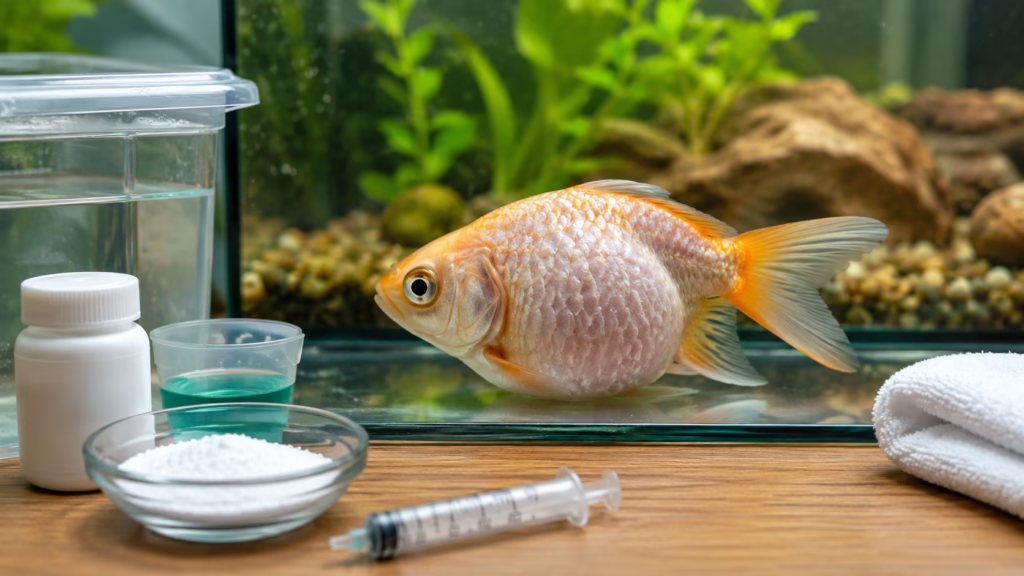
Dropsy is characterized by abnormal fluid accumulation inside a fish’s body, causing swelling, bloating, and the distinctive “pinecone” appearance in which the scales protrude outward. Because dropsy often indicates advanced internal illness, prompt recognition and treatment are critical.
While dropsy can be challenging to treat, recovery is possible when the condition is detected early and appropriate measures are taken. Understanding the causes, symptoms, treatment options, and prevention strategies can significantly improve your fish’s chances of survival.
This comprehensive guide will explain everything you need to know about treating dropsy in fish and maintaining a healthy aquarium environment that minimizes future outbreaks.
Understanding Dropsy in Fish
What Is Dropsy?
Dropsy is a condition that occurs when fluid accumulates within a fish’s body cavity and tissues. The fluid buildup causes visible swelling and often indicates that the fish’s kidneys or other internal organs are no longer functioning properly.
Unlike a specific disease caused by a single pathogen, dropsy is a symptom associated with various underlying health issues. By the time external signs become noticeable, significant internal damage may already have occurred.
The condition affects both freshwater and saltwater fish and can occur in many species, including:
Bettas
Goldfish
Guppies
Tetras
Angelfish
Cichlids
Koi
Discus fish
Why Dropsy Is So Serious
A healthy fish maintains a delicate balance of fluids inside its body. When the kidneys or other organs fail to regulate this balance properly, excess fluid begins accumulating in tissues and body cavities.
As pressure increases inside the body, internal organs become compressed, making it difficult for the fish to breathe, swim, eat, and function normally.
Without intervention, organ failure often progresses rapidly, making dropsy one of the more serious conditions encountered in aquarium fish.
Common Causes of Dropsy
Understanding the underlying cause is essential because successful treatment depends on addressing both the symptoms and the root problem.
Bacterial Infections
One of the most common causes of dropsy is bacterial infection.
Bacteria such as:
Aeromonas species
Pseudomonas species
Mycobacterium species
can infect internal organs, particularly the kidneys, causing inflammation and organ dysfunction.
These bacteria are often naturally present in aquariums but become problematic when fish are stressed or immunocompromised.
Poor Water Quality
Poor water conditions are among the leading contributors to dropsy.
Common water quality problems include:
Elevated ammonia levels
Nitrite spikes
Excessive nitrate accumulation
Inadequate filtration
Low oxygen levels
When fish are continuously exposed to poor water conditions, their immune systems weaken, making them more susceptible to infection.
Chronic Stress
Stress significantly impacts fish health.
Common stressors include:
Overcrowded tanks
Aggressive tank mates
Frequent handling
Sudden temperature changes
Inconsistent water parameters
Excessive noise or vibration near the aquarium
Prolonged stress weakens immune defenses and increases vulnerability to disease.
Poor Nutrition
Nutritional deficiencies can contribute to organ dysfunction and weakened immunity.
Fish fed low-quality diets may struggle to fight infections and maintain healthy organ function.
Internal Parasites
Some parasites can damage internal organs and interfere with fluid regulation, increasing the risk of dropsy.
Genetic Predisposition
Certain fish species appear more susceptible to dropsy than others, particularly fish that have been selectively bred for ornamental traits.
Recognizing the Symptoms of Dropsy
Early detection dramatically improves treatment outcomes.
Swollen Abdomen
One of the earliest signs is abdominal enlargement.
The fish may appear bloated or unusually rounded compared to its normal body shape.
Pineconing Scales
As fluid accumulation worsens, scales begin protruding outward.
When viewed from above, the fish resembles a pinecone.
This symptom is often considered one of the hallmark signs of advanced dropsy.
Lethargy
Affected fish often become inactive and spend long periods resting near the bottom of the tank.
Loss of Appetite
Many fish with dropsy stop eating entirely due to discomfort and internal organ dysfunction.
Difficulty Swimming
Fluid accumulation affects buoyancy and balance.
Fish may:
Swim awkwardly
Drift sideways
Struggle to maintain position
Remain near the surface or bottom
Clamped Fins
The fins may appear tightly held against the body rather than spread naturally.
Pale or Inflamed Gills
Gill changes may indicate secondary infections or reduced oxygen transport.
Color Changes
Some fish develop dull coloration or darkened patches due to stress and illness.
Setting Up a Quarantine Tank
Why Isolation Is Important
Moving the affected fish to a separate quarantine tank provides several benefits.
It:
Reduces exposure to additional stressors
Prevents possible spread of infectious organisms
Allows close monitoring
Facilitates medication administration
Choosing the Right Tank
A quarantine tank should generally hold between 5 and 10 gallons, depending on the fish species and size.
Essential Equipment
The quarantine setup should include:
Heater
Sponge filter
Thermometer
Gentle aeration
Water conditioner
Hiding place for security
The water should closely match the temperature and chemistry of the main aquarium.
Step 1: Epsom Salt Treatment
Why Epsom Salt Helps
Epsom salt contains magnesium sulfate, which acts as an osmotic agent.
It helps draw excess fluid out of tissues and may temporarily reduce swelling.
Recommended Dosage
A common dosage is:
1 tablespoon of Epsom salt per 5 gallons of water
Always dissolve the salt completely before adding it to the aquarium.
Benefits of Epsom Salt
Epsom salt may:
Reduce fluid retention
Relieve pressure on internal organs
Improve comfort
Support kidney function
Although Epsom salt does not cure the underlying infection, it can provide valuable supportive care.
Step 2: Antibiotic Therapy
Why Antibiotics Are Often Necessary
Because bacterial infections are a common cause of dropsy, antibiotics are frequently recommended.
Commonly Used Antibiotics
Aquarium hobbyists often use:
Kanamycin
Kanaplex
Maracyn
Furan-2
Broad-spectrum antibacterial medications
Following Treatment Instructions
Always follow manufacturer guidelines carefully.
Improper dosing may:
Reduce effectiveness
Promote bacterial resistance
Harm beneficial bacteria
Most treatments last between seven and ten days.
Water Changes During Treatment
Regular partial water changes are important to maintain water quality and remove waste products.
Many treatments recommend changing 25% to 50% of the water before each medication dose.
Step 3: Optimize Water Quality
Excellent water quality is one of the most important aspects of treatment.
Monitor Water Parameters Daily
Ideal conditions include:
Ammonia: 0 ppm
Nitrite: 0 ppm
Nitrate: Below 20 ppm
Maintain Stable Temperature
Most tropical fish benefit from temperatures between:
76°F and 82°F (24°C to 28°C)
Stable temperatures support immune function and reduce stress.
Ensure Proper Filtration
A well-maintained filtration system removes toxins and improves water clarity and oxygenation.
Step 4: Provide Nutritional Support
Offer High-Quality Foods
Nutritious foods help support recovery and strengthen immune defenses.
Vitamin-enriched foods may improve immune response and support tissue repair.
Feeding During Illness
If the fish refuses food, avoid overfeeding the aquarium.
Uneaten food quickly degrades water quality.
Monitoring Recovery
Observe Daily
Monitor the fish closely for changes in:
Appetite
Activity level
Swimming behavior
Body swelling
Scale appearance
Signs of Improvement
Positive indicators include:
Reduced swelling
Improved appetite
Increased activity
Normal swimming patterns
Signs of Deterioration
Seek additional guidance if you observe:
Worsening pineconing
Severe lethargy
Complete refusal to eat
Labored breathing
When to Consult an Aquatic Veterinarian
If there is little improvement after seven to ten days of treatment, professional evaluation may be necessary.
An aquatic veterinarian may perform:
Microscopic examinations
Culture testing
Blood analysis
Specialized treatments
Professional intervention is particularly valuable for rare species or valuable breeding stock.
Preventing Future Cases of Dropsy
Quarantine New Fish
Always isolate new arrivals for two to three weeks before introducing them to the main aquarium.
This practice reduces the risk of introducing diseases.
Maintain Excellent Water Quality
Perform regular:
Water changes
Gravel cleaning
Filter maintenance
Water testing
Avoid Overstocking
Overcrowded tanks create stress and increase disease transmission.
Research stocking requirements before adding fish.
Feed a Balanced Diet
Offer varied, species-appropriate foods that meet nutritional requirements.
Minimize Stress
Maintain stable:
Temperature
pH
Lighting schedules
Social compatibility
Reducing stress strengthens immune defenses and lowers disease risk.
Conclusion
Dropsy is one of the most serious conditions that aquarium fish can develop, but it is not necessarily a death sentence. Early recognition, prompt isolation, supportive care, antibiotic treatment, and excellent water quality can significantly improve the chances of recovery.
Because dropsy is often a symptom of deeper health issues, successful treatment requires addressing both the underlying cause and the visible symptoms. Consistent monitoring, proper nutrition, and stress reduction remain essential throughout the recovery process.
Most importantly, prevention is always easier than treatment. By maintaining pristine water conditions, quarantining new fish, providing a balanced diet, and minimizing environmental stress, aquarium owners can greatly reduce the risk of dropsy and help their aquatic pets live healthier, longer lives.
Healthy fish begin with healthy aquariums, and a proactive approach remains the most effective defense against dropsy and other serious diseases.
Disclaimer
This article is for educational purposes only and does not replace professional medical advice, diagnosis, or treatment. Seizures, severe headache, confusion, visual changes, or blood pressure readings in the hypertensive crisis range require urgent medical evaluation.
Fish stops eating completely for more than 48 hours
Laboured breathing or gill discoloration
Sudden death or collapse despite treatment
Multiple fish in the tank show similar symptoms
If your pet collapses, struggles to breathe or is in severe pain, contact an emergency vet straight away.
Frequently asked questions
Can dropsy be cured without antibiotics?
Mild cases may improve with excellent water quality, Epsom‑salt baths and stress reduction, but most dropsy involves bacterial infection that usually requires antibiotics prescribed by a vet for reliable recovery.
How long should I continue Epsom‑salt treatment?
Epsom‑salt baths are typically continued for 5‑7 days, monitoring the fish daily. If swelling does not lessen or the fish worsens, stop the bath and seek veterinary advice.
Is it safe to reuse the same tank after a fish has had dropsy?
Thoroughly clean and disinfect the tank, replace filter media, and perform a full water change before re‑stocking. Maintaining stable, low‑ammonia water helps prevent recurrence.
What water parameters are most important to prevent dropsy?
Keep ammonia and nitrite at 0 ppm, nitrate below 20 ppm, temperature stable for the species, and pH within the normal range. Regular testing and partial water changes are essential.
Doctor of Veterinary Medicine (DVM) who reviews the pet and animal health articles on True Impact Health.
True Impact Health articles are written by our editorial team and based on reliable sources such as public health agencies, clinical guidelines and peer-reviewed research. This article has been checked by a veterinarian on our review panel. Read our editorial process.
This content is for general information and is not a substitute for professional medical advice, diagnosis or treatment.