




















Understanding Type 1 Diabetes: Key Insights and Management Tips
Explore type 1 diabetes, its symptoms, management strategies, and real-life insights to empower your health journey.

Table of Contents
Key Takeaways
- Type 1 diabetes is an autoimmune condition affecting insulin production.
- Early symptoms often include frequent urination and extreme thirst.
- Management involves insulin therapy, diet, and continuous monitoring.
- Education and support are crucial for living well with type 1 diabetes.
Type 1 diabetes is a chronic condition that occurs when the immune system mistakenly attacks and destroys the insulin-producing beta cells in the pancreas. This results in little to no insulin production, leading to elevated blood sugar levels. Unlike type 2 diabetes, which is often related to lifestyle factors, type 1 diabetes is primarily an autoimmune disorder that can develop at any age, though it is commonly diagnosed in children and young adults.
Understanding type 1 diabetes is essential for effective management and living a fulfilling life. This condition requires continuous monitoring and treatment to maintain blood sugar levels within a target range. With advancements in diabetes care and technology, individuals with type 1 diabetes can lead healthy lives, but it also necessitates a strong commitment to self-care and education.
This comprehensive guide will explore the symptoms, diagnosis, treatment options, and lifestyle considerations associated with type 1 diabetes. By gaining a deeper understanding of this condition, individuals and families can take proactive steps toward effective management and improved health outcomes.
What Causes Type 1 Diabetes?
Type 1 diabetes is primarily caused by an autoimmune response that leads to the destruction of insulin-producing beta cells in the pancreas. The exact trigger for this autoimmune reaction is not fully understood, but several factors may contribute:
- Genetic Predisposition: Family history of autoimmune diseases can increase the risk of developing type 1 diabetes.
- Environmental Triggers: Certain viral infections, such as Coxsackievirus, have been associated with the onset of type 1 diabetes in genetically susceptible individuals.
- Immune System Dysfunction: An overactive immune response may mistakenly target and destroy beta cells.
Understanding these potential causes can help individuals and families recognize the importance of monitoring for early signs of the condition, especially in children who may exhibit symptoms.
Symptoms of Type 1 Diabetes
The symptoms of type 1 diabetes can develop rapidly and may vary from person to person. Common early symptoms include:
- Frequent Urination: Increased urination is often a result of high blood sugar levels, which cause the kidneys to work harder to filter out excess glucose.
- Extreme Thirst: As the body loses fluids through frequent urination, dehydration can lead to an insatiable thirst.
- Unexplained Weight Loss: The body may begin to break down muscle and fat for energy due to the inability to use glucose properly.
- Fatigue: Lack of insulin prevents glucose from entering cells, leading to low energy levels.
- Blurred Vision: High blood sugar can cause fluid to be pulled from the lenses of the eyes, affecting vision.
If you or someone you know experiences these symptoms, it is crucial to seek medical attention promptly. Early diagnosis and intervention can prevent serious complications.

Diagnosis of Type 1 Diabetes
Diagnosing type 1 diabetes typically involves several tests that assess blood glucose levels. Common diagnostic tests include:
- Fasting Plasma Glucose Test: Measures blood sugar after fasting for at least eight hours. A reading of 126 mg/dL (7.0 mmol/L) or higher indicates diabetes.
- Random Plasma Glucose Test: A blood sample is taken at any time, regardless of when the person last ate. A reading of 200 mg/dL (11.1 mmol/L) or higher suggests diabetes.
- Hemoglobin A1c Test: This test provides an average blood sugar level over the past two to three months. An A1c of 6.5% or higher indicates diabetes.
Once diagnosed, healthcare providers will work with individuals to develop a personalized management plan that includes insulin therapy, dietary guidance, and regular monitoring.
Managing Type 1 Diabetes
Effective management of type 1 diabetes is essential to maintain optimal blood sugar levels and prevent complications. Key components of management include:
Insulin Therapy
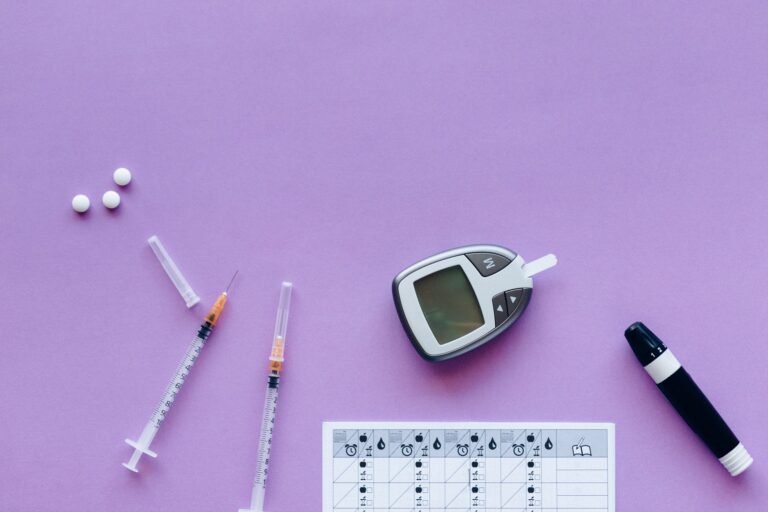
Individuals with type 1 diabetes require insulin therapy to replace the insulin their bodies do not produce. Types of insulin include:
- Rapid-Acting Insulin: Starts working within minutes and is used to control blood sugar during meals.
- Short-Acting Insulin: Takes longer to start working but lasts longer than rapid-acting insulin.
- Long-Acting Insulin: Provides a steady release of insulin over an extended period, typically used for basal control.
Individuals may use a combination of these insulins to manage their blood sugar levels effectively.
Monitoring Blood Sugar
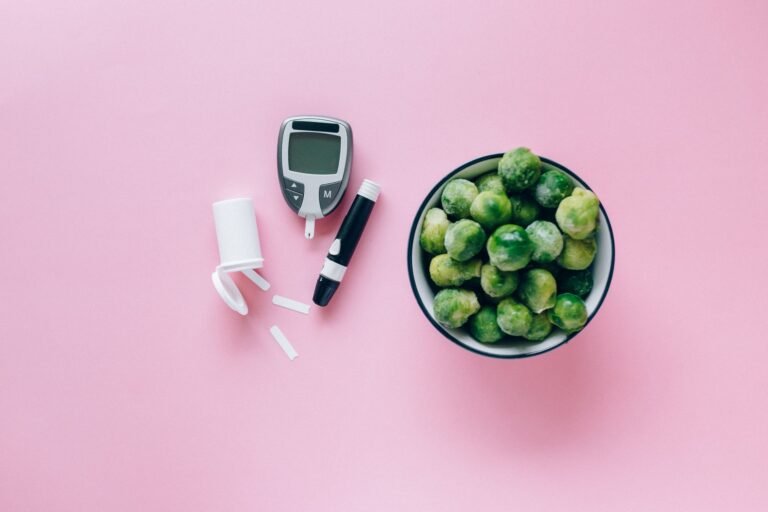
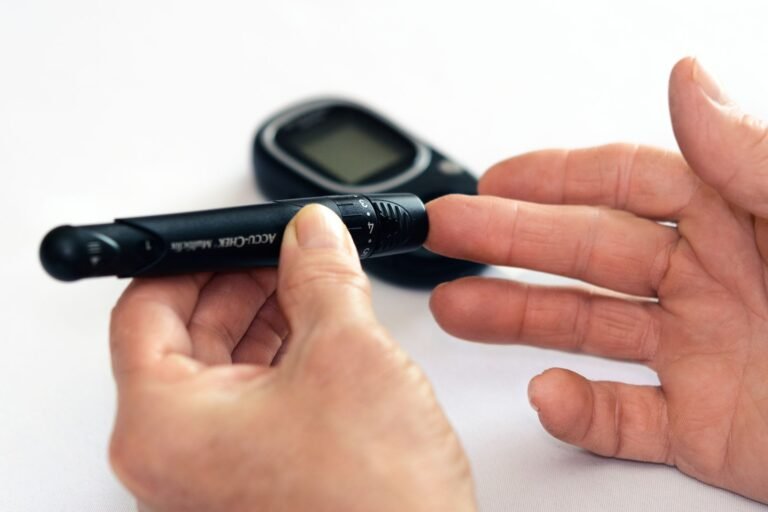
Regular blood sugar monitoring is vital for managing type 1 diabetes. Tools such as glucose meters and continuous glucose monitors (CGMs) help individuals track their blood sugar levels throughout the day. Key points include:
- Testing before meals and bedtime can help determine insulin doses.
- Keeping a log of blood sugar readings can identify patterns and triggers.
- Adjustments to diet, exercise, and insulin may be necessary based on blood sugar trends.
Diet and Nutrition
A balanced diet plays a crucial role in managing type 1 diabetes. Individuals should focus on:
- Carbohydrate Counting: Understanding how carbohydrates affect blood sugar levels helps individuals make informed food choices.
- Balanced Meals: Incorporating a variety of foods, including lean proteins, healthy fats, and fiber-rich vegetables, can stabilize blood sugar levels.
- Meal Timing: Eating regular meals and snacks can prevent extreme fluctuations in blood sugar.
Consulting with a registered dietitian can provide personalized dietary advice tailored to individual needs and preferences.
Real-Life Example: Managing Type 1 Diabetes
Consider a young woman named Sarah, who was diagnosed with type 1 diabetes at age 12. At first, she felt overwhelmed by the daily demands of managing her condition, including insulin injections and monitoring her blood sugar. However, with support from her family and healthcare team, she learned to embrace her new routine.
Sarah started attending a local diabetes support group where she connected with others facing similar challenges. This community provided her with practical tips, emotional support, and the motivation to stay active. She began incorporating regular exercise into her life, which not only improved her overall health but also helped her manage her blood sugar levels more effectively.
Today, Sarah confidently manages her type 1 diabetes, navigating challenges with a proactive mindset and a strong support network. Her journey highlights the importance of education, community support, and self-advocacy in living well with type 1 diabetes.

Potential Complications of Type 1 Diabetes
While effective management can significantly reduce the risk of complications, individuals with type 1 diabetes are at increased risk for several long-term health issues:
- Cardiovascular Disease: High blood sugar levels can damage blood vessels, increasing the risk of heart disease and stroke.
- Nerve Damage (Neuropathy): Prolonged high blood sugar can damage nerves, leading to pain, tingling, or loss of sensation.
- Kidney Damage (Nephropathy): Diabetes can affect kidney function, potentially leading to kidney failure.
- Eye Damage (Retinopathy): High blood sugar levels can damage blood vessels in the eyes, increasing the risk of vision loss.
Regular check-ups and screenings for potential complications are crucial for early detection and intervention.
Innovative Technologies for Diabetes Management
Continuous Glucose Monitoring (CGM)
Continuous glucose monitoring (CGM) systems have revolutionized the management of Type 1 diabetes by providing real-time data about blood glucose levels. Unlike traditional methods that require fingerstick testing, CGMs use a small sensor placed under the skin to measure glucose levels continuously. This technology allows individuals to see trends in their glucose levels, making it easier to make informed decisions about insulin dosing and lifestyle choices.
CGMs also offer alerts for high or low glucose levels, helping users respond quickly to prevent emergencies. The data collected can be shared with healthcare providers, allowing for more personalized treatment plans. Integrating CGM into daily life can significantly reduce the burden of diabetes management and improve overall glycemic control.
- Real-time glucose monitoring
- Alerts for high and low glucose levels
- Data sharing with healthcare providers
Insulin Delivery Systems
Advancements in insulin delivery systems, such as insulin pumps and smart pens, have enhanced the convenience and precision of insulin administration. Insulin pumps deliver a continuous supply of insulin through a small device attached to the body, allowing for better control over blood sugar levels. Users can program their pumps to deliver basal insulin and bolus doses based on their carbohydrate intake and physical activity, resulting in more stable glucose levels.
Smart insulin pens are another innovation, equipped with features that track doses and timing. Some models can even connect to mobile apps, providing users with data insights and reminders for their insulin usage. These systems make it easier for individuals to manage their diabetes without the need for multiple daily injections.
- Continuous insulin delivery with pumps
- Smart pens for tracking doses
- Improved glucose control and convenience
Telehealth and Remote Monitoring
Telehealth services have gained prominence in diabetes care, especially as they allow patients to connect with healthcare professionals without the need for in-person visits. This accessibility is particularly beneficial for those living in remote areas or those with mobility issues. Through telehealth, individuals can receive consultations, adjust treatment plans, and discuss management strategies from the comfort of their homes.
Remote monitoring tools, including mobile apps and wearable devices, can track various health metrics, including blood glucose levels, physical activity, and dietary habits. These tools can enhance patient engagement and provide healthcare providers with valuable data to tailor treatment approaches. The integration of telehealth and remote monitoring represents a significant shift towards more personalized and effective diabetes management.
- Access to healthcare professionals from home
- Monitoring of health metrics
- Personalized treatment adjustments

Emotional and Psychological Aspects of Living with Type 1 Diabetes
The Psychological Impact of Diabetes
Living with Type 1 diabetes can take a toll on mental health, leading to feelings of anxiety, stress, and depression. The constant need to monitor blood glucose levels, administer insulin, and make dietary choices can be overwhelming. This emotional burden is often compounded by the fear of complications and the stigma associated with diabetes.
Recognizing the psychological impact is crucial for effective diabetes management. Individuals may benefit from seeking support from mental health professionals who understand chronic illness. Cognitive behavioral therapy (CBT) has been shown to help individuals develop coping strategies for managing the emotional challenges associated with diabetes.
- Increased risk of anxiety and depression
- Importance of mental health support
- CBT as a beneficial treatment option
Building a Support Network
A strong support network can greatly improve the quality of life for individuals with Type 1 diabetes. Having a team of supportive friends, family, and healthcare providers can provide emotional support, practical assistance, and encouragement. Support groups, both in-person and online, can also be beneficial, allowing individuals to connect with others facing similar challenges.
Sharing experiences, tips, and coping strategies can foster a sense of community and reduce feelings of isolation. It is essential for individuals to communicate their needs and seek out support from those who understand the complexities of living with diabetes.
- Importance of family and friends
- Benefits of joining support groups
- Encouragement through shared experiences
Developing Coping Strategies
Effective coping strategies can help individuals navigate the daily challenges of managing Type 1 diabetes. Mindfulness and stress reduction techniques, such as meditation and yoga, can promote emotional well-being and help reduce anxiety. Additionally, maintaining a balanced lifestyle that includes regular physical activity can have positive effects on both physical and mental health.
Establishing routines for monitoring blood glucose and administering insulin can also provide a sense of control. Setting realistic goals and celebrating small victories can boost motivation and improve self-efficacy. Engaging in hobbies and social activities can further enhance the quality of life and provide a positive distraction from diabetes management.
- Mindfulness and stress reduction techniques
- Establishing routines for diabetes management
- Engaging in hobbies and social activities
Nutritional Considerations for Type 1 Diabetes
Understanding Carbohydrate Counting
Carbohydrate counting is a vital skill for individuals with Type 1 diabetes, as carbohydrates have the most significant impact on blood glucose levels. By learning to count carbohydrates, individuals can better match their insulin doses with their food intake, leading to more stable blood sugar levels. This practice requires understanding food labels, portion sizes, and the carbohydrate content of various foods.
There are several resources available, including mobile apps and carbohydrate counting books, that can assist individuals in this process. Additionally, working with a registered dietitian can help develop personalized meal plans that consider personal preferences and lifestyle.
- Importance of carbohydrate counting
- Resources for learning carbohydrate content
- Working with dietitians for meal planning
The Role of Glycemic Index
The glycemic index (GI) is a valuable tool for managing blood glucose levels. Foods with a low GI are digested and absorbed more slowly, leading to a gradual rise in blood sugar levels. Incorporating low-GI foods into the diet can help maintain stable glucose levels and reduce the risk of spikes. Examples of low-GI foods include whole grains, legumes, and non-starchy vegetables.
Conversely, high-GI foods can cause rapid increases in blood sugar. It’s essential for individuals with Type 1 diabetes to be mindful of their food choices and aim for a balanced diet that includes a variety of nutrient-dense foods. Understanding the glycemic index can empower individuals to make healthier food choices.
- Low GI foods for stable glucose levels
- High GI foods to limit
- Importance of a balanced diet
Meal Timing and Frequency
Meal timing and frequency play an essential role in managing Type 1 diabetes. Regular meal patterns can help maintain stable blood glucose levels and prevent extreme fluctuations. Individuals should aim to eat balanced meals at consistent times, incorporating a mix of carbohydrates, proteins, and healthy fats.
Additionally, understanding the impact of physical activity on insulin sensitivity can inform meal timing. For example, consuming carbohydrates before exercise can help prevent hypoglycemia. It is also important to avoid skipping meals, as this can lead to unpredictable blood sugar levels. Tailoring meal timing to individual routines and activity levels can enhance overall diabetes management.
- Regular meal patterns for stability
- Impact of exercise on meal timing
- Importance of balanced meals
For more information, see MedlinePlus.
Frequently Asked Questions
What is the difference between type 1 and type 2 diabetes?
Type 1 diabetes is an autoimmune condition where the body does not produce insulin, while type 2 diabetes is often related to insulin resistance and can sometimes be managed with lifestyle changes.
Can type 1 diabetes be cured?
Currently, there is no cure for type 1 diabetes. However, ongoing research is exploring potential treatments and therapies to improve insulin production and management.
How does exercise affect blood sugar levels in type 1 diabetes?
Exercise can lower blood sugar levels by increasing insulin sensitivity. However, individuals need to monitor their levels closely before, during, and after physical activity to prevent hypoglycemia.
What should I do if my blood sugar is too low?
If blood sugar levels drop below 70 mg/dL, consume fast-acting carbohydrates such as glucose tablets, fruit juice, or candy. Recheck blood sugar levels after 15 minutes and seek medical help if symptoms persist.
The Bottom Line
Type 1 diabetes is a complex condition that requires diligent management and a supportive approach. Understanding its causes, symptoms, and treatment options can empower individuals and families to navigate the challenges of this chronic illness. With ongoing education, tailored management strategies, and a supportive community, living well with type 1 diabetes is achievable.
Was this page helpful?
Thanks for your feedback! What could we improve?
Thank you! Your feedback helps us improve our articles.
True Impact Health articles are written by our editorial team and based on reliable sources such as public health agencies, clinical guidelines and peer-reviewed research. This article has not yet been medically reviewed. Read our editorial process.
This content is for general information and is not a substitute for professional medical advice, diagnosis or treatment.