
















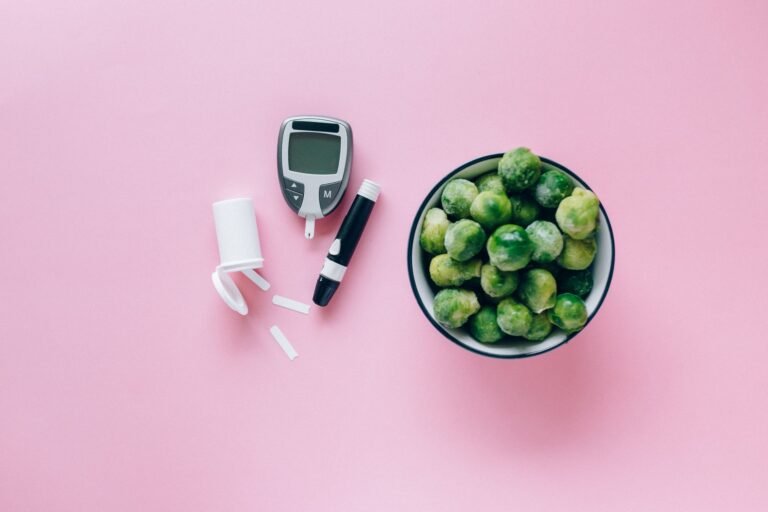





Exercise and Diabetes: How Physical Activity Matters
Discover how exercise and diabetes are interconnected, and learn practical ways to incorporate physical activity into your routine for better health.

Table of Contents
Key Takeaways
- Exercise improves insulin sensitivity.
- Regular physical activity helps manage blood sugar levels.
- Different types of exercise offer unique benefits.
- Consult a healthcare professional before starting any new exercise program.
Exercise is a critical component in the management of diabetes, a condition that affects millions of people worldwide. It not only helps in controlling blood sugar levels but also promotes overall health and well-being. Understanding the relationship between exercise and diabetes can empower individuals to take charge of their health through informed choices.
In this guide, we will explore the various ways exercise impacts diabetes management, types of exercises beneficial for those with diabetes, practical tips for incorporating physical activity into daily routines, and cautionary notes for safe exercise practices.
Whether you are newly diagnosed or have been managing diabetes for years, this comprehensive overview can help you harness the power of exercise in your health journey.
Understanding Diabetes and Its Impact
Diabetes is a chronic condition characterized by elevated blood sugar levels due to either insufficient insulin production or the body’s inability to utilize insulin effectively. There are two primary types of diabetes: Type 1 and Type 2. Type 1 diabetes is an autoimmune disorder where the pancreas produces little or no insulin. Type 2 diabetes, the more common form, is often linked to lifestyle factors such as obesity, inactivity, and poor diet.
Managing diabetes involves a combination of medication, diet, and lifestyle changes. Regular physical activity is a cornerstone of effective diabetes management, as it can significantly influence insulin sensitivity and blood glucose levels.
Exercise aids in the utilization of glucose by muscles, helping to lower blood sugar levels. Additionally, it can reduce the risk of complications associated with diabetes, including cardiovascular disease, nerve damage, and kidney problems.
The Benefits of Exercise for Diabetes Management
Engaging in regular physical activity provides numerous benefits for individuals with diabetes:
- Improved Insulin Sensitivity: Exercise helps the body use insulin more effectively, lowering blood sugar levels. This is particularly important for those with Type 2 diabetes.
- Weight Management: Regular exercise can assist in weight loss or maintenance, reducing the risk of developing further complications related to diabetes.
- Enhanced Cardiovascular Health: Physical activity strengthens the heart and improves circulation, lowering the risk of heart disease, a common concern for those with diabetes.
- Better Mood and Mental Health: Exercise releases endorphins, which can boost mood and reduce feelings of anxiety and depression, often experienced by those managing chronic conditions.

Types of Exercises Beneficial for Diabetes
Different types of exercise can provide unique benefits for managing diabetes. Here’s a closer look at each:
Aerobic Exercise
Aerobic exercises, such as walking, jogging, swimming, and cycling, are essential for improving cardiovascular health and overall fitness. Aim for at least 150 minutes of moderate-intensity aerobic activity each week. This can be broken down into manageable sessions throughout the week.
Strength Training
Incorporating strength training into your routine helps build muscle mass, which can improve insulin sensitivity. Activities can include weight lifting, resistance band exercises, or body-weight workouts. It is recommended to engage in strength training at least twice a week.
Flexibility and Balance Exercises
In addition to aerobic and strength training, flexibility and balance exercises are crucial, especially for older adults or those with mobility issues. Yoga, stretching, and Tai Chi can improve balance, flexibility, and overall well-being.
Creating a Sustainable Exercise Routine
Starting and maintaining an exercise routine can be a challenge, especially for those new to physical activity. Here are practical steps to help you develop a sustainable exercise plan:
- Set Realistic Goals: Begin with small, achievable goals that gradually increase in intensity and duration. For example, start with 10-15 minutes of activity per day and build from there.
- Choose Activities You Enjoy: Finding physical activities that you enjoy can make it easier to stick with your routine. Consider group classes, dancing, or outdoor activities that appeal to you.
- Schedule Your Workouts: Treat your exercise sessions like important appointments. Schedule them into your calendar to ensure you allocate time for physical activity.
- Track Your Progress: Keeping a journal or using fitness apps can help you monitor your progress and stay motivated.
Safety Considerations When Exercising with Diabetes
While exercise is beneficial, individuals with diabetes should take specific precautions to ensure safety:
- Monitor Blood Sugar Levels: Check blood sugar levels before, during, and after exercise, especially if you take insulin or other medications that lower blood sugar.
- Stay Hydrated: Drink plenty of water before, during, and after workouts to prevent dehydration.
- Wear Appropriate Footwear: Proper footwear is crucial to prevent blisters and injuries, particularly for those with neuropathy or poor circulation.
- Listen to Your Body: Pay attention to how you feel during exercise. If you experience unusual symptoms such as dizziness, fatigue, or excessive sweating, stop and consult a healthcare professional.
Real-Life Example: John’s Journey to Better Health
Consider the story of John, a 54-year-old man recently diagnosed with Type 2 diabetes. Initially overwhelmed, he decided to take control of his health by incorporating exercise into his daily routine. John started walking 20 minutes a day and gradually added cycling and strength training sessions.
Within a few months, John noticed significant improvements. His blood sugar levels stabilized, he lost weight, and he felt more energetic. By sticking to his routine and making exercise an enjoyable part of his life, John found that managing his diabetes became more manageable.

Understanding the Role of Nutrition in Conjunction with Exercise
How Nutrition Affects Blood Sugar Levels
Nutrition is a vital component of diabetes management. The foods you consume directly impact your blood sugar levels, making it essential to monitor your diet closely. Carbohydrates, for instance, have the most significant effect on blood glucose levels. Understanding the glycemic index (GI) of foods can help you choose options that cause a slower, more gradual rise in blood sugar.
In addition to carbohydrates, protein and fats also play a role in managing blood sugar. Healthy fats can improve insulin sensitivity, while protein helps maintain muscle mass and can prevent spikes in blood sugar when consumed with carbohydrates. Therefore, a balanced diet that includes a variety of nutrients is crucial for people with diabetes.
- Focus on whole foods: Incorporate fruits, vegetables, whole grains, lean proteins, and healthy fats into your meals.
- Monitor portion sizes: Keeping an eye on serving sizes helps regulate calorie intake and blood sugar levels.
- Stay hydrated: Drinking water can help maintain hydration and support metabolic processes.
Timing of Meals and Exercise
Strategic meal timing can enhance the benefits of exercise for those with diabetes. Eating a balanced meal or snack before physical activity can provide the necessary energy for workouts, while post-exercise meals can aid in recovery and blood sugar stabilization. It’s essential to find a routine that works for your body and daily schedule.
For many individuals, consuming a small carbohydrate-rich snack about 30 minutes before exercising can help prevent hypoglycemia (low blood sugar). After exercising, a meal containing both protein and carbohydrates can help replenish glycogen stores and promote muscle recovery. Monitoring blood sugar levels before and after exercise can provide valuable insights into how your body reacts to different timing and food combinations.
- Pre-exercise snack options: Whole-grain toast with avocado, Greek yogurt with berries, or a banana with peanut butter.
- Post-exercise meal ideas: Grilled chicken with quinoa and vegetables, a smoothie with protein powder, or an omelet with spinach and whole-grain bread.
- Blood sugar monitoring: Check levels before exercise, immediately afterward, and a few hours post-workout to understand your response.
Incorporating Mindfulness and Stress Management into Your Routine
The Connection Between Stress and Blood Sugar Control
Stress can significantly impact blood sugar levels. When you’re stressed, the body releases hormones like cortisol and adrenaline, which can raise blood sugar levels. Learning to manage stress through mindfulness and relaxation techniques can be beneficial for diabetes control.
Incorporating mindfulness practices such as meditation, yoga, or deep-breathing exercises can help reduce stress and improve overall well-being. These techniques can enhance your body’s ability to respond to physical activity and improve your insulin sensitivity, contributing to better blood sugar management.
- Mindfulness techniques to consider: Meditation, guided imagery, progressive muscle relaxation, and mindful breathing.
- Stress-reducing activities: Gardening, reading, listening to music, or engaging in hobbies you enjoy.
- Yoga poses for relaxation: Child’s pose, downward dog, and savasana are great for calming the mind and body.
Setting Realistic Goals for Mental and Physical Health
Setting achievable goals is crucial for maintaining motivation in both physical activity and stress management. Establishing specific, measurable, attainable, relevant, and time-bound (SMART) goals can help you stay on track with your diabetes management plan. Instead of aiming for drastic changes, focus on small, incremental improvements.
For instance, if your goal is to exercise more, start by committing to a 15-minute walk three times a week. Once that feels manageable, gradually increase the duration or frequency. Similarly, if you’re starting a mindfulness practice, try dedicating just five minutes a day to meditation, then slowly increase the time as you become more comfortable.
- Examples of SMART goals:
- Walk for 30 minutes, five times a week, for the next month.
- Practice mindfulness meditation for 10 minutes every morning for four weeks.
- Prepare one new healthy recipe each week to diversify your diet.
Building a Support System for Diabetes Management
The Importance of Community and Social Support
Having a solid support system can make a significant difference in managing diabetes. Social support from friends, family, or diabetes support groups can help you stay motivated and accountable in your exercise and nutrition efforts. Sharing experiences and challenges with others can foster a sense of belonging and reduce feelings of isolation.
Engaging with local diabetes organizations or online forums can provide additional resources and information. Many groups offer educational workshops, exercise classes, and opportunities to connect with others facing similar challenges. Building a network of support can enhance your motivation and provide encouragement during difficult times.
- Ways to build your support network:
- Join a local or online diabetes support group.
- Involve family members in your exercise routine or meal planning.
- Attend community events focused on health and wellness.
Engaging Healthcare Professionals
Collaborating with healthcare professionals, such as registered dietitians, certified diabetes educators, and fitness trainers, can provide personalized guidance in your diabetes management journey. These experts can help tailor your exercise and nutrition plans to meet your specific needs and goals.
Regular check-ins with your healthcare team can help track your progress and make necessary adjustments to your management plan. They can also provide valuable education about diabetes, ensuring you have the knowledge and tools needed to make informed decisions regarding your health.
- Questions to ask your healthcare team:
- What types of exercise are safest for my condition?
- How can I adjust my meal plan to better support my exercise routine?
- What resources are available to help me stay motivated and on track?
Monitoring Blood Sugar Levels During Exercise
The Importance of Pre-Exercise Monitoring
Before engaging in physical activity, individuals with diabetes should check their blood sugar levels. This step is crucial, as exercise can impact glucose levels significantly. If blood sugar is too low, individuals may need to consume a carbohydrate-rich snack to avoid hypoglycemia during exercise. A good practice is to check blood sugar levels about 30 minutes prior to starting any workout.
Post-Exercise Blood Sugar Monitoring
Post-workout, it’s equally important to monitor blood glucose levels. Exercise can continue to affect insulin sensitivity for several hours, meaning blood sugar levels may drop after physical activity is completed. Regularly checking levels post-exercise helps to ensure that they remain within a safe range and allows for adjustments in food intake or medication as necessary.
Signs of Blood Sugar Imbalance
- Dizziness or lightheadedness
- Excessive sweating
- Rapid heartbeat
- Confusion or difficulty concentrating
- Extreme fatigue
Recognizing these signs early can help prevent severe complications related to blood sugar imbalances.

Choosing the Right Time for Exercise
Morning vs. Evening Workouts
The timing of exercise can influence blood sugar control and overall effectiveness. Morning workouts may help lower blood sugar levels throughout the day due to increased insulin sensitivity. Conversely, evening workouts can be beneficial for those who experience higher blood sugar levels in the morning.
Impact of Routine Changes
Life events or changes in routine can affect the optimal time for exercise. Individuals may find that weekends or holidays require adjustments, as schedules can become more flexible or unpredictable. Being adaptable in workout timing can help maintain consistency in exercise habits.
Listening to Your Body
Understanding personal energy levels is vital. Some individuals may feel more energetic in the morning, while others may prefer evening workouts. Paying attention to how your body responds to exercise at different times can enhance motivation and performance.
The Role of Technology in Exercise Management
Wearable Fitness Trackers
Fitness trackers can provide valuable insights into physical activity levels, heart rate, and calories burned. Many of these devices also allow users to monitor their blood sugar levels, giving a comprehensive overview of their health status during exercise.
Mobile Apps for Tracking Progress
Various mobile applications are available to help manage diabetes and track exercise. These apps can log workouts, monitor dietary intake, and even remind users to check their blood sugar levels, making it easier to stay on top of health goals.
Online Communities and Support
Engaging with online communities can offer motivation and support for exercising with diabetes. Many platforms provide forums where individuals can share experiences, challenges, and success stories, fostering a sense of belonging and encouragement.
For more information, see NIH.
Frequently Asked Questions
How often should I exercise if I have diabetes?
It is generally recommended to aim for at least 150 minutes of moderate-intensity aerobic activity per week, combined with strength training exercises at least twice a week.
Can I exercise if my blood sugar is too high?
Exercising with high blood sugar (over 250 mg/dL) can be risky. It’s best to check with your healthcare provider before engaging in physical activity under these circumstances.
What types of exercises should I avoid?
High-impact activities or exercises with a high risk of injury should be approached with caution. Always consult with a healthcare professional for personalized advice.
How can I stay motivated to exercise regularly?
Setting realistic goals, tracking progress, finding activities you enjoy, and working out with a friend can help maintain motivation over time.
The Bottom Line
Exercise plays a vital role in managing diabetes, offering numerous benefits such as improved insulin sensitivity, weight management, and enhanced mood. By incorporating a mix of aerobic, strength, and flexibility exercises into a routine, individuals with diabetes can significantly improve their overall health and quality of life. Always consult with a healthcare professional before starting any new exercise program to ensure safety and effectiveness.
Was this page helpful?
Thanks for your feedback! What could we improve?
Thank you! Your feedback helps us improve our articles.
True Impact Health articles are written by our editorial team and based on reliable sources such as public health agencies, clinical guidelines and peer-reviewed research. This article has not yet been medically reviewed. Read our editorial process.
This content is for general information and is not a substitute for professional medical advice, diagnosis or treatment.