





















How to Improve Sleep Quality: Effective Strategies for Restful Nights
Discover practical ways on how to improve sleep quality for better health and well-being. Learn tips, techniques, and lifestyle changes today.

Table of Contents
Key Takeaways
- Establish a consistent sleep schedule.
- Create a comfortable sleep environment.
- Limit screen time before bed.
Understanding Sleep Quality
Sleep is essential for overall health and well-being. Many people underestimate the impact of sleep quality on their physical health, mental clarity, and emotional stability. Sleep quality refers not just to how long one sleeps, but more importantly, to how restorative that sleep is. Factors like sleep duration, sleep depth, and interruptions all contribute to overall sleep quality.
Inadequate sleep can lead to a range of health issues, including weakened immune function, increased stress levels, and even chronic conditions such as obesity and heart disease. Therefore, learning how to improve sleep quality is crucial for everyone, regardless of age or lifestyle.
Improving sleep quality can feel overwhelming, especially if you are facing sleep disorders or chronic insomnia. However, there are several practical steps you can take to enhance your nightly rest. This guide will explore effective strategies for better sleep quality, ranging from environmental adjustments to lifestyle changes.
Establishing a Sleep Schedule
Consistency is key to improving sleep quality. Establishing a regular sleep schedule helps regulate your body’s internal clock, making it easier to fall asleep and wake up naturally. Aim to go to bed and wake up at the same times every day, even on weekends.
Here are some tips for creating a sleep schedule:
- Set a Fixed Bedtime: Choose a bedtime that allows for at least 7 to 9 hours of sleep. Stick to this time every night.
- Wake Up at the Same Time: Try to get up at the same time each morning, even if you didn’t sleep well the night before.
- Avoid Napping Late: If you need to nap, do so in the early afternoon and limit it to 20-30 minutes.
For example, if you decide to go to bed at 10 PM, aim to wake up at 6 AM. This consistency trains your body to expect sleep at those times, leading to more restful nights.

Creating a Comfortable Sleep Environment
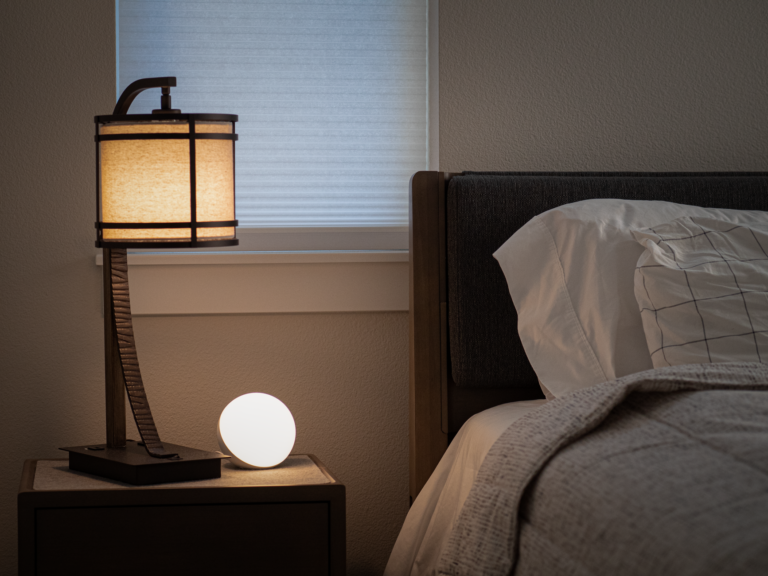
Your sleep environment plays a significant role in how well you sleep. A comfortable, dark, and quiet room can greatly enhance sleep quality. Here are some aspects to consider:
Temperature: Keep your bedroom cool, ideally between 60-67 degrees Fahrenheit. This temperature range is associated with optimal sleep.
Light: Minimize exposure to light during the night. Use blackout curtains or an eye mask to block out any disruptive light sources. Consider using a night light if you need some illumination.
Noise: Reduce noise disturbances. If you live in a noisy area, consider using earplugs or a white noise machine to drown out disruptive sounds.
Additionally, keep your bedroom tidy and clutter-free. A calm and organized space can help your mind relax, making it easier to drift off to sleep.
Limiting Screen Time Before Bed
The blue light emitted from screens on phones, tablets, and computers can interfere with your body’s production of melatonin, the hormone that regulates sleep. Limiting screen time before bed is an essential strategy for improving sleep quality.
Here are some practical suggestions:
- Establish a Digital Curfew: Set a time, ideally one hour before bed, when you will put away all screens.
- Engage in Relaxing Activities: Instead of scrolling through social media, consider reading a book, practicing meditation, or doing gentle stretches.
- Use Blue Light Filters: If you must use screens at night, consider using blue light blocking glasses or enable the “night mode” feature on your devices.
By reducing exposure to screens, you might find it easier to relax and prepare for sleep.
Incorporating Relaxation Techniques
Incorporating relaxation techniques into your bedtime routine can significantly enhance sleep quality. These techniques help calm your mind and prepare your body for rest. Some effective methods include:
Deep Breathing: Practice deep breathing exercises by inhaling deeply through your nose, holding for a few seconds, and exhaling slowly through your mouth. This can help reduce anxiety and promote relaxation.
Progressive Muscle Relaxation: This technique involves tensing and then relaxing each muscle group in your body, starting from your toes and working your way up. This method can help release physical tension and promote a state of calm.
Meditation or Mindfulness: Spend a few minutes practicing mindfulness or meditation before bed. Focus on your breath or visualize a peaceful scene, allowing your thoughts to drift away.
Mindful Eating and Drinking
Your diet can impact your sleep quality. What you consume in the hours leading up to bedtime can either facilitate restful sleep or disrupt it. Here are some tips related to mindful eating and drinking:
- Avoid Heavy Meals: Try not to eat large meals within two to three hours of bedtime. Heavy foods can lead to discomfort and indigestion, interfering with sleep.
- Limit Caffeine and Alcohol: Caffeine can stay in your system for several hours, so avoid consuming it in the afternoon and evening. While alcohol might make you feel drowsy initially, it can disrupt your sleep cycle later in the night.
- Hydrate Wisely: Stay hydrated throughout the day but reduce fluid intake close to bedtime to minimize nighttime bathroom trips.
For example, opt for a light snack like yogurt or a banana if you’re hungry before bed, as these foods can promote sleep without causing discomfort.

Physical Activity and Sleep Quality
Regular physical activity is known to enhance sleep quality. Exercise can help reduce stress and anxiety, making it easier to relax and fall asleep. However, the timing of your workouts matters:
- Exercise Timing: Engage in physical activity during the day. Morning or early afternoon workouts can help regulate your sleep cycle. If you prefer evening exercise, aim to finish at least a few hours before bedtime.
- Types of Exercise: Incorporate a mix of aerobic exercise, strength training, and flexibility workouts into your routine. Even low-impact activities like walking or yoga can be beneficial.
- Consistency: Aim for at least 150 minutes of moderate aerobic activity each week, along with muscle-strengthening activities on two or more days.
An example might be taking a brisk walk after dinner to help digest your meal and signal to your body that it’s time to wind down for the night.
Seeking Professional Help
If you have tried various strategies and still struggle with sleep quality, it may be time to seek professional help. Sleep disorders such as insomnia, sleep apnea, and restless leg syndrome can significantly impact your life and require specialized treatment.
Consulting a healthcare provider can help identify any underlying issues affecting your sleep. They may suggest:
- Sleep Studies: These tests can monitor your sleep patterns and identify any disorders.
- Cognitive Behavioral Therapy for Insomnia (CBT-I): This is a structured program that helps address the thoughts and behaviors that contribute to sleep issues.
- Medications: In some cases, a doctor may prescribe medication as a short-term solution while working on long-term strategies.
Addressing sleep problems early can help prevent more serious health issues down the line.
Utilizing Aromatherapy for Better Sleep
The Science Behind Scent and Sleep
Aromatherapy is the practice of using essential oils extracted from plants for therapeutic benefits, including improved sleep quality. Research suggests that certain scents can influence brain activity, leading to relaxation and a sense of calm. For instance, lavender is often cited for its sleep-promoting properties, as it can reduce anxiety and enhance slow-wave sleep. Incorporating these scents into your bedtime routine can create an environment conducive to a restful night.
How to Use Essential Oils
There are several effective methods for incorporating essential oils into your sleep routine:
- Diffuser: Use an essential oil diffuser in your bedroom to disperse calming scents throughout the night.
- Pillow Spray: Mix a few drops of essential oil with water in a spray bottle and lightly mist your pillow before bedtime.
- Bath Soak: Add a few drops of essential oils to your bath water as part of a relaxing pre-sleep ritual.
Choosing high-quality essential oils is crucial, as synthetic fragrances may not offer the same benefits. Always ensure that the oils are pure and safe for topical use if you decide to apply them directly to your skin.
Combining Aromatherapy with Other Sleep Strategies
Aromatherapy can be most effective when used alongside other sleep improvement strategies. For example, pairing calming scents with relaxation techniques such as deep breathing or meditation can enhance their soothing effects. Additionally, consider combining aromatherapy with a consistent sleep schedule to create a comprehensive approach to better sleep quality.

The Role of Sleep Hygiene in Quality Sleep
Defining Sleep Hygiene
Sleep hygiene refers to a set of practices and habits that promote consistent, uninterrupted sleep. It encompasses various aspects of your daily routine, from the time you wake up to when you go to bed. Maintaining good sleep hygiene can significantly improve your sleep quality, making you feel more rested and rejuvenated each day.
Key Sleep Hygiene Practices
To enhance your sleep hygiene, consider implementing the following practices:
- Maintain a Consistent Sleep Environment: Keep your bedroom cool, dark, and quiet. Consider blackout curtains and white noise machines to block out disturbances.
- Limit Caffeine and Nicotine: Avoid stimulants in the hours leading up to bedtime, as they can interfere with your ability to fall asleep.
- Establish a Wind-Down Routine: Develop a relaxing pre-sleep ritual that signals to your body it’s time to wind down. This could include reading, meditating, or gentle stretching.
Implementing these practices consistently can help train your body to recognize when it is time to sleep, ultimately leading to improved sleep quality over time.
Assessing Your Sleep Hygiene
It can be beneficial to periodically assess your sleep hygiene practices. This can involve keeping a sleep diary, wherein you record your sleep patterns, routines, and any factors that may be affecting your sleep. By identifying trends and areas for improvement, you can make informed adjustments to enhance your sleep hygiene and overall sleep quality.
The Impact of Stress Management on Sleep Quality
Understanding the Link Between Stress and Sleep
Stress is a major contributor to sleep disturbances. High stress levels can lead to increased anxiety and racing thoughts, making it difficult to relax and fall asleep. Understanding the connection between stress and sleep is crucial for anyone looking to improve their sleep quality. By addressing stress, you can create a more peaceful state of mind conducive to restful sleep.
Effective Stress Management Techniques
Incorporating stress management techniques into your daily routine can have a significant impact on your sleep quality. Here are some effective strategies:
- Meditation: Practicing mindfulness meditation can help calm your mind and reduce stress levels. Even just a few minutes each day can make a difference.
- Journaling: Writing down your thoughts and feelings can help you process stressors and clear your mind before bedtime.
- Time Management: Organizing your day and prioritizing tasks can help reduce feelings of being overwhelmed, making it easier to relax at night.
Implementing these techniques can create a more balanced lifestyle, allowing you to manage stress effectively and improve your sleep quality.
Creating a Stress-Reducing Nighttime Routine
A calming nighttime routine can help signal to your body that it is time to wind down. Consider the following components for a stress-reducing routine:
- Limit Work-Related Activities: Avoid working or engaging in stressful activities in the hour before bed.
- Engage in Relaxing Activities: Choose activities that promote relaxation, such as reading a book, listening to soothing music, or practicing gentle yoga.
- Practice Gratitude: Spend a few moments reflecting on positive aspects of your day, which can shift your focus away from stressors and contribute to a peaceful mindset.
By incorporating these elements into your nighttime routine, you can create an environment that promotes relaxation and enhances sleep quality.
For more information, see CDC.
Frequently Asked Questions
What is sleep quality?
Sleep quality refers to how well you sleep, including how long it takes to fall asleep, how often you wake up during the night, and how rested you feel upon waking.
How much sleep do I need for good quality sleep?
Most adults need between 7 to 9 hours of sleep each night to achieve optimal health and functioning.
Can stress affect sleep quality?
Yes, stress can significantly impact sleep quality by making it difficult to fall asleep or stay asleep. Managing stress through relaxation techniques can improve sleep.
When should I see a doctor about my sleep issues?
If you consistently struggle with sleep despite trying self-help strategies, or if you experience symptoms of sleep disorders, it’s advisable to consult a healthcare professional.
The Bottom Line
Improving sleep quality involves a combination of establishing a consistent sleep schedule, creating a comfortable sleeping environment, limiting screen time, and incorporating relaxation techniques. By making small adjustments to your daily habits and environment, you can enhance your sleep quality and overall health. If problems persist, seeking professional help can lead to effective solutions tailored to your needs.
Was this page helpful?
Thanks for your feedback! What could we improve?
Thank you! Your feedback helps us improve our articles.
True Impact Health articles are written by our editorial team and based on reliable sources such as public health agencies, clinical guidelines and peer-reviewed research. This article has not yet been medically reviewed. Read our editorial process.
This content is for general information and is not a substitute for professional medical advice, diagnosis or treatment.