



















Understanding Sleep Deprivation: Causes and Solutions
Explore the causes, symptoms, and solutions of sleep deprivation to improve your health and well-being.

Table of Contents
Key Takeaways
- Sleep deprivation affects physical and mental health.
- Common causes include stress, lifestyle choices, and medical conditions.
- Effective solutions range from lifestyle changes to medical advice.
- Seeking professional help is crucial for chronic sleep issues.
Sleep deprivation is a condition that occurs when an individual does not get enough sleep. It can be caused by a variety of factors, including lifestyle choices, stress, and underlying health conditions. The consequences of sleep deprivation can be far-reaching, affecting physical health, mental well-being, and daily functioning.
Understanding sleep deprivation is essential for anyone who wants to maintain their overall health. This article will explore the symptoms, potential causes, and effective solutions to combat sleep deprivation, helping you reclaim your restful nights.
Whether you’re a busy professional, a parent, or simply someone who finds it hard to wind down at night, knowledge about sleep deprivation can empower you to make informed choices about your health.
What Is Sleep Deprivation?
Sleep deprivation can be defined as a condition resulting from insufficient sleep. While the amount of sleep needed varies by individual, most adults require between 7 to 9 hours of quality sleep each night. Chronic sleep deprivation can lead to significant health issues, including cognitive impairment, emotional instability, and a weakened immune system.
Sleep deprivation is not just about the quantity of sleep but also the quality. Factors such as sleep disorders, lifestyle choices, and environmental conditions can affect both aspects. For instance, someone may sleep for 8 hours but still feel unrested due to interruptions or poor sleep quality.
The impact of sleep deprivation is increasingly being recognized in various fields, including medicine and psychology, as researchers uncover its profound effects on health and functioning.
Symptoms of Sleep Deprivation
Recognizing the symptoms of sleep deprivation is crucial for addressing this issue effectively. Common symptoms include:
- Fatigue: One of the most noticeable symptoms, fatigue can hinder daily productivity and focus.
- Difficulty Concentrating: Lack of sleep can lead to poor concentration and decreased cognitive performance.
- Mood Changes: Individuals may experience irritability, anxiety, or mood swings.
- Physical Symptoms: Sleep deprivation can lead to headaches, digestive issues, and increased susceptibility to illness.
Consider the example of Alex, a project manager who frequently works late into the night to meet deadlines. Over time, Alex began to notice difficulty in focusing during meetings, an uptick in irritability, and frequent headaches. These are all signs of sleep deprivation that can accumulate and significantly affect overall health.

Causes of Sleep Deprivation
Understanding the causes of sleep deprivation can help individuals take proactive steps to improve their sleep hygiene. Some common causes include:
- Stress and Anxiety: High-stress levels can lead to racing thoughts, making it difficult to fall asleep.
- Poor Sleep Hygiene: Irregular sleep schedules, excessive screen time before bed, and an uncomfortable sleep environment can all contribute to sleep deprivation.
- Medical Conditions: Conditions such as insomnia, sleep apnea, and chronic pain can severely disrupt sleep patterns.
- Lifestyle Choices: Caffeine and alcohol consumption, along with late-night eating, can interfere with the ability to fall asleep.
For instance, someone who consumes caffeine in the afternoon may struggle to fall asleep at night, leading to a cycle of sleep deprivation.
How Sleep Deprivation Affects Health
The effects of sleep deprivation can be serious and multifaceted. Research has shown that chronic sleep deprivation can lead to:
- Increased Risk of Chronic Conditions: Conditions such as obesity, diabetes, and heart disease are linked to poor sleep quality.
- Impaired Cognitive Function: Memory, decision-making, and problem-solving abilities can suffer due to lack of sleep.
- Mental Health Issues: Anxiety and depression can be exacerbated by chronic sleep deprivation.
Additionally, sleep deprivation can affect the immune system, making individuals more susceptible to infections and illnesses. A lack of sleep may lead to inflammation, which is a common factor in many chronic diseases.
Solutions for Sleep Deprivation
Addressing sleep deprivation often requires a multipronged approach. Here are some practical solutions:
- Improve Sleep Hygiene: Establish a regular sleep schedule, create a calming bedtime routine, and make your bedroom conducive to sleep (dark, quiet, and cool).
- Limit Stimulants: Reduce caffeine intake, especially in the hours leading up to bedtime. Consider avoiding alcohol, which can disrupt sleep patterns.
- Manage Stress: Engage in relaxation techniques such as meditation, yoga, or deep-breathing exercises to help calm the mind before sleep.
- Seek Professional Help: If sleep deprivation persists despite lifestyle changes, consulting a healthcare professional is essential. Sleep studies or cognitive behavioral therapy for insomnia (CBT-I) may be recommended.
The Role of Sleep Hygiene in Preventing Sleep Deprivation
Understanding Sleep Hygiene
Sleep hygiene refers to a collection of habits and practices that are conducive to sleeping well on a regular basis. Good sleep hygiene is essential for maintaining optimal health and preventing sleep deprivation. It includes environmental factors such as noise, light, and temperature, as well as behavioral factors like pre-sleep routines and diet. Implementing good sleep hygiene can significantly improve sleep quality and duration.
To enhance sleep hygiene, consider the following practices:
- Maintain a consistent sleep schedule by going to bed and waking up at the same time every day, even on weekends.
- Create a relaxing bedtime routine that might include reading, taking a warm bath, or practicing relaxation techniques.
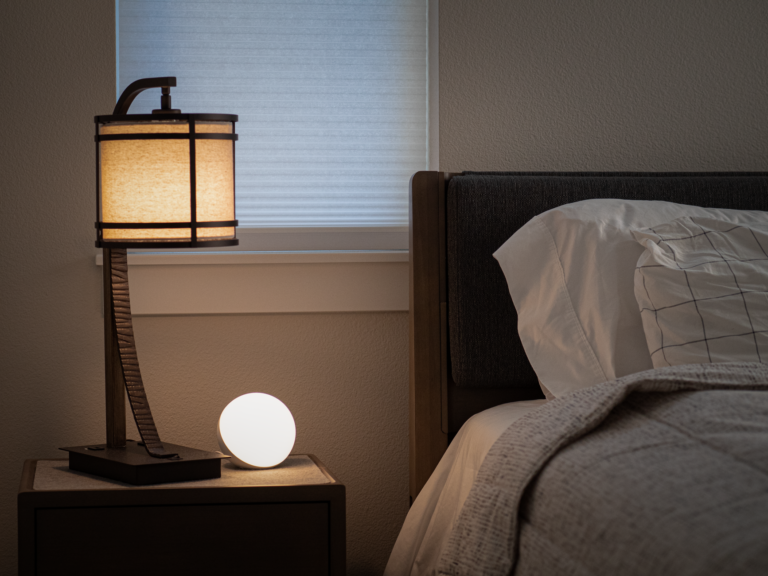
- Ensure your sleep environment is conducive to rest by keeping the room dark, cool, and quiet.
- Avoid stimulants like caffeine and nicotine in the hours leading up to bedtime.
- Limit exposure to screens and blue light from devices at least an hour before sleep.
The Impact of Nutrition on Sleep Quality
Nutrition plays a crucial role in sleep quality and can influence the likelihood of sleep deprivation. Certain foods and beverages can either promote better sleep or keep you awake. For example, foods rich in tryptophan, magnesium, and melatonin can aid in sleep. Conversely, consuming heavy meals or stimulants close to bedtime can hinder your ability to fall asleep.
Consider the following dietary tips to improve sleep quality:
- Incorporate foods high in tryptophan, such as turkey, nuts, and seeds, into your meals.
- Consume magnesium-rich foods like leafy greens, legumes, and whole grains to help relax muscles and nerves.
- Limit sugar and processed foods, which can cause fluctuations in energy levels and disrupt sleep patterns.
- Avoid large meals and alcohol close to bedtime, as they can interfere with sleep cycles.
Exercise and Its Effects on Sleep
Regular physical activity has been shown to improve sleep quality and reduce the incidence of sleep deprivation. Exercise can help you fall asleep faster and deepen sleep. However, the timing of exercise can significantly impact its effectiveness. Engaging in vigorous exercise too close to bedtime may energize you and make it harder to fall asleep.
To optimize the benefits of exercise for sleep, consider the following guidelines:
- Aim for at least 150 minutes of moderate aerobic activity or 75 minutes of vigorous activity each week.
- Try to schedule workouts earlier in the day, ideally in the morning or afternoon, to avoid potential sleep disruptions.
- Incorporate relaxation-focused exercises, such as yoga or stretching, into your routine, especially in the evenings.

Sleep Disorders and Their Relationship to Sleep Deprivation
Common Sleep Disorders
Sleep disorders can significantly contribute to sleep deprivation. These disorders include insomnia, sleep apnea, restless leg syndrome, and narcolepsy. Each disorder has unique characteristics and requires different management strategies. Understanding these conditions is crucial for addressing sleep deprivation effectively.
Here’s a brief overview of common sleep disorders:
- Insomnia: A condition characterized by difficulty falling asleep or staying asleep, resulting in daytime fatigue.
- Sleep Apnea: A disorder where breathing repeatedly stops and starts during sleep, often leading to snoring and excessive daytime sleepiness.
- Restless Leg Syndrome: A condition causing uncomfortable sensations in the legs and an irresistible urge to move them, especially at night.
- Narcolepsy: A neurological disorder characterized by excessive daytime sleepiness and sudden attacks of sleep.
Diagnosing Sleep Disorders
Diagnosing sleep disorders often involves a thorough evaluation by a healthcare professional. This may include a review of sleep history, questionnaires, and possibly a sleep study (polysomnography). Understanding the underlying causes of sleep disorders is essential for effective treatment and management.
Key steps in the diagnostic process may include:
- A comprehensive sleep diary that tracks sleep patterns, nighttime awakenings, and daytime fatigue.
- Consultation with a sleep specialist who may recommend further testing or monitoring.
- Utilizing at-home sleep monitoring devices to assess sleep quality and diagnose issues.
Treatment Options for Sleep Disorders
Treatment for sleep disorders varies based on the specific condition but can include behavioral therapies, medication, and lifestyle adjustments. Cognitive Behavioral Therapy for Insomnia (CBT-I) is a highly effective method that addresses the thoughts and behaviors contributing to insomnia. For sleep apnea, Continuous Positive Airway Pressure (CPAP) therapy may be recommended.
Other treatment strategies include:
- Medications for short-term relief of insomnia or anxiety, prescribed by a healthcare professional.
- Sleep retraining techniques that help establish a regular sleep pattern.
- Oral appliances or surgery for sleep apnea if CPAP is not effective.
The Psychological Aspects of Sleep Deprivation
The Connection Between Mental Health and Sleep
The relationship between sleep and mental health is bidirectional; poor sleep can exacerbate mental health issues, while mental health challenges can lead to sleep deprivation. Conditions such as anxiety, depression, and stress can disrupt sleep patterns, creating a vicious cycle that can be hard to break. Recognizing this connection is crucial for both treatment and prevention.
To support mental health and improve sleep, consider the following practices:
- Engage in mindfulness and relaxation techniques, such as meditation or deep breathing exercises, to alleviate stress.
- Seek professional help if experiencing persistent anxiety or depressive symptoms impacting sleep.
- Participate in social activities that promote a sense of community and support, which can help improve overall mental well-being.
Effects of Chronic Sleep Deprivation on Cognitive Function
Chronic sleep deprivation can have significant adverse effects on cognitive functions, including memory, attention, and decision-making abilities. When sleep is inadequate, the brain struggles to perform optimally, leading to diminished performance at work or school. This cognitive decline can further lead to increased stress and anxiety, perpetuating the cycle of sleep deprivation.
To mitigate these cognitive effects, consider the following strategies:
- Prioritize sleep by setting aside sufficient time for rest each night.
- Incorporate brain-boosting activities, such as puzzles and reading, to engage cognitive functions during waking hours.
- Limit multitasking, which can increase cognitive load and lead to mental fatigue.
Addressing Sleep-Related Anxiety
Sleep-related anxiety is a common issue that can lead to increased sleep deprivation. This anxiety may stem from worries about falling asleep, maintaining sleep, or the consequences of not getting enough sleep. Addressing these anxieties is crucial for improving sleep quality. Cognitive-behavioral strategies can be particularly effective in managing sleep-related anxiety.
Consider these approaches to alleviate sleep-related anxiety:
- Implement a wind-down routine that signals your body it is time to sleep.
- Challenge negative thoughts about sleep by reframing them into positive affirmations.
- Keep a journal to express worries or thoughts before bed, helping to declutter the mind.
Impact of Technology on Sleep Quality
Blue Light Exposure
In the digital age, exposure to screens has become a significant factor in sleep deprivation. The blue light emitted by smartphones, tablets, and computers can interfere with the natural production of melatonin, the hormone responsible for regulating sleep. Researchers suggest that limiting screen time at least an hour before bedtime can greatly improve sleep quality. Here are some practical steps to reduce blue light exposure:
- Use blue light filters on devices.
- Wear blue light blocking glasses in the evening.
- Opt for reading physical books instead of e-books before sleep.
Social Media and Sleep Disruption
Engaging with social media platforms late at night can also contribute to sleep deprivation. The dopamine-driven cycle of notifications and updates can keep individuals awake longer than intended. Studies indicate that the emotional responses elicited by social media can lead to increased anxiety and stress, further complicating sleep issues. To mitigate this impact, consider the following:
- Set specific times for social media usage.
- Unfollow accounts that induce stress or anxiety.
- Engage in non-digital activities before bed.

Nutrition’s Role in Sleep Quality
Foods That Promote Sleep
What you consume can significantly affect your sleep patterns. Certain foods contain compounds that facilitate better sleep. For instance, foods rich in tryptophan, magnesium, and melatonin can promote relaxation and enhance sleep quality. Incorporating the following into your diet may help:
- Almonds
- Kiwi
- Fatty fish like salmon
- Oatmeal
- Bananas
Foods to Avoid Before Bed
Conversely, some foods can hinder sleep quality. Heavy meals, caffeine, and alcohol can disrupt your sleep cycle and lead to restless nights. Being mindful of your late-night snacks can be crucial. Consider avoiding:
- Caffeinated beverages
- Spicy or heavy foods
- Alcohol
Environmental Factors Affecting Sleep
Noise Pollution
External noise is a common yet often overlooked factor contributing to sleep deprivation. Whether it’s traffic, neighbors, or other disturbances, noise pollution can fragment sleep cycles and reduce overall sleep quality. To create a more serene sleeping environment, consider:
- Using white noise machines.
- Soundproofing your bedroom.
- Wearing earplugs.
Room Temperature and Sleep
The temperature of your sleeping environment is critical for achieving restful sleep. Studies indicate that a cooler room, typically between 60-67 degrees Fahrenheit, can facilitate better sleep by promoting a natural drop in body temperature. Here are some tips to optimize your bedroom temperature:
- Use breathable bedding materials.
- Invest in a climate control system.
- Keep windows slightly open for ventilation.
For more information, see NIH.
Frequently Asked Questions
What are the long-term effects of sleep deprivation?
Long-term sleep deprivation can lead to several health issues, including obesity, diabetes, cardiovascular diseases, and mental health disorders such as anxiety and depression.
How can I tell if I am sleep deprived?
Common indicators include persistent fatigue, difficulty concentrating, mood swings, and physical symptoms like headaches or digestive issues.
Is it possible to recover from sleep deprivation?
Yes, recovery is possible through improving sleep hygiene, managing stress, and seeking medical advice if necessary. It may take time to fully restore healthy sleep patterns.
How much sleep do I need?
Most adults require 7 to 9 hours of sleep per night, but individual needs may vary based on factors such as age and activity level.
The Bottom Line
Sleep deprivation is a significant health concern that can negatively impact various aspects of life. By understanding its causes and symptoms, individuals can take actionable steps to improve their sleep quality. Addressing sleep deprivation often requires lifestyle changes and, in some cases, professional guidance. Prioritizing sleep is an essential part of maintaining overall health and well-being.
Was this page helpful?
Thanks for your feedback! What could we improve?
Thank you! Your feedback helps us improve our articles.
True Impact Health articles are written by our editorial team and based on reliable sources such as public health agencies, clinical guidelines and peer-reviewed research. This article has not yet been medically reviewed. Read our editorial process.
This content is for general information and is not a substitute for professional medical advice, diagnosis or treatment.