

















Liver Disease: Understanding Symptoms and Treatment Options
Explore liver disease symptoms, causes, and treatment options in this comprehensive guide to empower your health through trusted knowledge.

Table of Contents
Key Takeaways
- Liver disease encompasses various conditions affecting liver function.
- Early symptoms may be subtle, requiring awareness for timely diagnosis.
- Lifestyle changes can significantly impact liver health and treatment.
- Consult a healthcare professional for personalized advice and diagnosis.
Liver disease refers to a variety of conditions that affect the liver’s ability to function properly. The liver is a vital organ responsible for numerous essential processes, including detoxification, protein synthesis, and the production of biochemicals necessary for digestion. Understanding liver disease is crucial as it can lead to severe health complications if not addressed in a timely manner.
There are several types of liver disease, each with different causes and implications for health. Some common liver diseases include hepatitis, fatty liver disease, cirrhosis, and liver cancer. This guide will explore the symptoms, causes, diagnosis, and treatment options available for liver disease, empowering you with knowledge to make informed health decisions.
Awareness of liver disease symptoms is vital for early detection and treatment. Many individuals may not experience noticeable symptoms until the disease has progressed significantly. By understanding the signs and risk factors associated with liver disease, you can take proactive steps to protect your liver health.
Types of Liver Disease
Liver disease encompasses a range of conditions that can affect liver function. Here are some of the most common types:
- Hepatitis: An inflammation of the liver, usually caused by a viral infection, autoimmune disorders, or excessive alcohol consumption.
- Fatty Liver Disease: Characterized by an accumulation of fat in liver cells, often associated with obesity, diabetes, and excessive alcohol intake.
- Cirrhosis: A late-stage liver disease where healthy liver tissue is replaced by scar tissue, often resulting from chronic liver diseases.
- Liver Cancer: A malignant tumor that can develop in the liver, often arising in individuals with chronic liver disease.
Understanding Hepatitis
Hepatitis can be classified into several types, including Hepatitis A, B, C, D, and E. Each type has different modes of transmission and implications for treatment. Hepatitis A is typically contracted through contaminated food or water, while Hepatitis B and C are often transmitted through blood and bodily fluids.
Vaccines are available for Hepatitis A and B, making prevention possible for these types. Early detection and treatment of Hepatitis C can significantly improve outcomes and reduce the risk of liver damage.
Recognizing Fatty Liver Disease
Fatty liver disease can be categorized into two types: alcoholic and non-alcoholic fatty liver disease (NAFLD). Alcoholic fatty liver disease is caused by excessive alcohol consumption, while NAFLD is linked to obesity, insulin resistance, and metabolic syndrome.
Symptoms of fatty liver disease may be mild or non-existent, making regular health check-ups essential for individuals at risk. Lifestyle changes, such as weight loss, improved diet, and increased physical activity, are often effective in managing this condition.
Symptoms of Liver Disease
Recognizing the symptoms of liver disease can be challenging, as they may vary widely among individuals and often mimic other health issues. Here are some common symptoms to be aware of:
- Fatigue: Persistent tiredness that does not improve with rest may indicate liver dysfunction.
- Jaundice: Yellowing of the skin and eyes is a classic sign of liver disease, indicating an accumulation of bilirubin in the bloodstream.
- Abdominal Pain: Discomfort or pain in the upper right abdomen can signal liver inflammation or enlargement.
- Changes in Appetite: Unexplained weight loss or a reduced desire to eat may be associated with liver disease.
In advanced stages, liver disease can lead to more severe symptoms, including swelling in the abdomen (ascites), confusion (hepatic encephalopathy), and easy bruising or bleeding.
Real-Life Example
Consider the story of Mark, a 45-year-old man who frequently experienced fatigue and occasional abdominal discomfort. Initially dismissing these symptoms as stress-related, Mark eventually sought medical attention when he noticed his skin started to develop a yellowish tint. After a series of tests, Mark was diagnosed with fatty liver disease. With guidance from his healthcare provider, he adopted lifestyle changes, including a balanced diet and regular exercise, leading to significant improvements in his liver health.

Causes and Risk Factors
Understanding the causes and risk factors of liver disease is crucial for prevention and early intervention. Some of the most common causes include:
- Excessive Alcohol Consumption: Chronic alcohol use is a leading cause of liver disease, contributing to conditions like alcoholic hepatitis and cirrhosis.
- Viral Infections: Hepatitis viruses are significant contributors to liver disease, with Hepatitis B and C being particularly harmful.
- Obesity: Excess body weight is associated with non-alcoholic fatty liver disease and increases the risk of developing other liver conditions.
- Certain Medications: Long-term use of certain medications can lead to liver damage; always consult a healthcare provider regarding medication side effects.
In addition to these causes, genetic predisposition, autoimmune diseases, and exposure to toxins can also increase the risk of developing liver disease. Understanding these factors can help individuals make informed choices regarding their health.
Prevention Strategies
Preventing liver disease involves making lifestyle changes and being aware of risk factors. Here are some effective strategies:
- Limit Alcohol Intake: Moderation is key; excessive alcohol can lead to liver damage.
- Maintain a Healthy Weight: Achieving and maintaining a healthy weight through diet and exercise can reduce the risk of fatty liver disease.
- Practice Safe Sex: Reducing the risk of sexually transmitted infections can help prevent Hepatitis B and C.
- Get Vaccinated: Vaccines are available for Hepatitis A and B, offering protection against these diseases.
Diagnosis of Liver Disease
Diagnosing liver disease often involves a combination of medical history, physical examination, and laboratory tests. Here are the common steps taken during the diagnostic process:
- Medical History: A thorough review of symptoms, lifestyle, and family history helps identify potential risk factors.
- Physical Examination: A healthcare provider may assess for signs of liver disease, such as jaundice or abdominal swelling.
- Blood Tests: Liver function tests measure enzymes and substances in the blood to assess liver health.
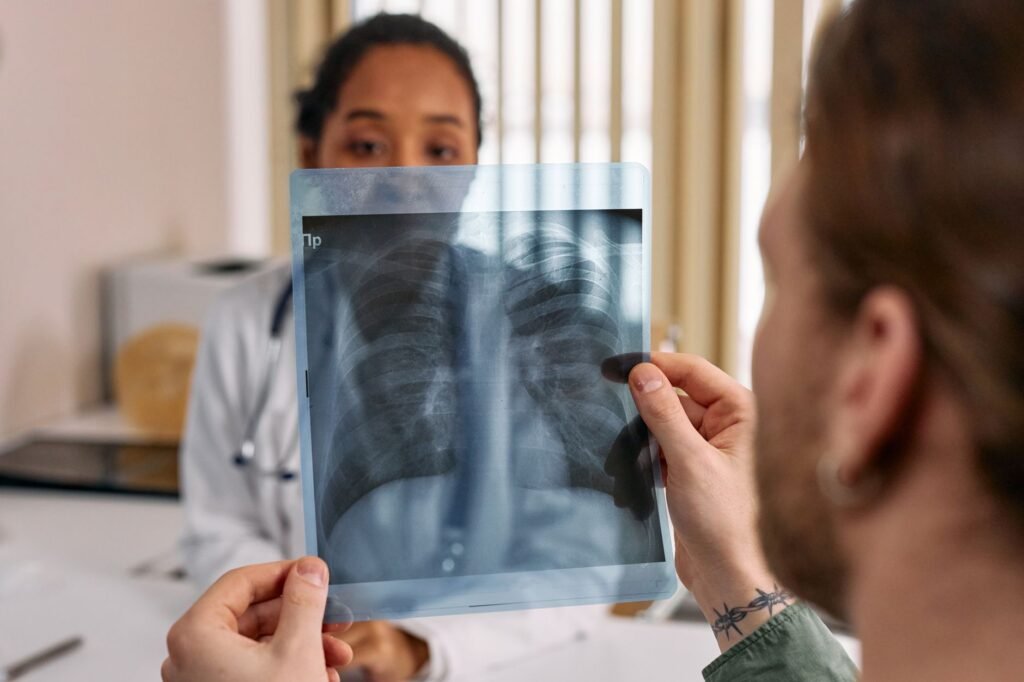
- Imaging Tests: Ultrasound, CT scans, or MRIs can provide images of the liver, helping identify abnormalities.
- Liver Biopsy: In some cases, a small sample of liver tissue may be taken for analysis to determine the extent of damage or disease.
Receiving a timely and accurate diagnosis is crucial for effective treatment and management of liver disease.
Treatment Options for Liver Disease
Treatment for liver disease varies based on the underlying cause and severity of the condition. Here are common treatment options:
- Medications: Antiviral medications may be prescribed for viral hepatitis, while corticosteroids can help manage autoimmune liver diseases.
- Lifestyle Modifications: Adopting a healthy diet, regular exercise, and weight management are essential for improving liver health.
- Monitoring and Follow-Up: Regular check-ups with a healthcare provider are crucial for tracking liver function and managing symptoms.
- Liver Transplant: In severe cases of liver disease, a transplant may be necessary to replace the damaged liver.
Consulting with a healthcare professional is essential to determine the most appropriate treatment plan for individual needs.
Dietary Considerations for Liver Health
Foods to Include in Your Diet
A balanced diet plays a crucial role in maintaining liver health and managing liver disease. Incorporating specific foods can help support liver function and promote healing. Here are some beneficial foods:
- Leafy Greens: Spinach, kale, and other greens are rich in antioxidants and can help reduce fat accumulation in the liver.
- Fatty Fish: Salmon, sardines, and mackerel are high in omega-3 fatty acids, which can help reduce inflammation.
- Nuts: Walnuts and almonds are good sources of healthy fats, vitamin E, and antioxidants.
- Fruits: Berries, citrus fruits, and apples are high in fiber and vitamins that support liver health.
- Whole Grains: Brown rice, quinoa, and oats provide necessary fiber and nutrients.
Foods to Avoid for Liver Health
Just as important as what to eat is what to avoid. Certain foods can further impair liver function or exacerbate existing conditions. Consider avoiding the following:
- Alcohol: Excessive alcohol consumption is one of the leading causes of liver disease.
- Sugary Foods: High-fructose corn syrup and other sugars can lead to fat buildup in the liver.
- Processed Foods: Foods high in trans fats and preservatives can increase liver workload.
- Red Meat: High consumption of saturated fats can negatively affect liver function.
- Sodium: Excess salt can lead to fluid retention and worsen liver disease symptoms.
Hydration and Its Impact on Liver Function
Staying adequately hydrated is essential for overall health, including liver function. Water helps the liver flush out toxins and aids in digestion. Here are some tips for maintaining hydration:
- Drink Water Regularly: Aim for at least 8 cups of water each day, adjusting based on activity level and climate.
- Limit Sugary Drinks: Opt for water over soda or sugary juices to avoid excess sugar intake.
- Include Hydrating Foods: Incorporate fruits and vegetables with high water content, such as cucumbers and watermelon.

Complementary Therapies for Liver Disease
Herbal Supplements and Natural Remedies
Many individuals explore complementary therapies to support liver health alongside conventional treatments. Some herbal supplements have shown promise, though it’s important to consult with a healthcare provider before starting any new regimen. Popular options include:
- Milk Thistle: Known for its active ingredient, silymarin, which may protect liver cells and promote regeneration.
- Dandelion Root: Often used to stimulate bile production and aid liver detoxification.
- Turmeric: Contains curcumin, which has anti-inflammatory properties that may benefit liver health.
- Artichoke Extract: Believed to support bile production and improve overall liver function.
Mind-Body Practices
In addition to dietary changes and supplements, mind-body practices can play a significant role in managing liver disease. Stress can negatively impact liver function, so incorporating relaxation techniques may help:
- Meditation: Regular meditation can reduce stress and improve emotional well-being.
- Yoga: Gentle yoga can improve circulation and support overall health.
- Deep Breathing Exercises: These can help reduce stress and promote relaxation.
Physical Activity and Liver Health
Regular physical activity is essential for maintaining a healthy weight and improving liver function. Exercise helps reduce fat deposits in the liver and can enhance overall health. Consider the following recommendations:
- Aerobic Exercises: Activities like walking, swimming, or cycling can help burn fat and improve liver health.
- Strength Training: Engaging in strength training at least twice a week can help build muscle mass and support metabolism.
- Consistency: Aim for at least 150 minutes of moderate exercise each week to see benefits.
Monitoring and Managing Liver Disease Progression
Regular Check-ups and Testing
For individuals diagnosed with liver disease, regular check-ups and monitoring are crucial. These appointments allow for the assessment of liver function and the progression of the disease. Key tests and evaluations may include:
- Blood Tests: Liver function tests can help assess enzyme levels and liver health.
- Imaging Studies: Ultrasounds or CT scans can provide a visual assessment of liver size and structure.
- Liver Biopsy: In certain cases, a biopsy may be necessary to evaluate the extent of liver damage.
Understanding Liver Disease Progression
Liver disease can progress through several stages, and understanding these stages is vital for effective management. The stages include:
- Fatty Liver Disease: Accumulation of fat in liver cells without inflammation.
- Nonalcoholic Steatohepatitis (NASH): Inflammation and damage alongside fat accumulation.
- Cirrhosis: Severe scarring of the liver, which can lead to liver failure.
Recognizing Warning Signs of Progression
Being aware of the warning signs that may indicate progression of liver disease is important for timely intervention. Common symptoms to monitor include:
- Increased Fatigue: A noticeable decline in energy levels can signal worsening liver function.
- Jaundice: Yellowing of the skin and eyes indicates an accumulation of bilirubin in the blood.
- Swelling: Unexplained swelling in the abdomen or legs may signify fluid retention.
For more information, see Cleveland Clinic.
Frequently Asked Questions
What are the early signs of liver disease?
Early signs may include fatigue, abdominal discomfort, jaundice, and changes in appetite. It is important to consult a healthcare provider if these symptoms occur.
Can liver disease be reversed?
Some forms of liver disease, such as fatty liver disease, can be reversed with lifestyle changes, while others may require ongoing management or treatment.
How is liver disease diagnosed?
Diagnosis typically involves medical history, physical examination, blood tests, imaging studies, and sometimes a liver biopsy.
Who is at risk for liver disease?
Individuals with a history of excessive alcohol use, obesity, viral hepatitis, or certain genetic conditions are at higher risk for developing liver disease.
The Bottom Line
Liver disease encompasses a variety of conditions that can significantly impact health and quality of life. Understanding the symptoms, causes, and treatment options is vital for early diagnosis and effective management. By adopting healthy lifestyle choices and seeking timely medical advice, individuals can take proactive steps to protect their liver health.
Was this page helpful?
Thanks for your feedback! What could we improve?
Thank you! Your feedback helps us improve our articles.
True Impact Health articles are written by our editorial team and based on reliable sources such as public health agencies, clinical guidelines and peer-reviewed research. This article has not yet been medically reviewed. Read our editorial process.
This content is for general information and is not a substitute for professional medical advice, diagnosis or treatment.