
















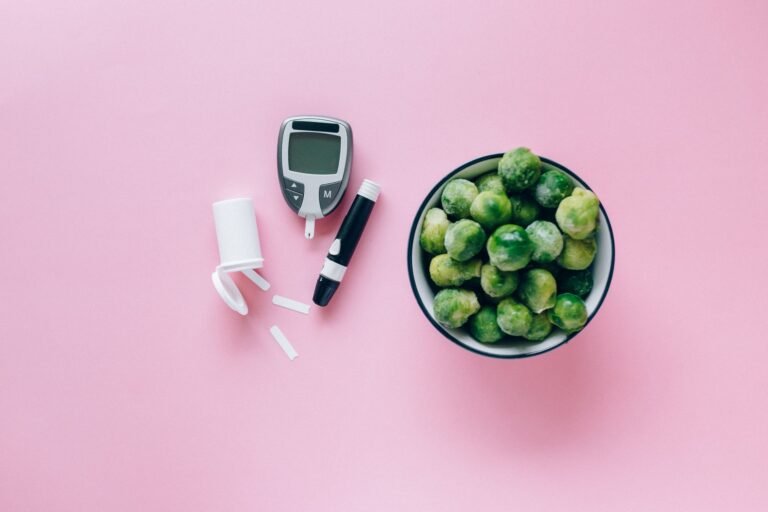




Effective Fatigue Management: Strategies for Daily Energy
Explore effective fatigue management techniques to boost your energy levels and improve your daily life with practical strategies and insights.

Table of Contents
Key Takeaways
- Understand the causes of fatigue.
- Implement lifestyle changes for better energy.
- Explore dietary adjustments for fatigue relief.
- Utilize relaxation techniques and sleep hygiene.
Fatigue is a common issue that affects many people at some point in their lives. It can be caused by a variety of factors, including stress, poor diet, lack of sleep, and underlying medical conditions. Understanding the nuances of fatigue management is crucial for anyone looking to boost their energy levels and improve their overall quality of life. In this article, we will explore practical strategies, lifestyle adjustments, and dietary changes that can significantly impact your energy levels.
Fatigue can be defined as an overwhelming sense of tiredness that does not improve with rest. Unlike normal tiredness, which can be alleviated by a good night’s sleep, fatigue persists and can interfere with daily activities. This guide will delve into effective fatigue management strategies, helping you reclaim your vitality.
Throughout this article, we will cover various aspects of fatigue management, including lifestyle changes, dietary adjustments, relaxation techniques, and more. By the end, you will be equipped with practical knowledge to better manage fatigue and enhance your daily energy.
Understanding Fatigue
Fatigue can manifest in various forms, including physical, mental, and emotional fatigue. Each type can stem from different causes, making it essential to identify the root of the issue. Physical fatigue often results from overexertion or lack of physical activity. Mental fatigue, on the other hand, can be caused by prolonged cognitive tasks, stress, or emotional strain. Understanding the type of fatigue you are experiencing is the first step in effective management.
Common causes of fatigue include:
- Sleep Disorders: Conditions like sleep apnea, insomnia, or restless leg syndrome can significantly impact sleep quality.
- Chronic Illnesses: Conditions such as diabetes, thyroid disorders, and autoimmune diseases can lead to persistent fatigue.
- Poor Nutrition: A diet lacking essential nutrients can contribute to low energy levels.
- Stress and Anxiety: Mental health issues can drain energy and create feelings of exhaustion.
- Lack of Physical Activity: A sedentary lifestyle can lead to decreased energy levels and increased fatigue.
It is important to consult with a healthcare professional if you experience persistent fatigue, as it may be indicative of an underlying health condition. A thorough evaluation can help identify potential medical issues and guide you toward appropriate treatment.
Lifestyle Changes for Fatigue Management
Making certain lifestyle changes can have a significant impact on fatigue management. Here are several strategies to consider:
1. Regular Exercise
Engaging in regular physical activity can improve energy levels, enhance mood, and promote better sleep. Aim for at least 150 minutes of moderate aerobic activity each week, such as brisk walking or cycling. Incorporating strength training exercises at least twice a week can also be beneficial.
2. Establish a Sleep Routine
Quality sleep is essential for combating fatigue. Establish a consistent sleep schedule by going to bed and waking up at the same time each day. Create a calming bedtime routine, limit screen time before bed, and ensure your sleeping environment is conducive to rest.
3. Manage Stress
Chronic stress can contribute to feelings of fatigue. Implement stress-reduction techniques such as mindfulness meditation, yoga, or deep breathing exercises. Taking time for leisure activities and hobbies can also help alleviate stress and recharge your energy.

Dietary Adjustments for Energy Boost
Your diet plays a crucial role in your energy levels. Here are some dietary adjustments that can help manage fatigue:
1. Balanced Meals
Ensure your meals are balanced and include a variety of nutrients. Aim for a mix of whole grains, lean proteins, healthy fats, and plenty of fruits and vegetables. These foods provide the necessary energy and nutrients your body needs to function optimally.
2. Stay Hydrated
Dehydration can lead to fatigue, so it’s important to drink enough water throughout the day. Aim for at least eight 8-ounce glasses of water daily, and more if you are physically active or live in a hot climate.
3. Limit Sugary Foods
While sugary foods may provide a quick energy boost, they often lead to a crash in energy levels later on. Opt for complex carbohydrates, such as whole grains and legumes, which provide sustained energy release.
Relaxation Techniques for Better Energy
Incorporating relaxation techniques into your daily routine can help reduce stress and improve energy levels. Here are some effective methods:
1. Mindfulness Meditation
Mindfulness meditation involves focusing on the present moment and accepting it without judgment. This practice can help reduce stress, enhance emotional well-being, and increase energy levels over time.
2. Deep Breathing Exercises
Taking deep, intentional breaths can help calm the nervous system and reduce feelings of fatigue. Practice deep breathing by inhaling slowly through your nose, holding for a few seconds, and exhaling through your mouth.
3. Progressive Muscle Relaxation
This technique involves tensing and then relaxing each muscle group in your body, promoting relaxation and reducing stress. Begin with your toes and work your way up to your head, focusing on the sensations of tension and relaxation.

Real-Life Example: A Day in the Life
Imagine Sarah, a 35-year-old marketing professional who often feels fatigued by mid-afternoon. After consulting a healthcare professional, she learns that her fatigue stems from a combination of stress and poor diet. Determined to make changes, Sarah implements several strategies into her daily routine.
She starts her day with a balanced breakfast that includes whole grains, protein, and fruits. During her lunch break, she takes a short walk outside to refresh her mind and body. After work, Sarah practices mindfulness meditation for 10 minutes, allowing her to unwind from the stresses of the day. Over time, these changes lead to improved energy levels, and Sarah finds it easier to concentrate and enjoy her personal time.
Utilizing Mindfulness and Meditation
The Science Behind Mindfulness
Mindfulness is a practice that encourages individuals to focus on the present moment, cultivating awareness of thoughts, feelings, and bodily sensations without judgment. Research indicates that incorporating mindfulness techniques can significantly reduce stress levels, which often contribute to feelings of fatigue. By enhancing self-awareness, individuals can identify fatigue triggers and respond more effectively.
Mindfulness can be practiced in various forms, such as meditation, breathing exercises, or mindful walking. Engaging in these practices daily can improve emotional regulation and energy levels, making it easier to manage fatigue throughout the day.
Practical Mindfulness Techniques
Here are some effective mindfulness techniques you can incorporate into your daily routine:
- Mindful Breathing: Spend a few minutes focusing on your breath. Inhale deeply through your nose, allowing your abdomen to rise, then exhale through your mouth. Repeat this for 5 to 10 minutes.
- Body Scan Meditation: Lie down comfortably and focus on each part of your body, from your toes to your head. Notice any tension and consciously relax each area.
- Mindful Walking: Take a slow walk in a quiet space, focusing on the sensations of your feet touching the ground and the rhythm of your breath.
Incorporating Mindfulness into Daily Life
Mindfulness doesn’t have to be limited to formal practice. Integrating mindfulness into everyday activities can significantly enhance your energy levels. Here are some suggestions:
- Mindful Eating: Focus on the taste, texture, and aroma of your food during meals. This can help you enjoy your meals more and prevent overeating.
- Mindful Commute: Use your commute time to practice mindfulness, either through guided meditation apps or simply by observing your surroundings.
- Mindful Breaks: Take short breaks during your workday to step away from screens and practice mindfulness, helping to recharge your mental batteries.

Physical Activity’s Role in Energy Levels
The Connection Between Exercise and Fatigue
Regular physical activity is a proven method for enhancing energy levels and combating fatigue. Exercise increases blood flow, which delivers more oxygen and nutrients to your muscles and tissues, improving overall function. It also releases endorphins, which can elevate mood and reduce feelings of fatigue.
Even small amounts of physical activity can have a positive impact. Studies show that people who engage in regular, moderate exercise report higher energy levels and lower fatigue compared to sedentary individuals. Furthermore, exercise can improve sleep quality, which also contributes to better energy management.
Types of Exercise for Energy Boost
Different types of exercise can offer various benefits for managing fatigue. Here are some effective forms of exercise:
- Aerobic Exercise: Activities like walking, running, cycling, and swimming can significantly boost energy levels. Aim for at least 150 minutes of moderate aerobic exercise each week.
- Strength Training: Incorporating resistance training into your routine can improve muscle strength and endurance, making daily activities easier and less tiring.
- Yoga and Stretching: These activities promote flexibility and relaxation, which can help reduce muscle tension and improve overall energy.
Creating an Exercise Routine
When developing a routine, it’s essential to find activities that you enjoy to maintain consistency. Here are some tips for creating an effective exercise plan:
- Set Realistic Goals: Start with achievable objectives, such as exercising for 15-20 minutes a day a few times a week, and gradually increase as your energy improves.
- Mix It Up: Include a variety of activities to keep your routine interesting and target different muscle groups. This can also help prevent burnout.
- Schedule Workouts: Treat your exercise sessions like important appointments. Schedule them into your calendar to ensure you prioritize your physical activity.
Harnessing the Power of Social Connections
The Impact of Social Interactions on Energy Levels
Social connections play a crucial role in emotional well-being and can significantly impact energy levels. Engaging with friends and family can provide emotional support, reduce stress, and foster a sense of belonging, all of which contribute to higher energy levels. Conversely, social isolation can exacerbate feelings of fatigue and depression.
Building and maintaining a strong social network can help buffer against stressors and enhance resilience, making it easier to cope with fatigue. Regular social interactions can also lead to shared activities, such as exercising together, which can further boost energy levels.
Ways to Foster Social Connections
Here are some practical ways to strengthen your social network and improve energy levels:
- Join Local Groups: Participate in community activities, clubs, or classes that align with your interests to meet new people.
- Schedule Regular Meetups: Make it a point to connect with friends or family regularly, whether it’s a weekly coffee date or a monthly dinner.
- Volunteer: Engaging in volunteer work can help you meet new people and provide a sense of purpose, which can positively impact energy levels.
Balancing Social Life and Personal Time
While social interactions are essential, it is equally important to balance them with personal time to recharge. Here are some strategies to create that balance:
- Set Boundaries: Learn to say no to social invitations if you feel overwhelmed. Prioritize quality over quantity in your social life.
- Plan Downtime: Schedule regular time for yourself to relax and engage in activities that rejuvenate you, such as reading or meditating.
- Communicate Needs: Share your energy levels and needs with loved ones. Those close to you will understand your need for balance and support you.
For more information, see MedlinePlus.
Frequently Asked Questions
What are the most common causes of fatigue?
The most common causes of fatigue include sleep disorders, chronic illnesses, poor nutrition, stress, and lack of physical activity.
How can I improve my sleep quality?
Improving sleep quality can be achieved by establishing a consistent sleep routine, creating a calming bedtime environment, and limiting screen time before bed.
Are there specific foods that help boost energy?
Yes, foods rich in complex carbohydrates, lean proteins, healthy fats, and fiber, such as whole grains, fruits, vegetables, and nuts, can help boost energy levels.
When should I consult a doctor about my fatigue?
If fatigue persists despite lifestyle changes, or if it is accompanied by other concerning symptoms, it is essential to consult a healthcare professional for a thorough evaluation.
The Bottom Line
Fatigue management involves understanding the underlying causes of tiredness and implementing practical strategies to improve energy levels. By making lifestyle changes, adjusting your diet, and incorporating relaxation techniques into your routine, you can effectively combat fatigue and enhance your overall quality of life. Remember, if fatigue persists, seeking guidance from a healthcare professional is vital to rule out any underlying health issues.
Was this page helpful?
Thanks for your feedback! What could we improve?
Thank you! Your feedback helps us improve our articles.
True Impact Health articles are written by our editorial team and based on reliable sources such as public health agencies, clinical guidelines and peer-reviewed research. This article has not yet been medically reviewed. Read our editorial process.
This content is for general information and is not a substitute for professional medical advice, diagnosis or treatment.