Introduction
Root rot is one of the most common and frustrating problems that plant owners encounter. Whether you grow houseplants, vegetables, herbs, or ornamental plants, root rot can quickly transform a thriving specimen into a struggling one. The condition develops when roots remain in excessively wet soil for prolonged periods, creating an environment where harmful fungi and bacteria thrive. As the roots begin to decay, the plant loses its ability to absorb water, oxygen, and nutrients, resulting in wilting, yellowing leaves, stunted growth, and eventually death if left untreated.
Fortunately, root rot is not always a death sentence for your plants. One of the most effective and affordable remedies is hydrogen peroxide. This readily available household product can help eliminate harmful pathogens, improve oxygen availability in the root zone, and encourage the development of healthy new roots. When used correctly, hydrogen peroxide can be a valuable tool in rescuing plants affected by root rot and preventing future outbreaks.
This guide explains what root rot is, why hydrogen peroxide works, how to apply it safely, and the steps you can take to keep your plants healthy and thriving.
Understanding Root Rot
Root rot is a disease that affects the root system of plants. It typically develops when roots remain in overly moist conditions for extended periods. Waterlogged soil contains very little oxygen, which causes roots to weaken and die. Once the roots become stressed, opportunistic pathogens such as Pythium, Phytophthora, Rhizoctonia, and other soil-borne organisms can invade the root tissue and accelerate the decay process.
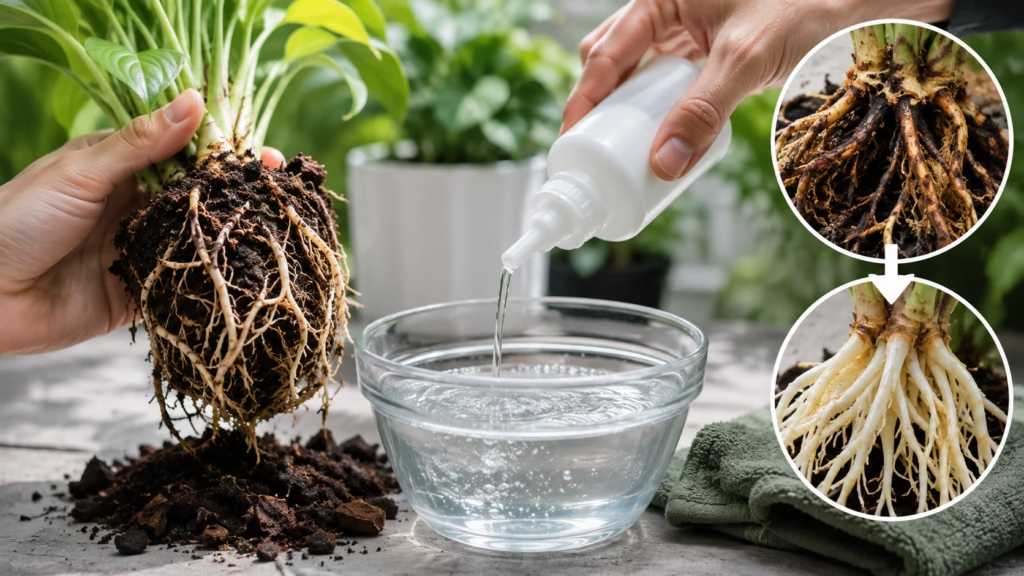
Healthy roots are usually firm, white, and capable of efficiently transporting water and nutrients throughout the plant. In contrast, roots affected by rot become soft, mushy, dark brown or black, and often emit an unpleasant odor. As the root system deteriorates, the visible portions of the plant begin to show signs of distress.
Several factors contribute to the development of root rot. Overwatering is the most common cause, but poor drainage, compacted soil, oversized containers, inadequate airflow, and cool, damp conditions can also create an environment that favors disease development.
Early detection is essential because the longer root rot progresses, the more difficult it becomes to save the plant. Prompt treatment can often halt the spread of infection and allow healthy roots to regenerate.
Signs and Symptoms of Root Rot
Recognizing root rot early greatly increases the chances of recovery.
One of the first signs is yellowing foliage, particularly older leaves. Many plant owners mistakenly interpret this symptom as a sign that the plant needs more water, which can worsen the problem. Despite consistently moist soil, the plant may appear wilted because the damaged roots can no longer absorb sufficient water.
Growth often slows dramatically. New leaves may emerge smaller than normal, and flowering plants may produce fewer blooms or stop flowering altogether.
When examining the root system, healthy roots should appear white or light tan and feel firm to the touch. Roots affected by rot are typically brown, black, or gray and may feel slimy or mushy. In severe cases, the outer layer of the root may easily slip off when touched.
Another common indicator is a foul smell coming from the soil. The odor is often described as sour, musty, or rotten and results from anaerobic decomposition occurring beneath the soil surface.
Why Hydrogen Peroxide Works
Hydrogen peroxide is a powerful yet relatively safe treatment because it breaks down into water and oxygen. This process provides several benefits for plants suffering from root rot.
First, the additional oxygen released during decomposition helps improve conditions around the roots. Root rot thrives in oxygen-poor environments, so increasing oxygen availability creates a less favorable environment for harmful pathogens while supporting healthy root growth.
Second, hydrogen peroxide possesses antimicrobial properties that can help reduce populations of fungi, bacteria, and other microorganisms responsible for root decay. By disinfecting the root zone, it helps stop the spread of infection and gives the plant a better chance to recover.
Finally, hydrogen peroxide helps remove dead organic material and encourages healthier soil conditions. Unlike many chemical fungicides, it breaks down naturally and leaves no harmful residue behind when used properly.
Materials You Will Need
Before beginning treatment, gather all necessary supplies to ensure a smooth process.
You will need a standard 3% hydrogen peroxide solution, which is commonly available at pharmacies and grocery stores. A clean container or watering can is useful for mixing the treatment solution.
Sterilized pruning shears or scissors are essential for removing damaged roots. You may also need fresh potting soil and a clean container if the plant requires repotting.
Additional materials such as perlite, pumice, or coarse sand can be beneficial for improving drainage in the new growing medium.
Step 1: Remove the Plant and Inspect the Roots
Begin by carefully removing the plant from its container. Handle the root ball gently to avoid causing additional damage to healthy roots.
Shake off as much old soil as possible so the roots become visible. This allows you to assess the extent of the damage and identify areas affected by rot.
Examine the roots closely. Healthy roots should be firm and light-colored, while diseased roots are often dark, mushy, and foul-smelling.
Using sterilized pruning shears, carefully trim away all damaged root tissue. Remove every visibly rotted section because leaving infected roots behind can allow the disease to continue spreading after treatment.
Step 2: Prepare the Hydrogen Peroxide Solution
Once the damaged roots have been removed, prepare the hydrogen peroxide treatment.
Mix one part 3% hydrogen peroxide with two parts water. For example, combine one cup of hydrogen peroxide with two cups of water. This dilution provides effective antimicrobial action while remaining gentle enough for most plants.
Stir the solution gently and use it immediately after preparation.
Avoid using stronger concentrations unless specifically recommended by a plant specialist, as concentrated hydrogen peroxide can damage healthy root tissue.
Step 3: Treat the Root System
Submerge the cleaned roots in the diluted hydrogen peroxide solution for approximately five to ten minutes.
During this process, you may notice bubbling around the roots. This reaction occurs as the hydrogen peroxide releases oxygen and interacts with organic material and microorganisms.
Gently move the roots through the solution to ensure all surfaces receive adequate exposure.
After soaking, rinse the roots lightly with room-temperature water to remove loosened debris and residual contaminants.
Step 4: Repot the Plant
Repotting is often necessary because the original soil may still contain pathogens that contributed to the root rot problem.
Select a clean container with adequate drainage holes. Proper drainage is critical for preventing future episodes of root rot.
Fill the container with fresh, well-draining potting mix. Consider incorporating materials such as perlite, pumice, coarse sand, or orchid bark to improve aeration and drainage.
Place the plant in the new pot and carefully fill around the roots with soil. Avoid compacting the soil too firmly, as roots need oxygen to thrive.
After repotting, water lightly to help settle the soil around the roots.
Step 5: Provide Proper Recovery Care
Recovery does not end after treatment. Proper aftercare is essential for encouraging healthy root regeneration.
Place the plant in a location with bright, indirect sunlight. Avoid intense direct sunlight immediately after treatment, as the plant may already be stressed.
Allow the soil to dry partially between watering sessions. Rather than following a fixed schedule, check soil moisture regularly and water only when appropriate.
Monitor the plant closely over the following weeks. New growth, improved leaf color, and firmer stems are positive signs that recovery is underway.
In many cases, healthy white roots begin to develop within two to four weeks, although complete recovery may take longer depending on the severity of the damage.
Preventing Root Rot in the Future
Preventing root rot is much easier than treating it.
The most important preventive measure is proper watering. Water thoroughly when needed, but avoid keeping the soil consistently saturated. Learning the specific water requirements of each plant species can significantly reduce the risk of root problems.
Good drainage is equally important. Always use containers with drainage holes and choose potting mixes designed for your plant’s needs.
Improving airflow around plants can also help. Adequate spacing and proper ventilation reduce excess moisture and create a healthier growing environment.
Regular inspections are valuable as well. Checking roots during repotting and monitoring foliage for early warning signs allows you to address potential problems before they become severe.
Frequently Asked Questions
Can hydrogen peroxide damage plants?
When properly diluted, hydrogen peroxide is generally safe for most plants and can actually benefit root health. However, overly concentrated solutions may burn roots and foliage. Always use the recommended dilution ratio.
How often should hydrogen peroxide be used?
For active root rot treatment, a single thorough treatment is often sufficient. Additional applications may be necessary in severe cases, but repeated excessive use can disrupt beneficial soil microorganisms.
How long does it take for a plant to recover?
Recovery varies depending on the extent of root damage and the plant species involved. Many plants show signs of improvement within two to four weeks, while complete recovery may require several months.
Conclusion
Root rot is a serious but often treatable condition that affects countless plants each year. By acting quickly and using hydrogen peroxide correctly, you can eliminate harmful pathogens, increase oxygen availability around the roots, and give your plant an opportunity to regenerate healthy growth.
Successful treatment involves more than simply applying hydrogen peroxide. Removing damaged roots, repotting in fresh well-draining soil, adjusting watering habits, and improving growing conditions all contribute to long-term recovery.
With patience, proper care, and consistent monitoring, many plants can bounce back from root rot and continue thriving for years to come. Hydrogen peroxide offers an effective, affordable, and accessible solution that every plant owner should know how to use when root rot strikes.
Disclaimer
This article is for educational purposes only and does not replace professional medical advice, diagnosis, or treatment. Seizures, severe headache, confusion, visual changes, or blood pressure readings in the hypertensive crisis range require urgent medical evaluation.