


















Understanding Parkinson’s Disease: Symptoms, Causes and Care
Explore Parkinson's disease, its symptoms, causes, and management options to empower better health decisions and support for affected individuals.

Table of Contents
Key Takeaways
- Parkinson's disease primarily affects movement.
- Symptoms can vary widely among individuals.
- There are treatment options available to manage symptoms.
- Support systems are crucial for patients and caregivers.
Parkinson’s disease is a progressive neurological disorder that primarily affects movement control. It occurs when nerve cells in the brain, particularly those producing dopamine, begin to deteriorate or die. The loss of dopamine leads to a variety of motor symptoms that can significantly impact daily life. Understanding Parkinson’s disease is essential for those affected, their families, and caregivers to manage symptoms effectively and maintain quality of life.
Globally, millions of individuals are living with Parkinson’s disease, and it typically manifests in individuals over the age of 60, although early-onset cases can occur. The disease progresses gradually and can vary widely in its presentation and severity. The journey of living with Parkinson’s is unique for each person, and awareness can lead to better management and support.
This article will delve into the symptoms, causes, diagnosis, treatment options, and lifestyle modifications that can aid those living with Parkinson’s disease. We aim to provide practical knowledge that empowers readers to understand this condition and navigate its challenges.
What Are the Symptoms of Parkinson’s Disease?
Parkinson’s disease presents a range of symptoms that can be categorized into motor and non-motor symptoms. Recognizing these symptoms early can lead to prompt diagnosis and intervention.
Motor Symptoms
Motor symptoms are the most recognized signs of Parkinson’s disease and include:
- Tremors: Involuntary shaking, often starting in the hands or fingers, is a common symptom. It may occur when the affected individual is at rest.
- Bradykinesia: This term refers to slowness of movement, making daily activities challenging. Simple tasks can become time-consuming and frustrating.
- Rigidity: Muscle stiffness can occur, leading to discomfort and reduced range of motion. Individuals may experience a sensation of tightness in their limbs.
- Postural Instability: The loss of balance and coordination can lead to falls and injuries, making mobility increasingly difficult.
- Gait Changes: People with Parkinson’s may develop a shuffling walk, reduced arm swing, or difficulty starting or stopping movement.
Non-Motor Symptoms
In addition to motor symptoms, many individuals with Parkinson’s disease experience non-motor symptoms, which can sometimes be overlooked:
- Sleep Disturbances: Insomnia, restless legs syndrome, or excessive daytime sleepiness can impact quality of life.
- Cognitive Changes: Some individuals may experience difficulties with memory, attention, or executive function, which can progress to dementia in later stages.
- Mood Disorders: Depression and anxiety are common among those with Parkinson’s, often stemming from the challenges of living with the disease.
- Autonomic Dysfunction: This can include issues such as changes in blood pressure, digestion problems, and sexual dysfunction.
What Causes Parkinson’s Disease?
The exact cause of Parkinson’s disease remains largely unknown, but several factors contribute to its development.
Genetic Factors
Though most cases of Parkinson’s disease are sporadic, a small percentage can be attributed to genetic mutations. Research has identified specific genes associated with the disease, which can increase the risk, particularly in individuals with a family history of Parkinson’s.
Environmental Factors
Environmental exposures may also play a role. Studies have suggested that certain toxins, pesticides, and heavy metals could increase the risk of developing Parkinson’s disease. Additionally, prolonged exposure to specific chemicals in certain occupations has been linked to higher rates of the disease.
Other Contributing Factors
Other factors, such as age and gender, can also influence the likelihood of developing Parkinson’s disease. The disease is more common in men than in women, and age is the greatest risk factor, with symptoms typically appearing after the age of 60.

How Is Parkinson’s Disease Diagnosed?
Diagnosing Parkinson’s disease can be challenging, as there is no definitive test for the condition. Instead, healthcare professionals rely on clinical evaluations and patient history.
Neurological Examination
A neurological examination typically includes assessing motor symptoms such as tremors, rigidity, and bradykinesia. A doctor may ask the patient to perform certain tasks, such as tapping their fingers or walking, to evaluate symptoms.
Medical History
The physician will take a detailed medical history, focusing on the onset and progression of symptoms. Family history and any exposure to toxins or other risk factors will also be discussed.
Additional Tests
While no specific test can confirm Parkinson’s disease, imaging studies, such as MRI or CT scans, may be used to rule out other conditions. In some cases, a trial of Parkinson’s medications may be prescribed to see if symptoms improve, which can further support the diagnosis.
What Are the Treatment Options for Parkinson’s Disease?
While there is currently no cure for Parkinson’s disease, various treatment options can help manage symptoms and improve quality of life.
Medications
Medications are often the first line of treatment for managing symptoms. Commonly prescribed medications include:
- Levodopa: This is the most effective medication for treating Parkinson’s. It converts to dopamine in the brain and helps alleviate motor symptoms.
- Dopamine Agonists: These medications mimic dopamine effects in the brain and can be used alone or in conjunction with levodopa.
- MAO-B Inhibitors: These drugs help prevent the breakdown of dopamine, potentially prolonging its effects.
- Anticholinergics: These can help reduce tremors and muscle stiffness in some patients.
Physical and Occupational Therapy
Therapies play a vital role in managing Parkinson’s disease. Physical therapy focuses on improving movement, balance, and mobility, while occupational therapy helps individuals adapt daily activities to maintain independence. Speech therapy can also be beneficial for those experiencing voice and swallowing difficulties.
Surgical Options
In some cases, surgical options may be considered, particularly when medications are no longer effective. Deep brain stimulation (DBS) involves implanting electrodes in specific brain areas to help control motor symptoms. This option is typically reserved for more advanced cases of Parkinson’s disease.

Lifestyle Modifications for Managing Parkinson’s Disease
In addition to medical treatments, certain lifestyle modifications can help individuals manage symptoms and maintain their overall health.
Nutrition
A balanced diet rich in fruits, vegetables, whole grains, and lean proteins can support overall health. Additionally, staying hydrated and considering the timing of medication with meals can help maximize medication effectiveness.
Exercise
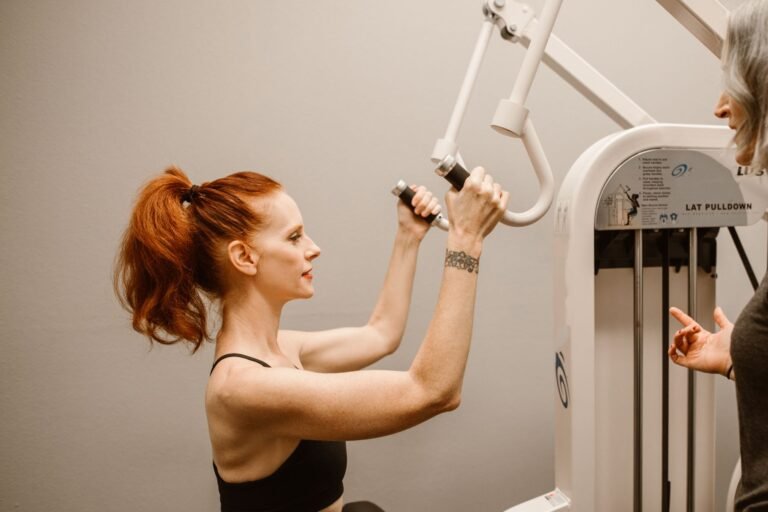
Regular physical activity is beneficial for those with Parkinson’s disease. Exercise can improve mobility, strength, and balance while also enhancing mood. Activities such as walking, swimming, and yoga are often recommended.
Social Support
Having a strong support system is vital. Engaging with support groups, both online and in-person, can provide emotional support and practical advice for those affected by Parkinson’s and their families. Building connections with others facing similar challenges can lessen feelings of isolation.
Understanding the Impact of Parkinson’s Disease on Daily Life
Physical Challenges
Parkinson’s disease presents various physical challenges that can significantly alter a person’s daily routine. Motor symptoms such as tremors, stiffness, and bradykinesia (slowness of movement) can hinder basic activities like dressing, eating, and personal hygiene. These challenges often lead to frustration and a sense of loss of independence.
In addition to motor symptoms, individuals may also experience non-motor symptoms such as fatigue, sleep disturbances, and pain. Each of these can compound the difficulties faced in day-to-day life, further complicating the management of the disease.
- Tremors: Involuntary shaking, often starting in the hands.
- Bradykinesia: Slowed movement that can make everyday tasks take longer.
- Muscle stiffness: Can lead to discomfort and restricted range of motion.
- Postural instability: Increased risk of falls and balance issues.
Emotional and Psychological Effects
The emotional toll of Parkinson’s disease is profound and can manifest in various ways, such as depression, anxiety, and apathy. Many patients may feel isolated as their condition progresses, making it essential for caregivers and loved ones to recognize these changes and provide appropriate support.
Depression is particularly common among those with Parkinson’s and can be exacerbated by the physical limitations imposed by the disease. Recognizing the signs of depression and seeking psychological support can be crucial in improving the quality of life for both patients and caregivers.
- Common emotional challenges include:
- Fear of progression: Anxiety over what the future holds.
- Social withdrawal: Isolating oneself from friends and family.
- Changes in self-image: Struggling with the physical changes brought on by the disease.
Social Implications
Parkinson’s disease can significantly affect an individual’s social interactions and relationships. Friends and family may not fully understand the complexities of the disease, leading to unintentional misunderstandings and strained relationships. It is vital for those diagnosed to communicate openly about their experiences and needs.
Participating in support groups can provide a platform for individuals with Parkinson’s to share their experiences and coping strategies. These groups often foster a sense of community and understanding, helping members navigate the emotional and social ramifications of living with the disease.
- Engaging with support groups can help with:
- Sharing experiences and coping mechanisms.
- Building a supportive network.
- Learning about resources and services available.

Advances in Research and Technology for Parkinson’s Disease
Innovative Therapies
Recent advancements in Parkinson’s research have led to the development of innovative therapies that aim to improve symptoms and enhance the quality of life for patients. Techniques such as deep brain stimulation (DBS) have shown promise in managing motor symptoms, particularly for individuals who no longer respond adequately to medication.
Moreover, researchers are exploring gene therapy approaches that could potentially slow down the progression of the disease. These therapies aim to deliver healthy genes that may enhance the production of essential neurotransmitters, offering new hope for those affected by Parkinson’s.
- Promising therapies include:
- Deep brain stimulation (DBS): A surgical procedure that involves implanting a device to regulate abnormal impulses in the brain.
- Gene therapy: Targeting the genetic aspects of the disease to restore normal function.
- Neuroprotective strategies: Research focused on protecting neurons from degeneration.
Technological Advances in Monitoring and Management
Technology is playing a pivotal role in the management of Parkinson’s disease. Wearable devices, such as smartwatches and sensors, can monitor symptoms in real-time, providing valuable data for both patients and healthcare providers. This data can be instrumental in adjusting treatment plans and improving overall care.
Apps designed for individuals with Parkinson’s help track medication schedules, symptoms, and even provide reminders for exercise and therapy sessions. Such technological tools empower patients to take control of their condition and maintain better communication with their healthcare teams.
- Examples of useful technology include:
- Wearable sensors: Track motor symptoms and provide feedback.
- Mobile applications: Help manage medication and symptom tracking.
- Telehealth services: Offer remote consultations with healthcare providers.
Research on Lifestyle Factors
New studies are investigating how various lifestyle factors may influence the progression of Parkinson’s disease. Diet, exercise, and mental engagement have emerged as significant areas of focus. Research suggests that a Mediterranean diet rich in fruits, vegetables, whole grains, and healthy fats may be beneficial for brain health.
Regular physical activity is also crucial, as it has been shown to improve mobility, balance, and overall quality of life. Activities such as dancing, tai chi, and yoga have been found particularly effective in managing symptoms while promoting social interaction and enjoyment.
- Lifestyle factors that may positively influence Parkinson’s include:
- A balanced diet: Focus on anti-inflammatory foods.
- Regular exercise: Aim for at least 150 minutes of moderate activity weekly.
- Mental engagement: Activities such as puzzles, reading, and social gatherings.
Support Systems for Caregivers and Families
Understanding the Caregiver Role
Caregivers play a crucial role in the lives of individuals with Parkinson’s disease, often taking on a multitude of responsibilities that can be both rewarding and challenging. Understanding the complexities of the disease can help caregivers provide better support, but it can also lead to caregiver burnout if not managed properly.
Effective caregiving requires not only physical assistance but also emotional support. Caregivers should prioritize self-care and seek help when needed, whether through respite care options or support groups designed specifically for caregivers.
- Key responsibilities of caregivers may include:
- Managing medications and appointments.
- Assisting with daily activities and personal care.
- Providing emotional and social support.
Resources for Caregivers
Numerous resources are available to support caregivers of individuals with Parkinson’s disease. National organizations often provide educational materials, support groups, and online forums for caregivers to connect and share experiences. These resources can help alleviate feelings of isolation and provide practical strategies for managing care.
In addition, local community services often offer respite care programs, allowing caregivers to take necessary breaks while ensuring their loved ones receive quality care. Utilizing these resources can improve the well-being of both caregivers and those they care for.
- Helpful resources for caregivers include:
- National Parkinson Foundation: Offers educational materials and support services.
- Local community centers: Look for respite care options and support groups.
- Online forums: Connect with other caregivers for advice and shared experiences.
Building a Support Network
Developing a strong support network is essential for both individuals with Parkinson’s and their caregivers. This network can include family, friends, healthcare professionals, and local community organizations. Engaging with others who understand the challenges of Parkinson’s can provide emotional support and practical assistance.
Involving family members in care discussions can also help ensure that everyone is on the same page regarding treatment plans and caregiving responsibilities. Open communication fosters a sense of teamwork and can make the caregiving experience more manageable.
- Ways to build a support network include:
- Communicating openly with family and friends about needs and feelings.
- Joining local support groups for individuals with Parkinson’s and caregivers.
- Engaging with healthcare providers for guidance and resources.
For more information, see MedlinePlus.
Frequently Asked Questions
What is the life expectancy for someone with Parkinson’s disease?
While Parkinson’s disease is a progressive condition, many individuals live for years after diagnosis. Life expectancy can vary significantly based on age at diagnosis, overall health, and the effectiveness of treatment.
Is Parkinson’s disease hereditary?
Most cases of Parkinson’s disease are not directly inherited. However, genetic factors can contribute to an increased risk, particularly in families with a history of the disease.
Can lifestyle changes affect the progression of Parkinson’s disease?
Lifestyle changes, such as regular exercise, a healthy diet, and social engagement, can improve quality of life and may help manage symptoms effectively.
What types of specialists treat Parkinson’s disease?
A multidisciplinary team typically manages Parkinson’s disease, including neurologists, physical therapists, occupational therapists, speech therapists, and dietitians.
The Bottom Line
Parkinson’s disease is a complex condition that affects many aspects of an individual’s life. Understanding the symptoms, causes, and treatment options available can empower those affected to seek the best care and support. With the right strategies, individuals can manage their symptoms effectively and maintain a fulfilling life.
Was this page helpful?
Thanks for your feedback! What could we improve?
Thank you! Your feedback helps us improve our articles.
True Impact Health articles are written by our editorial team and based on reliable sources such as public health agencies, clinical guidelines and peer-reviewed research. This article has not yet been medically reviewed. Read our editorial process.
This content is for general information and is not a substitute for professional medical advice, diagnosis or treatment.