
















Rotator cuff injury
Learn what a Rotator cuff injury is, its symptoms, causes, diagnosis, treatment options and how to prevent it – clear guidance for everyday readers.
By True Impact Health Editorial Team

Medical doctor and clinical researcher focused on preventive medicine, chronic disease and clear, evidence-based health communication.
Reviewed this article on November 2, 2026.
View profile How we reviewUpdated on November 1, 2026 8 min read

Table of Contents
Key Takeaways
- Rotator cuff injuries affect the shoulder muscles and tendons
- Common causes include overuse and sudden trauma
- Treatment ranges from rest and therapy to surgery if needed
- Early diagnosis and proper rehab improve recovery
Rotator cuff injury is a common problem that can cause pain, weakness and limited movement in the shoulder. It often occurs in people who lift, throw or work overhead, but it can also affect anyone who experiences a sudden fall or accident. Understanding the anatomy, causes and treatment options helps you make informed decisions and avoid long‑term disability.
In this guide we break down everything you need to know about a Rotator cuff injury – from the first signs you might notice, through diagnosis, treatment and practical steps to keep your shoulder healthy. The information is based on mainstream medical guidance and is meant for general education only; always consult a qualified health professional for personal advice.
What Is the Rotator Cuff?
Basic anatomy
The rotator cuff is a group of four small muscles and their tendons that surround the top of the upper arm bone (humerus). The muscles – supraspinatus, infraspinatus, teres minor and subscapularis – work together to keep the shoulder joint stable while allowing a wide range of motion.
Because these tendons pass through a narrow space called the subacromial groove, they can become irritated or torn when the space is reduced or when the tendons are overloaded.
How it works in everyday life
Every time you reach for a shelf, lift a grocery bag, or throw a ball, the rotator cuff muscles fire to keep the humeral head centered in the shallow socket of the shoulder blade (scapula). This constant coordination is why even low‑impact activities can cause wear over years.
When the tendons become inflamed (tendinitis) or develop small tears, the shoulder may feel sore, stiff or weak, especially during overhead movements.
Common Causes and Risk Factors
Repetitive overhead activities
Sports such as baseball, tennis, swimming and volleyball require frequent overhead motion. Repeating these motions day after day can cause micro‑tears in the tendon fibers, eventually leading to a full‑thickness tear.
Occupations that involve painting, carpentry, or lifting objects above shoulder height also place the rotator cuff under chronic strain.
Acute trauma
A sudden fall onto an outstretched arm, a direct blow to the shoulder, or a forceful pull can rupture one or more rotator cuff tendons. In such cases, pain appears quickly and the arm may feel “dead” or unable to lift.
Even a minor slip in the kitchen can cause a tear if the arm is forced into an extreme position.
Age‑related degeneration
As people age, the blood supply to the tendons diminishes, making them less resilient. Degenerative changes often start after the age of 40 and can progress silently until a specific activity triggers symptoms.
People with a history of shoulder problems, diabetes or smoking are at higher risk because these conditions affect tissue healing.

Recognising the Symptoms
Symptoms can vary from mild discomfort to severe pain and loss of function. Typical signs include:
- Achy or sharp pain on the side of the shoulder, especially when lifting the arm.
- Weakness when trying to rotate the arm outward or lift objects.
- Clicking, popping or a sense of grinding when moving the shoulder.
- Nighttime pain that interferes with sleep, often felt when lying on the affected side.
Symptoms often worsen after activity and improve with rest, but persistent pain beyond a few weeks should prompt a medical review.
Because shoulder pain can stem from many sources (e.g., arthritis, bursitis), a proper assessment is essential to confirm a Rotator cuff injury.
How Doctors Diagnose a Rotator Cuff Injury
Physical examination
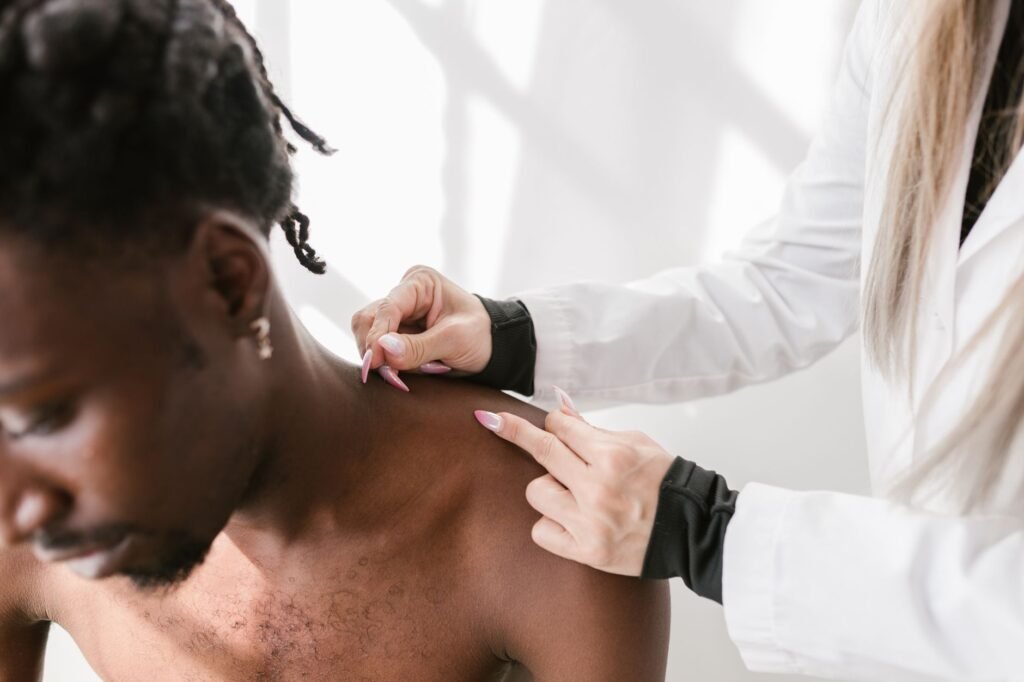
A clinician will first observe your shoulder posture and ask you to perform specific movements, such as lifting the arm sideways (abduction) or rotating it outward (external rotation). Painful or limited motion can indicate which tendon is involved.
Special tests like the “empty can” test for supraspinatus or the “drop arm” test for larger tears help narrow the diagnosis.
Imaging studies
When the exam suggests a tear, imaging confirms the extent. Common options include:
- X‑ray – rules out bone fractures or arthritis but does not show soft tissue.
- Ultrasound – provides a real‑time view of tendon thickness and can detect small tears.
- MRI – the gold standard for visualising the rotator cuff, showing both partial and full‑thickness tears.
These tests are usually ordered by a primary‑care physician or an orthopaedic specialist.
When to seek specialist care
If you experience sudden loss of shoulder strength, a visible deformity, or persistent pain that limits daily tasks, see an orthopaedic surgeon or sports‑medicine physician promptly. Early intervention can prevent a small tear from becoming a larger, more complex injury.

Non‑Surgical Treatment Options
Most rotator cuff injuries respond well to conservative management, especially when caught early. The goal is to reduce pain, restore motion and strengthen the surrounding muscles.
Rest and activity modification
Temporarily avoiding activities that provoke pain (e.g., heavy lifting, overhead sports) allows inflammation to subside. Gentle range‑of‑motion exercises can be started within a few days to prevent stiffness.
Physical therapy
A structured program, usually 6‑12 weeks, focuses on three phases:
- Phase 1 – Pain control: Gentle pendulum swings, isometric contractions and stretching.
- Phase 2 – Strengthening: Light resistance bands targeting the rotator cuff and scapular stabilisers.
- Phase 3 – Functional training: Gradual return to sport‑specific or work‑related movements.
Therapists also teach proper posture and ergonomic adjustments to reduce future strain.
Medications and injections
Over‑the‑counter NSAIDs such as ibuprofen can relieve pain and swelling. In some cases, a doctor may recommend a corticosteroid injection into the subacromial space to reduce severe inflammation.
These measures are short‑term solutions and should be combined with rehab to achieve lasting improvement.
Assistive devices
Using a sling for a few days can off‑load the shoulder after an acute tear, but prolonged immobilisation may lead to stiffness. A pillow‑prop or shoulder brace may help during sleep.
Surgical Options and What to Expect
When a tear is large, involves multiple tendons, or does not improve after 3‑6 months of therapy, surgery may be recommended. The decision depends on age, activity level, tear size and personal goals.
Arthroscopic repair
Most modern repairs are performed arthroscopically, using small cameras and instruments inserted through tiny incisions. The surgeon re‑attaches the torn tendon to the humerus with sutures or anchors.
Benefits include less postoperative pain, smaller scars and a quicker return to normal activities compared with open surgery.
Open repair
For very large or complex tears, an open approach may be necessary. This involves a larger incision, allowing the surgeon to see the tendon directly and perform a robust repair.
Recovery time is generally longer, and there is a higher risk of stiffness.
Post‑operative rehabilitation
Rehab after surgery follows a staged protocol:
- Weeks 0‑2: Sling immobilisation, passive range‑of‑motion exercises.
- Weeks 3‑6: Assisted active motion, gentle strengthening.
- Weeks 7‑12: Progressive resistance training, functional drills.
- Months 3‑6: Return to sport or heavy labor under guidance.
Adhering to the therapist’s schedule is critical; rushing the process can jeopardise the repair.
Prevention and Lifestyle Tips
Keeping the shoulder strong and flexible reduces the risk of future injuries. Incorporate these habits into daily life:
- Warm up with arm circles and light stretching before any overhead activity.
- Strengthen the rotator cuff with resistance‑band exercises at least twice a week.
- Maintain good posture; avoid slouching which places extra load on shoulder muscles.
- Take regular breaks during repetitive tasks – a 5‑minute pause every hour can prevent overuse.
- Stay hydrated and eat a balanced diet rich in protein and omega‑3 fatty acids to support tendon health.
For detailed guidance on shoulder health, you can visit the MedlinePlus website.
Understanding Recovery Timelines
Recovery varies widely based on injury severity, age and adherence to rehab. General expectations are:
| Injury Type | Typical Recovery Time | Key Factors |
|---|---|---|
| Minor tendinitis | 2‑6 weeks | Rest, NSAIDs, early PT |
| Partial‑thickness tear | 3‑4 months | Consistent PT, activity modification |
| Full‑thickness tear (non‑surgical) | 4‑6 months | Strengthening, gradual loading |
| Full‑thickness tear (surgical) | 6‑12 months | Post‑op rehab compliance |
Even after the shoulder feels normal, continue a maintenance program for at least another three months to solidify gains and avoid recurrence.
Frequently Asked Questions
Can a rotator cuff injury heal without surgery?
Yes, many small tears and tendinitis improve with rest, physical therapy and anti‑inflammatory measures. Surgery is usually reserved for large or persistent tears that limit function.
What activities should I avoid while recovering?
Avoid heavy lifting, overhead sports and repetitive reaching for at least 6‑8 weeks after a significant injury or surgery. Light activities like walking or gentle swimming are generally safe once pain subsides.
Is a cortisone injection safe?
Cortisone injections can provide temporary pain relief, but repeated use may weaken tendon tissue. They are typically limited to one or two shots per year and used in conjunction with rehab.
Will my shoulder ever feel as strong as before?
Most people regain near‑full strength with proper rehab, especially if they follow the therapist’s program and avoid premature heavy use. Age‑related degeneration may limit absolute strength, but functional ability can be excellent.
The Bottom Line
A Rotator cuff injury is a common source of shoulder pain that can be managed effectively with early diagnosis, targeted therapy and, when needed, surgery. By understanding the anatomy, recognising warning signs and following evidence‑based treatment plans, you can restore shoulder function and reduce the chance of future problems.
Was this page helpful?
Thanks for your feedback! What could we improve?
Thank you! Your feedback helps us improve our articles.
Medically reviewed by
Dr. Daniel HarringtonMedical doctor and clinical researcher focused on preventive medicine, chronic disease and clear, evidence-based health communication.
True Impact Health articles are written by our editorial team and based on reliable sources such as public health agencies, clinical guidelines and peer-reviewed research. This article has been checked by a doctor on our review panel. Read our editorial process.
This content is for general information and is not a substitute for professional medical advice, diagnosis or treatment.