















How to Treat Mold in Basement
Discovering mold in your basement can be alarming. Whether it appears as dark stains creeping across walls, fuzzy patches on stored items, or a persistent...
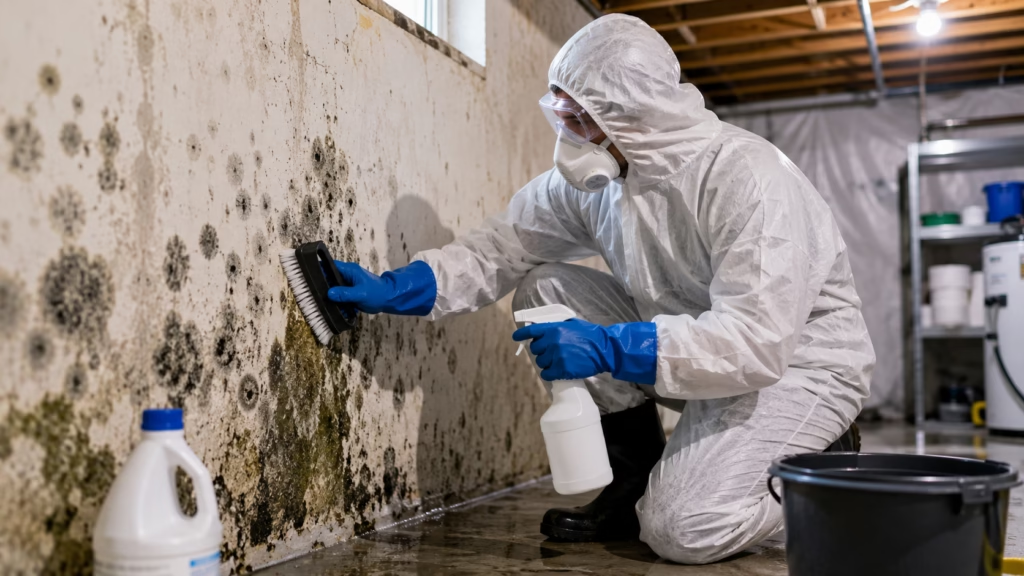
Table of Contents
Introduction
Discovering mold in your basement can be alarming. Whether it appears as dark stains creeping across walls, fuzzy patches on stored items, or a persistent musty odor that never seems to disappear, mold is more than just an aesthetic problem. It can affect indoor air quality, trigger allergic reactions, damage personal belongings, and gradually weaken parts of your home’s structure if left untreated.
Basements are particularly vulnerable to mold growth because they are often cooler, darker, and more humid than other areas of the home. Moisture from leaks, condensation, poor drainage, or inadequate ventilation can create ideal conditions for mold spores to thrive. Once mold establishes itself, it can spread quickly across walls, floors, furniture, and storage boxes.
The good news is that many basement mold problems can be successfully treated when addressed early. Understanding why mold develops, how to remove it safely, and how to prevent it from returning are essential steps toward maintaining a healthy and comfortable home. This guide explains everything homeowners need to know about treating mold in basement spaces, from identifying the source of moisture to implementing long-term prevention strategies.
Why Mold Commonly Develops in Basements
Basements provide an environment that naturally encourages mold growth. Mold requires moisture, organic material, and suitable temperatures to survive. Most basements offer all three.
One of the most common causes of basement mold is excessive humidity. Because basements are often located below ground level, they tend to retain moisture more readily than upper floors. Limited airflow can further trap humid air, creating an environment where mold spores can settle and multiply.
Water intrusion is another major contributor. Groundwater can seep through foundation cracks, leaking pipes can introduce constant moisture, and poorly functioning gutters can direct rainwater toward the foundation instead of away from it. Even small amounts of water entering the basement can create conditions that support mold growth.
Condensation also plays an important role. When warm indoor air comes into contact with cool basement walls, moisture can form on surfaces. Over time, repeated condensation creates damp conditions that encourage mold development.
Additionally, many common basement materials serve as food sources for mold. Drywall, wood framing, cardboard boxes, paper products, carpeting, and fabrics all contain organic matter that mold can consume as it grows.
Identifying Mold in Your Basement
The first step in treating mold is recognizing its presence and determining the extent of the problem.
Visible mold growth is often the most obvious sign. Mold can appear in a variety of colors, including black, green, gray, white, yellow, or even pink. It may look fuzzy, slimy, powdery, or stain-like depending on the species and the surface it is growing on.
A persistent musty odor is another strong indicator of mold. Sometimes the smell becomes noticeable before visible growth is discovered. If a basement smells damp or earthy despite regular cleaning, hidden mold may be present behind walls, under flooring, or inside stored materials.
Health symptoms can also signal mold exposure. Individuals who spend time in mold-contaminated environments may experience sneezing, coughing, nasal congestion, itchy eyes, headaches, skin irritation, or worsening asthma symptoms. These reactions may become more noticeable when entering the basement and improve after leaving the area.
Assessing the Severity of the Mold Problem
Not all mold infestations require the same treatment approach. The size and location of the affected area help determine whether a homeowner can safely manage the issue or whether professional remediation is necessary.
Small areas of mold covering less than ten square feet can often be addressed using proper safety precautions and cleaning methods. These situations typically involve surface-level contamination that has not spread extensively.
Larger infestations covering more than ten square feet require greater caution. Mold that has penetrated walls, ceilings, insulation, HVAC systems, or structural components often demands specialized equipment and expertise. Professional mold remediation companies have the training and containment procedures necessary to remove widespread contamination safely.
If mold repeatedly returns after cleaning, hidden moisture sources or concealed mold colonies may be present and should be investigated by professionals.
Essential Safety Precautions Before Removing Mold
Before beginning any mold removal project, personal safety must be the top priority. Disturbing mold colonies can release thousands of microscopic spores into the air, increasing the risk of inhalation and contamination of other areas.
Proper protective equipment is essential. A well-fitted N95 respirator or higher-rated mask helps reduce exposure to airborne spores. Protective goggles without ventilation holes prevent spores from reaching the eyes. Waterproof gloves protect the skin during cleaning, while disposable coveralls or old clothing help prevent contamination from spreading throughout the home.
Children, elderly individuals, pets, and people with respiratory conditions should be kept away from affected areas until cleanup is complete.
Step One: Eliminate the Source of Moisture
Mold cannot survive without moisture. Therefore, the most important step in treatment is identifying and eliminating the water source responsible for the infestation.
Inspect the basement carefully for signs of leaks. Check plumbing fixtures, water heaters, sump pumps, foundation walls, and basement windows. Look for damp spots, water stains, or active dripping.
Foundation cracks should be sealed using appropriate masonry products such as hydraulic cement or waterproof sealants. Exterior drainage issues should also be corrected. Gutters should be cleaned regularly, and downspouts should direct water several feet away from the foundation.
If groundwater intrusion is a recurring problem, installing a drainage system or consulting a waterproofing specialist may be necessary.
Without addressing moisture issues first, mold will likely return regardless of how thoroughly it is cleaned.
Step Two: Contain the Affected Area
Containment helps prevent mold spores from spreading throughout the house during the removal process.
Doors leading to the basement should remain closed whenever possible. Ventilation ducts and HVAC registers should be sealed temporarily with plastic sheeting and tape to prevent spores from entering the home’s air circulation system.
Creating negative air pressure can further reduce spore migration. This is often achieved by positioning a fan near a basement window and directing airflow outward, drawing contaminated air outside rather than into the home.
Professional remediation companies frequently use specialized containment systems, but basic isolation measures can significantly reduce contamination risks during smaller projects.
Step Three: Remove Contaminated Materials
The next step involves removing materials that cannot be adequately cleaned.
Porous materials such as drywall, insulation, carpeting, ceiling tiles, cardboard boxes, and heavily contaminated fabrics often need to be discarded. Mold can penetrate deeply into these materials, making complete removal difficult.
Wood surfaces can sometimes be salvaged if structural integrity remains intact and contamination is limited to the surface. Thorough cleaning and drying are essential in these cases.
Non-porous materials such as glass, metal, tile, and many plastics can usually be cleaned effectively without replacement.
All contaminated materials should be sealed in heavy-duty plastic bags before disposal to prevent spores from spreading during transport.
Step Four: Clean and Disinfect Affected Surfaces
Once damaged materials have been removed, remaining surfaces should be cleaned thoroughly.
Begin by scrubbing visible mold using warm water and a mild detergent solution. Cleaning removes dirt, debris, and the bulk of mold colonies from surfaces. A stiff brush may be helpful for concrete walls and unfinished surfaces.
After cleaning, a disinfecting solution may be applied. Commercial mold removal products are widely available and specifically formulated for this purpose. Some homeowners choose to use a diluted bleach solution consisting of one part bleach to ten parts water. If bleach is used, it should never be mixed with ammonia or other cleaning chemicals because dangerous fumes can result.
Allow the disinfectant sufficient contact time according to manufacturer recommendations before wiping surfaces dry.
The objective is not only to remove visible mold but also to reduce residual spores that could trigger future growth.
Step Five: Thoroughly Dry the Basement
Drying is a critical stage that is often overlooked. Even after mold removal, lingering moisture can allow new colonies to develop.
A high-capacity dehumidifier should be operated continuously until humidity levels stabilize below fifty percent. Multiple fans can be positioned throughout the basement to improve air circulation and accelerate drying.
Using a hygrometer to monitor humidity levels provides valuable information about environmental conditions. Maintaining low humidity is one of the most effective ways to prevent mold from returning.
Pay particular attention to corners, storage areas, and hidden spaces where moisture may linger longer than expected.
Long-Term Mold Prevention Strategies
Successfully removing mold is only half the battle. Preventing future growth requires ongoing moisture management and maintenance.
Controlling humidity is one of the most important preventive measures. A dehumidifier should remain in operation whenever humidity levels consistently exceed recommended ranges. Maintaining indoor humidity between thirty and fifty percent significantly reduces mold risk.
Improving ventilation also helps keep moisture levels under control. Basement bathrooms, laundry rooms, and utility spaces benefit from exhaust fans that remove humid air. Fresh air exchange systems can further improve air quality and moisture management.
Insulating cold surfaces can reduce condensation. Foundation walls, pipes, and ductwork are common locations where moisture forms when temperature differences exist.
Regular inspections are equally important. Homeowners should periodically check for signs of leaks, dampness, foundation cracks, and musty odors. Early detection allows small issues to be corrected before major mold problems develop.
Storage practices can also influence mold growth. Items should be kept off basement floors whenever possible and stored in plastic containers rather than cardboard boxes, which readily absorb moisture and support mold growth.
When Professional Mold Remediation Is Necessary
Although many homeowners can handle small mold issues independently, certain situations require professional intervention.
Professional remediation is recommended when mold covers a large area, returns repeatedly after cleaning, affects HVAC systems, or is associated with significant water damage. Individuals with severe allergies, asthma, compromised immune systems, or other respiratory conditions should also consider professional assistance.
Certified mold remediation specialists have access to specialized containment equipment, air filtration systems, moisture detection tools, and remediation techniques that ensure more thorough treatment.
In many cases, professional services can prevent ongoing problems and reduce long-term repair costs.
Conclusion
Mold in the basement is a common but potentially serious problem that should never be ignored. Left untreated, mold can compromise indoor air quality, damage personal belongings, and contribute to structural deterioration throughout the home. Fortunately, with prompt action and a systematic approach, most mold problems can be effectively controlled and prevented.
Successful treatment begins by identifying and eliminating moisture sources. Once water intrusion has been addressed, proper containment, cleaning, disinfection, and drying can eliminate existing mold growth. Long-term prevention depends on maintaining low humidity, improving ventilation, and conducting regular inspections to catch problems early.
Whether dealing with a small patch of surface mold or a larger infestation, taking action today can help protect your family’s health, preserve your home’s value, and ensure that your basement remains a clean, dry, and usable space for years to come.
Disclaimer
This article is for educational purposes only and does not replace professional medical advice, diagnosis, or treatment. Seizures, severe headache, confusion, visual changes, or blood pressure readings in the hypertensive crisis range require urgent medical evaluation.
Was this page helpful?
Thanks for your feedback! What could we improve?
Thank you! Your feedback helps us improve our articles.
True Impact Health articles are written by our editorial team and based on reliable sources such as public health agencies, clinical guidelines and peer-reviewed research. This article has not yet been medically reviewed. Read our editorial process.
This content is for general information and is not a substitute for professional medical advice, diagnosis or treatment.