Introduction
Hypertension, commonly known as high blood pressure, is one of the most widespread chronic health conditions worldwide. Millions of people live with elevated blood pressure levels, often without experiencing any obvious symptoms. Because hypertension can silently damage the heart, blood vessels, kidneys, brain, and eyes over time, it is frequently referred to as the “silent killer.” If left unmanaged, it significantly increases the risk of heart attacks, strokes, heart failure, kidney disease, and other serious health complications.
While medications are often necessary for controlling blood pressure, lifestyle modifications remain a cornerstone of hypertension management. Among these lifestyle changes, regular physical activity has consistently been shown to be one of the most effective non-pharmacological treatments. Exercise helps improve cardiovascular function, enhances blood vessel flexibility, reduces stress, supports weight management, and contributes to overall health.
For many individuals, exercising in a gym provides a structured and convenient way to remain physically active. Modern fitness facilities offer a variety of cardio and resistance machines that can be safely incorporated into a blood pressure-friendly exercise program. Understanding which machines are most beneficial and how to use them appropriately can help individuals with hypertension exercise safely while maximizing cardiovascular benefits.
This guide explores the relationship between exercise and blood pressure control, highlights the best gym machines for people with hypertension, and provides practical recommendations for designing a safe and effective workout routine.
Understanding Hypertension and the Importance of Exercise
Blood pressure refers to the force exerted by circulating blood against the walls of the arteries. When this pressure remains consistently elevated, the heart must work harder to pump blood throughout the body. Over time, this increased workload can damage blood vessels and place excessive strain on the cardiovascular system.
Exercise helps counteract many of the physiological changes associated with hypertension. One of the most important benefits is improved vascular function. During physical activity, blood vessels expand to accommodate increased blood flow. Repeated exposure to this process helps improve arterial flexibility and elasticity, allowing blood to circulate more efficiently and reducing overall vascular resistance.
Regular exercise also strengthens the heart muscle. As the heart becomes more efficient, it can pump a greater volume of blood with each contraction. This means the heart does not need to work as hard to meet the body’s demands, ultimately lowering resting blood pressure.
In addition, physical activity contributes to healthy body weight maintenance. Excess body weight is strongly associated with hypertension, and even modest weight loss can lead to meaningful reductions in blood pressure. Exercise also improves insulin sensitivity, reduces inflammation, and helps regulate hormones involved in blood pressure control.
Stress reduction represents another important benefit. Chronic stress can contribute to elevated blood pressure through increased production of stress hormones such as cortisol and adrenaline. Exercise promotes the release of endorphins and other mood-enhancing chemicals that help reduce anxiety and support emotional well-being.
Research has shown that individuals who engage in regular aerobic exercise can often lower their systolic blood pressure by approximately 5 to 10 mmHg, a reduction comparable to the effect of certain blood pressure medications.
The Best Gym Machines for Individuals with Hypertension
Not all exercise equipment provides the same benefits for people managing high blood pressure. Machines that promote steady, moderate-intensity cardiovascular activity are generally the most effective and safest options.
Treadmill
The treadmill remains one of the most popular and effective machines for improving cardiovascular health. Walking on a treadmill provides an accessible form of aerobic exercise that can be adjusted to match individual fitness levels.
For individuals with hypertension, treadmill walking is often preferable to running, particularly during the early stages of a fitness program. Walking allows for gradual increases in intensity without placing excessive strain on the cardiovascular system.
A good starting point involves walking at a comfortable pace between 2.5 and 3.5 miles per hour. As fitness improves, incline settings can be gradually increased to enhance cardiovascular conditioning without requiring high speeds. Most individuals benefit from sessions lasting between twenty and thirty minutes, performed several times per week.
Treadmill exercise improves circulation, strengthens the heart, burns calories, and contributes to blood pressure reduction when performed consistently.
Stationary Bicycle
The stationary bicycle is another excellent option for individuals with hypertension. Cycling provides a low-impact form of exercise that is gentle on the joints while still delivering substantial cardiovascular benefits.
Unlike some weight-bearing exercises, cycling minimizes stress on the knees, hips, and ankles. This makes it particularly attractive for older adults or individuals with arthritis, obesity, or mobility limitations.
When using a stationary bicycle, maintaining a steady cadence between sixty and eighty revolutions per minute is generally recommended. Resistance levels should remain moderate enough to allow comfortable conversation during exercise. This intensity typically corresponds to approximately fifty to seventy percent of maximum heart rate.
Sessions lasting twenty to forty minutes can significantly improve cardiovascular fitness and support long-term blood pressure control.
Elliptical Trainer
The elliptical trainer combines the benefits of walking, stair climbing, and cross-country skiing into one machine. It engages both the upper and lower body simultaneously, increasing overall energy expenditure and cardiovascular demand.
Because the feet remain in contact with the pedals throughout the movement, the elliptical minimizes joint impact while providing an effective aerobic workout. This makes it suitable for individuals seeking a more dynamic exercise option without the stress associated with running.
For individuals with hypertension, moderate resistance settings are generally sufficient. Focusing on smooth, controlled movements rather than speed helps maintain a safe and sustainable workout intensity.
Fifteen to thirty minutes on an elliptical trainer can improve endurance, promote calorie expenditure, and contribute to healthier blood pressure levels.
Rowing Machine
The rowing machine offers a comprehensive full-body workout that combines cardiovascular conditioning with muscular engagement. Unlike many cardio machines that primarily target the lower body, rowing activates the legs, core, back, shoulders, and arms.
When performed correctly, rowing provides an efficient means of improving cardiovascular fitness while building muscular endurance. However, beginners should focus on proper technique before increasing workout duration or intensity.
A stroke rate of approximately twenty to twenty-four strokes per minute is generally appropriate for most individuals with hypertension. Initial sessions may last ten to fifteen minutes, with gradual progression as fitness improves.
The rowing machine can be particularly valuable for those seeking variety in their cardiovascular routine while strengthening multiple muscle groups simultaneously.
Stair Climber or StepMill
Stair climbers simulate the motion of climbing stairs, providing an effective cardiovascular workout while strengthening the lower body. This machine primarily targets the quadriceps, glutes, hamstrings, and calves.
Because stair climbing can elevate heart rate relatively quickly, individuals with hypertension should begin at lower resistance and slower stepping speeds. Proper posture and controlled breathing are essential throughout the workout.
Initial sessions lasting ten to twenty minutes are often sufficient to provide meaningful cardiovascular benefits. Over time, increased endurance and improved cardiovascular efficiency may allow for longer durations.
The stair climber can be particularly useful for individuals seeking to improve lower-body strength while simultaneously supporting blood pressure management.
Designing a Hypertension-Friendly Gym Routine
Creating a structured workout plan helps ensure that exercise remains safe, effective, and sustainable.
Warm-Up Phase
Every exercise session should begin with a gradual warm-up lasting five to ten minutes. The purpose of the warm-up is to prepare the cardiovascular system for increased activity and reduce the risk of injury.
Gentle walking on a treadmill or easy cycling on a stationary bike provides an excellent start. Dynamic stretching exercises involving the arms, legs, and torso can further improve mobility and circulation.
A proper warm-up allows heart rate and blood pressure to rise gradually rather than abruptly.
Main Workout Phase
The primary portion of the workout should emphasize moderate-intensity aerobic exercise. Most individuals benefit from twenty to thirty minutes of continuous activity using one or more cardiovascular machines.
Exercise intensity should remain moderate. A simple guideline is the “talk test.” If you can carry on a conversation while exercising but cannot sing comfortably, you are likely working within an appropriate intensity range.
Resistance training can also be incorporated. Machine-based resistance exercises such as the chest press, seated row, leg press, and leg extension offer controlled movements that reduce injury risk.
Two sets of ten to twelve repetitions using light to moderate resistance are typically sufficient. The focus should remain on controlled movement and proper breathing rather than lifting heavy weights.
Cool-Down Phase
The cool-down phase is often overlooked but remains extremely important for individuals with hypertension. Abruptly stopping exercise can lead to sudden changes in blood pressure and circulation.
A cool-down period lasting five to ten minutes allows heart rate and blood pressure to gradually return toward resting levels. Slow walking, easy cycling, and gentle stretching help facilitate recovery and reduce post-exercise dizziness.
Important Safety Considerations
Individuals with hypertension should always consult their healthcare provider before beginning a new exercise program, particularly if blood pressure is poorly controlled or if other medical conditions are present.
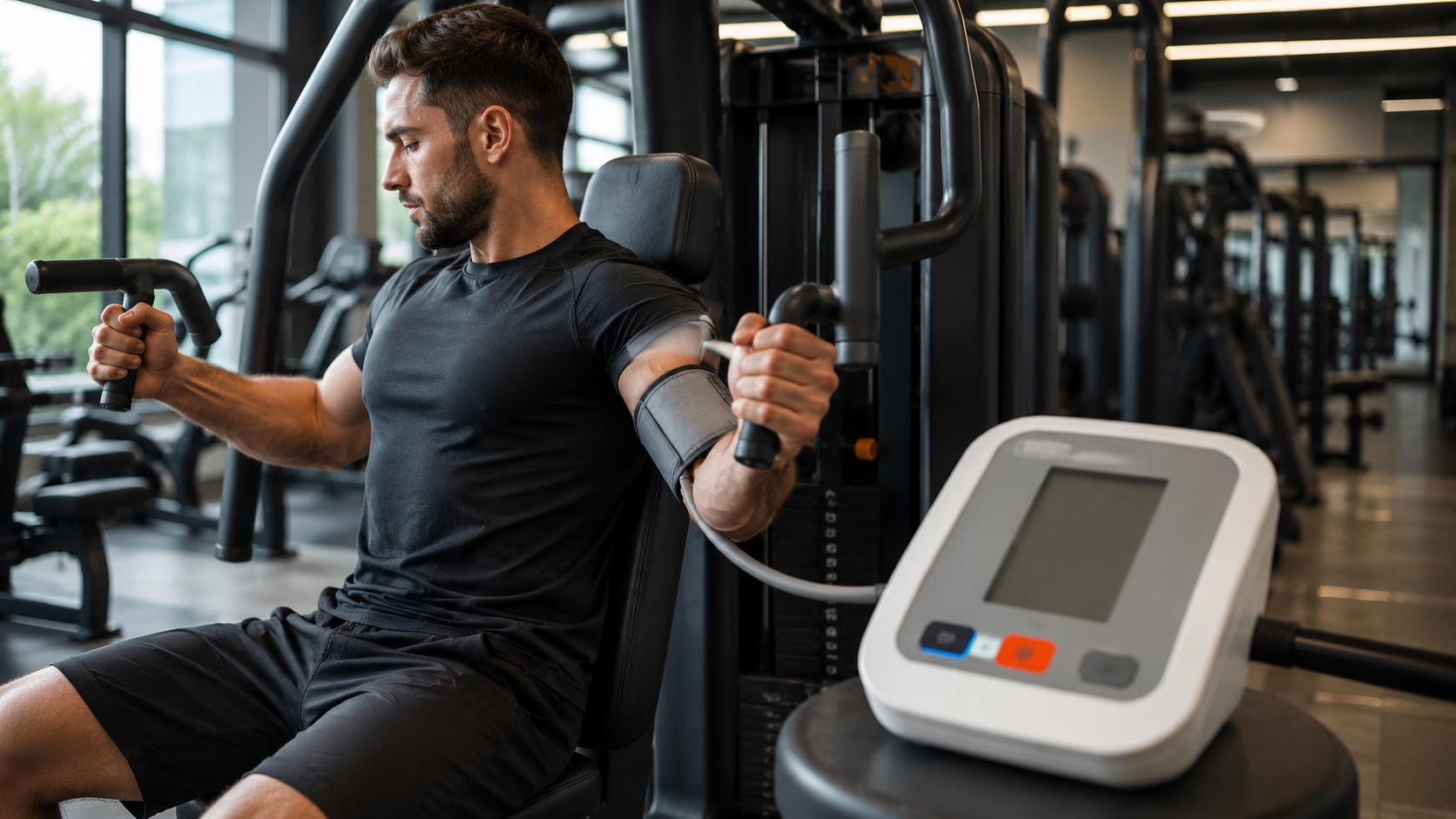
Blood pressure should be monitored regularly. Some individuals find it helpful to record readings before and after exercise sessions to track progress and ensure safe responses to physical activity.
Heavy lifting and prolonged isometric exercises should generally be avoided because they can cause temporary but significant spikes in blood pressure. Examples include maximal lifts, heavy squats, and exercises involving prolonged breath-holding.
Proper breathing techniques are essential. Exhaling during exertion and inhaling during relaxation helps prevent excessive increases in blood pressure.
Adequate hydration should also be maintained. Dehydration can negatively affect cardiovascular function and may contribute to dizziness during exercise.
If symptoms such as chest pain, severe shortness of breath, palpitations, dizziness, fainting, or severe headaches occur, exercise should be stopped immediately and medical attention sought.
Monitoring Progress and Staying Motivated
Consistency is the key to achieving long-term blood pressure improvements. Individuals who exercise regularly often experience gradual but meaningful reductions in blood pressure over several weeks and months.
Maintaining a fitness journal can be highly beneficial. Recording exercise duration, machine usage, intensity levels, and blood pressure readings helps track progress and identify patterns.
Setting realistic goals improves motivation and adherence. Goals should be specific, measurable, achievable, relevant, and time-bound. For example, aiming to complete thirty minutes of treadmill walking four days per week provides a clear target.
Variety can also help maintain enthusiasm. Rotating between different cardio machines prevents boredom and challenges the body in different ways.
Many individuals benefit from exercising with a friend, participating in group fitness classes, or working with a certified fitness professional. Social support often increases accountability and long-term adherence.
Conclusion
Exercise is one of the most powerful tools available for managing hypertension and improving cardiovascular health. Regular physical activity helps strengthen the heart, improve blood vessel function, reduce stress, support weight management, and lower blood pressure naturally.
Gym machines such as treadmills, stationary bicycles, elliptical trainers, rowing machines, and stair climbers provide safe and effective options for individuals living with hypertension. When combined with proper warm-ups, moderate exercise intensity, resistance training, and cool-down periods, these machines can form the foundation of a comprehensive blood pressure management program.
Success depends on consistency, gradual progression, and adherence to safety guidelines. By working closely with healthcare providers and maintaining a structured exercise routine, individuals with hypertension can significantly improve their cardiovascular health, reduce their risk of complications, and enjoy a higher quality of life for years to come.
Disclaimer
This article is for educational purposes only and does not replace professional medical advice, diagnosis, or treatment. Seizures, severe headache, confusion, visual changes, or blood pressure readings in the hypertensive crisis range require urgent medical evaluation.