














Alaska Kidney and Hypertension
Alaska is known for its breathtaking wilderness, rugged landscapes, and resilient communities. From the remote villages of the Arctic to the bustling...
By True Impact Health Editorial Team

Dr. Oluwabusola Stella OkeMedical Reviewer, True Impact Health
Medical graduate of Girne American University with a focus on patient-centred care, clinical assessment and preventive health.
Reviewed this article on October 15, 2026.
View profile How we reviewUpdated on June 13, 2026 9 min read
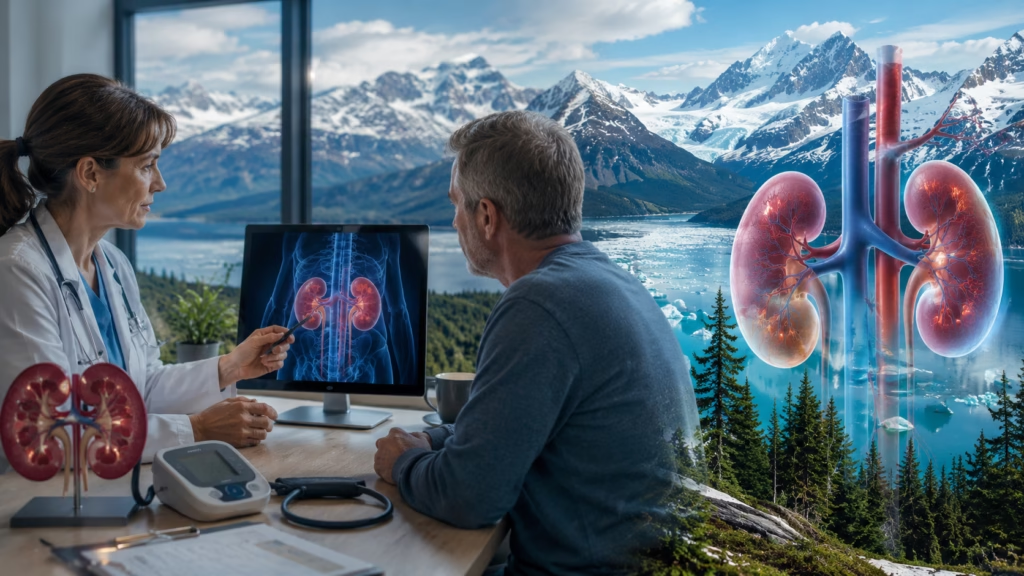
Table of Contents
Introduction
Alaska is known for its breathtaking wilderness, rugged landscapes, and resilient communities. From the remote villages of the Arctic to the bustling streets of Anchorage, Alaskans often embrace lifestyles that require independence, adaptability, and strength. However, living in such a unique environment can also present challenges when it comes to healthcare, particularly for individuals managing chronic conditions such as hypertension and kidney disease.
High blood pressure and kidney disease are closely linked health concerns that affect millions of people across the United States. Left unmanaged, each condition can worsen the other, creating a cycle that increases the risk of heart disease, stroke, kidney failure, and other serious complications. In Alaska, factors such as geographic isolation, limited access to specialty care, dietary habits, and harsh seasonal conditions can make prevention and management even more challenging.
Organizations such as Alaska Kidney and Hypertension play a vital role in helping patients understand their health risks, access specialized care, and develop effective strategies for protecting kidney function and controlling blood pressure. By understanding how the kidneys and cardiovascular system work together, individuals can take proactive steps to maintain their health and reduce their risk of long-term complications.
Understanding the Relationship Between Kidneys and Blood Pressure
The kidneys perform many essential functions that extend far beyond simply filtering waste from the bloodstream. These remarkable organs help regulate fluid balance, maintain electrolyte levels, produce hormones, and control blood pressure. Because of these responsibilities, kidney health and blood pressure are deeply interconnected.
One of the kidneys’ primary functions is regulating the amount of fluid circulating throughout the body. When excess fluid accumulates, blood volume increases, causing blood pressure to rise. The kidneys continuously adjust fluid levels by filtering and excreting excess water through urine. When kidney function becomes impaired, this delicate balance can be disrupted, leading to elevated blood pressure.
The kidneys also regulate important minerals such as sodium and potassium. Excess sodium contributes to fluid retention and increased blood pressure, while proper potassium balance helps support healthy blood vessel function. Any disturbance in these processes can affect cardiovascular health.
In addition, the kidneys play a central role in controlling blood pressure through the renin-angiotensin-aldosterone system (RAAS). This hormonal system helps regulate blood vessel constriction, fluid retention, and sodium balance. When activated excessively, it can contribute to persistent hypertension and increased strain on both the heart and kidneys.
Because of these critical functions, healthy kidneys are essential for maintaining healthy blood pressure levels.
How Hypertension Damages the Kidneys
While the kidneys help regulate blood pressure, high blood pressure can also damage the kidneys over time. This relationship creates a dangerous cycle that often progresses silently for years before symptoms appear.
Inside each kidney are millions of tiny filtering units called nephrons. These structures contain delicate blood vessels known as glomeruli that remove waste and excess fluid from the bloodstream. Persistent hypertension places excessive pressure on these small vessels, causing them to thicken, narrow, and become damaged.
As the blood vessels deteriorate, the kidneys become less efficient at filtering waste products and maintaining fluid balance. This decline in function may initially go unnoticed because the kidneys possess significant reserve capacity. However, as damage accumulates, chronic kidney disease (CKD) can develop.
One of the earliest signs of kidney damage is proteinuria, a condition in which protein leaks into the urine because the kidney filters are no longer functioning properly. Over time, progressive kidney damage may lead to worsening hypertension, further accelerating the disease process.
Without intervention, chronic kidney disease can eventually progress to end-stage renal disease (ESRD), requiring dialysis or kidney transplantation to sustain life.
Kidney Disease and Hypertension in Alaska
The burden of kidney disease and hypertension affects communities throughout Alaska, although unique geographic and environmental factors influence how these conditions are diagnosed and managed.
Many Alaskans live in remote areas where access to specialized healthcare services may be limited. Traveling to a nephrologist or hypertension specialist can require significant time, expense, and logistical planning. These barriers sometimes delay preventive screenings and follow-up care.
Dietary factors can also contribute to elevated blood pressure and kidney disease risk. In some communities, preserved, canned, smoked, or packaged foods may play a larger role in the diet due to storage needs and seasonal limitations. These foods often contain higher levels of sodium, which can increase blood pressure and place additional stress on the kidneys.
The state’s long winters and seasonal variations may also influence physical activity patterns. Reduced outdoor activity during colder months can contribute to weight gain, decreased cardiovascular fitness, and worsening blood pressure control.
Certain Alaska Native populations experience higher rates of diabetes, cardiovascular disease, and related risk factors. These conditions significantly increase the likelihood of developing both hypertension and chronic kidney disease, making early intervention especially important.
Major Risk Factors for Kidney Disease and Hypertension
Understanding personal risk factors is one of the most effective ways to prevent serious health complications.
Age is an important consideration because both hypertension and kidney disease become more common as individuals grow older. The natural aging process can affect blood vessel elasticity and kidney function, increasing vulnerability to chronic disease.
A family history of hypertension, kidney disease, diabetes, or cardiovascular disease may also elevate risk. Genetics can influence how the body regulates blood pressure and responds to environmental factors.
Excess body weight contributes significantly to hypertension by increasing strain on the heart and blood vessels. Obesity is also closely linked to diabetes, another major cause of kidney damage.
Dietary habits play a substantial role. High sodium intake encourages fluid retention and raises blood pressure, while poor overall nutrition can contribute to metabolic dysfunction and inflammation.
Smoking damages blood vessels throughout the body, including those within the kidneys. Excessive alcohol consumption can also contribute to elevated blood pressure and cardiovascular strain.
Diabetes remains one of the leading causes of kidney disease worldwide. Elevated blood glucose levels gradually damage the kidney’s filtering structures, reducing their effectiveness over time.
Recognizing Early Warning Signs
One of the challenges associated with kidney disease is that symptoms often do not appear until significant damage has already occurred. For this reason, chronic kidney disease is frequently referred to as a “silent disease.”
Nevertheless, certain warning signs should never be ignored. Swelling in the feet, ankles, hands, or around the eyes may indicate that the kidneys are struggling to regulate fluid balance. This condition, known as edema, can develop gradually and worsen over time.
Persistent fatigue is another common symptom. As kidney function declines, waste products accumulate in the bloodstream, leading to decreased energy levels and impaired concentration.
Changes in urination may also signal kidney problems. Individuals may notice increased or decreased urine output, changes in urine color, foamy urine caused by protein leakage, or increased nighttime urination.
High blood pressure itself may be both a cause and a consequence of kidney disease. Consistently elevated readings should always be evaluated by a healthcare professional.
In advanced stages, symptoms may include nausea, appetite loss, muscle cramps, shortness of breath, and difficulty concentrating.
Lifestyle Strategies for Protecting Kidney Health
Lifestyle modifications form the foundation of both hypertension prevention and kidney disease management.
A kidney-friendly diet focuses on nutrient-dense foods while limiting excess sodium. Fresh fruits, vegetables, whole grains, legumes, and lean proteins support cardiovascular and kidney health. Reading food labels and reducing processed food consumption can dramatically decrease sodium intake.
Physical activity is equally important. Regular exercise helps lower blood pressure, improve circulation, maintain healthy body weight, and reduce cardiovascular risk. Even moderate activities such as walking, cycling, swimming, or indoor fitness programs can provide significant benefits.
For Alaskans, seasonal adaptations may be necessary. Winter-friendly activities such as indoor exercise classes, home workout programs, snowshoeing, and cross-country skiing can help maintain fitness year-round.
Maintaining adequate hydration supports kidney function, although individuals with advanced kidney disease should follow personalized fluid recommendations provided by their healthcare team.
Smoking cessation remains one of the most powerful interventions for protecting blood vessels and preserving kidney function. Limiting alcohol consumption also contributes to healthier blood pressure levels and overall cardiovascular health.
The Importance of Monitoring and Early Detection
Routine screening plays a critical role in preventing complications associated with kidney disease and hypertension.
Regular blood pressure monitoring allows individuals to identify concerning trends before significant damage occurs. Home blood pressure monitors have become increasingly accessible and provide valuable information between clinic visits.
Annual kidney function testing is recommended for individuals with hypertension, diabetes, or other risk factors. Common tests include estimated glomerular filtration rate (eGFR), which measures kidney filtering capacity, and urine albumin testing, which detects protein leakage.
Early detection often allows for interventions that can significantly slow disease progression and improve long-term outcomes.
Medical Management and Treatment Options
When lifestyle modifications alone are insufficient, medical treatment becomes necessary to protect both kidney and cardiovascular health.
ACE inhibitors and angiotensin receptor blockers (ARBs) are commonly prescribed because they lower blood pressure while providing protective benefits for the kidneys. These medications help reduce pressure within the kidney’s filtering units and slow the progression of kidney damage.
Diuretics may be used to reduce fluid retention and help control blood pressure. By removing excess fluid from the body, these medications reduce workload on both the heart and kidneys.
For patients with diabetes, careful blood sugar control is essential. Effective diabetes management significantly reduces the risk of kidney damage and cardiovascular complications.
In advanced stages of kidney disease, dialysis or kidney transplantation may become necessary. Early referral to nephrology specialists helps ensure that patients receive timely education and access to appropriate treatment options.
Telehealth and Expanding Access to Care in Alaska
One of the most significant advances in healthcare delivery for Alaskans has been the expansion of telehealth services.
Virtual appointments allow patients to consult with nephrologists, hypertension specialists, dietitians, and other healthcare professionals without traveling long distances. This improves continuity of care and makes specialist expertise more accessible to remote communities.
Outreach clinics and community health programs further enhance access by bringing specialized services directly to underserved areas. Educational workshops, blood pressure screening programs, and chronic disease management initiatives help empower patients to take an active role in their health.
By combining technology with community-based healthcare, Alaska Kidney and Hypertension specialists can provide high-quality care to patients regardless of their location.
Conclusion
The relationship between kidney health and blood pressure is both powerful and complex. Healthy kidneys play a critical role in regulating blood pressure, while uncontrolled hypertension can gradually damage kidney function and lead to chronic disease. In Alaska, unique environmental and geographic factors make awareness, prevention, and early intervention especially important.
By understanding risk factors, recognizing warning signs, adopting healthy lifestyle habits, and seeking regular medical care, Alaskans can significantly reduce their risk of kidney disease and hypertension-related complications. Organizations such as Alaska Kidney and Hypertension provide valuable expertise, specialized treatment, and innovative telehealth solutions that help patients maintain their health regardless of where they live.
Taking proactive steps today can protect kidney function, improve blood pressure control, and support a healthier future. With proper monitoring, effective treatment, and a commitment to long-term wellness, individuals can continue enjoying the beauty and adventure of Alaska while safeguarding one of their body’s most vital systems.
Disclaimer
This article is for educational purposes only and does not replace professional medical advice, diagnosis, or treatment. Seizures, severe headache, confusion, visual changes, or blood pressure readings in the hypertensive crisis range require urgent medical evaluation.
Was this page helpful?
Thanks for your feedback! What could we improve?
Thank you! Your feedback helps us improve our articles.
Medically reviewed by
Dr. Oluwabusola Stella OkeMedical graduate of Girne American University with a focus on patient-centred care, clinical assessment and preventive health.
True Impact Health articles are written by our editorial team and based on reliable sources such as public health agencies, clinical guidelines and peer-reviewed research. This article has been checked by a doctor on our review panel. Read our editorial process.
This content is for general information and is not a substitute for professional medical advice, diagnosis or treatment.