















Nevada Kidney Disease & Hypertension Centers
Kidney disease and hypertension are among the most significant public health challenges affecting millions of Americans today. These two conditions are...

Table of Contents
Introduction
Kidney disease and hypertension are among the most significant public health challenges affecting millions of Americans today. These two conditions are closely connected, often existing together and creating a cycle that can progressively damage the body’s vital organs. High blood pressure is one of the leading causes of kidney disease, while impaired kidney function can make blood pressure increasingly difficult to control. Without proper treatment, this relationship can lead to serious complications including heart disease, stroke, kidney failure, and reduced quality of life.
For Nevada residents facing these health concerns, access to specialized medical care is essential. Nevada Kidney Disease & Hypertension Centers provide comprehensive services designed to diagnose, treat, and manage kidney disorders and blood pressure conditions at every stage. Through advanced medical technology, experienced specialists, personalized treatment plans, and ongoing patient support, these centers help individuals take control of their health and improve long-term outcomes.
Whether you have recently received a diagnosis, are managing a chronic condition, or are seeking preventative care because of risk factors, understanding the services and benefits offered by Nevada Kidney Disease & Hypertension Centers can help you make informed decisions about your healthcare journey.
Understanding Kidney Disease and Hypertension
Before exploring the services available at specialized treatment centers, it is important to understand the connection between kidney disease and hypertension.
What Is Chronic Kidney Disease?
Chronic kidney disease, commonly referred to as CKD, is a progressive condition in which the kidneys gradually lose their ability to filter waste products and excess fluids from the blood. Healthy kidneys play a critical role in maintaining electrolyte balance, regulating blood pressure, supporting red blood cell production, and removing toxins from the body.
When kidney function declines, waste products can accumulate in the bloodstream, leading to a variety of symptoms and complications. In the early stages, many individuals may not experience noticeable symptoms, which is why routine screening and early detection are so important.
As kidney disease advances, patients may develop fatigue, swelling, high blood pressure, nausea, fluid retention, anemia, and other complications. Without appropriate treatment, chronic kidney disease can eventually progress to end-stage renal disease, requiring dialysis or kidney transplantation.
What Is Hypertension?
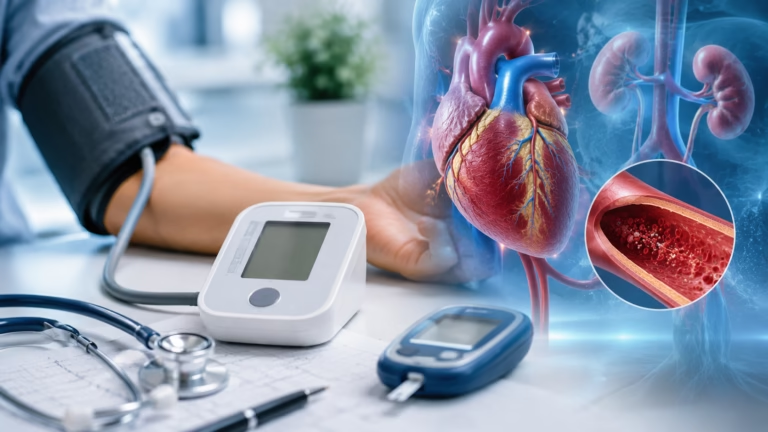
Hypertension, or high blood pressure, occurs when the force of blood against artery walls remains consistently elevated over time. Blood pressure is measured using two numbers: systolic pressure, which reflects the force exerted when the heart beats, and diastolic pressure, which represents the pressure between heartbeats.
Persistent high blood pressure places excessive strain on blood vessels and organs throughout the body. Over time, this damage can affect the heart, brain, eyes, and kidneys.
Hypertension is often called the “silent killer” because many individuals experience no symptoms until serious complications develop. Regular blood pressure monitoring is therefore essential for early detection and management.
The Relationship Between Kidney Disease and Hypertension
Kidney disease and hypertension are closely interconnected.
High blood pressure damages the small blood vessels within the kidneys, reducing their ability to filter blood effectively. As kidney function deteriorates, the kidneys become less capable of regulating fluid balance and blood pressure. This often causes blood pressure to rise even further, creating a harmful cycle that accelerates kidney damage.
Because of this relationship, effective management of blood pressure is one of the most important strategies for slowing the progression of chronic kidney disease and reducing the risk of kidney failure.
Common Risk Factors
Several factors increase the likelihood of developing kidney disease, hypertension, or both conditions simultaneously.
Age is one of the most significant risk factors. The risk of kidney dysfunction and high blood pressure increases as individuals grow older.
Diabetes is another major contributor. Elevated blood glucose levels can damage blood vessels throughout the body, including those in the kidneys.
A family history of kidney disease or hypertension can increase susceptibility, suggesting a genetic component in some cases.
Obesity and physical inactivity contribute to elevated blood pressure and increase the risk of diabetes, both of which can negatively impact kidney health.
Certain ethnic groups, including African Americans, Hispanics, Native Americans, and Pacific Islanders, experience higher rates of kidney disease and hypertension compared to the general population.
Smoking, excessive alcohol consumption, poor dietary habits, and chronic stress can further increase risk and worsen disease progression.
The Importance of Specialized Kidney and Hypertension Centers
Managing kidney disease and hypertension often requires more than routine primary care. These complex conditions benefit from specialized evaluation, advanced diagnostics, and coordinated treatment strategies.
Nevada Kidney Disease & Hypertension Centers serve as comprehensive care facilities focused specifically on kidney health and blood pressure management. Their multidisciplinary approach enables patients to receive expert care tailored to their individual medical needs.
Early and Accurate Diagnosis
One of the greatest advantages of specialized centers is their ability to detect kidney disease and hypertension early.
Advanced diagnostic testing allows healthcare providers to identify subtle changes in kidney function before significant symptoms develop. Early intervention often leads to better outcomes and may slow or prevent disease progression.
Diagnostic services typically include:
- Comprehensive blood testing
- Urine analysis
- Kidney function panels
- Blood pressure monitoring
- Renal ultrasound imaging
- CT scans and other imaging studies
- Genetic testing when clinically indicated
By identifying risk factors and disease markers early, providers can implement targeted treatment plans before complications arise.
Comprehensive Treatment Planning
Every patient has unique health challenges, medical histories, and treatment goals. Nevada Kidney Disease & Hypertension Centers emphasize individualized care plans designed specifically for each patient.
Treatment may involve:
- Blood pressure management
- Kidney disease monitoring
- Medication optimization
- Nutritional counseling
- Weight management programs
- Lifestyle modification support
- Coordination with primary care physicians and specialists
This personalized approach helps ensure that treatment remains effective and adaptable as patients’ needs evolve.
Continuous Monitoring and Follow-Up
Kidney disease and hypertension require ongoing monitoring to prevent complications and evaluate treatment effectiveness.
Specialized centers provide routine follow-up appointments, laboratory testing, and blood pressure assessments to track progress over time.
Many facilities also offer telemedicine services, allowing patients to connect with providers remotely for consultations, medication adjustments, and routine follow-up care.
This continuity of care helps patients remain engaged in their treatment plans while reducing barriers to access.
Services Offered at Nevada Kidney Disease & Hypertension Centers
Nevada Kidney Disease & Hypertension Centers provide a broad range of services designed to address every stage of kidney and blood pressure management.
Comprehensive Diagnostic Services
Accurate diagnosis forms the foundation of effective treatment.
Patients have access to advanced testing technologies that evaluate kidney structure, kidney function, and cardiovascular health.
Diagnostic services often include:
- Kidney ultrasounds
- CT imaging
- Urine protein testing
- Glomerular filtration rate (GFR) assessment
- Electrolyte analysis
- Blood pressure evaluations
- Cardiovascular risk assessments
These evaluations help providers identify disease severity and determine the most appropriate treatment approach.
Dialysis Services
For patients with advanced kidney disease or kidney failure, dialysis becomes a critical component of care.
Nevada centers often offer both hemodialysis and peritoneal dialysis options.
In-center hemodialysis allows patients to receive treatment under the supervision of trained medical professionals. Flexible scheduling options help accommodate work, family, and personal commitments.
For eligible individuals, home-based peritoneal dialysis provides greater independence and convenience while maintaining effective treatment outcomes.
Kidney Transplant Coordination
For many patients with end-stage renal disease, kidney transplantation offers the best opportunity for long-term health and improved quality of life.
Specialized centers assist with:
- Transplant evaluations
- Eligibility assessments
- Pre-transplant preparation
- Post-transplant monitoring
- Coordination with regional transplant programs
Comprehensive transplant support helps patients navigate the complex process with confidence.
Nutrition and Lifestyle Counseling
Diet plays a crucial role in managing both kidney disease and hypertension.
Registered dietitians work closely with patients to develop individualized nutrition plans that support kidney function while controlling blood pressure.
Topics commonly addressed include:
- Sodium restriction
- Potassium management
- Fluid regulation
- Protein intake
- Weight management
- Diabetes-friendly meal planning
Lifestyle counseling also includes recommendations for physical activity, stress reduction, smoking cessation, and overall wellness.
Patient Education Programs
Education empowers patients to take an active role in managing their health.
Nevada Kidney Disease & Hypertension Centers often provide educational workshops, one-on-one coaching sessions, and support programs covering topics such as:
- Understanding kidney disease
- Blood pressure management
- Medication adherence
- Dialysis preparation
- Healthy lifestyle practices
- Prevention of complications
Knowledgeable patients are often better equipped to make informed healthcare decisions and achieve positive outcomes.
Advanced Technologies and Innovative Treatments
Modern kidney and hypertension care continues to evolve through technological innovation.
Many Nevada centers incorporate advanced therapies and monitoring tools that enhance patient care.
Innovations may include:
- Hemodiafiltration for enhanced toxin removal
- Remote blood pressure monitoring systems
- Telehealth consultations
- Predictive analytics for disease progression
- Wearable monitoring technologies
- Electronic medication management systems
These advancements support more personalized care while improving convenience and treatment effectiveness.
A Patient-Centered Approach to Care
What distinguishes Nevada Kidney Disease & Hypertension Centers is their commitment to treating the whole person, not just the disease.
Individualized Care Plans
Providers work collaboratively with patients to establish realistic goals and treatment priorities.
Care plans are regularly reviewed and adjusted based on laboratory results, symptom changes, lifestyle factors, and patient preferences.
This personalized approach helps maximize treatment success and patient satisfaction.
Emotional and Mental Health Support
Living with chronic illness can create emotional and psychological challenges.
Many centers provide access to social workers, counselors, and mental health professionals who help patients cope with anxiety, depression, stress, and lifestyle adjustments associated with chronic disease.
Support services contribute significantly to overall well-being and quality of life.
Community Resources
Additional support services may include:
- Transportation assistance
- Financial counseling
- Insurance navigation
- Disability resource referrals
- Community support programs
These resources help address practical challenges that can affect healthcare access and treatment adherence.
Insurance and Financial Assistance
The financial aspects of managing chronic kidney disease and hypertension can sometimes feel overwhelming.
Nevada Kidney Disease & Hypertension Centers often employ dedicated billing specialists who assist patients with understanding insurance coverage and navigating complex healthcare systems.
Support may include:
- Medicare guidance
- Medicaid assistance
- Private insurance coordination
- Cost estimates
- Payment plan options
- Financial aid applications
- Referrals to charitable assistance programs
These services help patients focus on their health while minimizing financial stress.
Conclusion
Kidney disease and hypertension are serious conditions that require expert care, ongoing monitoring, and comprehensive management. Because these disorders are so closely linked, addressing both simultaneously is critical for preventing complications and preserving long-term health.
Nevada Kidney Disease & Hypertension Centers provide a full spectrum of services designed to support patients at every stage of their healthcare journey. From advanced diagnostics and personalized treatment plans to dialysis services, transplant coordination, nutritional counseling, and emotional support, these centers deliver integrated care focused on improving outcomes and enhancing quality of life.
Whether you are newly diagnosed, managing chronic disease, or seeking preventative care due to risk factors, partnering with a specialized kidney and hypertension center can provide the expertise, resources, and support needed to achieve better health. By taking proactive steps today, you can protect your kidneys, manage your blood pressure, and build a healthier future for years to come.
Disclaimer
This article is for educational purposes only and does not replace professional medical advice, diagnosis, or treatment. Seizures, severe headache, confusion, visual changes, or blood pressure readings in the hypertensive crisis range require urgent medical evaluation.
Was this page helpful?
Thanks for your feedback! What could we improve?
Thank you! Your feedback helps us improve our articles.
True Impact Health articles are written by our editorial team and based on reliable sources such as public health agencies, clinical guidelines and peer-reviewed research. This article has not yet been medically reviewed. Read our editorial process.
This content is for general information and is not a substitute for professional medical advice, diagnosis or treatment.