













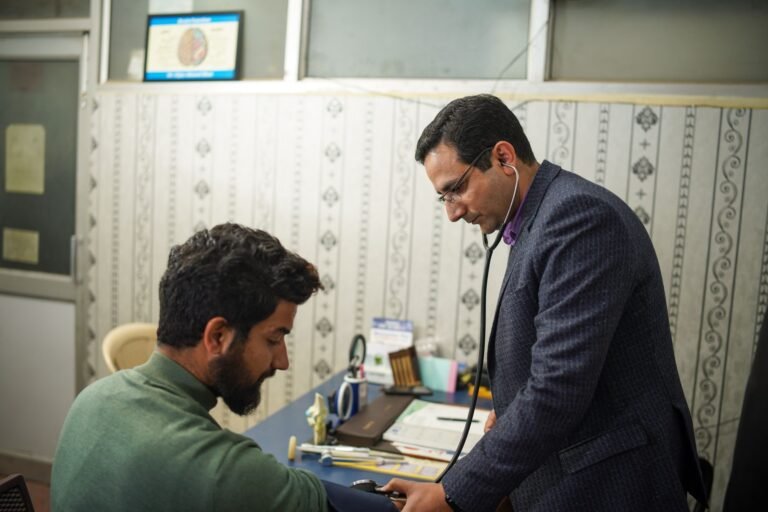





Understanding Sexual Health Screening: Key Insights and Benefits
Explore the importance of sexual health screening, its benefits, and what to expect during the process for better health and well-being.

Table of Contents
Key Takeaways
- Sexual health screenings are crucial for early detection.
- Regular screenings can prevent serious health issues.
- Know what tests to expect during a screening.
- Consult healthcare professionals for personalized advice.
Sexual health is an essential aspect of overall well-being, yet it often remains a topic shrouded in stigma and misunderstanding. Regular sexual health screenings play a vital role in promoting sexual well-being and preventing potential health issues. This guide will provide comprehensive insights into sexual health screenings, including their importance, what they entail, and how to prepare for them.
Many individuals may feel apprehensive about the idea of sexual health screening. However, understanding the process, the tests involved, and their benefits can help alleviate these concerns. From detecting sexually transmitted infections (STIs) to assessing reproductive health, sexual health screenings are a proactive step toward maintaining one’s health.
In this article, we will explore the various components of sexual health screening, the different types of tests, and the importance of open communication with healthcare providers. By the end of this guide, you will have a clearer understanding of sexual health screenings and how they can empower you to take control of your sexual health.
What Is Sexual Health Screening?
Sexual health screening refers to a series of tests and assessments conducted to evaluate an individual’s sexual health. These screenings are designed to identify any potential health issues related to sexual function, sexually transmitted infections, and reproductive health. They can be performed in various healthcare settings, including clinics, private practices, and community health centers.
The primary goal of sexual health screenings is early detection and prevention. By identifying potential health issues early, individuals can take appropriate action to manage or treat them, reducing the risk of complications. Regular screenings are especially important for individuals who are sexually active, have multiple partners, or have a history of STIs.
In many cases, sexual health screenings can also serve as an educational opportunity. Healthcare providers can offer valuable information about safe sex practices, contraceptive options, and overall sexual health, empowering individuals to make informed decisions.
Why Are Sexual Health Screenings Important?
There are several compelling reasons why sexual health screenings are important:
- Early Detection of STIs: Many STIs can be asymptomatic, meaning individuals may not exhibit any noticeable symptoms. Regular screenings can help detect infections early, allowing for prompt treatment and reducing the risk of transmission to partners.
- Prevention of Serious Health Issues: Untreated STIs can lead to severe health complications, including infertility, chronic pain, and increased susceptibility to HIV. By undergoing regular screenings, individuals can prevent these serious outcomes.
- Promoting Safe Sexual Practices: Screenings often come with the opportunity to discuss safe sex practices and preventive measures. This education is vital for reducing the risk of STIs and promoting responsible sexual behavior.
- Reassurance and Peace of Mind: Regular screenings can provide individuals with reassurance about their sexual health. Knowing that one is free from STIs can alleviate anxiety and foster healthier relationships.

Types of Sexual Health Screenings
Sexual health screenings can encompass a variety of tests and assessments, depending on individual risk factors and sexual behaviors. Common types of screenings include:
1. STI Testing
Testing for sexually transmitted infections is a crucial component of sexual health screenings. Common STIs that may be tested for include:
- Chlamydia
- Gonorrhea
- Syphilis
- HIV
- Herpes (HSV-1 and HSV-2)
- Human Papillomavirus (HPV)
Testing methods may vary and can include urine tests, blood tests, and swabs from affected areas. It is important to consult with a healthcare provider to determine which tests are appropriate based on individual risk factors.
2. Pap Smear
For individuals with a cervix, a Pap smear is an essential screening tool for detecting cervical cancer and precancerous changes. This test is typically recommended starting at age 21 and should be done every three years or as advised by a healthcare provider.
The Pap smear involves collecting cells from the cervix during a pelvic exam. These cells are then examined for abnormalities. If any abnormalities are found, further testing may be recommended.
3. Physical Examination
A physical examination may also be part of a sexual health screening. This examination allows healthcare providers to assess overall reproductive health, check for any abnormalities, and discuss any concerns the individual may have. During this examination, healthcare providers may also conduct breast or testicular examinations.
Preparing for a Sexual Health Screening
Being prepared for a sexual health screening can help alleviate anxiety and ensure a smooth process. Here are some practical steps to consider:
- Know Your History: Be prepared to discuss your sexual history, including the number of partners, types of sexual activities, and any previous STIs. This information will help your healthcare provider determine which tests are necessary.
- Avoid Sexual Activity: It is generally advisable to refrain from sexual activity for 24-48 hours before a screening, particularly for tests like STI testing, to ensure accurate results.
- Questions to Ask: Prepare a list of questions you may have regarding the screening process, potential tests, and any concerns you wish to address. This will help facilitate open communication.
- Bring a Support Person: If you’re feeling anxious, consider bringing a supportive friend or partner to the appointment. They can provide emotional support and help you remember important information.
What to Expect During the Screening
Understanding what to expect during a sexual health screening can help ease any apprehensions. Here’s a general overview of the process:
- Registration: Upon arrival, you will typically need to fill out some forms, providing your medical history and information about your sexual health.
- Consultation: A healthcare provider will likely discuss your sexual history and any concerns you may have. This is an opportunity to ask questions and clarify what tests may be conducted.
- Testing: Depending on your individual situation, various tests may be performed. This could include blood draws, urine samples, or swabs. Procedures should be explained to you beforehand.
- Post-visit Instructions: After testing, your healthcare provider will inform you about how and when you will receive your results and any follow-up actions that may be necessary.

Understanding Results and Follow-up
Receiving results from a sexual health screening can be a source of anxiety for many individuals. Here’s how to navigate this process:
- Interpreting Results: Your healthcare provider will explain what your results mean, whether they are negative or positive. If any STIs or concerns are detected, they will discuss treatment options and next steps.
- Follow-up Appointments: If necessary, follow-up appointments may be scheduled to monitor your health, discuss treatment, or conduct additional testing.
- Communicating with Partners: If the results are positive for an STI, it’s essential to communicate openly with sexual partners about the need for them to get tested and treated as well.
Barriers to Sexual Health Screening
Despite the clear benefits, several barriers can prevent individuals from seeking sexual health screenings:
- Stigma and Shame: Societal stigma surrounding sexual health can lead to feelings of shame or embarrassment, discouraging individuals from seeking necessary screenings.
- Lack of Awareness: Some individuals may not be fully aware of the importance of sexual health screenings or the specific tests available.
- Access Issues: Geographic location, financial constraints, and lack of insurance can also hinder access to sexual health services.
Addressing these barriers is crucial for promoting sexual health awareness and encouraging individuals to prioritize their well-being. Community education efforts and accessible healthcare services can help combat stigma and enhance understanding of sexual health.
Understanding the Role of Sexual Health Screenings in Preventative Healthcare
Integrating Sexual Health Screenings into Routine Check-ups
Sexual health screenings should be regarded as a fundamental component of routine healthcare. By integrating these screenings into regular check-ups, healthcare providers can promote a culture of sexual health awareness and early detection. This proactive approach not only helps in identifying potential health issues early but also normalizes conversations about sexual health, making patients feel more comfortable discussing their concerns.
Healthcare providers can encourage patients to undergo these screenings by providing educational materials and discussing the risks associated with sexually transmitted infections (STIs) and other sexual health issues. Here’s how sexual health screenings can be incorporated into routine check-ups:
- Regular reminders during appointments
- Educational brochures available in waiting rooms
- Inclusion in annual health questionnaires
Addressing Myths and Misconceptions
One significant barrier to sexual health screenings is the prevalence of myths and misconceptions surrounding them. These misunderstandings can prevent individuals from seeking necessary care. Addressing these myths is crucial for encouraging more people to participate in sexual health screenings.
Common misconceptions include the belief that only sexually active individuals need screenings, or that screenings are painful and invasive. In reality, sexual health screenings are recommended for individuals regardless of their sexual activity and can often be performed with minimal discomfort. Educational campaigns that focus on factual information can help dispel these myths and promote a more informed public perception.
The Importance of Confidentiality and Trust in Healthcare
Confidentiality plays a vital role in encouraging individuals to seek sexual health screenings. Patients may hesitate to disclose personal information if they feel their privacy is not secure. Healthcare providers must establish a trusting relationship with their patients, ensuring that all information shared during screenings is kept confidential.
Here are essential practices that healthcare providers can adopt to enhance confidentiality and build trust:
- Clear communication about privacy policies
- Private consultation rooms for screenings
- Assurance of non-judgmental care

Special Considerations for Different Populations
Screening Needs Across Age Groups
Different age groups have unique sexual health screening needs. Adolescents, young adults, and older adults may face varying risks and should be educated on appropriate screenings for their demographic. For instance, adolescents may be at higher risk for STIs due to a lack of awareness and experience, making it essential to encourage early screenings.
Conversely, older adults may erroneously believe that they are no longer at risk for STIs, which can lead to undiagnosed infections. Tailoring educational initiatives and screening recommendations for different age groups can improve overall sexual health outcomes. Here are some key points to consider:
- Adolescents: Encourage discussions about safe sex practices and early screenings during puberty.
- Young Adults: Promote screenings during college health fairs and in primary care settings.
- Older Adults: Educate on the risks of STIs and the importance of regular screenings even in later life.
Gender-Specific Screening Guidelines
Gender-specific differences in sexual health screening are essential to acknowledge. Men and women may face different health challenges and risks, necessitating tailored screening protocols. For example, women are at a higher risk for conditions like cervical cancer, highlighting the importance of Pap smears and HPV testing, while men may need regular prostate screenings as they age.
Healthcare providers should ensure that both genders receive comprehensive information about their specific screening needs. Additionally, transgender and non-binary individuals may have unique screening requirements that should be addressed sensitively. Here are some recommended practices for gender-specific screenings:
- Provide resources specific to women’s health, such as information on mammograms and gynecological exams.
- Educate men on testicular checks and prostate health.
- Ensure transgender and non-binary individuals are included in discussions about appropriate screenings based on their anatomy and health history.
Tailoring Screenings for At-Risk Populations
Certain populations may be at an increased risk for STIs and other sexual health issues, necessitating tailored screening recommendations. This includes individuals with multiple sexual partners, those in non-monogamous relationships, and individuals living with chronic health conditions that may weaken their immune systems.
Healthcare providers should work to identify these at-risk populations and develop targeted outreach and education efforts aimed at increasing awareness and access to screenings. Here are some strategies to consider:
- Offer free or low-cost screenings at community health events.
- Develop partnerships with local organizations to reach at-risk communities.
- Provide culturally competent care that respects the backgrounds and needs of diverse populations.
Innovations in Sexual Health Screening
Telehealth and Remote Screening Options
The rise of telehealth has transformed the way sexual health screenings are conducted. Remote options allow patients to access testing and consultations from the comfort of their homes, significantly improving accessibility for those who may feel uncomfortable visiting a clinic in person. This innovation is particularly beneficial for individuals in rural areas or those with mobility challenges.
Telehealth can facilitate both consultations and the ordering of home testing kits for STIs. Patients can receive results and guidance through secure online platforms, promoting a more convenient and private experience. However, it is essential for healthcare providers to ensure that patients understand how to interpret results and when to seek further care.
Home Testing Kits: Convenience with Caution
Home testing kits for STIs are becoming increasingly popular, offering convenience for those hesitant to seek in-person screenings. While these kits can be effective, they come with certain considerations. Users must ensure they are using FDA-approved kits and understand the importance of following up with a healthcare provider for confirmation and treatment of any positive results.
Healthcare providers should educate patients on how to use these kits correctly, interpret results, and when to seek additional medical advice. Here are some tips for utilizing home testing kits:
- Verify that the kit is FDA-approved.
- Follow all instructions carefully for accurate results.
- Consult with a healthcare provider regardless of the results for further guidance.
Advancements in Screening Technology
Recent advancements in screening technology are improving the accuracy and efficiency of sexual health screenings. Innovative testing methods such as nucleic acid amplification tests (NAAT) provide rapid and reliable results for STIs, reducing the time between testing and treatment.
Moreover, researchers are exploring the potential of at-home rapid tests, which could further increase accessibility and encourage more individuals to engage in regular screenings. As technology continues to evolve, it is essential for healthcare providers to stay informed about these advancements and incorporate them into their practice, ensuring patients receive the best possible care.
For more information, see Cleveland Clinic.
Frequently Asked Questions
1. How often should I get screened for STIs?
The frequency of STI screenings can vary based on individual risk factors. Generally, sexually active individuals should consider getting screened at least once a year, or more frequently if they have multiple partners or engage in high-risk behaviors.
2. Are sexual health screenings confidential?
Yes, sexual health screenings are typically confidential. Healthcare providers prioritize patient privacy and will not disclose your information without your consent, except in certain legal situations.
3. What happens if I test positive for an STI?
If you test positive for an STI, your healthcare provider will discuss treatment options with you. It’s important to follow their recommendations and inform any sexual partners so they can also get tested and treated if necessary.
4. Can I get screened without a healthcare provider visit?
Some locations offer at-home STI testing kits that allow individuals to collect samples and send them to a lab for analysis. However, it is recommended to consult with a healthcare provider for comprehensive sexual health assessments.
The Bottom Line
Sexual health screenings are a vital component of maintaining overall health and well-being. They provide an opportunity for early detection of potential health issues, promote safe sexual practices, and empower individuals to take control of their sexual health. By overcoming barriers and prioritizing regular screenings, individuals can contribute to their health and well-being.
Was this page helpful?
Thanks for your feedback! What could we improve?
Thank you! Your feedback helps us improve our articles.
True Impact Health articles are written by our editorial team and based on reliable sources such as public health agencies, clinical guidelines and peer-reviewed research. This article has not yet been medically reviewed. Read our editorial process.
This content is for general information and is not a substitute for professional medical advice, diagnosis or treatment.