















Understanding Vaginal Infections: Causes, Symptoms, and Treatments
Learn about vaginal infections, their causes, symptoms, treatments, and prevention strategies for better health and well-being.
By True Impact Health Editorial Team

Physician with experience in patient care and preventive medicine, focused on early detection, disease prevention and long-term wellness.
Reviewed this article on November 11, 2026.
View profile How we reviewUpdated on November 8, 2026 11 min read

Table of Contents
Key Takeaways
- Vaginal infections can result from bacteria, yeast, or other pathogens.
- Common symptoms include itching, discharge, and odor.
- Diagnosis often involves a physical exam and lab tests.
- Treatment varies based on the type of infection.
Vaginal infections are common yet often misunderstood conditions that can affect women of all ages. They can arise from various causes, including bacteria, yeast, and other microorganisms. Understanding the different types of vaginal infections, their symptoms, and treatment options is crucial for maintaining reproductive health.
Many women may feel embarrassed discussing these issues, but awareness and education can empower them to seek help when necessary. This guide aims to provide clear, practical information about vaginal infections to help readers identify, address, and prevent these conditions.
From bacterial vaginosis to yeast infections, each type of vaginal infection has its own set of symptoms and treatment protocols. By recognizing the signs early, individuals can take appropriate steps to manage their health.
Types of Vaginal Infections
Vaginal infections can be categorized into several types based on their causes. Understanding these categories can help in identifying symptoms and determining treatment.
Bacterial Vaginosis
Bacterial vaginosis (BV) is a common condition caused by an imbalance of bacteria in the vagina. While it is not classified as a sexually transmitted infection (STI), it is more prevalent among sexually active women.
- Causes: An overgrowth of certain bacteria, often triggered by douching, new sexual partners, or lack of vaginal flora.
- Symptoms: Symptoms may include a fishy odor, grayish-white discharge, and irritation.
- Treatment: Typically involves antibiotics prescribed by a healthcare provider.
Yeast Infections
Yeast infections are caused by an overgrowth of the fungus Candida, which is normally present in a healthy vagina in small amounts.
- Causes: Factors such as antibiotic use, pregnancy, diabetes, and a weakened immune system can lead to yeast overgrowth.
- Symptoms: Common symptoms include intense itching, a thick, white discharge resembling cottage cheese, and redness or swelling of the vulva.
- Treatment: Over-the-counter antifungal medications or prescription treatments can be effective.
Trichomoniasis
Trichomoniasis is a sexually transmitted infection caused by a parasite. It is less common than BV and yeast infections but still significant.
- Causes: Transmitted through sexual contact with an infected partner.
- Symptoms: Symptoms can include a frothy, yellow-green discharge, a strong odor, and itching.
- Treatment: Treated with prescription antibiotics, usually metronidazole or tinidazole.
Symptoms of Vaginal Infections
Recognizing the symptoms of vaginal infections is vital for timely intervention. Here are some common signs that may indicate an infection:
Discharge Changes
One of the first signs of a vaginal infection is a change in vaginal discharge. Depending on the type of infection, the discharge can vary significantly:
- Bacterial Vaginosis: Often grayish-white, thin, and may have a fishy odor.
- Yeast Infection: Thick, white, and lumpy, resembling cottage cheese, typically odorless.
- Trichomoniasis: Frothy, yellow-green, and may have a strong odor.
Itching and Irritation
Itching, burning, or irritation in the vaginal area can accompany most infections. This discomfort can vary from mild to severe and may be exacerbated by certain activities, such as intercourse or wearing tight clothing.
Odor
A noticeable odor is often associated with bacterial vaginosis and can be distressing. Unlike yeast infections, which are typically odorless, a strong fishy smell is a key indicator of BV.
Diagnosis of Vaginal Infections
Getting an accurate diagnosis is essential for effective treatment. Healthcare providers can use various methods to diagnose vaginal infections.
Physical Examination
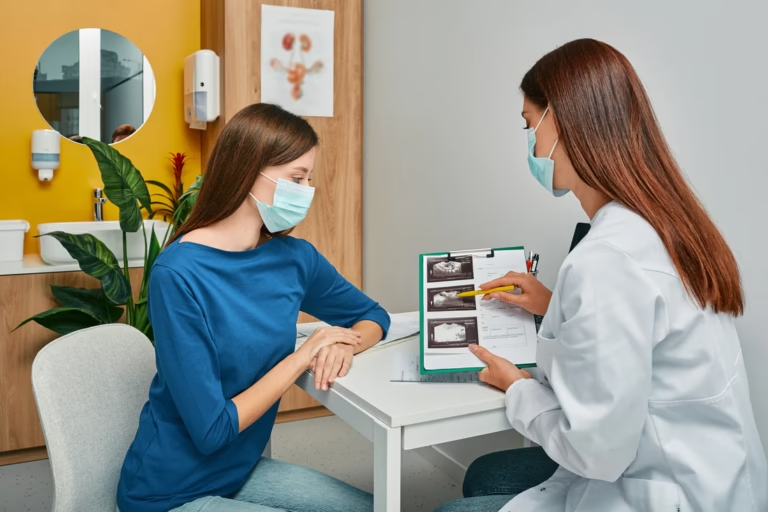
During a physical exam, a healthcare provider will check for signs of infection, including redness, swelling, and discharge. This initial assessment is critical for identifying the most likely type of infection.
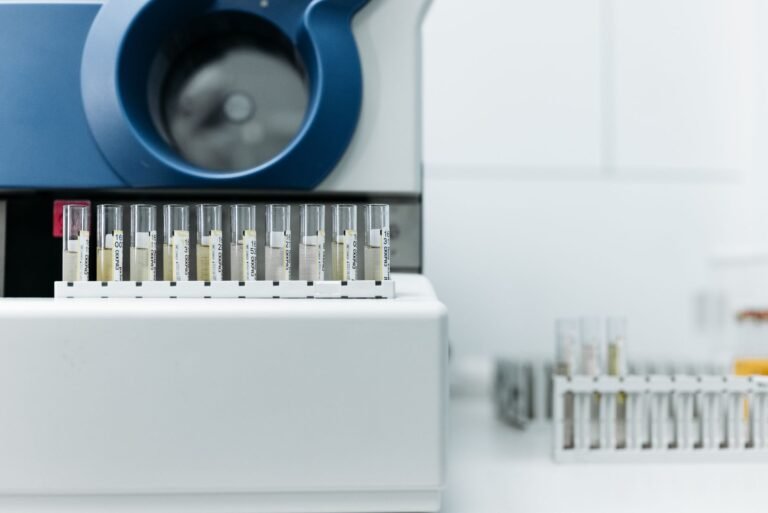
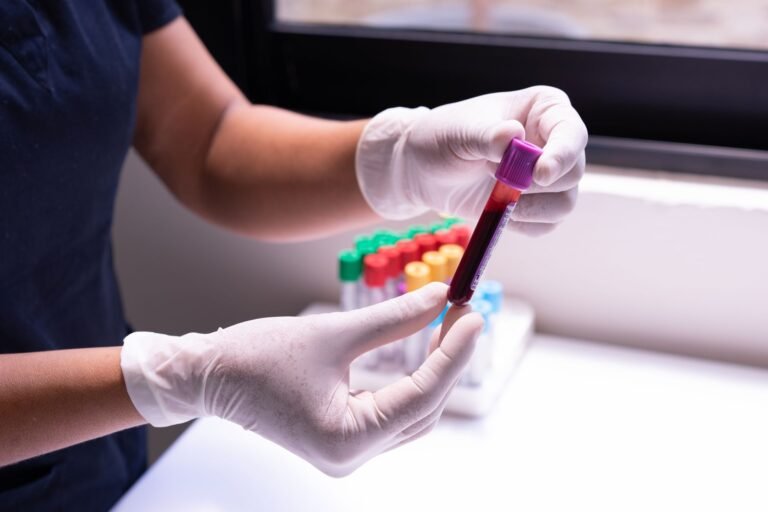
Lab Tests
Lab tests may include:
- Microscopic Examination: A sample of vaginal discharge is examined under a microscope to identify bacteria, yeast, or parasites.
- pH Testing: Testing the vaginal pH can help differentiate between bacterial vaginosis and yeast infections, as BV typically presents with a higher pH.
- Cultures: In some cases, a culture may be taken to identify specific pathogens.
Consultation with a Specialist
If infections recur or are particularly complicated, a referral to a gynecologist may be necessary for further evaluation and treatment options.

Treatment Options for Vaginal Infections
Treatment for vaginal infections varies depending on the type and severity of the infection. Here’s a breakdown of common treatment methods.
Antibiotics
For bacterial vaginosis and trichomoniasis, antibiotics are the first-line treatment. Common antibiotics prescribed include:
- Metronidazole: Effective against both bacterial vaginosis and trichomoniasis.
- Clindamycin: An alternative for those who cannot take metronidazole.
Antifungal Medications
Yeast infections are treated with antifungal medications, which can be purchased over the counter or prescribed by a healthcare provider. The main options include:
- Fluconazole: A single oral dose is often effective.
- Topical antifungals: Creams and suppositories are also available for localized treatment.
Home Remedies
Some individuals may seek home remedies to alleviate symptoms; however, these should not replace professional medical advice. Common suggestions include:
- Probiotics: May help restore normal vaginal flora.
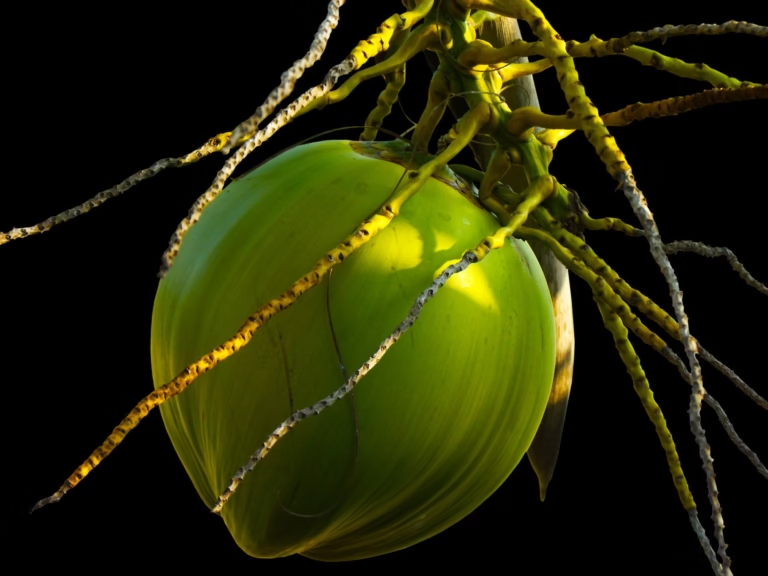
- Coconut Oil: Has antifungal properties and can be applied topically.

Prevention of Vaginal Infections
Preventing vaginal infections is often possible through simple lifestyle changes and awareness of risk factors.
Personal Hygiene
Maintaining good personal hygiene is crucial. This includes:
- Wearing breathable underwear: Cotton underwear allows for better airflow.
- Regular bathing: Keeping the genital area clean and dry can prevent infections.
- Avoiding douching: Douching can disrupt the natural vaginal flora.
Safe Sexual Practices
Practicing safe sex can reduce the risk of infections. Consider the following:
- Using condoms: Can help prevent STIs and reduce the risk of BV.
- Limiting sexual partners: Fewer partners can decrease exposure to pathogens.
Regular Health Check-ups
Regular visits to a healthcare provider can help catch infections early and promote overall reproductive health. Women should schedule annual gynecological exams to ensure their health is monitored.

Understanding Risk Factors for Vaginal Infections
Vaginal infections can affect women of all ages, but certain risk factors can increase susceptibility. Understanding these factors is crucial for prevention and effective management.
Hormonal Changes
Hormonal fluctuations due to menstrual cycles, pregnancy, or menopause can significantly impact the vaginal environment. Changes in estrogen levels can alter the pH balance in the vagina, making it more prone to infections. Women may find that their risk for bacterial vaginosis or yeast infections increases during certain times in their menstrual cycle.
Pregnancy also leads to increased estrogen and progesterone levels, which can create a more favorable environment for infections. Hormonal therapies, such as birth control pills or hormone replacement therapy, can have similar effects.
- Monitor hormonal changes and their effects on your body.
- Consult with healthcare providers about the implications of hormonal treatments.
- Consider tracking your menstrual cycle to identify patterns in infection occurrences.
Sexual Activity
Sexual activity can introduce new bacteria and disrupt the natural flora of the vagina. Engaging in unprotected sex increases the risk of sexually transmitted infections (STIs) that can lead to vaginal infections. Additionally, changes in sexual partners can affect the balance of vaginal flora.
Women should be aware that certain practices, such as douching or using scented products, can further disrupt the natural balance and increase the risk of infection. Open communication with partners about sexual health is essential for prevention.
- Use protection during sexual activity to reduce the risk of STIs.
- Limit the number of sexual partners to decrease exposure to new bacteria.
- Avoid douching and scented products that can irritate the vagina.
Underlying Health Conditions
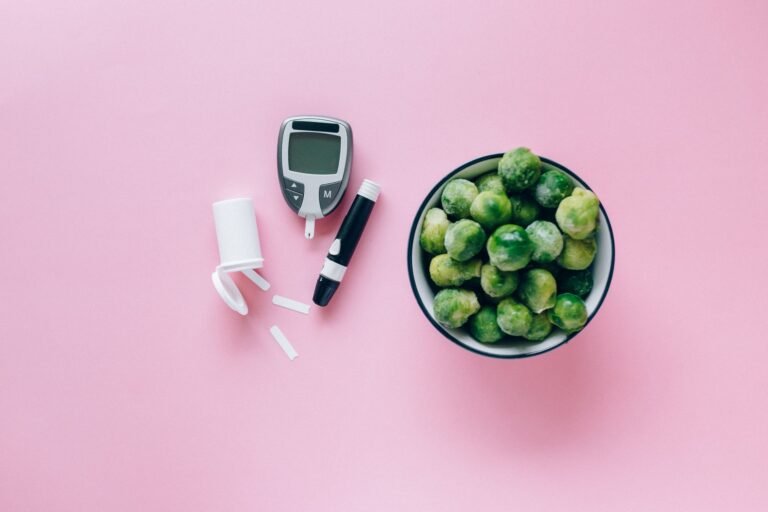
Chronic health conditions such as diabetes, autoimmune diseases, and obesity can predispose women to vaginal infections. For instance, uncontrolled diabetes can lead to elevated sugar levels in the vaginal secretions, providing a breeding ground for yeast infections. Autoimmune diseases can compromise the immune system, making infections more likely.
It is crucial for women with these conditions to manage their health proactively. Regular check-ups and monitoring can help minimize the risk of infections.
- Maintain blood sugar levels if diabetic.
- Consult healthcare providers about managing underlying health conditions.
- Prioritize a healthy lifestyle that includes a balanced diet and regular exercise.
Home Remedies and Natural Treatments for Vaginal Infections
While medical treatments are often necessary, some women may seek home remedies and natural treatments to complement conventional therapies. It’s essential to consult with a healthcare provider before trying any alternative treatments.
Probiotics
Probiotics are beneficial bacteria that can help restore the natural balance of the vaginal microbiome. They can be taken as dietary supplements or consumed through fermented foods such as yogurt, kefir, and sauerkraut. Some studies suggest that probiotics may reduce the recurrence of bacterial vaginosis and yeast infections.
When choosing probiotics, look for strains such as Lactobacillus rhamnosus and Lactobacillus reuteri, which have shown promise in vaginal health. Incorporating these into your diet may support a healthier vaginal environment.
- Include probiotic-rich foods in your daily diet.
- Consider probiotic supplements after consulting with a healthcare professional.
- Monitor how your body responds to probiotics and adjust accordingly.
Essential Oils
Some essential oils are believed to possess antifungal and antibacterial properties. Oils such as tea tree oil, oregano oil, and lavender oil can be diluted with a carrier oil and applied externally to the vaginal area to help alleviate symptoms. However, they should never be applied directly to the vagina without proper dilution, as they can cause irritation.
It is advisable to perform a patch test on a small area of skin before using any essential oil to ensure there’s no allergic reaction. Always consult a healthcare provider for guidance on safe use.
- Use essential oils only after proper dilution with a carrier oil.
- Conduct a patch test to check for allergic reactions.
- Consult with a healthcare professional for appropriate oils and dosages.
Dietary Adjustments
A balanced diet can play a crucial role in maintaining vaginal health. Foods high in sugars and refined carbohydrates can promote yeast growth, while a diet rich in whole grains, fruits, and vegetables supports overall health and immune function. Hydration is also important, as water helps flush out toxins and maintain healthy mucous membranes.
Incorporating foods rich in omega-3 fatty acids, such as fish, nuts, and flaxseeds, may support hormonal balance and reduce inflammation. Additionally, garlic is known for its antifungal properties and can be included in the diet to help combat infections.
- Limit sugar and refined carbohydrates in your diet.
- Consume a variety of fruits and vegetables for essential nutrients.
- Stay hydrated to support bodily functions and vaginal health.

Psychological and Emotional Impact of Vaginal Infections
Vaginal infections can have profound psychological and emotional effects on women. Understanding these impacts is crucial for comprehensive care and support.
Emotional Well-being
Experiencing recurrent vaginal infections can lead to feelings of anxiety, embarrassment, and frustration. Women may feel self-conscious about their condition, which can affect their relationships and sexual intimacy. It is important to acknowledge these feelings and seek support when needed.
Connecting with supportive friends, family, or counseling services can help women process their emotions and reduce the stigma associated with vaginal infections. Open discussions can foster understanding and alleviate feelings of isolation.
- Talk openly with trusted friends or family about your experiences.
- Consider seeking professional counseling if feelings of anxiety persist.
- Join support groups to connect with others facing similar challenges.
Impact on Relationships
Vaginal infections can disrupt intimacy and create strain in relationships. Women may feel uncomfortable discussing their condition with partners, leading to misunderstandings or reduced sexual activity. This can create a cycle of anxiety and frustration that affects both partners.
Effective communication is essential for maintaining healthy relationships. Partners should be encouraged to discuss health concerns openly, creating a supportive environment where both individuals feel comfortable expressing their needs.
- Encourage open dialogue about health and intimacy with your partner.
- Educate your partner about vaginal infections to foster understanding.
- Explore alternative forms of intimacy during recovery from infections.
Strategies for Coping
Developing coping strategies can significantly enhance emotional resilience when dealing with vaginal infections. Mindfulness practices, such as meditation and yoga, can help reduce anxiety and improve overall mental well-being. Additionally, engaging in regular physical activity can boost mood and reduce stress.
Establishing a self-care routine that includes relaxation techniques, adequate sleep, and healthy eating can also contribute to emotional health. Women should prioritize their mental health just as much as their physical health.
- Practice mindfulness and relaxation techniques regularly.
- Engage in physical activities that you enjoy, such as walking or dancing.
- Establish a self-care routine that includes healthy sleep and nutrition.
For more information, see CDC.
Frequently Asked Questions
What are the most common types of vaginal infections?
The most common types of vaginal infections include bacterial vaginosis, yeast infections, and trichomoniasis.
How can I tell if I have a vaginal infection?
Signs of a vaginal infection can include unusual discharge, itching, irritation, and odor. If you experience these symptoms, consult a healthcare provider.
Are vaginal infections contagious?
While bacterial vaginosis is not contagious, trichomoniasis is a sexually transmitted infection and can be passed between partners.
Can vaginal infections affect fertility?
Most vaginal infections do not directly affect fertility. However, untreated infections can lead to complications that may impact reproductive health.
The Bottom Line
Vaginal infections are common and can affect women’s health in various ways. Recognizing the symptoms, obtaining an accurate diagnosis, and following appropriate treatment protocols are essential steps in managing these infections. Prevention through good hygiene, safe sexual practices, and regular health check-ups can significantly reduce the likelihood of developing infections. Women should feel empowered to seek help and discuss any concerns with their healthcare providers to maintain their reproductive health.
Was this page helpful?
Thanks for your feedback! What could we improve?
Thank you! Your feedback helps us improve our articles.
Medically reviewed by
Dr. Bernard ReynoldsPhysician with experience in patient care and preventive medicine, focused on early detection, disease prevention and long-term wellness.
True Impact Health articles are written by our editorial team and based on reliable sources such as public health agencies, clinical guidelines and peer-reviewed research. This article has been checked by a doctor on our review panel. Read our editorial process.
This content is for general information and is not a substitute for professional medical advice, diagnosis or treatment.