Mobility Exercises: Boost Your Flexibility and Movement
Discover the benefits of mobility exercises and how they can improve your flexibility, strength, and overall movement quality.
By True Impact Health Editorial Team

Physician with experience in patient care and preventive medicine, focused on early detection, disease prevention and long-term wellness.
Reviewed this article on November 7, 2026.
View profile How we reviewUpdated on November 7, 2026 11 min read

Table of Contents
Key Takeaways
- Mobility exercises enhance flexibility and reduce injury risk.
- Incorporating mobility work can improve athletic performance.
- Regular practice is key for maintaining joint health.
- Consult a healthcare professional before starting a new exercise regimen.
Mobility exercises are essential for maintaining and improving your range of motion, flexibility, and overall physical health. These exercises focus on the joints and muscles, helping them move more freely and efficiently. Whether you are an athlete looking to enhance performance or someone simply trying to stay active, incorporating mobility exercises into your routine can yield significant benefits.
As we age or become more sedentary, our bodies can lose flexibility, which can lead to stiffness, discomfort, and even injury. Mobility exercises can help counteract these issues by promoting better movement patterns and reducing the risk of joint pain. This article will explore various mobility exercises, their benefits, and how to effectively integrate them into your daily life.
Understanding mobility exercises is not only vital for athletes but also for anyone who wants to improve their quality of life. By enhancing mobility, you can perform everyday tasks more easily and with less discomfort. Let’s dive into the world of mobility exercises and discover practical ways to incorporate them into your routine.
What Are Mobility Exercises?
Mobility exercises are movements designed to improve the range of motion of your joints and muscles. They often involve dynamic stretches and controlled movements that enhance flexibility and coordination. Unlike static stretching, which focuses on holding a position, mobility exercises require active movement through a full range of motion.
These exercises can target various parts of the body, including the hips, shoulders, spine, and ankles. By working on mobility, you can improve your overall physical performance, reduce the risk of injuries, and alleviate discomfort from stiffness.
Some common mobility exercises include hip openers, shoulder dislocates, and ankle circles. Each of these movements focuses on improving the flexibility and strength of specific joints, contributing to better overall mobility.
Benefits of Mobility Exercises
Incorporating mobility exercises into your routine can provide numerous benefits. Here are some key advantages:
- Improved Flexibility: Regular mobility work can increase your flexibility, allowing your joints and muscles to move more freely.
- Injury Prevention: By enhancing your range of motion, you reduce the likelihood of strains and other injuries during physical activities.
- Enhanced Performance: Athletes often see improvements in their performance as mobility work allows for better movement efficiency.
- Better Posture: Mobility exercises can help correct muscular imbalances, promoting better alignment and reducing discomfort.
- Increased Circulation: These exercises enhance blood flow, which can help in muscle recovery and overall joint health.

Key Mobility Exercises to Try
Here are some effective mobility exercises you can incorporate into your routine:
1. Hip Openers
Hip openers are essential for improving flexibility in the hip joint, which can help with activities like walking, running, and squatting.
- Butterfly Stretch: Sit with your feet together and gently press your knees toward the ground.
- Hip Flexor Stretch: Stand in a lunge position, keeping your back leg straight and pushing your hips forward.
- Pigeon Pose: From a plank position, bring one knee forward and place it behind your wrist, extending the opposite leg straight back.
2. Shoulder Mobility
Shoulder mobility exercises can help prevent common shoulder injuries and improve your range of motion.
- Shoulder Dislocates: Using a resistance band or PVC pipe, hold it wide and lift it over your head and behind your back.
- Wall Angels: Stand with your back against a wall and slowly raise your arms while keeping them in contact with the wall.
- Arm Circles: Extend your arms to the side and move them in small circles, gradually increasing the size.
3. Ankle Mobility
Ankle mobility is crucial for balance and stability during various movements. Here are some exercises to improve ankle flexibility:
- Ankle Circles: Stand on one foot and move your other ankle in circular motions.
- Calf Stretch: Place your hands against a wall and step back with one foot, keeping the heel on the ground.
- Toe Raises: Stand with your feet flat and lift your toes while keeping your heels on the ground.
Incorporating Mobility Exercises into Your Routine
To reap the benefits of mobility exercises, it is important to integrate them into your daily routine effectively. Here are some tips on how to do this:
1. Start Slow
If you are new to mobility exercises, begin with a few minutes each day. Gradually increase the duration and complexity of the exercises as you become more comfortable.
2. Set a Schedule
Consistency is key. Try to set aside specific times during the week for mobility work, such as before or after your regular workouts, or even during breaks throughout your day.
3. Listen to Your Body
Pay attention to how your body responds to different movements. If something feels painful or uncomfortable, stop and consult a healthcare professional if necessary.
Mobility Exercises for Different Age Groups
Mobility needs can vary significantly among different age groups. Here’s how to tailor mobility exercises for various life stages:
1. Children
For children, mobility exercises should focus on fun and engaging activities that promote movement. Games that encourage running, jumping, and stretching can help develop flexibility and coordination.
2. Adults
Adults should include a mix of dynamic and static mobility exercises. Activities like yoga, Pilates, or dedicated mobility classes can enhance flexibility and strength while also improving mental well-being.
3. Seniors
For seniors, gentle mobility exercises are critical. Focus on low-impact activities that promote joint health without straining the body. Chair yoga and walking programs can be excellent options.
The Role of Mobility Exercises in Injury Prevention
Mobility exercises play a crucial role in preventing injuries, particularly in active individuals and athletes. By enhancing flexibility and range of motion, these exercises help prepare the body for the stresses of physical activity, reducing the risk of strains, sprains, and overuse injuries. A study published in the Journal of Sports Medicine found that athletes who performed regular mobility drills had fewer injuries compared to those who did not.
Understanding Common Injuries
Many sports-related injuries stem from inadequate flexibility or poor movement patterns. Some common injuries include:
- Hamstring strains
- Shoulder impingement
- Lower back pain
- Ankle sprains
These injuries often occur when the body is unable to move through its full range of motion, leading to compensatory movements that can place undue stress on certain muscle groups. Mobility exercises aim to mitigate these risks by improving joint function and muscular coordination.
Key Mobility Exercises for Injury Prevention
Incorporating specific mobility exercises can significantly lower the chances of injury. Here are some effective exercises:
- Hip Openers: Such as the butterfly stretch or pigeon pose, which improve hip flexibility.
- Thoracic Spine Rotations: These can enhance upper back mobility and relieve tension.
- Ankle Dorsiflexion Stretches: Essential for proper walking and running mechanics.
Each of these exercises targets key areas in the body that are often tight and can lead to injury if not properly addressed.
Best Practices for Injury Prevention
To maximize the injury-preventive benefits of mobility exercises, consider the following best practices:
- Warm up adequately before engaging in mobility work.
- Focus on areas that are particularly tight or prone to injury.
- Maintain consistency in your routine, ideally incorporating mobility exercises at least three times a week.
- Listen to your body; if you feel pain, modify the exercise or consult a professional.
By adhering to these practices, individuals can significantly enhance their physical resilience and performance.
Mobility Exercises for Specific Sports
Different sports require unique physical demands, making tailored mobility work essential for athletes. Engaging in sport-specific mobility exercises can enhance performance and reduce the risk of injuries associated with particular movements.
Mobility for Runners
Runners often experience tightness in the hips, calves, and hamstrings due to repetitive motion. Effective mobility exercises for runners include:
- Dynamic Leg Swings: Helps improve hip and leg mobility.
- Calf Stretch: Essential for ankle flexibility, allowing for better push-off.
- Hip Flexor Stretch: Targets tight hip flexors that can hinder running form.
Incorporating these exercises into a warm-up routine can lead to improved stride length and efficiency.
Mobility for Weightlifters
Weightlifting requires significant mobility, particularly in the shoulders, hips, and ankles. Key mobility exercises include:
- Overhead Shoulder Stretch: Enhances shoulder mobility for lifts.
- Deep Squat Holds: Improves hip and ankle mobility crucial for squatting.
- Wrist Flexor Stretch: Necessary for proper grip and lifting techniques.
Addressing these areas can improve lifting mechanics and prevent injuries associated with poor form.
Mobility for Team Sports
Athletes in sports like soccer, basketball, or football benefit from a combination of speed, agility, and coordination. Recommended mobility exercises include:
- Lateral Lunges: Improves side-to-side movement, essential for agility.
- Arm Circles: Enhances shoulder mobility for throwing and passing.
- Hip Circles: Increases range of motion in the hips, crucial for explosive movements.
These exercises help athletes maintain agility and prevent injuries during dynamic play.
Integrating Mobility Exercises into Daily Life
While mobility exercises are often associated with workouts, they can and should be incorporated into daily routines for better overall wellness. This integration can lead to improved posture, reduced pain, and enhanced functional movement.
Morning Mobility Routines
Starting your day with a focused mobility routine can set a positive tone. Consider including the following exercises:
- Cobra Stretch: Opens the spine and prepares the body for the day ahead.
- Cat-Cow Stretch: Promotes spinal mobility and helps alleviate stiffness.
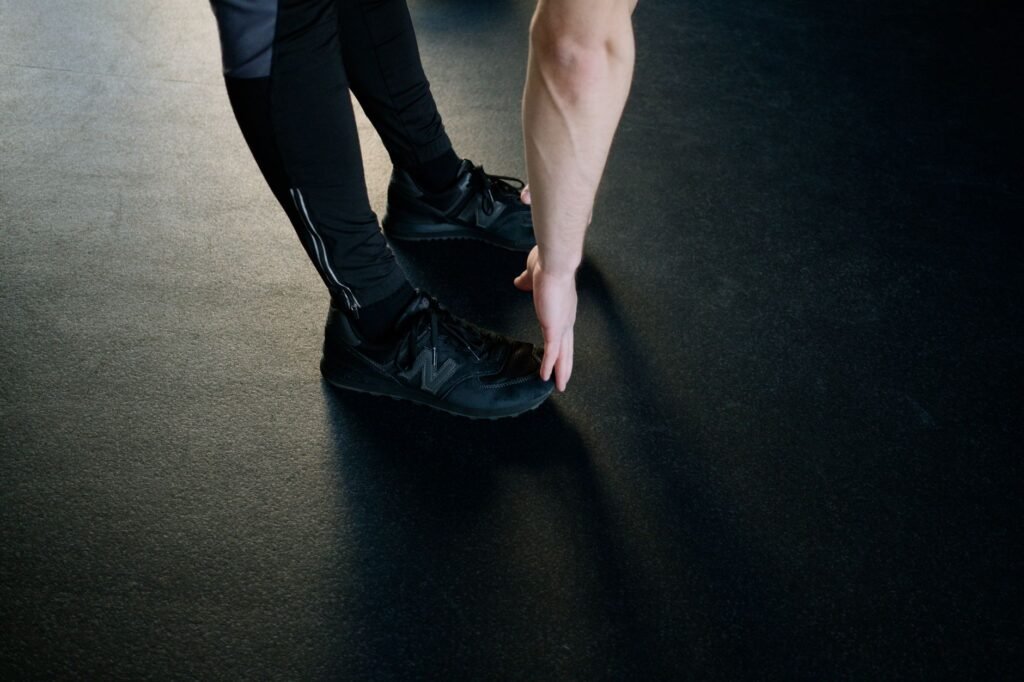
- Standing Forward Bend: Stretches the hamstrings and lower back.
These exercises can be performed in just a few minutes and can improve overall energy levels and readiness for daily activities.
Workplace Mobility Practices
For those who sit for extended periods, incorporating mobility exercises throughout the workday can counteract the effects of prolonged sitting. Suggested exercises include:
- Neck Rolls: Helps relieve tension from looking at screens.
- Seated Torso Twist: Improves spinal mobility and relieves back tension.
- Wrist and Finger Stretches: Essential for those typing or using a mouse frequently.
Taking short breaks to perform these exercises can enhance focus and reduce discomfort.
Evening Wind-Down Mobility
Ending the day with a mobility routine can improve sleep quality and reduce muscle tension. Consider the following exercises:
- Child’s Pose: Helps relax the back and hips.
- Piriformis Stretch: Targets tightness in the glutes and lower back.
- Supine Hamstring Stretch: Relieves tension in the legs.
Incorporating these movements into an evening routine can promote relaxation and improve recovery from daily activities.
Mobility Exercises for Mental Well-Being
The Mind-Body Connection
Engaging in mobility exercises can significantly impact mental health by promoting a mind-body connection. This practice encourages mindfulness, allowing individuals to focus on their movement and breathing. Such awareness can reduce stress and anxiety, leading to a more relaxed state of mind. Studies have shown that physical activity stimulates the release of endorphins, which are known to elevate mood.
Improving Concentration and Focus
Mobility exercises can also enhance concentration and cognitive function. By incorporating these exercises into your routine, you create a dedicated time for self-care, which can improve mental clarity. Movements that require balance, coordination, and concentration engage both hemispheres of the brain, potentially improving overall cognitive performance.
- Practice deep breathing during exercises to enhance relaxation.
- Incorporate mindful stretches to improve focus.
- Use mobility exercises as a break from intense mental tasks to refresh your mind.
Mobility Exercises and Functional Movement Patterns
Understanding Functional Movement
Functional movement patterns are essential for daily activities, and mobility exercises can help enhance these movements. By improving joint range of motion and muscle flexibility, individuals can perform tasks like bending, lifting, and reaching more efficiently. This mastery of functional movement can reduce the risk of injury and improve overall quality of life.
Key Mobility Exercises for Functional Movement
Several mobility exercises specifically target functional movement patterns. Squats, lunges, and hip hinges are excellent for training the body to move effectively in everyday activities. These exercises promote strength and flexibility and can be modified for all fitness levels.
- Squats: Target hip, knee, and ankle mobility.
- Lunges: Improve balance and coordination.
- Hip hinges: Enhance posterior chain strength and flexibility.
Assessing Your Mobility and Progress
Self-Assessment Techniques
To gauge your mobility, self-assessment techniques can be beneficial. Simple tests, such as the overhead squat test or the sit-and-reach test, can provide insights into your current mobility levels. These assessments help identify specific areas that may need improvement.
Tracking Progress Over Time
Monitoring your progress in mobility exercises is crucial for motivation and effectiveness. Keeping a journal of your exercise routine, noting the range of motion improvements, and tracking how you feel during activities can provide valuable feedback. Regular assessments can also help adjust your routine as necessary to ensure continuous improvement.
- Utilize a fitness app to log your mobility exercises.
- Schedule regular check-ins to reassess your mobility.
- Set achievable goals based on your assessments.
For more information, see CDC.
Frequently Asked Questions
What are the best times to perform mobility exercises?
The best times to perform mobility exercises are during your warm-up before workouts and as part of your cool-down routine. Additionally, they can be beneficial throughout the day to reduce stiffness, especially if you have a sedentary job.
Can mobility exercises help with joint pain?
Yes, mobility exercises can help alleviate joint pain by improving flexibility and promoting better movement patterns. However, it’s important to consult with a healthcare professional if you experience persistent pain.
How long should I spend on mobility exercises?
Spending about 10-15 minutes on mobility exercises is effective for most individuals. Focus on quality over quantity, ensuring that you perform each movement with proper form.
Are mobility exercises the same as stretching?
While mobility exercises and stretching both promote flexibility, they differ in their approach. Mobility exercises involve dynamic movements through a range of motion, while stretching typically involves holding a position to lengthen muscles.
The Bottom Line
Mobility exercises are a vital aspect of maintaining physical health and improving overall quality of life. By incorporating these exercises into your routine, you can enhance your flexibility, reduce injury risk, and promote better movement patterns. Remember to consult with a healthcare professional before starting any new exercise program, especially if you have existing health concerns. With regular practice, mobility exercises can help you move more freely and enjoy your daily activities to the fullest.
Was this page helpful?
Thanks for your feedback! What could we improve?
Thank you! Your feedback helps us improve our articles.
Medically reviewed by
Dr. Bernard ReynoldsPhysician with experience in patient care and preventive medicine, focused on early detection, disease prevention and long-term wellness.
True Impact Health articles are written by our editorial team and based on reliable sources such as public health agencies, clinical guidelines and peer-reviewed research. This article has been checked by a doctor on our review panel. Read our editorial process.
This content is for general information and is not a substitute for professional medical advice, diagnosis or treatment.