Pelvic Floor Exercises: Strengthening for Better Health
Discover the benefits and techniques of pelvic floor exercises to enhance your health and well-being.
By True Impact Health Editorial Team

Physician with experience in patient care and preventive medicine, focused on early detection, disease prevention and long-term wellness.
Reviewed this article on November 7, 2026.
View profile How we reviewUpdated on November 6, 2026 11 min read

Table of Contents
Key Takeaways
- Pelvic floor exercises strengthen muscles supporting pelvic organs.
- They can help prevent or treat incontinence.
- Regular practice improves sexual health and recovery post childbirth.
- Consult a healthcare professional for personalized guidance.
Pelvic floor exercises are a vital practice for many individuals looking to improve their pelvic health. These exercises can help strengthen the muscles that support the bladder, uterus, and rectum. Engaging in pelvic floor exercises not only enhances physical well-being but also contributes to emotional health and overall quality of life.
Though often associated with women, pelvic floor exercises can benefit anyone, regardless of gender. Strengthening these muscles can prevent issues such as urinary incontinence and pelvic organ prolapse, making them an essential part of a healthy lifestyle.
In this article, we will explore what pelvic floor exercises are, their benefits, how to perform them correctly, and tips for incorporating them into your routine.
What Are Pelvic Floor Exercises?
Pelvic floor exercises, also known as Kegel exercises, focus on the muscles that form a hammock-like structure at the base of the pelvis. This group of muscles supports vital organs and helps control urinary and bowel functions. When these muscles weaken, individuals may experience discomfort or health issues.
The primary goal of pelvic floor exercises is to strengthen these muscles through targeted contractions and relaxations. By doing so, one can improve muscle tone, enhance control, and prevent or alleviate various conditions.
Pelvic floor exercises can be performed discreetly and at any time, making them accessible to everyone. The exercises range from simple contractions to more advanced techniques that involve coordination with breathing and movement.
Benefits of Pelvic Floor Exercises
Engaging in pelvic floor exercises offers a multitude of benefits for both men and women:
- Improved Bladder Control: Strengthening pelvic floor muscles can help reduce urinary incontinence, particularly during activities like coughing, sneezing, or exercising.
- Enhanced Sexual Function: Strong pelvic muscles can lead to increased sensation and satisfaction during sexual activities, improving overall sexual health.
- Support During Pregnancy and Postpartum Recovery: For pregnant individuals, these exercises can prepare the body for childbirth and aid in recovery after delivery.
- Reduced Risk of Pelvic Organ Prolapse: Strengthening the pelvic floor can help prevent the descent of pelvic organs, which can occur with age or after childbirth.
Additionally, pelvic floor exercises can promote better posture and stability, contributing to overall physical health.

How to Perform Pelvic Floor Exercises
Performing pelvic floor exercises is straightforward, but it’s essential to do them correctly to reap the benefits. Here’s how to get started:
Identifying the Correct Muscles
Before starting the exercises, it’s crucial to identify the right muscles. The easiest way to locate them is by attempting to stop urination mid-stream. The muscles you engage to do so are your pelvic floor muscles. However, avoid making it a habit to start and stop urination as a practice, as it can lead to urinary issues.
Basic Kegel Exercise Steps
- Find a Comfortable Position: You can perform Kegels while sitting, standing, or lying down. Choose a position that feels comfortable.
- Contract the Muscles: Tighten your pelvic floor muscles and hold the contraction for about 3 to 5 seconds.
- Relax: Release the contraction and rest for about 3 to 5 seconds.
- Repeat: Aim for 10 to 15 repetitions in one session, and try to perform them three times a day.
With practice, you can gradually increase the duration of your contractions and the number of repetitions.
Advanced Techniques
Once you are comfortable with basic Kegel exercises, you can explore advanced techniques to further engage your pelvic floor muscles:
- Incorporating Breathing: As you contract your pelvic floor muscles, breathe in deeply; then, as you relax, exhale slowly. This coordination can enhance the effectiveness of the exercise.
- Using Resistance: Consider adding resistance through exercises like squats or bridges while maintaining pelvic floor engagement.
- Combining with Other Exercises: Incorporate pelvic floor contractions into activities like yoga or Pilates, where core strength is also emphasized.
Advanced techniques can provide additional benefits, but it’s essential to maintain proper form and avoid overexertion.
Tips for Incorporating Pelvic Floor Exercises into Your Routine
Establishing a consistent routine for pelvic floor exercises can be beneficial. Here are some practical tips to help:
- Set Reminders: Use phone alarms or sticky notes as reminders to perform your exercises regularly.
- Incorporate into Daily Activities: Perform Kegels while waiting in line, watching TV, or during your commute.
- Track Your Progress: Consider keeping a journal to note your daily exercise routine and any improvements in symptoms.
With dedication and consistency, you can integrate these exercises into your daily life without feeling overwhelmed.
Understanding the Anatomy of the Pelvic Floor
The pelvic floor is a complex structure that plays a crucial role in various bodily functions. Understanding the anatomy and function of the pelvic floor muscles can enhance the effectiveness of pelvic floor exercises. This section will explore the components of the pelvic floor, its functions, and the common issues related to pelvic floor dysfunction.
The Components of the Pelvic Floor
The pelvic floor is made up of a group of muscles and connective tissues that span the bottom of the pelvis. These muscles support the bladder, bowel, and, in women, the uterus. Major components include:
- Levator Ani: This is the largest muscle group in the pelvic floor, which consists of three muscles: pubococcygeus, puborectalis, and iliococcygeus.
- Coccygeus: This muscle works alongside the levator ani to support pelvic organs.
- Fascia: Connective tissues that provide structural support and stability to the pelvic organs.
Understanding these components is essential for effectively targeting these muscles during pelvic floor exercises.
Functions of the Pelvic Floor
The pelvic floor serves several important functions in the body. These include:
- Support: It provides support to the pelvic organs, helping to maintain their position.
- Continence: The pelvic floor muscles play a key role in bladder and bowel control by maintaining closure of the urethra and anus.
- Sexual Function: Strong pelvic floor muscles can enhance sexual pleasure and function.
Understanding these functions can motivate individuals to engage in pelvic floor exercises more consistently.
Common Issues Related to Pelvic Floor Dysfunction
Pelvic floor dysfunction can lead to a variety of health issues, including urinary incontinence, fecal incontinence, and pelvic pain. Factors contributing to these problems include:
- Pregnancy and Childbirth: These can weaken pelvic floor muscles.
- Obesity: Excess weight can put additional pressure on the pelvic floor.
- Aging: Muscle tone naturally decreases with age.
Recognizing these issues underscores the importance of pelvic floor exercises in maintaining overall health.

Pelvic Floor Exercises for Different Life Stages
Pelvic floor exercises can be adapted to suit different life stages, including pregnancy, postpartum recovery, and menopause. Each stage presents unique challenges and benefits related to pelvic floor health.
Pelvic Floor Exercises During Pregnancy
Pregnancy places significant strain on the pelvic floor as the body undergoes various changes. Engaging in pelvic floor exercises during this time can help alleviate discomfort and prepare for childbirth. Some recommended exercises include:
- Kegel Exercises: Simply contracting and relaxing the pelvic floor muscles can strengthen them.
- Bridges: Lying on your back with knees bent, lift your hips to engage the pelvic floor and glute muscles.
- Cat-Cow Stretch: This yoga pose helps to promote flexibility and strength in the pelvic area.
These exercises can enhance muscle control and help manage symptoms like urinary incontinence, which is common during pregnancy.
Postpartum Recovery and Pelvic Floor Rehabilitation
After childbirth, many women experience issues such as pelvic pain and incontinence. Engaging in pelvic floor exercises can aid recovery. Focus on:
- Gentle Kegels: Start with short holds and gradually increase duration as strength improves.
- Transverse Abdominals Activation: Engage core muscles while maintaining pelvic floor activation.
- Pelvic Tilts: This helps restore pelvic alignment and supports muscle recovery.
Consultation with a healthcare provider or pelvic floor therapist can provide tailored exercise plans and ensure optimal recovery.
Menopause and Pelvic Floor Health
During menopause, hormonal changes can impact pelvic floor strength and function, leading to issues such as incontinence and pelvic organ prolapse. Key exercises for this stage include:
- Kegels: Continue regular Kegel exercises to maintain muscle tone.
- Wall Sits: This exercise strengthens the pelvic floor while also engaging the legs and core.
- Squats: These help strengthen the muscles surrounding the pelvic floor.
Incorporating these exercises can contribute to a healthier and more comfortable transition through menopause.
The Role of Breathing in Pelvic Floor Exercises
Breathing plays a crucial role in the effectiveness of pelvic floor exercises. Proper breathing techniques can enhance muscle activation and overall exercise performance.
Understanding Diaphragmatic Breathing
Diaphragmatic breathing, also known as belly breathing, involves fully engaging the diaphragm while inhaling and exhaling. This type of breathing promotes relaxation and can support pelvic floor function. To practice this technique:
- Find a Comfortable Position: Sit or lie down in a relaxed position.
- Inhale Deeply: Focus on filling your belly with air rather than your chest.
- Exhale Slowly: As you exhale, gently engage your pelvic floor muscles.
Incorporating diaphragmatic breathing with pelvic floor exercises can enhance both muscle engagement and relaxation.
Breath Coordination with Pelvic Floor Exercises
Coordinating breath with pelvic floor exercises can maximize their effectiveness. During contraction, you should exhale, and during relaxation, inhale. This coordination can help improve muscle awareness and control. Key points to remember include:
- Exhale on Contraction: When performing a Kegel, exhale as you lift.
- Inhale on Relaxation: Allow your pelvic floor to relax fully as you breathe in.
- Practice Regularly: Consistent practice helps solidify this coordination.
Utilizing breath in your pelvic floor routine can lead to better results and a more mindful approach to your exercises.
The Impact of Stress and Tension on the Pelvic Floor
Stress and tension can significantly influence pelvic floor health. Chronic stress may lead to muscle tightness, affecting function and comfort. To mitigate these effects, consider:
- Mindfulness Techniques: Incorporate mindfulness practices such as meditation to reduce stress.
- Progressive Muscle Relaxation: This technique involves tensing and relaxing muscle groups, including the pelvic floor, to alleviate tension.
- Gentle Stretching: Engage in activities like yoga or tai chi to relieve stress and enhance pelvic floor flexibility.
Addressing stress and tension through these methods can improve overall pelvic floor function and health.
Common Myths About Pelvic Floor Exercises
Myth 1: Only Women Need Pelvic Floor Exercises
Many people believe that pelvic floor exercises are exclusively for women, particularly during pregnancy or postpartum recovery. However, pelvic floor dysfunction can affect anyone, regardless of gender. Men can also benefit from these exercises, especially those experiencing urinary incontinence or pelvic pain. Educating both men and women about the importance of pelvic floor health is crucial.
Myth 2: Pelvic Floor Exercises Are Only for Older Adults
While it’s true that pelvic floor issues can become more common with age, younger individuals can also experience dysfunction. Factors such as high-impact sports, pregnancies, and even certain medical conditions can lead to pelvic floor weakness at any age. Therefore, incorporating pelvic floor exercises into one’s routine early on can provide long-term benefits and prevent issues later in life.
Myth 3: You Should Only Do Pelvic Floor Exercises If You Have Symptoms
Another common misconception is that pelvic floor exercises should only be performed in response to symptoms like incontinence or pelvic pain. In reality, proactive strengthening of the pelvic floor can enhance overall health and prevent future problems. Regular practice can improve core stability, posture, and sexual function.
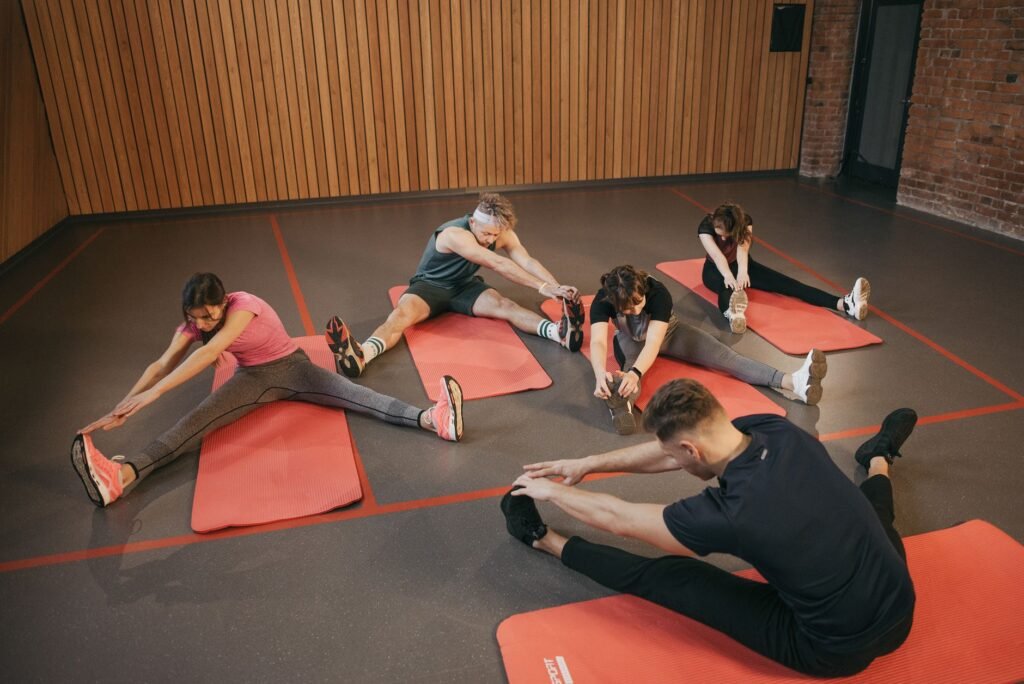
Integrating Pelvic Floor Exercises with Other Fitness Routines
Complementing Strength Training
Integrating pelvic floor exercises with strength training can enhance overall core strength and stability. Exercises like squats and deadlifts can be performed while consciously engaging the pelvic floor. This dual-focus approach not only improves pelvic health but also enhances performance in strength-related activities.
Yoga and Pelvic Floor Health
Yoga is an excellent way to incorporate pelvic floor exercises into a broader fitness regimen. Many yoga poses, such as the bridge pose and child’s pose, emphasize pelvic awareness and can help strengthen these muscles. Practicing mindful breathing in conjunction with these poses can further enhance the benefits.
Cardiovascular Workouts
Even during cardiovascular workouts, it’s essential to maintain awareness of the pelvic floor. Engaging the pelvic floor during activities like running or cycling can improve stability and reduce the risk of injury. Here’s how to integrate pelvic floor awareness into your cardio routine:
- Perform a quick pelvic floor contraction before starting your workout.
- Focus on maintaining a neutral pelvis as you move.
- Incorporate pelvic floor exercises during cool-down stretches.
Monitoring Progress in Pelvic Floor Strengthening
Identifying Progress Indicators
Tracking progress in pelvic floor exercises can be challenging but is essential for motivation. Indicators of improvement include increased control over pelvic floor contractions, reduced urinary leakage, and enhanced sexual function. Keeping a journal to record these changes can be beneficial.
Utilizing Professional Guidance
Working with a pelvic floor physical therapist can provide personalized guidance and feedback. These professionals can assess your current strength and tailor a program to meet your specific needs. Regular sessions can help ensure that you are performing exercises correctly and effectively.
Setting Realistic Goals
Establishing achievable goals is crucial for maintaining motivation. Here are some ways to set realistic goals for your pelvic floor exercise routine:
- Start with short sessions, gradually increasing duration and intensity.
- Set specific, measurable objectives (e.g., perform exercises three times a week).
- Celebrate small victories to stay motivated.
Frequently Asked Questions
Who Should Do Pelvic Floor Exercises?
Pelvic floor exercises can benefit anyone, especially those experiencing urinary incontinence, pelvic pain, or those who are pregnant or postpartum. It’s beneficial for men as well, particularly for those with prostate issues.
How Long Until I See Results?
Results vary, but many individuals notice improvements within a few weeks of consistent practice. Benefits can include better bladder control and improved sexual function.
Can I Do Kegels During Pregnancy?
Yes, pelvic floor exercises are safe and recommended during pregnancy. They can help prepare your body for labor and support recovery postpartum.
Are There Any Risks?
When performed correctly, pelvic floor exercises are generally safe. However, overexertion or improper technique can lead to muscle tension or discomfort. If you experience pain, consult a healthcare professional.
The Bottom Line
Pelvic floor exercises are a simple yet powerful way to enhance your health and well-being. By strengthening the muscles that support your pelvic organs, you can improve bladder control, enhance sexual health, and support recovery during and after pregnancy. Remember to consult a healthcare professional for personalized advice and to ensure you are performing the exercises correctly. For more information on pelvic health, visit MedlinePlus.
Was this page helpful?
Thanks for your feedback! What could we improve?
Thank you! Your feedback helps us improve our articles.
Medically reviewed by
Dr. Bernard ReynoldsPhysician with experience in patient care and preventive medicine, focused on early detection, disease prevention and long-term wellness.
True Impact Health articles are written by our editorial team and based on reliable sources such as public health agencies, clinical guidelines and peer-reviewed research. This article has been checked by a doctor on our review panel. Read our editorial process.
This content is for general information and is not a substitute for professional medical advice, diagnosis or treatment.