












Difference Between Cardiomyopathy and Congestive Heart Failure
Heart disease remains one of the leading causes of illness and death worldwide, yet many cardiac conditions are frequently misunderstood. Among the most...
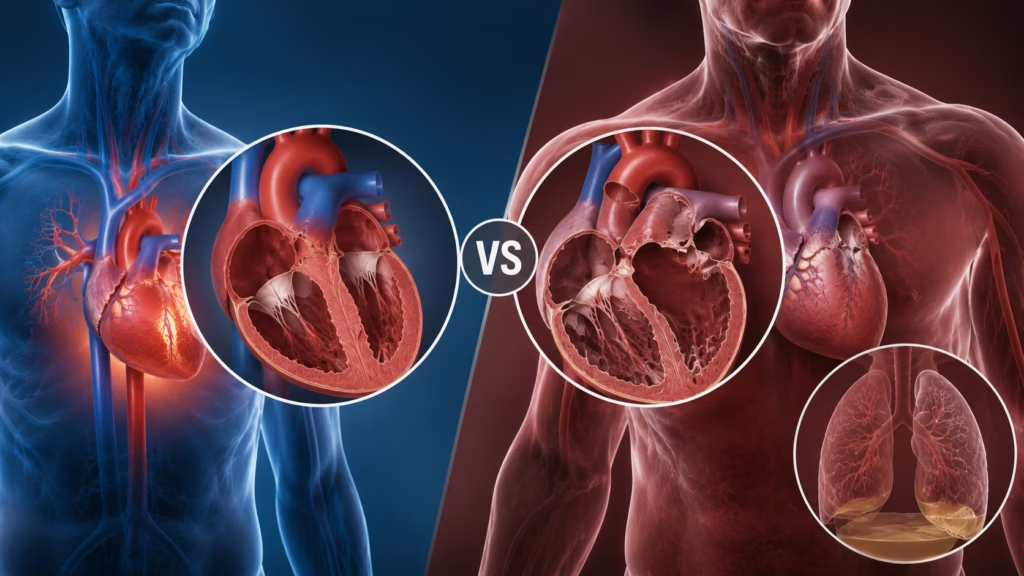
Table of Contents
Introduction
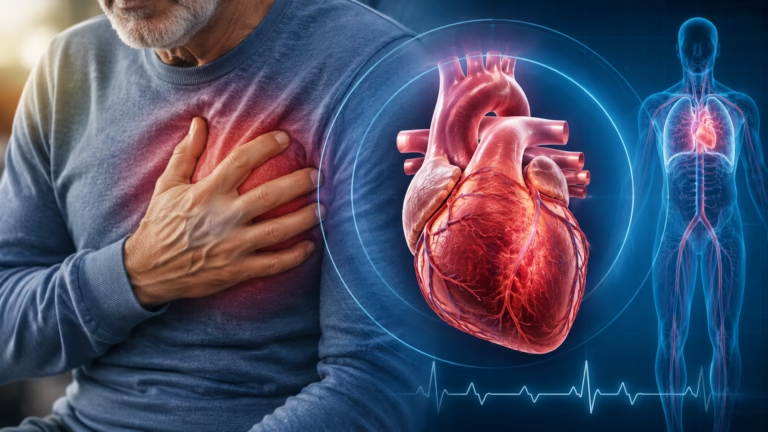
Heart disease remains one of the leading causes of illness and death worldwide, yet many cardiac conditions are frequently misunderstood. Among the most commonly confused terms are cardiomyopathy and congestive heart failure (CHF). Because these conditions often occur together and share many symptoms, patients frequently assume they are the same disease. However, while they are closely related, they represent different aspects of heart dysfunction.
Cardiomyopathy refers to a disease of the heart muscle itself. It affects the structure and function of the myocardium, potentially weakening the heart’s ability to pump blood effectively. Congestive heart failure, on the other hand, is a clinical syndrome that develops when the heart can no longer pump or fill with blood adequately to meet the body’s needs. In many cases, cardiomyopathy eventually leads to heart failure, but heart failure can also develop from numerous other cardiac conditions.
Understanding the distinction between these two diagnoses is important because treatment strategies, prognosis, and long-term management may differ significantly. This guide explains what cardiomyopathy and congestive heart failure are, how they overlap, their key differences, and what patients can do to protect their heart health.
Understanding Cardiomyopathy
What Is Cardiomyopathy?
Cardiomyopathy is a disease that directly affects the heart muscle. The term literally means “disease of the myocardium,” which is the muscular layer responsible for pumping blood throughout the body.
When the heart muscle becomes damaged, thickened, enlarged, stiffened, or replaced with scar tissue, its ability to function normally declines. This can interfere with the heart’s pumping efficiency, electrical system, and overall circulation.
Cardiomyopathy may develop gradually over many years or appear more suddenly depending on the underlying cause. Some individuals remain symptom-free for long periods, while others develop significant heart-related complications.
Types of Cardiomyopathy
Several forms of cardiomyopathy exist, each affecting the heart in different ways.
Dilated Cardiomyopathy
Dilated cardiomyopathy is the most common type. In this condition, the heart chambers, particularly the left ventricle, become enlarged and weakened. As the heart muscle stretches, its ability to contract effectively diminishes, reducing blood flow to the body.
This form of cardiomyopathy may result from genetic factors, viral infections, alcohol abuse, chemotherapy medications, or long-standing uncontrolled hypertension.
Hypertrophic Cardiomyopathy
Hypertrophic cardiomyopathy is characterized by abnormal thickening of the heart muscle, particularly the walls of the left ventricle. This thickening can obstruct blood flow and make it more difficult for the heart to relax and fill properly.
Many cases are inherited and caused by genetic mutations affecting heart muscle proteins.
Restrictive Cardiomyopathy
Restrictive cardiomyopathy occurs when the heart muscle becomes stiff and less flexible. Although the heart may maintain normal pumping strength initially, it struggles to fill with blood properly between heartbeats.
This type is often associated with infiltrative diseases such as amyloidosis, sarcoidosis, or certain connective tissue disorders.
Arrhythmogenic Right Ventricular Cardiomyopathy
This rare form involves the replacement of healthy heart muscle with fatty or fibrous tissue, particularly within the right ventricle. The condition can disrupt the heart’s electrical system and increase the risk of dangerous arrhythmias and sudden cardiac death.
Causes of Cardiomyopathy
Cardiomyopathy can be classified as primary or secondary.
Primary cardiomyopathy often results from inherited genetic abnormalities affecting heart muscle structure and function.
Secondary cardiomyopathy develops because of external factors such as viral infections, autoimmune diseases, metabolic disorders, alcohol misuse, certain medications, nutritional deficiencies, or exposure to toxins.
In some patients, the exact cause remains unknown despite extensive testing.
Symptoms of Cardiomyopathy
Symptoms vary depending on the type and severity of disease.
Many patients experience fatigue, shortness of breath during physical activity, reduced exercise tolerance, and generalized weakness. As heart function declines, swelling of the legs, ankles, or feet may develop due to fluid retention.
Some individuals experience chest discomfort, palpitations, dizziness, or episodes of fainting. In severe cases, life-threatening arrhythmias may occur.
Because symptoms often progress gradually, many people remain unaware they have cardiomyopathy until significant heart damage has already occurred.
Diagnosis of Cardiomyopathy
Diagnosing cardiomyopathy requires a comprehensive cardiac evaluation.
An echocardiogram is often the first imaging study performed because it provides detailed information about heart structure, chamber size, wall thickness, and pumping function.
Cardiac magnetic resonance imaging (MRI) may provide additional detail regarding tissue characteristics and scarring.
Other diagnostic tests may include electrocardiograms, stress testing, Holter monitoring, genetic testing, laboratory evaluations, and, in selected cases, endomyocardial biopsy.
Understanding Congestive Heart Failure
What Is Congestive Heart Failure?
Congestive heart failure is not a specific disease but rather a clinical syndrome that develops when the heart is unable to pump enough blood to meet the body’s metabolic demands.
The term “congestive” refers to fluid accumulation that occurs when blood flow slows and pressure builds within the circulatory system. This fluid may accumulate in the lungs, abdomen, legs, and other tissues.
Heart failure can develop suddenly, but it most commonly progresses gradually over time.
Importantly, heart failure does not mean that the heart has stopped functioning entirely. Instead, it means the heart can no longer perform its job efficiently.
Types of Congestive Heart Failure
Left-Sided Heart Failure
Left-sided heart failure is the most common form of CHF.
When the left ventricle cannot pump effectively, blood backs up into the lungs. This causes pulmonary congestion, leading to shortness of breath, coughing, wheezing, and difficulty breathing when lying flat.
Right-Sided Heart Failure
Right-sided heart failure occurs when the right side of the heart cannot effectively pump blood to the lungs.
As blood backs up into the body’s venous system, fluid accumulates in the legs, ankles, feet, abdomen, and liver.
Biventricular Heart Failure
Some patients develop failure involving both sides of the heart. These individuals experience symptoms associated with both pulmonary and systemic congestion.
Causes of Congestive Heart Failure
Heart failure can result from many different cardiac conditions.
Coronary artery disease is one of the leading causes because reduced blood flow damages the heart muscle.
Long-standing hypertension forces the heart to work harder and can eventually weaken cardiac function.
Heart valve disorders, congenital heart defects, arrhythmias, myocarditis, and cardiomyopathy can also contribute to the development of CHF.
Indeed, cardiomyopathy is one of the most important causes of congestive heart failure.
Symptoms of Congestive Heart Failure
Symptoms of CHF primarily result from reduced blood flow and fluid accumulation.
Patients often experience persistent fatigue, weakness, and reduced ability to perform routine activities.
Shortness of breath may initially occur only during exercise but often progresses to breathing difficulties at rest.
Many individuals develop orthopnea, which refers to difficulty breathing while lying flat. Others experience paroxysmal nocturnal dyspnea, a condition that causes sudden nighttime episodes of breathlessness.
Fluid retention frequently leads to swelling of the lower extremities and unexplained weight gain.
Additional symptoms may include persistent coughing, wheezing, rapid heartbeat, loss of appetite, abdominal bloating, and cognitive difficulties.
Diagnosis of Congestive Heart Failure
Diagnosing CHF involves both clinical assessment and diagnostic testing.
An echocardiogram is essential because it evaluates heart structure and determines ejection fraction, a key measure of pumping efficiency.
Blood tests measuring BNP or NT-proBNP levels help identify increased pressure and stress within the heart.
Additional testing may include chest X-rays, electrocardiograms, stress testing, CT scans, cardiac catheterization, and laboratory evaluations.
How Cardiomyopathy and Congestive Heart Failure Overlap
The relationship between cardiomyopathy and congestive heart failure is extremely close.
In many cases, cardiomyopathy serves as the underlying disease process that eventually leads to heart failure. When the heart muscle becomes weak, enlarged, stiff, or structurally abnormal, it gradually loses its ability to pump blood effectively. Over time, this impaired function can progress into CHF.
Both conditions share numerous symptoms, including shortness of breath, fatigue, exercise intolerance, swelling of the lower extremities, and fluid retention.
The same diagnostic tools are often used to evaluate both disorders. Echocardiography, cardiac MRI, electrocardiography, and laboratory testing play important roles in diagnosing and monitoring each condition.
Treatment strategies also frequently overlap. Medications such as ACE inhibitors, beta-blockers, diuretics, and mineralocorticoid receptor antagonists may be used to manage both cardiomyopathy and heart failure.
Key Differences Between Cardiomyopathy and Congestive Heart Failure
Although they are closely related, important distinctions exist between cardiomyopathy and CHF.
Nature of the Condition
Cardiomyopathy is a specific disease affecting the heart muscle itself. It represents a structural or functional abnormality within the myocardium.
Congestive heart failure is a syndrome that develops when the heart can no longer meet the body’s circulatory demands.
Underlying Cause
Cardiomyopathy may result from genetic mutations, viral infections, toxins, metabolic disorders, or unknown causes.
Heart failure can result from cardiomyopathy but may also develop because of coronary artery disease, hypertension, valve disease, or other cardiac conditions.
Treatment Focus
Treatment for cardiomyopathy often focuses on addressing the specific cause whenever possible. This may involve treating infections, avoiding alcohol, managing metabolic conditions, or addressing genetic risk factors.
Heart failure treatment focuses primarily on reducing symptoms, removing excess fluid, improving circulation, and preventing disease progression.
Prognosis
The outlook for cardiomyopathy varies widely depending on the type, severity, and underlying cause. Some individuals remain stable for decades, while others experience progressive deterioration.
Congestive heart failure is generally considered a chronic progressive condition, although modern therapies have significantly improved survival and quality of life.
Managing and Preventing Disease Progression
Lifestyle Modifications
Lifestyle changes form the foundation of long-term management for both cardiomyopathy and heart failure.
Patients should follow a heart-healthy diet rich in vegetables, fruits, whole grains, lean proteins, and healthy fats while limiting sodium intake.
Regular physical activity, under medical supervision, can improve cardiovascular fitness and overall well-being.
Smoking cessation and avoidance of excessive alcohol consumption are essential because both substances can worsen heart function.
Medical Management
Several classes of medications have been shown to improve outcomes.
ACE inhibitors and ARBs help reduce cardiac workload and improve circulation.
Beta-blockers slow heart rate, improve heart function, and reduce arrhythmia risk.
Diuretics help remove excess fluid and relieve symptoms of congestion.
Mineralocorticoid receptor antagonists provide additional protection against disease progression.
Newer therapies, including SGLT2 inhibitors, have also demonstrated significant benefits in heart failure management.
Device Therapy and Advanced Treatments
Some patients benefit from implantable cardioverter-defibrillators (ICDs), which reduce the risk of sudden cardiac death.
Cardiac resynchronization therapy (CRT) can improve heart function in selected patients with electrical conduction abnormalities.
Advanced cases may require ventricular assist devices or heart transplantation.
Importance of Follow-Up
Regular follow-up appointments are critical for monitoring disease progression.
Patients should track daily weight, monitor symptoms, adhere to prescribed medications, and promptly report any worsening shortness of breath, swelling, dizziness, or fatigue.
Conclusion
Although cardiomyopathy and congestive heart failure are closely linked, they are not the same condition. Cardiomyopathy refers to diseases affecting the heart muscle itself, while congestive heart failure describes the syndrome that develops when the heart can no longer pump blood effectively enough to meet the body’s needs.
Many patients with cardiomyopathy eventually develop heart failure, but not all cases progress to that stage. Likewise, heart failure can result from numerous conditions beyond cardiomyopathy.
Understanding the distinction between these diagnoses allows patients to better comprehend their condition, participate actively in treatment decisions, and adopt lifestyle changes that support long-term heart health. Through early diagnosis, proper medical management, and consistent follow-up care, many individuals can successfully manage these conditions and maintain a meaningful quality of life for years to come.
Disclaimer
This article is for educational purposes only and does not replace professional medical advice, diagnosis, or treatment. Seizures, severe headache, confusion, visual changes, or blood pressure readings in the hypertensive crisis range require urgent medical evaluation.
Was this page helpful?
Thanks for your feedback! What could we improve?
Thank you! Your feedback helps us improve our articles.
True Impact Health articles are written by our editorial team and based on reliable sources such as public health agencies, clinical guidelines and peer-reviewed research. This article has not yet been medically reviewed. Read our editorial process.
This content is for general information and is not a substitute for professional medical advice, diagnosis or treatment.