

















Understanding Hormonal Imbalance: Causes and Solutions
Explore hormonal imbalance causes, symptoms, and effective solutions in this in-depth guide to reclaiming your health and well-being.
Table of Contents
Key Takeaways
- Hormonal imbalance can affect anyone, regardless of age.
- Symptoms vary widely, impacting physical and mental health.
- Lifestyle changes and medical treatments can help restore balance.
- Consulting a healthcare professional is essential for diagnosis.
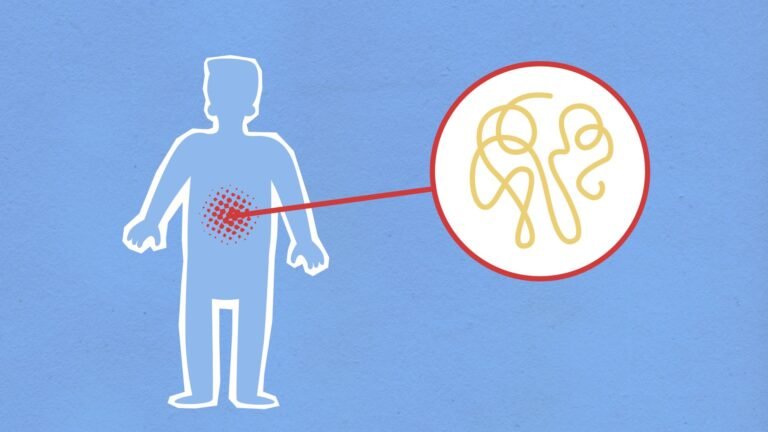
Hormonal imbalance refers to an abnormal fluctuation in the levels of hormones in the body. Hormones are chemical messengers that play a significant role in regulating various bodily functions, including metabolism, growth, mood, and reproductive health. When hormones are out of balance, it can lead to a wide range of symptoms and health issues. Understanding hormonal imbalance is crucial for effectively managing its effects and restoring health.
Many factors can contribute to hormonal imbalance, such as stress, diet, lifestyle choices, and underlying medical conditions. Awareness of these factors can aid in prevention and treatment. This guide will explore the symptoms, causes, and treatment options for hormonal imbalance, providing you with the knowledge necessary to take control of your health.
As we delve into this topic, consider how hormonal health affects not just physical well-being but emotional and mental health as well. Restoring hormonal balance can lead to improved quality of life and overall health.
Understanding Hormones and Their Functions
Hormones are produced by glands in the endocrine system and serve as chemical messengers that regulate many bodily functions. These include:
- Metabolism: Hormones like insulin and glucagon control how the body processes and utilizes energy.
- Growth and Development: Growth hormone is essential for normal growth in children and adolescents.
- Reproductive Health: Estrogen and testosterone play key roles in sexual development and reproductive functions.
- Mood Regulation: Hormones such as cortisol and serotonin influence mood and emotional well-being.
Each hormone has a specific function and works in harmony with others to maintain homeostasis. When one hormone level is disrupted, it can create a ripple effect, leading to further imbalances.
Common Symptoms of Hormonal Imbalance
Identifying the symptoms of hormonal imbalance is essential for early intervention. Symptoms can vary significantly among individuals, but common signs include:
- Irregular Menstrual Cycles: Women may experience heavy bleeding, missed periods, or prolonged cycles.
- Weight Changes: Unexplained weight gain or loss can be linked to hormonal fluctuations, particularly with thyroid hormones.
- Mood Swings: Increased irritability, anxiety, or depression can signal hormonal issues.
- Fatigue: Persistent fatigue, even with adequate sleep, may indicate hormonal imbalance, particularly adrenal hormone issues.
- Sleep Disturbances: Difficulty falling or staying asleep can be tied to hormone levels, especially melatonin and cortisol.
For example, a 35-year-old woman named Sarah noticed she was experiencing extreme mood swings and fatigue. After consulting with a healthcare professional, she learned that her estrogen levels were fluctuating significantly. This imbalance was affecting her overall well-being and required adjustment through lifestyle changes and medical intervention.

Causes of Hormonal Imbalance
Understanding the root causes of hormonal imbalance can aid in prevention and treatment:
- Stress: Chronic stress leads to elevated cortisol levels, which can disrupt other hormones.
- Poor Diet: Diets high in sugar and processed foods can lead to insulin resistance and affect hormone levels.
- Medical Conditions: Conditions like polycystic ovary syndrome (PCOS), thyroid disorders, and diabetes can cause hormonal imbalances.
- Age: Hormonal changes naturally occur with aging, particularly during menopause for women.
- Lifestyle Factors: Sedentary behavior, lack of sleep, and excessive alcohol consumption can contribute to hormonal disruptions.
Being mindful of these factors can help in taking preventative measures to maintain hormonal balance.
Diagnosis of Hormonal Imbalance
Diagnosing hormonal imbalance often involves a comprehensive approach:
- Medical History: A thorough review of symptoms and medical history is essential for identifying potential hormonal issues.
- Physical Examination: A healthcare provider may perform a physical exam to check for signs of hormonal imbalance, such as changes in skin or weight.
- Laboratory Tests: Blood tests can measure hormone levels, helping to identify any abnormalities.
It is important to seek professional medical advice for accurate diagnosis and treatment options. Self-diagnosing can lead to unnecessary worry or inappropriate treatments.
Treatment Options for Hormonal Imbalance
Treatment for hormonal imbalance varies depending on the underlying cause and symptoms:
- Lifestyle Changes: Incorporating regular exercise, stress management techniques (like yoga or meditation), and a balanced diet can significantly improve hormone levels.
- Medications: Hormone replacement therapy (HRT) or medications to regulate hormones (such as birth control pills for women) may be prescribed.
- Natural Remedies: Some individuals find relief through herbal supplements or alternative therapies, but it is crucial to consult with a healthcare provider before starting any new treatments.
Restoring balance may take time, and it is essential to maintain open communication with healthcare professionals throughout the treatment process.
Preventive Measures for Hormonal Health
Taking steps to maintain hormonal balance can prevent issues from arising in the first place:
- Healthy Diet: Focus on whole foods rich in nutrients, including fruits, vegetables, lean proteins, and healthy fats.
- Regular Exercise: Aim for at least 150 minutes of moderate exercise each week to help regulate hormones.
- Stress Management: Implementing mindfulness practices and relaxation techniques can help lower cortisol levels.
- Sufficient Sleep: Prioritize quality sleep to support overall hormonal health.
Incorporating these habits into daily life can promote long-term hormonal balance and overall well-being.
The Role of Diet in Hormonal Balance
Essential Nutrients for Hormonal Health
The foods we consume play a crucial role in influencing our hormonal balance. Certain nutrients are particularly important for the production and regulation of hormones in the body. Here are some essential nutrients that should be included in a balanced diet for optimal hormonal health:
- Omega-3 Fatty Acids: Found in fatty fish like salmon, walnuts, and flaxseeds, these fats help reduce inflammation and support hormone production.
- Vitamin D: This vitamin functions as a hormone in the body and is essential for calcium regulation. Sources include sunlight, fortified foods, and fatty fish.
- B Vitamins: B vitamins, particularly B6, B12, and folate, are vital for energy production and hormone regulation. Good sources are whole grains, legumes, and leafy greens.
Foods to Avoid for Hormonal Balance
Just as there are foods that support hormonal health, certain foods can contribute to hormonal imbalance. Processed foods, high sugar intake, and excessive caffeine can disrupt hormonal functions. Here are some specific foods to limit:
- Processed Sugars: High sugar consumption can lead to insulin resistance, affecting overall hormonal balance.
- Trans Fats: Found in many fried and baked goods, trans fats can interfere with hormone production.
- Excessive Caffeine: High caffeine intake can increase cortisol levels, leading to stress and hormonal fluctuations.
By focusing on a diet rich in whole foods, healthy fats, and essential vitamins, individuals can help maintain a balanced hormonal environment.
The Impact of Gut Health on Hormones
Recent studies have highlighted the significant connection between gut health and hormonal balance. The gut microbiome, which consists of trillions of microorganisms, plays a role in hormone metabolism and regulation.
A healthy gut can positively influence hormones such as estrogen, insulin, and cortisol. Here are some tips to promote gut health:
- Incorporate Probiotics: Foods like yogurt, kefir, and fermented vegetables can enhance gut flora.
- Eat Prebiotic Foods: Foods high in fiber, such as bananas, onions, and garlic, provide nourishment for beneficial gut bacteria.
- Stay Hydrated: Adequate water intake is crucial for digestive health and helps maintain a balanced gut microbiome.
Stress Management Techniques for Hormonal Balance
The Connection Between Stress and Hormones
Stress has a profound impact on hormonal balance, primarily through the release of cortisol, the body’s main stress hormone. Chronic stress can lead to elevated cortisol levels, which can disrupt other hormonal functions, including those of insulin and sex hormones.
Managing stress is essential for maintaining hormonal health. Here are some effective stress management techniques:
- Meditation: Regular meditation can help reduce stress levels and promote a sense of calm.
- Physical Activity: Engaging in regular exercise can lower cortisol levels and enhance mood.
- Mindfulness Practices: Techniques such as deep breathing, yoga, and tai chi can help alleviate stress and improve overall well-being.
Creating a Balanced Lifestyle
In addition to managing stress, creating a balanced lifestyle is vital for hormonal health. This includes ensuring adequate sleep, maintaining a healthy work-life balance, and engaging in activities that bring joy and fulfillment.
Here are some lifestyle adjustments that can promote hormonal balance:
- Prioritize Sleep: Aim for 7-9 hours of quality sleep each night to support hormone regulation.
- Limit Screen Time: Reducing exposure to blue light from screens before bedtime can improve sleep quality.
- Schedule Downtime: Make time for hobbies and relaxation to recharge mentally and emotionally.
Herbal Remedies for Stress Relief
Incorporating herbal remedies can also aid in stress management and support hormonal balance. Certain herbs have adaptogenic properties, meaning they help the body adapt to stress and promote overall well-being. Here are some popular herbs to consider:
- Ashwagandha: Known for its stress-reducing properties, ashwagandha can help lower cortisol levels.
- Holy Basil: This herb is believed to support adrenal function and reduce anxiety.
- Rhodiola Rosea: Often used to enhance energy and resilience to stress, rhodiola can help regulate cortisol levels.
Understanding the Role of Exercise in Hormonal Health
Types of Exercise Beneficial for Hormonal Balance
Regular physical activity is crucial for maintaining hormonal balance. Different types of exercise can have varying effects on hormone levels and overall health. Here are some forms of exercise that are particularly beneficial:
- Aerobic Exercise: Activities such as running, cycling, and swimming can enhance insulin sensitivity and support weight management.
- Strength Training: Lifting weights can help improve muscle mass, which is essential for regulating various hormones, including testosterone and growth hormone.
- Flexibility and Balance Exercises: Practices like yoga and Pilates can reduce stress, improve circulation, and promote relaxation.
The Timing of Exercise and Hormonal Impact
The timing of exercise can also influence hormonal responses. For instance, working out in the morning may boost testosterone levels, while evening workouts can enhance sleep quality. Here are some tips on timing your workouts:
- Morning Workouts: Engaging in exercise early in the day can help boost energy and metabolism.
- Afternoon Workouts: This is often when strength and endurance are at their peak, making it an ideal time for high-intensity workouts.
- Evening Workouts: If you prefer to exercise in the evening, consider lighter activities such as stretching or yoga to promote relaxation.
Listening to Your Body
While regular exercise is beneficial, it is essential to listen to your body and adjust your routine as needed. Overtraining can lead to increased cortisol levels and fatigue, negatively affecting hormonal balance. Here are some signs to watch for:
- Persistent Fatigue: Feeling excessively tired despite adequate rest may indicate overtraining.
- Increased Irritability: Mood swings or heightened irritability can signal hormonal imbalance.
- Changes in Sleep Patterns: Difficulty sleeping or needing more sleep than usual can be a sign to scale back on intense workouts.
By incorporating a balanced approach to exercise, individuals can support their hormonal health while also enjoying the physical and mental benefits of staying active.
Impact of Environmental Factors on Hormonal Health
Endocrine Disruptors
Environmental chemicals known as endocrine disruptors can significantly affect hormonal balance. These substances can interfere with hormone production, regulation, and signaling. Common sources of endocrine disruptors include plastics, pesticides, and personal care products. For instance, bisphenol A (BPA), found in many plastics, mimics estrogen and can lead to hormonal imbalances.
- Plastics with BPA
- Pesticides in agriculture
- Cosmetics with parabens
Reducing exposure to these disruptors involves choosing organic produce, using glass or stainless steel containers for food storage, and opting for natural personal care products.
Pollution and Hormonal Disruption
Air and water pollution are also critical factors that can lead to hormonal imbalances. Pollutants such as heavy metals and chemical runoff can accumulate in the body, disrupting the endocrine system. Studies indicate that long-term exposure to polluted environments may correlate with reproductive issues and metabolic disorders.
Mitigating these risks can include using air purifiers, consuming filtered water, and supporting local initiatives for cleaner environments.

Role of Sleep in Hormonal Balance
Sleep Patterns and Hormonal Regulation
Quality sleep is vital for maintaining hormonal balance. Sleep regulates several hormones including cortisol, insulin, and growth hormone. Disrupted sleep patterns can lead to increased cortisol levels, which may contribute to weight gain and stress-related conditions. Ensuring 7-9 hours of quality sleep can aid in stabilizing these hormones.
- Establish a consistent sleep schedule
- Create a restful environment
- Avoid screens before bedtime
Sleep Disorders
Conditions such as sleep apnea can further complicate hormonal health. Sleep apnea disrupts breathing during sleep, leading to fragmented rest and hormonal fluctuations. Addressing these disorders through medical evaluation and treatment can significantly enhance hormonal balance and overall health.
Natural Supplements for Hormonal Balance
Common Herbal Remedies
Certain herbs have been shown to support hormonal health. For example, maca root is known for its potential to enhance fertility and alleviate symptoms of menopause. Other herbs like ashwagandha can help reduce stress and cortisol levels, promoting better hormonal equilibrium.
- Maca root
- Ashwagandha
- Black cohosh
Vitamins and Minerals
In addition to herbal remedies, specific vitamins and minerals play a crucial role in hormonal balance. Vitamin D and magnesium are essential for various hormone functions. A deficiency in these nutrients can lead to imbalances, making supplementation or dietary adjustments crucial for maintaining health.
For more information, see MedlinePlus.
Frequently Asked Questions
What are the most common signs of hormonal imbalance?
Common signs include irregular menstrual cycles, weight changes, mood swings, fatigue, and sleep disturbances.
How is hormonal imbalance diagnosed?
Diagnosis typically involves a review of medical history, physical examination, and laboratory tests to measure hormone levels.
Can stress cause hormonal imbalance?
Yes, chronic stress can lead to elevated cortisol levels, which can disrupt the balance of other hormones in the body.
What are the treatment options for hormonal imbalance?
Treatment options may include lifestyle changes, medications, and natural remedies, depending on the underlying cause and symptoms.
The Bottom Line
Hormonal imbalance can significantly impact health and well-being, but understanding its symptoms, causes, and treatment options empowers individuals to take control of their health. By recognizing the signs and seeking appropriate care, you can work towards restoring hormonal balance and improving your quality of life.
Was this page helpful?
Thanks for your feedback! What could we improve?
Thank you! Your feedback helps us improve our articles.
True Impact Health articles are written by our editorial team and based on reliable sources such as public health agencies, clinical guidelines and peer-reviewed research. This article has not yet been medically reviewed. Read our editorial process.
This content is for general information and is not a substitute for professional medical advice, diagnosis or treatment.