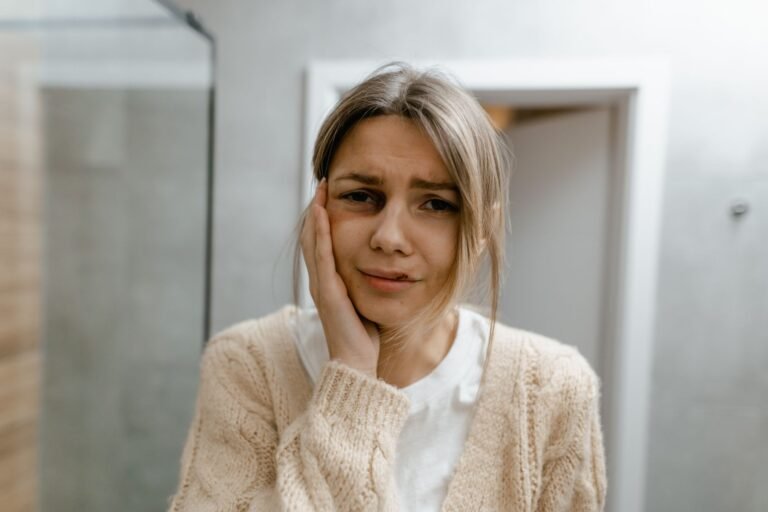
Understanding PCOS Symptoms: What You Need to Know
Discover the key PCOS symptoms and how they affect health, providing practical insights and tips for managing this common condition.
By True Impact Health Editorial Team

Physician with experience in patient care and preventive medicine, focused on early detection, disease prevention and long-term wellness.
Reviewed this article on November 11, 2026.
View profile How we reviewUpdated on November 8, 2026 11 min read

Table of Contents
Key Takeaways
- PCOS symptoms vary widely among individuals.
- Common symptoms include irregular periods and weight gain.
- Lifestyle changes can help manage symptoms effectively.
- Consult a healthcare professional for personalized guidance.
Polycystic Ovary Syndrome (PCOS) is a common hormonal disorder affecting women of reproductive age. It can lead to a variety of physical and emotional symptoms, making it a multifaceted condition to manage. Understanding the symptoms of PCOS is crucial for early diagnosis and effective treatment.
While PCOS can affect women differently, certain symptoms are commonly reported and can significantly impact quality of life. This article aims to provide an in-depth look at PCOS symptoms, their implications, and practical steps that can be taken to manage them.
Recognizing the symptoms of PCOS can empower women to seek appropriate care and make informed decisions about their health. From hormonal imbalances to metabolic issues, the effects of PCOS can be extensive, underscoring the importance of awareness and education.
Common Symptoms of PCOS
PCOS is characterized by a range of symptoms that are often grouped into three main categories: menstrual irregularities, physical symptoms, and metabolic complications. Understanding these categories can help in recognizing the condition more clearly.
1. Menstrual Irregularities
One of the hallmark symptoms of PCOS is irregular menstrual cycles. Women with PCOS may experience:
- Infrequent Menstrual Periods: Some may have fewer than nine periods a year.
- Prolonged Menstrual Cycles: Cycles may last longer than 35 days.
- Heavy Menstrual Bleeding: Some women may experience heavy or prolonged bleeding during their periods.
Understanding these patterns can help in identifying PCOS early on. For instance, a woman named Sarah noticed her cycles were often spaced months apart, prompting her to consult her healthcare provider.
2. Physical Symptoms
In addition to menstrual irregularities, women with PCOS may face various physical symptoms:
- Excess Hair Growth (Hirsutism): Many women develop dark, coarse hair on their face, chest, or back due to elevated androgen levels.
- Acne and Oily Skin: Hormonal imbalances can lead to increased acne and oil production.
- Weight Gain: Many women with PCOS struggle with weight gain or obesity, which can exacerbate other symptoms.
Sarah also experienced hirsutism and acne, which further motivated her to seek medical advice.
3. Metabolic Complications
PCOS can lead to several metabolic issues, including:
- Insulin Resistance: Many women with PCOS have insulin resistance, which can lead to type 2 diabetes.
- High Cholesterol Levels: Elevated cholesterol levels can increase the risk of heart disease.
- Sleep Apnea: This condition is more common among women with PCOS, especially those who are overweight.
These metabolic complications highlight the importance of comprehensive management strategies that address both reproductive and metabolic health.

How PCOS Symptoms Affect Daily Life
The symptoms of PCOS can significantly impact various aspects of daily life, including physical well-being, emotional health, and social interactions. Women may face challenges that extend beyond the physical manifestations of the syndrome.
1. Emotional and Psychological Effects
Women with PCOS often report feelings of anxiety and depression, which can stem from the physical symptoms and the social stigma associated with them. The emotional burden can be substantial:
- Body Image Issues: Physical changes, such as weight gain and hirsutism, can lead to negative self-image.
- Social Withdrawal: Some women may avoid social situations due to embarrassment over their symptoms.
- Stress and Anxiety: Managing chronic health conditions can contribute to overall stress levels.
Addressing these emotional aspects is just as important as treating the physical symptoms of PCOS.
2. Impact on Relationships
PCOS symptoms can also affect personal relationships, particularly romantic ones. Open communication about health issues can foster understanding and support:
- Partner Support: Partners can play a crucial role in providing emotional support and understanding.
- Seeking Help Together: Couples may benefit from attending medical appointments or counseling together.
- Managing Expectations: Understanding that PCOS may impact fertility can require adjustments in family planning.
It’s crucial for women with PCOS to engage in open dialogues with partners, friends, and family to create a supportive network.
3. Lifestyle Adjustments
The symptoms of PCOS often necessitate significant lifestyle changes. Women may need to consider:
- Dietary Changes: A balanced diet low in processed sugars can help manage weight and insulin levels.
- Regular Exercise: Physical activity can improve insulin sensitivity and promote weight loss.
- Stress Management: Techniques such as yoga, meditation, or counseling can help reduce stress.
These lifestyle adjustments, while challenging, can empower women to take control of their health and manage their symptoms effectively.

Diagnosis of PCOS Symptoms
Early diagnosis of PCOS is crucial for effective management. A healthcare provider typically uses several methods to diagnose the condition:
1. Medical History and Symptoms Review
During the initial consultation, a doctor will review a patient’s medical history and symptoms. They will inquire about menstrual cycles, weight changes, and any physical symptoms present. This initial assessment is vital for determining if further testing is needed.
2. Physical Examination
A physical exam may include checking for signs of excess hair growth, acne, or weight gain. The doctor may also measure blood pressure and body mass index (BMI) to assess overall health.
3. Blood Tests
Blood tests can help evaluate hormone levels and check for insulin resistance. Common tests may include:
- Hormonal Profile: To assess levels of androgens and other hormones.
- Glucose Tolerance Test: To evaluate insulin sensitivity.
- Lipid Profile: To check cholesterol and triglyceride levels.
These tests provide important information for confirming a diagnosis of PCOS and ruling out other conditions with similar symptoms.
Treatment Options for PCOS Symptoms
Managing PCOS symptoms often requires a multifaceted approach, including lifestyle changes, medications, and possibly therapy. Each treatment plan should be tailored to the individual, considering their specific symptoms and health goals.
1. Lifestyle Changes
As mentioned earlier, lifestyle modifications play a critical role in managing PCOS symptoms. Key changes may include:
- Healthy Eating: Focus on whole, unprocessed foods, and consider a diet rich in fiber and low in refined carbohydrates.
- Regular Exercise: Aim for at least 150 minutes of moderate aerobic activity each week.
- Weight Management: Even a modest weight loss can help regulate menstrual cycles and improve symptoms.
These changes can significantly impact both physical and emotional health.
2. Medications
In some cases, medications are necessary to manage symptoms effectively. Common options include:
- Hormonal Birth Control: Birth control pills can help regulate menstrual cycles and reduce androgen levels.
- Metformin: This medication can improve insulin sensitivity and help with weight management.
- Anti-Androgens: Drugs like spironolactone can help reduce hirsutism and acne.
Medication should always be discussed with a healthcare professional to ensure it aligns with individual health needs.
3. Therapy and Support
For many women with PCOS, therapy can be beneficial for managing the emotional and psychological aspects of the condition. Considerations include:
- Cognitive Behavioral Therapy (CBT): Can help address issues related to body image and self-esteem.
- Support Groups: Connecting with others who have similar experiences can provide emotional support.
- Education: Learning more about PCOS can empower women to advocate for their health.
Therapeutic support can provide tools for coping with challenges and improving overall well-being.

Emotional and Psychological Impact of PCOS
Understanding the Emotional Toll
Women with PCOS often experience a range of emotional challenges that can significantly affect their quality of life. The hormonal imbalances associated with PCOS, particularly elevated androgen levels, can lead to mood swings, anxiety, and depression. This emotional toll is compounded by the physical symptoms of the condition, such as weight gain and acne, which can impact self-esteem and body image.
Research has shown that women with PCOS are at a higher risk of developing anxiety and depression compared to those without the condition. It is crucial for individuals with PCOS to recognize these emotional symptoms and seek support when needed. Therapy, support groups, and lifestyle changes can play a vital role in managing these feelings and improving overall mental health.
Strategies for Emotional Well-being
- Engage in regular physical activity, which can boost mood and reduce anxiety.
- Practice mindfulness and meditation techniques to enhance emotional regulation.
- Seek professional help or counseling to work through feelings of anxiety or depression.
- Connect with support groups or communities for women with PCOS to share experiences and coping strategies.
By implementing these strategies, women with PCOS can enhance their emotional resilience and manage the psychological impacts of the syndrome more effectively. Building a strong support network and practicing self-care can be invaluable in navigating the emotional landscape of PCOS.
The Role of Nutrition in Mental Health
Nutrition plays a significant role in mental health, especially for those with PCOS. Certain dietary choices can help stabilize mood and reduce the risk of depression and anxiety. Diets rich in whole foods, including fruits, vegetables, lean proteins, and healthy fats, can support both physical and mental health.
Omega-3 fatty acids, found in fish, flaxseeds, and walnuts, have been linked to improved mood and reduced symptoms of depression. Additionally, a diet low in refined sugars and processed foods can prevent blood sugar spikes, which can negatively affect mood stability. Understanding the interplay between diet and emotional health is vital for women managing PCOS.

Long-term Health Risks Associated with PCOS
Understanding the Risks
PCOS is not just a reproductive health issue; it is associated with several long-term health risks that can significantly impact women’s health. Women with PCOS have a higher likelihood of developing conditions such as type 2 diabetes, cardiovascular diseases, and endometrial cancer. These risks are often linked to insulin resistance, which is common in women with PCOS.
It is essential for women diagnosed with PCOS to be proactive about their health. Regular medical check-ups, blood tests to monitor glucose levels, and screenings for cardiovascular health can help identify and mitigate these risks early. Awareness of these potential health complications can empower women to take action in managing their health.
Preventive Measures
- Maintain a healthy weight through balanced nutrition and regular exercise.
- Monitor blood sugar levels regularly to detect any early signs of insulin resistance.
- Incorporate routine screenings for cholesterol and blood pressure.
- Discuss with healthcare providers about regular gynecological examinations to monitor reproductive health.
Implementing these preventive measures can significantly lower the long-term health risks associated with PCOS. Empowering women with knowledge about these risks is crucial for promoting proactive health management.
The Importance of Regular Medical Check-ups
Regular medical check-ups play a vital role in managing the symptoms and long-term health risks of PCOS. During these appointments, healthcare providers can monitor any changes in symptoms, adjust treatment plans, and screen for associated health conditions. Women with PCOS should advocate for themselves by ensuring that their healthcare providers are aware of their symptoms and concerns.
Additionally, maintaining open communication with doctors about any new symptoms can lead to timely interventions. Women should also discuss any family history of diabetes, heart disease, or other related conditions, as this information can guide preventive care and risk assessment.

Impact of Lifestyle Modifications on PCOS Symptoms
Exercise and Physical Activity
Engaging in regular physical activity is one of the most effective lifestyle modifications for managing PCOS symptoms. Exercise can help regulate menstrual cycles, reduce insulin resistance, and improve overall mood. It is recommended that women with PCOS aim for at least 150 minutes of moderate-intensity aerobic activity each week, combined with strength training exercises at least twice a week.
Incorporating activities such as walking, cycling, swimming, or dancing can make exercise enjoyable and sustainable. Moreover, group classes or workout sessions can provide social support, which can be beneficial for emotional well-being. Finding an exercise routine that fits one’s lifestyle and preferences is essential for long-term adherence.
Dietary Modifications
The role of diet in managing PCOS symptoms cannot be overstated. A balanced diet rich in whole foods can help maintain a healthy weight and regulate blood sugar levels. Focus on incorporating low-glycemic index foods, which are less likely to cause spikes in blood sugar. These include whole grains, legumes, nuts, seeds, and non-starchy vegetables.
- Limit intake of processed foods and sugary snacks.
- Opt for lean protein sources such as chicken, fish, and plant-based proteins.
- Include healthy fats from sources like avocados and olive oil to support hormonal balance.
- Stay hydrated and limit sugary beverages.
By making conscious dietary choices, women with PCOS can improve their symptoms and enhance their overall health. Consulting with a registered dietitian can provide personalized dietary recommendations that suit individual needs.
Stress Management Techniques
Stress can exacerbate PCOS symptoms, making effective stress management techniques essential for overall well-being. Practices such as yoga, meditation, and deep-breathing exercises can help reduce stress levels and promote relaxation. Mindfulness practices have been shown to improve emotional health and can be beneficial for women with PCOS.
Incorporating hobbies, spending time with loved ones, and engaging in creative activities can also serve as effective stress relievers. Finding ways to unwind and recharge is crucial for managing the emotional and physical symptoms of PCOS.
For more information, see NIH.
Frequently Asked Questions
What causes PCOS?
The exact cause of PCOS is unknown, but factors such as insulin resistance, hormonal imbalances, and genetic predisposition are believed to contribute to its development.
Can PCOS symptoms change over time?
Yes, symptoms of PCOS can evolve as a woman ages or experiences changes in lifestyle, weight, or treatment. Regular check-ins with a healthcare provider can help manage these changes.
Is there a cure for PCOS?
Currently, there is no cure for PCOS, but symptoms can be effectively managed through lifestyle changes, medications, and support.
How does PCOS affect fertility?
PCOS can impact fertility due to irregular ovulation. However, many women with PCOS can conceive with appropriate treatment and lifestyle modifications.
The Bottom Line
PCOS is a complex condition that presents a variety of symptoms, affecting both physical and emotional health. Recognizing these symptoms early and seeking appropriate medical advice is essential for effective management. With a combination of lifestyle changes, medical treatments, and emotional support, women with PCOS can lead healthy, fulfilling lives.
Was this page helpful?
Thanks for your feedback! What could we improve?
Thank you! Your feedback helps us improve our articles.
Medically reviewed by
Dr. Bernard ReynoldsPhysician with experience in patient care and preventive medicine, focused on early detection, disease prevention and long-term wellness.
True Impact Health articles are written by our editorial team and based on reliable sources such as public health agencies, clinical guidelines and peer-reviewed research. This article has been checked by a doctor on our review panel. Read our editorial process.
This content is for general information and is not a substitute for professional medical advice, diagnosis or treatment.