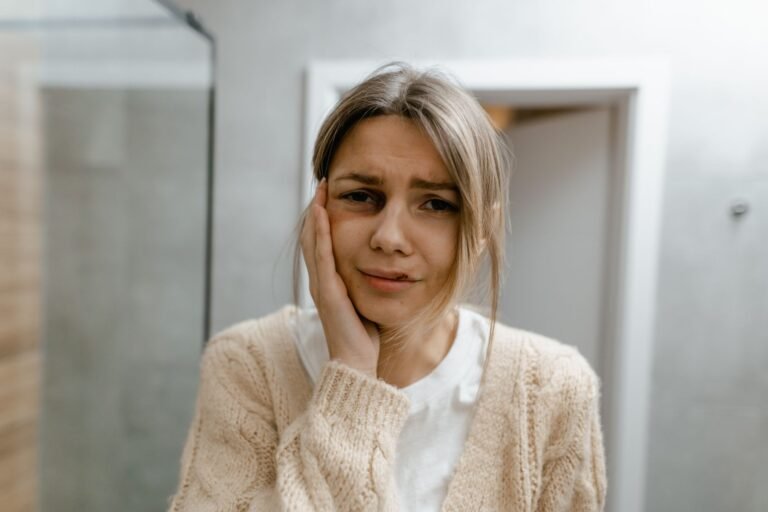
Understanding Endometriosis Symptoms: What to Look For
Learn about endometriosis symptoms, their impact on daily life, and how to seek effective management options.
By True Impact Health Editorial Team

Medical doctor and clinical researcher focused on preventive medicine, chronic disease and clear, evidence-based health communication.
Reviewed this article on November 11, 2026.
View profile How we reviewUpdated on November 9, 2026 10 min read

Table of Contents
Key Takeaways
- Endometriosis can cause severe pelvic pain and discomfort.
- Symptoms vary widely among individuals and can change over time.
- Early diagnosis is crucial for effective treatment and management.
- Consulting a healthcare professional is essential for personalized care.
Endometriosis is a chronic and often painful condition affecting millions of women worldwide. It occurs when tissue similar to the lining of the uterus grows outside the uterus, leading to a variety of symptoms that can significantly impact daily life. Understanding endometriosis symptoms is crucial for early diagnosis and effective management. This article will provide a comprehensive overview of the symptoms associated with endometriosis, how they manifest, and what steps individuals can take to seek help.
Women with endometriosis may experience a range of symptoms that vary in severity and frequency. While many are familiar with the classic symptom of pelvic pain, the condition can also cause a host of other issues that are less well-known. By recognizing these symptoms, individuals can better advocate for their health and seek the appropriate care.
For those who suspect they may have endometriosis, understanding the full spectrum of symptoms can be the first step toward obtaining a diagnosis and developing a management plan.
Common Symptoms of Endometriosis
The symptoms of endometriosis can vary greatly from person to person, making it a complex condition to diagnose. Below are some of the most common symptoms associated with endometriosis:
- Pelvic Pain: This is often the most prominent symptom, usually related to the menstrual cycle. Women may experience pain before and during menstruation, as well as pain during intercourse, bowel movements, or urination.
- Heavy Menstrual Bleeding: Some women with endometriosis may experience heavy periods (menorrhagia) or bleeding between periods.
- Infertility: Endometriosis can be a contributing factor to infertility, with many women discovering they have the condition while seeking treatment for infertility.
- Fatigue: Chronic fatigue is a common complaint among those with endometriosis, often exacerbated by pain and heavy bleeding.
- Gastrointestinal Issues: Symptoms such as diarrhea, constipation, bloating, and nausea can occur, particularly during menstrual periods.
- Urinary Symptoms: Some women may experience urinary urgency or dysuria (painful urination), especially if endometriosis affects the bladder.
Pelvic Pain Explained
Pelvic pain can present in various ways in women with endometriosis. It may range from mild discomfort to severe and debilitating pain. This pain is often cyclical, coinciding with the menstrual cycle, but it can also be chronic, persisting throughout the month. The intensity of pelvic pain can increase over time and may lead to avoidance of activities such as exercise or intimacy.
For example, consider a woman named Sarah, who has been experiencing severe pelvic pain for years. Initially, she dismissed it as part of her normal menstrual cycle. However, as her pain intensified, she found it increasingly difficult to engage in social activities or maintain her job. After seeking medical advice, Sarah was diagnosed with endometriosis, which helped her understand the source of her pain and led her to explore treatment options.
Understanding the nature of pelvic pain is critical in recognizing endometriosis. Keeping a symptom diary that tracks pain levels, menstrual cycles, and other symptoms can help individuals communicate effectively with healthcare providers.

Other Symptoms of Endometriosis
While pelvic pain is the most recognized symptom of endometriosis, there are several other symptoms that can occur:
- Heavy Menstrual Bleeding: Women may notice that their menstrual flow is heavier than normal, leading to the need for more frequent changing of sanitary products.
- Fatigue: Chronic fatigue related to endometriosis can stem from pain, sleep disturbances, and the emotional toll of living with a chronic condition.
- Gastrointestinal Symptoms: Many women report symptoms that mimic gastrointestinal disorders, such as irritable bowel syndrome (IBS). This can complicate diagnosis and management.
- Infertility: Endometriosis is often found in women who struggle with infertility, making it essential for those trying to conceive to consider evaluation for the condition.
It is important to note that the severity of symptoms does not always correlate with the extent of the disease. Some women with advanced endometriosis may have mild symptoms, while others with minimal disease may experience severe symptoms.
Impact on Daily Life
The symptoms of endometriosis can profoundly affect daily life, influencing everything from work performance to personal relationships. Many women report feeling isolated due to their condition, as the symptoms can be invisible to others. This invisibility can lead to misunderstandings from friends, family, or coworkers who may not fully grasp the debilitating nature of the condition.
Moreover, the emotional and psychological aspects of managing chronic pain and other symptoms can lead to increased levels of anxiety and depression. Seeking professional help, whether from a therapist or support groups, can be beneficial.
Women may also need to make lifestyle adjustments to manage their symptoms. This can include dietary changes, exercise modifications, and stress management techniques. The goal is to find a balance that allows for a fulfilling life while navigating the challenges presented by endometriosis.
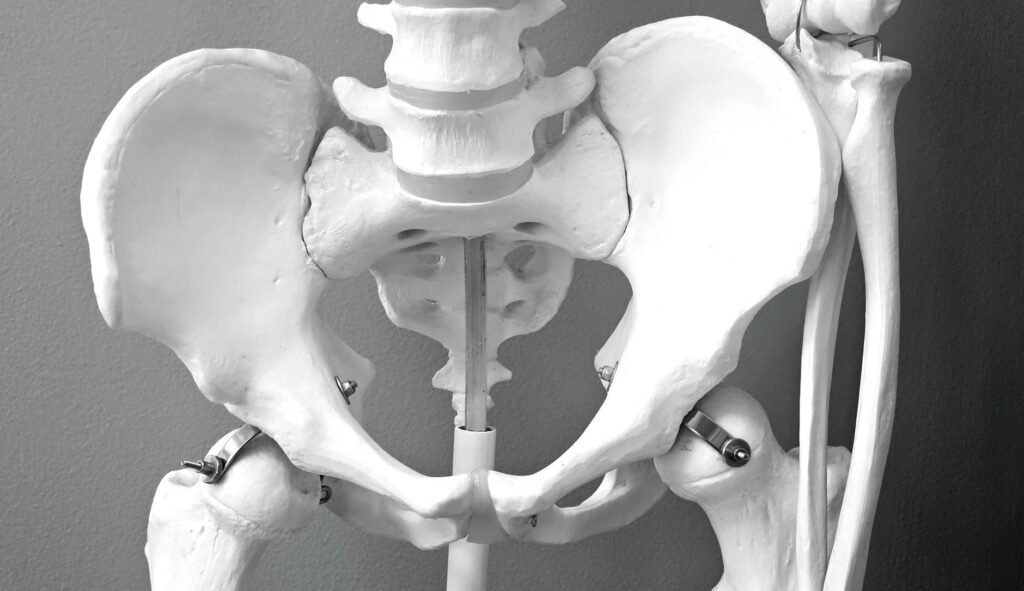
Diagnosing Endometriosis
Diagnosing endometriosis can be challenging due to the variability of symptoms and their overlap with other conditions. A thorough evaluation by a healthcare provider is essential. The diagnostic process typically involves:
- Medical History: Healthcare providers will take a detailed medical history to understand the pattern and severity of symptoms.
- Physical Examination: A pelvic exam may be performed to check for abnormalities.
- Imaging Tests: Ultrasound or MRI may be used to identify cysts associated with endometriosis.
- Laparoscopy: The most definitive way to diagnose endometriosis is through a laparoscopic procedure, where a small camera is inserted into the pelvis to visualize endometrial tissue.
Early diagnosis can lead to better management and improved quality of life, making it crucial for those experiencing symptoms to seek medical advice.
Management and Treatment Options
Management of endometriosis symptoms can vary widely and may include a combination of lifestyle changes, medication, and surgical options:
- Medications: Pain relief can often be managed with over-the-counter or prescription pain medications. Hormonal therapies may also be prescribed to help reduce or eliminate menstruation, which can alleviate symptoms.
- Lifestyle Changes: Diet and exercise can play a significant role in managing endometriosis symptoms. Some women find relief by adopting anti-inflammatory diets or practicing yoga and mindfulness.
- Surgery: For those with severe symptoms or infertility issues, surgical options may be considered to remove endometrial tissue or adhesions.
Each woman’s experience with endometriosis is unique, and management plans should be tailored to individual needs and symptoms. Consulting with a healthcare provider specializing in endometriosis can help in developing an effective treatment strategy.
[h2]Practical Tip[/h2]

Impact of Endometriosis on Mental Health
Emotional Challenges
Living with endometriosis can take a significant toll on an individual’s mental health. Many women experience feelings of sadness, anxiety, and frustration due to the chronic pain and unpredictability of their symptoms. The impact of these emotional challenges can extend beyond the individual, affecting relationships and daily activities.
Some common emotional challenges faced by those with endometriosis include:
- Chronic stress due to pain management
- Feelings of isolation from friends and family
- Difficulty in maintaining a work-life balance
Recognizing these emotional challenges is crucial for seeking appropriate support. It is essential for individuals to acknowledge their feelings and consider talking to mental health professionals when necessary.
Social Implications
Endometriosis can also have significant social implications, as symptoms often interfere with social activities and relationships. The unpredictable nature of pain episodes may lead individuals to withdraw from social engagements, fearing that they will not be able to participate fully or will require accommodations that may not be available.
Consequently, this can lead to a sense of alienation. Some strategies to mitigate social impacts include:
- Communicating openly with friends and family about the condition
- Planning social activities around symptom management
- Joining support groups for shared experiences
By proactively addressing these social challenges, individuals can cultivate a supportive network that helps mitigate feelings of isolation.
Coping Mechanisms
Developing effective coping mechanisms is vital for managing the mental health aspects of endometriosis. Techniques such as mindfulness, cognitive behavioral therapy (CBT), and stress management strategies can be beneficial. Mindfulness practices, such as meditation or yoga, help redirect focus away from pain and reduce anxiety levels.
Incorporating these coping strategies can lead to improved mental well-being. Here are some practical coping mechanisms:
- Establishing a regular mindfulness practice
- Engaging in light physical activity tailored to personal capabilities
- Seeking professional counseling or therapy
Ultimately, finding the right coping mechanisms requires time and experimentation, but they can significantly enhance quality of life.

Dietary Considerations for Managing Endometriosis Symptoms
Anti-Inflammatory Foods
Diet plays a crucial role in managing endometriosis symptoms. Incorporating anti-inflammatory foods can help reduce inflammation in the body and alleviate some symptoms associated with the condition. Foods rich in omega-3 fatty acids, antioxidants, and fiber are particularly beneficial.
Some examples of anti-inflammatory foods include:
- Fatty fish like salmon and mackerel
- Leafy greens such as spinach and kale
- Berries, particularly blueberries and strawberries
- Nuts and seeds, including walnuts and flaxseeds
Incorporating these foods into a balanced diet can help manage endometriosis symptoms and improve overall health.
Avoiding Trigger Foods
In addition to incorporating beneficial foods, it is equally important to recognize and avoid trigger foods that may exacerbate endometriosis symptoms. These can vary from person to person, but certain foods have been reported to cause issues for many individuals.
Common trigger foods include:
- Dairy products, which may contribute to inflammation
- Processed foods high in sugar and unhealthy fats
- Gluten-containing grains for some people
- Caffeinated beverages and alcohol
Keeping a food diary can help identify personal triggers and guide dietary adjustments for symptom relief.
Consulting with a Nutritionist
Working with a nutritionist who specializes in endometriosis can provide tailored dietary recommendations. A nutritionist can help individuals navigate their dietary choices and create meal plans that address both their symptoms and nutritional needs.
Key benefits of consulting with a nutritionist include:
- Personalized meal planning based on individual symptoms and preferences
- Support in maintaining a balanced diet while avoiding trigger foods
- Guidance on supplements that may support overall health
Leveraging professional advice can lead to a more effective dietary strategy for managing endometriosis symptoms.
Alternative Therapies for Endometriosis Management
Physical Therapy
Physical therapy is an emerging approach for managing endometriosis symptoms, particularly pelvic pain. Specialized physical therapists can help individuals with pelvic floor dysfunction by employing techniques that focus on muscle relaxation and strengthening.
Benefits of physical therapy for endometriosis include:
- Improvement in pelvic floor function
- Reduction in pain through targeted exercises
- Education on body mechanics and posture
Working with a qualified physical therapist can lead to significant improvements in daily functioning and pain levels.
Acupuncture
Acupuncture is another alternative therapy that many individuals find helpful in managing endometriosis symptoms. This ancient practice involves the insertion of fine needles at specific points on the body to promote healing and alleviate pain.
Research suggests that acupuncture may help reduce inflammation and improve circulation, potentially leading to symptom relief. Benefits include:
- Reduced pain and discomfort
- Improved emotional well-being
- Enhanced relaxation and stress reduction
Individuals considering acupuncture should seek practitioners experienced in treating endometriosis.
Holistic Approaches
Holistic approaches, which consider the whole person rather than just the symptoms, can also provide relief for those with endometriosis. These may include lifestyle changes, stress management techniques, and complementary therapies.
Some holistic strategies to explore include:
- Mind-body practices such as yoga and tai chi
- Herbal remedies that have anti-inflammatory properties
- Regular relaxation techniques like deep breathing exercises
Combining these holistic approaches with traditional medical treatments may lead to better overall management of endometriosis symptoms.
For more information, see MedlinePlus.
Frequently Asked Questions
What causes endometriosis?
The exact cause of endometriosis is not fully understood. Several theories exist, including retrograde menstruation, immune system disorders, and genetic factors. More research is needed to determine the root causes.
Can endometriosis be cured?
Currently, there is no cure for endometriosis. However, symptoms can be managed effectively through various treatments, and many women find relief through a combination of lifestyle changes, medication, and surgery.
Is endometriosis the same as pelvic inflammatory disease (PID)?
No, endometriosis and pelvic inflammatory disease (PID) are distinct conditions. Endometriosis involves the growth of tissue outside the uterus, while PID is an infection of the female reproductive organs, often caused by sexually transmitted infections.
How does endometriosis affect fertility?
Endometriosis can lead to infertility in some women due to the formation of adhesions, cysts, and scarring which may impact the reproductive organs. However, many women with endometriosis can conceive naturally or with assistance.
The Bottom Line
Endometriosis symptoms can significantly impact a woman’s quality of life, from chronic pain to emotional challenges. Recognizing the signs and seeking timely medical evaluation is crucial for effective management. With appropriate treatment and support, women with endometriosis can lead fulfilling lives and navigate their symptoms more effectively.
Was this page helpful?
Thanks for your feedback! What could we improve?
Thank you! Your feedback helps us improve our articles.
Medically reviewed by
Dr. Daniel HarringtonMedical doctor and clinical researcher focused on preventive medicine, chronic disease and clear, evidence-based health communication.
True Impact Health articles are written by our editorial team and based on reliable sources such as public health agencies, clinical guidelines and peer-reviewed research. This article has been checked by a doctor on our review panel. Read our editorial process.
This content is for general information and is not a substitute for professional medical advice, diagnosis or treatment.