





















Understanding Blood Disorders: Symptoms, Causes, and Treatments
Explore various blood disorders, their symptoms, causes, and treatments to empower your health with trusted knowledge.

Table of Contents
Key Takeaways
- Blood disorders can affect red cells, white cells, or platelets.
- Common types include anemia, hemophilia, and sickle cell disease.
- Symptoms vary widely, from fatigue to excessive bleeding.
- Diagnosis often requires blood tests and medical evaluations.
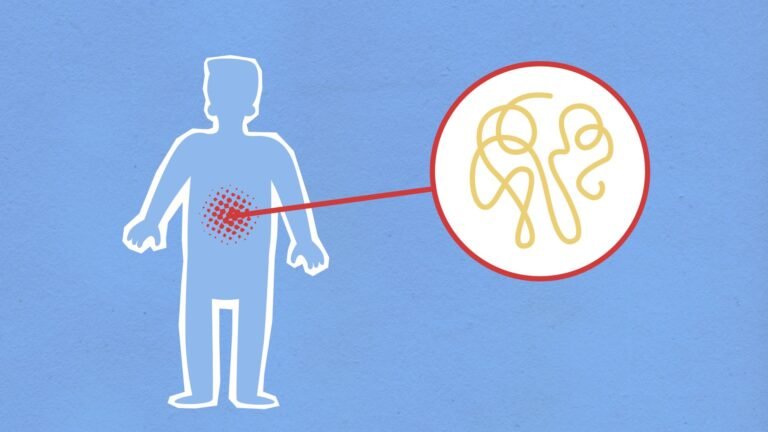
Blood disorders encompass a wide range of medical conditions that affect the components of blood, including red blood cells, white blood cells, and platelets. These disorders can lead to various health problems, affecting overall body function and well-being. Understanding these conditions is crucial for early detection and effective management.
Each type of blood disorder has its unique symptoms, causes, and treatment options. By exploring these factors, individuals can gain insight into their health and make informed decisions in consultation with healthcare professionals.
This article provides a comprehensive overview of blood disorders, including common types, symptoms, diagnosis, and treatment options.
Types of Blood Disorders
Blood disorders can be broadly categorized into three main groups: disorders of red blood cells, white blood cells, and platelets. Each category includes several specific conditions, each with its characteristics.
1. Disorders of Red Blood Cells
Red blood cells (RBCs) are responsible for transporting oxygen throughout the body. Disorders affecting these cells can lead to inadequate oxygen delivery, causing various symptoms.
- Anemia: A condition characterized by a deficiency of RBCs or hemoglobin, leading to fatigue, weakness, and pallor. There are several types of anemia, including iron-deficiency anemia, vitamin B12 deficiency anemia, and aplastic anemia.
- Sickle Cell Disease: A genetic disorder in which red blood cells become misshapen, leading to blockages in blood flow and severe pain episodes. This condition also leads to increased risk of infections and other complications.
- Thalassemia: A hereditary blood disorder that affects hemoglobin production, leading to anemia and other complications. Patients may experience fatigue and delayed growth.
2. Disorders of White Blood Cells
White blood cells (WBCs) are essential for the immune system, helping the body fight infections. Disorders in this category can result in an inadequate immune response or an overactive immune system.
- Leukemia: A type of cancer affecting the blood and bone marrow, leading to the overproduction of abnormal WBCs. Symptoms include frequent infections, fatigue, and easy bruising.
- Lymphoma: Another cancer of the lymphatic system that impacts WBCs. It can cause swollen lymph nodes, fever, and night sweats.
- Neutropenia: A condition characterized by low levels of neutrophils, a type of WBC, leading to increased susceptibility to infections.
3. Disorders of Platelets
Platelets are critical for blood clotting. Disorders affecting platelet function or number can lead to excessive bleeding or clotting.
- Hemophilia: A genetic disorder that impairs the body’s ability to make blood clots, which can lead to prolonged bleeding. Symptoms often include easy bruising and spontaneous bleeding.
- Thrombocytopenia: A condition characterized by low platelet counts, which can result from various causes, including bone marrow disorders and autoimmune diseases.
- Essential Thrombocythemia: A rare blood disorder leading to the overproduction of platelets, increasing the risk of blood clots.
Common Symptoms of Blood Disorders
The symptoms of blood disorders can vary significantly based on the type and severity of the condition. Some common general symptoms include:
- Fatigue: Individuals with blood disorders often experience persistent tiredness due to insufficient oxygen delivery or other systemic effects.
- Unusual Bruising or Bleeding: Symptoms may include frequent nosebleeds, heavy menstrual periods, or easy bruising, indicating potential platelet or coagulation issues.
- Infections: Those with certain white blood cell disorders may face frequent infections, highlighting an impaired immune response.
- Shortness of Breath: Anemia can lead to decreased oxygen levels, causing breathlessness during physical activity.
- Jaundice: Yellowing of the skin and eyes may occur in conditions like hemolytic anemia, where red blood cells are destroyed prematurely.

Diagnosis of Blood Disorders
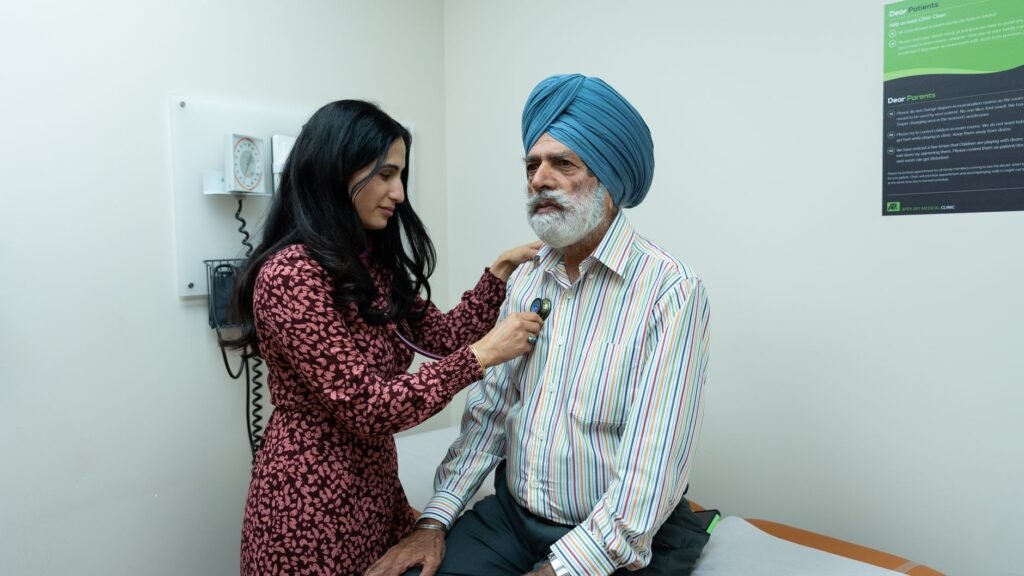
Diagnosing blood disorders involves a combination of patient history, physical examination, and laboratory tests. Healthcare providers often utilize the following methods:
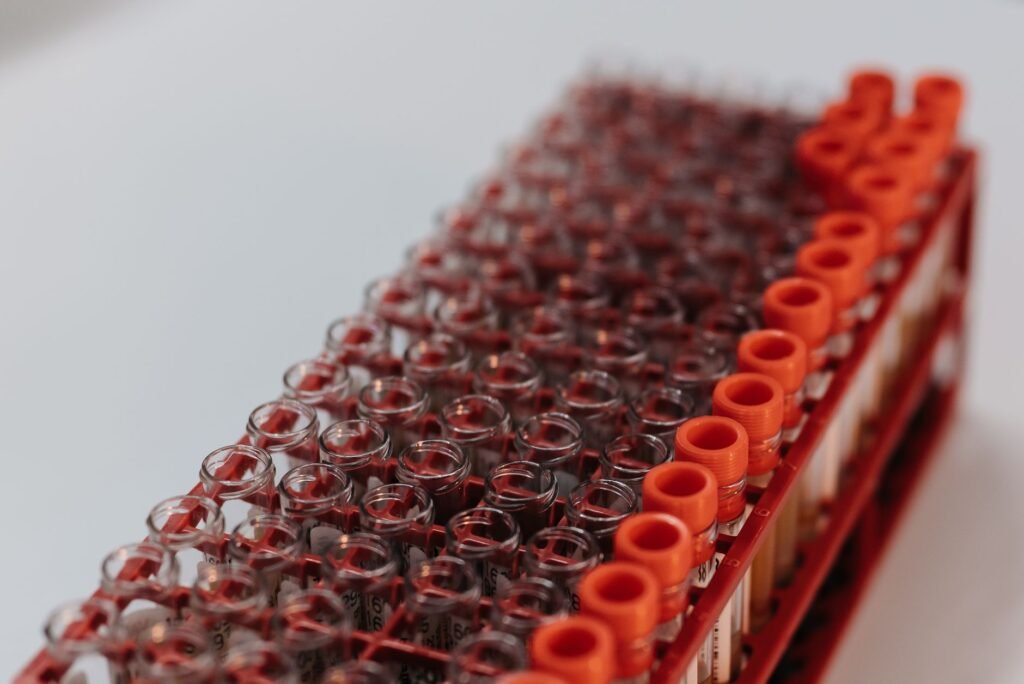
- Blood Tests: Complete blood counts (CBC) are commonly performed to evaluate red and white blood cell counts, hemoglobin levels, and platelet counts. Further tests may assess blood clotting functions.
- Bone Marrow Biopsy: In certain cases, a sample of bone marrow may be taken to examine cell production and detect abnormalities.
- Genetic Testing: Some blood disorders have genetic components, making genetic testing valuable for diagnosis and understanding potential familial risks.
Early diagnosis is crucial as it enables timely treatment, which can improve outcomes and quality of life for affected individuals.
Treatment Options for Blood Disorders
Treatment for blood disorders varies widely depending on the specific condition, its severity, and the underlying causes. Here are common approaches:
- Medications: Many blood disorders are treated with medications, such as iron supplements for iron-deficiency anemia, hormone therapy for hemophilia, or chemotherapy for certain types of leukemia.
- Blood Transfusions: In cases of severe anemia or blood loss, transfusions can replenish blood components. This approach is commonly used in sickle cell disease and severe anemia.
- Bone Marrow Transplant: For some cancers and genetic blood disorders, a bone marrow transplant may be necessary to replace diseased bone marrow with healthy cells.
- Lifestyle Changes: Patients may benefit from dietary modifications, regular exercise, and avoiding known triggers that worsen their condition.
Real-Life Example: Managing Sickle Cell Disease
Consider the case of a young woman named Maya, who was diagnosed with sickle cell disease in childhood. This genetic disorder causes her red blood cells to form a sickle shape, leading to painful crises and frequent hospital visits.
Over the years, Maya learned to manage her condition by staying hydrated, avoiding extreme temperatures, and adhering to her medication regimen. Regular check-ups with her hematologist helped monitor her health and prevent complications.
Maya also joined a support group, providing her with valuable resources and a sense of community. With the right management strategies, she has maintained her quality of life and pursued her educational goals.
Understanding the Role of Nutrition in Blood Health
Essential Nutrients for Healthy Blood
Nutrition plays a crucial role in maintaining healthy blood and preventing blood disorders. Specific nutrients are vital for the production of hemoglobin, red blood cells, and overall blood health. Key nutrients include:
- Iron: Essential for hemoglobin production, iron deficiency can lead to anemia, a condition characterized by a low number of red blood cells.
- Vitamin B12: Important for the formation of red blood cells and DNA synthesis, a deficiency can cause megaloblastic anemia.
- Folate (Vitamin B9): Works closely with Vitamin B12 to produce red blood cells and helps prevent neural tube defects during pregnancy.
- Vitamin K: Plays a key role in blood clotting and bone health, ensuring that bleeding is properly managed.
- Vitamin C: Enhances iron absorption from plant sources, making it crucial for those with iron deficiency.
Incorporating a variety of foods rich in these nutrients can significantly boost blood health. Foods such as red meat, leafy greens, citrus fruits, and legumes are excellent choices.
Dietary Considerations for Specific Blood Disorders
Different blood disorders may require tailored dietary approaches. Understanding these can aid in better management of the condition:
- Sickle Cell Anemia: Patients are advised to stay well-hydrated and consume foods rich in folate, such as spinach and beans, to support red blood cell production.
- Thalassemia: Managing iron levels is crucial, as patients may require a diet low in iron-rich foods to prevent iron overload.
- Hemophilia: A diet rich in Vitamin K can help with blood clotting; however, patients should consult their healthcare provider regarding supplementation.
- Iron-Deficiency Anemia: Emphasizing iron-rich foods like red meat, poultry, and fortified cereals can help restore iron levels.
Patients should consult with a registered dietitian to create a personalized nutrition plan that addresses their specific blood health needs.
The Psychological Impact of Living with Blood Disorders
Emotional and Mental Health Challenges
Living with a blood disorder can lead to various emotional and psychological challenges. Patients may experience anxiety regarding their health status, fear of complications, and a sense of isolation. Studies have shown that chronic illnesses can significantly impact mental health, leading to conditions such as depression and anxiety disorders.
Common emotional responses include:
- Fear: Concerns about the future and potential complications can lead to heightened anxiety levels.
- Isolation: Patients may feel misunderstood or disconnected from friends and family, especially if those around them lack knowledge about the disorder.
- Frustration: Managing symptoms and treatment regimens can be tiring and demoralizing.
Addressing these psychological aspects is essential for a holistic approach to treatment. Patients should discuss their feelings with healthcare providers to explore available mental health resources.
Support Systems and Resources
Establishing a support system can significantly improve the quality of life for individuals with blood disorders. Support can come from various sources, including:
- Support Groups: Connecting with others who share similar experiences can provide emotional relief and shared coping strategies.
- Counseling Services: Professional mental health support can help individuals work through feelings of anxiety and depression.
- Family and Friends: Open communication with loved ones about the challenges faced can foster understanding and support.
- Educational Resources: Books, websites, and organizations dedicated to blood disorders can provide valuable information and resources.
Encouraging patients to reach out for help and fostering a supportive environment can mitigate the psychological burden of living with a blood disorder.
Emerging Research and Future Directions in Blood Disorder Treatments
Innovative Therapeutic Approaches
Research into blood disorders is continually evolving, with new therapies and treatment strategies emerging. Some innovative approaches include:
- Gene Therapy: This approach aims to correct genetic defects that cause certain blood disorders, such as hemophilia and sickle cell disease.
- Targeted Therapies: New drugs are being developed to specifically target the molecular pathways involved in blood disorders, offering more effective and less toxic treatment options.
- CRISPR Technology: This gene-editing technology holds promise for curing genetic blood disorders by editing out the faulty genes.
These advancements could significantly change the landscape of treatment, providing patients with more effective options and potentially curative solutions.
Clinical Trials and Patient Participation
Clinical trials play a vital role in the development of new treatments for blood disorders. Patients are encouraged to consider participation in clinical trials, which can provide access to cutting-edge therapies and contribute to medical research.
Key points about clinical trials include:
- Eligibility: Each trial has specific inclusion and exclusion criteria based on the type of blood disorder and overall health.
- Informed Consent: Patients should understand the potential risks and benefits before participating.
- Follow-Up: Participants often receive close monitoring and care during the trial process, which can enhance their treatment experience.
Patients should consult with their healthcare providers about the possibility of participating in clinical trials relevant to their condition.
Understanding Anemia: Types and Implications
Iron-Deficiency Anemia
Iron-deficiency anemia is the most common type of anemia, occurring when the body lacks sufficient iron to produce hemoglobin. Hemoglobin is crucial for transporting oxygen in the blood. Symptoms often include fatigue, pale skin, and shortness of breath. It’s vital to identify the underlying cause of iron deficiency, which can stem from inadequate dietary intake, blood loss, or absorption issues.
- Fatigue
- Pale skin
- Shortness of breath
- Dizziness
Vitamin-Deficiency Anemia
This type of anemia arises from a deficiency in essential vitamins, particularly vitamin B12 and folate. These vitamins are crucial for red blood cell production. A lack of vitamin B12 can lead to neurological symptoms, including numbness and memory issues, while folate deficiency can increase the risk of birth defects in pregnancies.
- Neurological symptoms (in B12 deficiency)
- Weakness
- Irritability
Blood Clotting Disorders: Understanding Risks and Management
Thrombophilia
Thrombophilia refers to a group of disorders that increase the risk of abnormal blood clotting. Patients may experience deep vein thrombosis or pulmonary embolism. Risk factors include genetic predisposition, prolonged immobility, and certain medications. Management often involves anticoagulants to prevent clot formation.
- Genetic predisposition
- Prolonged immobility
- Certain medications
Von Willebrand Disease
This is a hereditary disorder affecting the blood’s ability to clot properly, due to a deficiency of von Willebrand factor. Symptoms can include frequent nosebleeds, heavy menstrual periods, and easy bruising. Treatment may involve desmopressin to increase levels of von Willebrand factor and factor VIII.
- Frequent nosebleeds
- Heavy menstrual periods
- Easy bruising
Living with Blood Disorders: Lifestyle Adjustments
Regular Monitoring and Check-ups
For individuals living with blood disorders, regular medical check-ups are vital. These appointments help monitor the condition and adjust treatments as needed. Maintaining an open dialogue with healthcare providers can empower patients to better manage their health.
- Schedule regular blood tests
- Discuss symptoms and concerns with your healthcare provider
Exercise and Physical Activity
Engaging in regular exercise can significantly improve overall health and well-being for those with blood disorders. However, it’s essential to tailor fitness routines to individual needs and limitations. Low-impact activities like walking, swimming, or yoga can enhance circulation without overexerting the body.
- Walking
- Swimming
- Yoga
For more information, see MedlinePlus.
Frequently Asked Questions
What are some common blood disorders?
Common blood disorders include anemia, hemophilia, sickle cell disease, leukemia, and thrombocytopenia, each with distinctive symptoms and treatment options.
How are blood disorders diagnosed?
Diagnosis typically involves blood tests, a physical examination, and sometimes more invasive tests like bone marrow biopsies to evaluate blood cell production.
What treatments are available for blood disorders?
Treatment options vary and may include medications, blood transfusions, lifestyle changes, and in some cases, bone marrow transplants.
Are blood disorders hereditary?
Some blood disorders, such as sickle cell disease and thalassemia, are hereditary, while others may be acquired due to various factors, including infections or environmental influences.
The Bottom Line
Blood disorders encompass a significant array of conditions affecting the blood’s components, each with unique symptoms and treatment options. Understanding these disorders is vital for early diagnosis and effective management. If you experience symptoms associated with blood disorders, it’s essential to seek guidance from a healthcare professional.
Was this page helpful?
Thanks for your feedback! What could we improve?
Thank you! Your feedback helps us improve our articles.
True Impact Health articles are written by our editorial team and based on reliable sources such as public health agencies, clinical guidelines and peer-reviewed research. This article has not yet been medically reviewed. Read our editorial process.
This content is for general information and is not a substitute for professional medical advice, diagnosis or treatment.