





















Understanding Gestational Diabetes: Key Insights for Expecting Mothers
Discover key insights about gestational diabetes, including symptoms, causes, and management strategies for a healthier pregnancy.

Table of Contents
Key Takeaways
- Gestational diabetes occurs during pregnancy and usually resolves after childbirth.
- Management includes monitoring blood sugar levels and dietary changes.
- Risk factors include obesity, age, and family history of diabetes.
- Consult healthcare professionals for personalized care and guidance.
Gestational diabetes is a condition that affects pregnant women, characterized by high blood sugar levels that develop during pregnancy. It typically occurs around the 24th week and can lead to complications for both the mother and child if not properly managed. Understanding gestational diabetes is crucial for expecting mothers, as it can significantly impact both their health and the health of their baby.
This guide provides comprehensive information on gestational diabetes, including its symptoms, causes, risk factors, management strategies, and the importance of medical support. By equipping yourself with knowledge, you can take proactive steps towards ensuring a healthy pregnancy.
Gestational diabetes affects approximately 2% to 10% of pregnancies in the United States, according to the Centers for Disease Control and Prevention (CDC). While it can be concerning, with the right information and support, most women can manage this condition effectively.
What Is Gestational Diabetes?
Gestational diabetes is a form of diabetes that specifically occurs during pregnancy. It is characterized by insulin resistance, where the body does not utilize insulin effectively, leading to elevated blood sugar levels. This condition usually develops in the second trimester and typically resolves after the baby is born.
Unlike pre-existing diabetes, gestational diabetes is temporary and usually disappears post-delivery. However, women who experience this condition are at a higher risk of developing type 2 diabetes later in life. It is essential for affected women to monitor their health even after childbirth.
Gestational diabetes can affect fetal development, increasing the risk of complications such as excessive birth weight and preterm birth. Therefore, early detection and management are critical to minimize risks for both mother and child.
Symptoms of Gestational Diabetes
Many women with gestational diabetes may not display overt symptoms, making regular screening essential. However, some common signs and symptoms that could indicate high blood sugar levels include:
- Increased thirst
- Frequent urination
- Fatigue
- Nausea
- Blurred vision
While these symptoms may be relatively mild, they should not be ignored. Regular prenatal check-ups typically include screening for gestational diabetes around the 24th to 28th week of pregnancy. If you experience any of the symptoms mentioned above, consult your healthcare provider for further evaluation.

Causes and Risk Factors
The exact cause of gestational diabetes is not entirely understood, but it is believed to be related to hormonal changes during pregnancy. The placenta produces hormones that can lead to insulin resistance, causing blood sugar levels to rise. When the body cannot produce enough insulin to counteract these changes, gestational diabetes can develop.
Several risk factors may increase the likelihood of developing gestational diabetes, including:
- Obesity: Being overweight or obese prior to pregnancy significantly raises the risk.
- Age: Women over the age of 25 are at increased risk, particularly those over 35.
- Family history: A family history of diabetes can contribute to a higher risk.
- Ethnicity: Certain ethnic groups, including African American, Hispanic, Native American, and Asian American, are at higher risk.
- Previous gestational diabetes: Women who had gestational diabetes in previous pregnancies are more likely to experience it again.
Understanding these risk factors can help women take preventive measures, such as lifestyle changes, to reduce their chances of developing gestational diabetes.
Diagnosis of Gestational Diabetes
Diagnosis typically occurs during routine prenatal screenings. The most common test is the oral glucose tolerance test (OGTT). During this test, the patient drinks a sugary solution, and blood sugar levels are measured at intervals to determine how the body processes glucose.
In some cases, a healthcare provider may perform an initial glucose challenge test (GCT), which is a shorter screening. If blood sugar levels are elevated in either test, further testing will be conducted to confirm the diagnosis of gestational diabetes.
It’s important to follow up with your healthcare provider to discuss test results and any necessary next steps. Early diagnosis allows for timely management, which is crucial in preventing complications.
Managing Gestational Diabetes
Effective management of gestational diabetes primarily revolves around maintaining healthy blood sugar levels. This can be achieved through a combination of dietary changes, physical activity, and, in some cases, medication. Here are several strategies:
Dietary Changes
A well-balanced diet is essential for managing gestational diabetes. Focus on:
- Whole grains: Opt for brown rice, whole grain bread, and quinoa.
- Fruits and vegetables: Aim for a variety of colorful fruits and vegetables to get essential nutrients.
- Lean proteins: Include chicken, fish, beans, and legumes.
- Healthy fats: Choose nuts, seeds, avocados, and olive oil in moderation.
Portion control is also significant, as overeating can lead to spikes in blood sugar levels. Consulting a registered dietitian can provide personalized meal plans tailored to individual needs.
Physical Activity
Regular physical activity can help manage blood sugar levels. Aim for at least 30 minutes of moderate exercise most days of the week. Activities such as walking, swimming, and prenatal yoga are excellent options.
Staying active not only helps regulate blood sugar but also improves overall health and mood. It’s essential to discuss any new exercise regimen with a healthcare provider to ensure safety during pregnancy.
Monitoring Blood Sugar
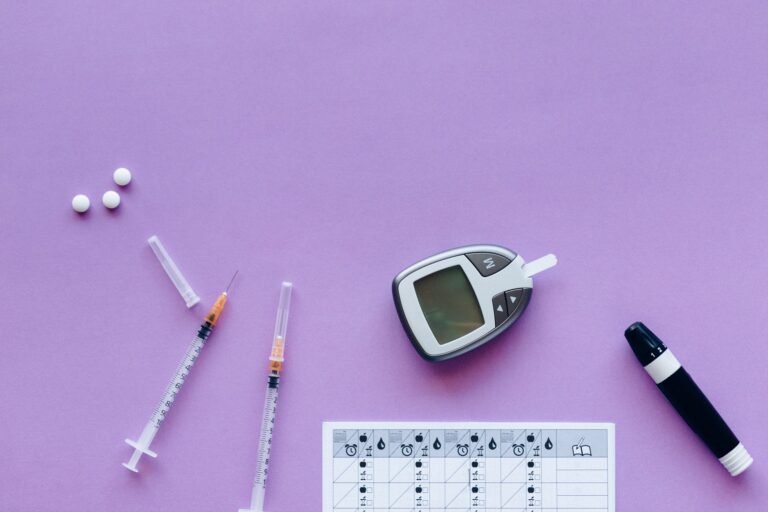
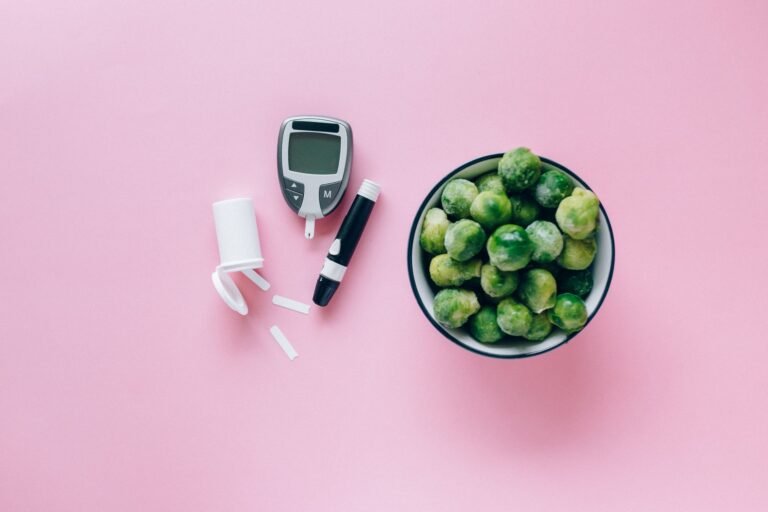
Frequent monitoring of blood sugar levels is crucial for effective management. Women with gestational diabetes may be required to check their blood glucose levels multiple times a day. This helps in understanding how food, exercise, and other factors affect blood sugar levels.
If diet and exercise alone are insufficient to control blood sugar levels, healthcare providers may prescribe insulin or other medications to help manage the condition. Regular follow-up appointments will allow for adjustments in treatment as needed.

Real-Life Example
Consider the case of Sarah, a 28-year-old woman who was diagnosed with gestational diabetes during her second trimester. Initially, she was overwhelmed and concerned about the implications for her pregnancy. However, with the guidance of her healthcare team, Sarah learned to manage her condition effectively.
She worked with a dietitian to create a meal plan that included balanced meals and snacks. Sarah also incorporated daily walks into her routine, which helped her maintain stable blood sugar levels. By monitoring her glucose levels and making necessary dietary adjustments, she was able to have a healthy pregnancy and deliver a healthy baby.
This example illustrates the importance of education, support, and proactive management in navigating gestational diabetes.
Complications Associated with Gestational Diabetes
If left unmanaged, gestational diabetes can lead to several complications for both the mother and the baby. Some potential complications include:
- Macrosomia: This refers to the condition where the baby is significantly larger than average, which can complicate delivery.
- Preterm birth: High blood sugar levels may increase the risk of preterm labor.
- Low blood sugar in the baby: After birth, babies of mothers with gestational diabetes may experience low blood sugar levels.
- Increased risk of cesarean delivery: Larger babies may require a cesarean section for safe delivery.
- Future risk of diabetes: Women who have had gestational diabetes are at a higher risk of developing type 2 diabetes later in life.
Being aware of these potential complications underscores the importance of effective management and continuous monitoring throughout pregnancy.
Nutrition Tips for Managing Gestational Diabetes
Understanding Carbohydrates
Carbohydrates are a significant part of your diet, but when managing gestational diabetes, it is crucial to understand which types to choose. Focus on whole grains, fruits, vegetables, and legumes, which provide essential nutrients and fiber. These foods help regulate blood sugar levels and promote overall health. It is advisable to limit refined carbohydrates and sugary foods, as they can cause rapid spikes in blood sugar.
Consider the glycemic index (GI) of foods, which measures how quickly a food raises blood sugar. Low-GI foods, such as oats, barley, and most non-starchy vegetables, are better options for maintaining stable blood sugar levels. Incorporating a variety of low-GI foods into your meals can aid in managing your condition effectively.
Meal Planning Strategies
Meal planning is a vital tool for women with gestational diabetes, helping to ensure balanced nutrition while controlling blood sugar levels. Aim for three balanced meals and two to three healthy snacks each day. Structuring your meals can help prevent hunger and stabilize your blood glucose levels.
When planning your meals, consider the following strategies:
- Include a source of protein with every meal and snack to slow down carbohydrate absorption.
- Incorporate healthy fats such as avocado, nuts, or olive oil to enhance satiety.
- Monitor portion sizes to avoid overeating, which can lead to elevated blood sugar levels.
- Stay hydrated by drinking plenty of water throughout the day.
Additionally, using meal prep techniques, such as batch cooking or preparing snacks in advance, can help ensure you have healthy options readily available.

Physical Activity and Exercise Considerations
Benefits of Regular Exercise
Engaging in regular physical activity is crucial for managing gestational diabetes. Exercise helps improve insulin sensitivity, which can lower blood sugar levels. Additionally, maintaining an active lifestyle can help with weight management and reduce the risk of complications during pregnancy.
Activities such as walking, swimming, and prenatal yoga are excellent options for expecting mothers. Aim for at least 150 minutes of moderate-intensity exercise each week, as recommended by health professionals. Always consult your healthcare provider before starting any new exercise regimen to ensure it is safe for your specific situation.
Safe Exercise Practices
When exercising during pregnancy, safety should be your top priority. Here are some tips to ensure safe physical activity:
- Choose low-impact exercises to reduce the risk of injury.
- Stay hydrated and listen to your body’s signals to avoid overexertion.
- Avoid exercises that involve lying on your back after the first trimester, as this can restrict blood flow.
- Wear comfortable clothing and supportive footwear to enhance your exercise experience.
Maintaining consistency in your exercise routine is key. Finding a workout buddy or joining a prenatal exercise class can provide motivation and support.
Emotional Wellbeing and Support Systems
The Psychological Impact of Gestational Diabetes
Receiving a diagnosis of gestational diabetes can lead to feelings of anxiety, stress, and even guilt. It is essential to recognize these emotions and understand that you are not alone. Many women face similar challenges during pregnancy, and seeking support can significantly improve your emotional wellbeing.
Connecting with other expecting mothers who have gestational diabetes can be beneficial. Sharing experiences and coping strategies can provide a sense of community and understanding. Online forums and local support groups can be excellent resources for finding this community.
Professional Support Options
In addition to peer support, consider seeking professional help if you find the emotional burden overwhelming. Working with a registered dietitian can help tailor a nutrition plan that meets your needs while managing gestational diabetes. Additionally, consulting with a therapist or counselor can provide strategies to cope with stress and anxiety during this critical period.
Utilize these resources:
- Nutrition counseling for personalized meal planning.
- Therapy or counseling services for emotional support.
- Support groups specifically for gestational diabetes.
- Online resources and apps dedicated to managing gestational diabetes.
Focusing on your emotional health is just as important as managing your physical health during pregnancy. Prioritizing both aspects can lead to a healthier pregnancy experience overall.
For more information, see Cleveland Clinic.
Frequently Asked Questions
What are the long-term effects of gestational diabetes?
Women who have experienced gestational diabetes are at a higher risk of developing type 2 diabetes later in life. Regular monitoring and maintaining a healthy lifestyle can help mitigate this risk.
How is gestational diabetes treated?
Treatment typically involves dietary modifications, regular physical activity, and monitoring blood sugar levels. In some cases, insulin therapy or oral medications may be necessary.
Can I prevent gestational diabetes?
While not all cases are preventable, maintaining a healthy weight, eating a balanced diet, and staying active before and during pregnancy can lower the risk of developing gestational diabetes.
When should I get screened for gestational diabetes?
Most women are screened between the 24th and 28th weeks of pregnancy, but those with risk factors may be tested earlier. Consult your healthcare provider for personalized screening recommendations.
The Bottom Line
Gestational diabetes is a manageable condition that requires awareness, education, and proactive care. By making lifestyle adjustments, monitoring blood sugar levels, and working closely with healthcare providers, most women can navigate their pregnancies safely and successfully. Understanding the implications of gestational diabetes can empower women to take charge of their health and ensure the best possible outcomes for themselves and their babies.
Was this page helpful?
Thanks for your feedback! What could we improve?
Thank you! Your feedback helps us improve our articles.
True Impact Health articles are written by our editorial team and based on reliable sources such as public health agencies, clinical guidelines and peer-reviewed research. This article has not yet been medically reviewed. Read our editorial process.
This content is for general information and is not a substitute for professional medical advice, diagnosis or treatment.