Health and Wellness: A Comprehensive Approach to Living Well
Explore essential aspects of health and wellness, including practical tips for enhancing well-being in daily life.
By True Impact Health Editorial Team

Medical doctor and clinical researcher focused on preventive medicine, chronic disease and clear, evidence-based health communication.
Reviewed this article on November 11, 2026.
View profile How we reviewUpdated on November 9, 2026 10 min read

Table of Contents
Key Takeaways
- Understanding health and wellness is essential for a balanced life.
- Physical health, mental wellness, and social connections are crucial.
- Adopting a holistic approach can improve overall well-being.
- Small lifestyle changes can lead to significant health benefits.
Health and wellness encompass a broad spectrum of factors that contribute to an individual’s overall quality of life. While often used interchangeably, these terms have distinct meanings. Health typically refers to the physical state of the body, including the absence of disease. Wellness, on the other hand, is a holistic approach that includes physical, mental, emotional, and social well-being.
Understanding the differences and interconnections between health and wellness is crucial for developing effective strategies for improvement. By focusing on both aspects, individuals can achieve a state of balance that promotes longevity and happiness.
This guide will explore the various dimensions of health and wellness, practical strategies for enhancing well-being, and the importance of adopting a holistic approach to living well.
Dimensions of Health and Wellness
Health and wellness can be divided into several dimensions, each playing a significant role in overall well-being. Recognizing these dimensions can help individuals identify areas for improvement.
Physical Health
Physical health is the most commonly recognized dimension of health and wellness. It includes regular exercise, nutrition, sleep, and preventive health measures. Maintaining a healthy weight, engaging in regular physical activity, and eating a balanced diet are fundamental to physical health.
- Exercise: Aim for at least 150 minutes of moderate aerobic activity each week.
- Nutrition: Focus on whole foods, such as fruits, vegetables, whole grains, lean proteins, and healthy fats.
- Sleep: Prioritize 7-9 hours of quality sleep each night to support recovery and health.
For example, consider Sarah, a busy professional who struggled with her weight and energy levels. By incorporating regular exercise into her routine and focusing on meal prep, she lost weight and felt more energetic, ultimately improving her physical health.
Mental and Emotional Wellness
Mental wellness involves the state of one’s emotional health and psychological well-being. It encompasses how individuals think, feel, and behave in daily life. Maintaining mental wellness can help manage stress and enhance resilience.
- Mindfulness: Practices such as meditation, deep breathing, and yoga can help reduce stress and promote emotional balance.
- Therapy: Seeking professional help can provide support for mental health challenges.
- Self-Care: Engage in activities that bring joy and relaxation, such as reading, hobbies, or spending time with friends.
For instance, John faced significant stress from work, leading to anxiety. After attending therapy and practicing mindfulness, he learned coping strategies that significantly improved his emotional health.
Social Wellness
Social wellness emphasizes the importance of relationships and social connections. Engaging with others can enhance feelings of belonging and support mental health. Strong social ties can lead to improved physical health and longevity.
- Community Involvement: Participate in local events or volunteer to build connections.
- Support Networks: Cultivate relationships with family and friends for emotional support.
- Communication: Open and honest communication fosters deeper connections.
As an example, Emily, a new resident in a city, joined a local book club. This not only improved her social connections but also enriched her emotional well-being.

Adopting a Holistic Approach
A holistic approach to health and wellness recognizes that all dimensions of well-being are interconnected. Improving one area can positively affect others, leading to a more balanced life.
Integrative Practices
Integrating various practices into daily life can enhance overall wellness. This can include a mix of physical activity, mental health strategies, and social engagement.
- Exercise: Choose activities that you enjoy, such as dancing, hiking, or team sports.
- Healthy Eating: Prepare meals that are both nutritious and enjoyable to encourage better eating habits.
- Mental Health: Incorporate mindfulness or relaxation techniques into your daily routine.
Consider the story of Mark, who started going for evening walks with his neighbor while practicing mindfulness. This simple routine improved his physical fitness and fostered a valuable friendship.
Setting Realistic Goals
Setting achievable health and wellness goals is crucial for maintaining motivation and making sustainable changes. Start by evaluating your current habits and identifying areas for improvement.
- SMART Goals: Make your goals Specific, Measurable, Achievable, Relevant, and Time-bound.
- Track Progress: Use journals or apps to monitor your progress and celebrate milestones.
- Be Flexible: Adjust your goals as needed to accommodate life changes.
For example, instead of aiming to lose 20 pounds in a month, consider setting a goal of losing 1-2 pounds per week through balanced eating and exercise.

Practical Tips for Enhancing Health and Wellness
Making gradual changes can lead to significant improvements in health and wellness. Here are some practical tips to consider:
- Hydration: Drink plenty of water throughout the day to stay hydrated.
- Meal Planning: Prepare meals in advance to avoid unhealthy eating choices.
- Regular Check-ups: Schedule routine medical appointments to monitor health.
- Limit Screen Time: Reduce time spent on screens, especially before bedtime.
- Engage in Hobbies: Allocate time for activities that interest you and promote relaxation.

Integrating Mental and Emotional Well-Being
The Importance of Mental Health
Mental health is a critical component of overall wellness that often gets overlooked. It influences how we think, feel, and act, and it plays a role in how we handle stress, relate to others, and make choices. Maintaining mental health is essential not only for individual well-being but also for fostering healthy relationships and communities.
One of the primary goals in supporting mental health is to reduce stigma and encourage open conversations. This can lead to better understanding and acceptance of mental health challenges. Recognizing that mental health is equally as important as physical health can create a more holistic approach to wellness.
Strategies for Enhancing Mental Wellness
Improving mental wellness can be approached through various strategies, many of which can be easily integrated into daily life. Here are a few effective methods to consider:
- Mindfulness and Meditation: Practicing mindfulness or meditation can help reduce anxiety and improve emotional regulation. Just a few minutes daily can make a significant difference.
- Physical Activity: Regular exercise is not only beneficial for physical health but also for mental clarity and mood enhancement. Aim for at least 30 minutes of moderate exercise most days of the week.
- Social Connections: Maintaining strong relationships with family, friends, and community members can provide emotional support and decrease feelings of isolation.
- Professional Help: Seeking therapy or counseling can provide essential tools for managing mental health issues and improving emotional resilience.
Emotional Intelligence and Its Role in Wellness
Emotional intelligence (EI) is the ability to understand and manage your emotions and the emotions of others. Developing EI can lead to improved relationships, better decision-making, and enhanced stress management. Individuals with high emotional intelligence are often more empathetic and able to navigate social complexities with ease.
To cultivate emotional intelligence, consider the following practices:
- Self-Awareness: Spend time reflecting on your emotions and how they influence your behavior. Journaling can be an effective tool for this.
- Self-Regulation: Practice responding to emotions thoughtfully rather than reacting impulsively. Techniques such as deep breathing or pausing before responding can help.
- Empathy Development: Take time to understand others’ perspectives and feelings. Engage in active listening during conversations.
 First aid being administered at an outdoor sports event with attendees" width="800" height="533" srcset="https://trueimpacthealth.com/wp-content/uploads/2026/11/first-aid-being-administered-at-an-outdoor-sports-17979599-1024x682.jpg 1024w, https://trueimpacthealth.com/wp-content/uploads/2026/11/first-aid-being-administered-at-an-outdoor-sports-17979599-300x200.jpg 300w, https://trueimpacthealth.com/wp-content/uploads/2026/11/first-aid-being-administered-at-an-outdoor-sports-17979599-768x512.jpg 768w" sizes="(max-width: 800px) 100vw, 800px" />
Nourishing the Body: Understanding Nutrition
Fundamentals of a Balanced Diet
Nutrition plays a pivotal role in overall health and wellness. A balanced diet provides the essential nutrients that the body needs to function optimally. This includes carbohydrates, proteins, fats, vitamins, and minerals. Understanding the food groups and their benefits can help individuals make informed choices.
The key components of a balanced diet include:
- Fruits and Vegetables: Aim for a variety of colors and types to ensure a broad spectrum of nutrients.
- Whole Grains: Incorporate oats, brown rice, and quinoa for fiber and sustained energy.
- Lean Proteins: Choose sources like chicken, fish, beans, and legumes to support muscle health and repair.
- Healthy Fats: Include sources like avocados, nuts, and olive oil for brain health and hormone regulation.
Understanding Nutritional Labels
Learning to read and understand nutritional labels is a vital skill for making healthy food choices. Labels provide information about serving sizes, calories, and nutrient content. This knowledge empowers individuals to choose foods that align with their health goals.
Here are some key aspects to focus on when reading labels:
- Serving Size: Pay attention to the serving size to understand how many calories and nutrients you consume per portion.
- Calories: Monitor the caloric content to maintain a healthy weight, balance intake with physical activity.
- Nutrients: Look for foods high in fiber, vitamins, and minerals while being low in added sugars and saturated fats.
Hydration: The Overlooked Essential
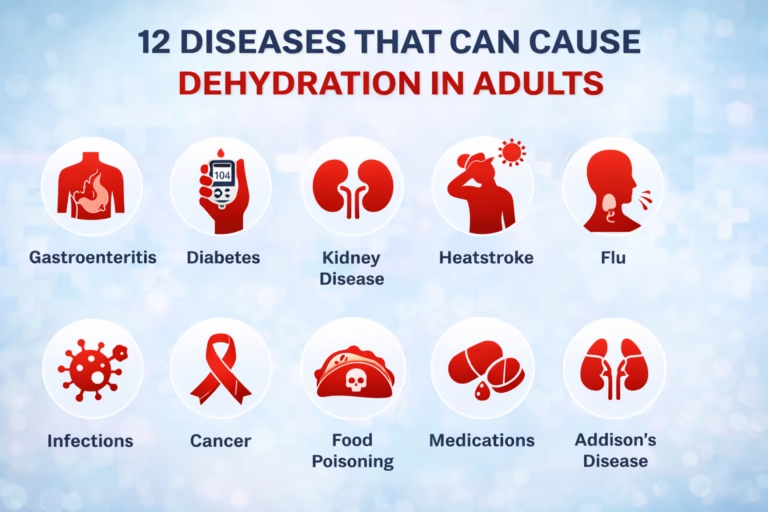
Hydration is often neglected in discussions about nutrition, yet it is crucial for numerous bodily functions, including digestion, circulation, and temperature regulation. Dehydration can lead to fatigue, headaches, and impaired cognitive function. It’s important to prioritize adequate fluid intake throughout the day.
To ensure proper hydration, consider these tips:
- Water Intake: Aim for at least eight 8-ounce glasses of water per day, adjusting based on activity level and climate.
- Infused Water: Enhance the flavor of water by adding fruits, herbs, or vegetables to encourage more frequent consumption.
- Avoid Sugary Beverages: Limit intake of sodas and energy drinks, which can contribute to dehydration and unnecessary calorie consumption.

Creating a Supportive Environment
The Role of Your Surroundings
Your environment plays a critical role in your ability to maintain health and wellness. An organized, positive space can enhance mood, productivity, and overall well-being. Creating a supportive environment involves both your physical space and the people you surround yourself with.
Consider these factors when assessing your environment:
- Decluttering: A tidy space can reduce stress and improve focus. Regularly assess your surroundings and remove items that no longer serve you.
- Natural Light: Ensure your living space has adequate natural light, which can boost mood and energy levels.
- Comfortable Spaces: Create areas for relaxation and self-care, such as a cozy reading nook or a meditation corner.
Building a Support Network
Having a support network of friends, family, and professionals is essential for maintaining health and wellness. These connections can provide encouragement, accountability, and resources when needed. Building a robust support system can significantly contribute to your mental and emotional well-being.
To cultivate a supportive network, consider the following:
- Engage in Community Activities: Join local groups, clubs, or classes related to your interests to meet like-minded individuals.
- Maintain Relationships: Prioritize spending time with loved ones and nurturing those relationships through regular communication.
- Seek Professional Guidance: Don’t hesitate to reach out to health professionals, such as therapists or nutritionists, for expert advice and support.
The Impact of Technology on Wellness
In today’s digital age, technology can significantly influence health and wellness, offering both opportunities and challenges. While it can be a valuable tool for tracking health metrics and connecting with others, excessive screen time can lead to negative outcomes such as sleep disturbances and decreased physical activity.
To harness technology for wellness, consider these strategies:
- Use Apps Wisely: Leverage health and wellness apps to track nutrition, exercise, and mental well-being while setting boundaries on usage.
- Limit Screen Time: Establish specific times to unplug from devices to enhance focus and promote better sleep.
- Engage in Virtual Communities: Utilize online platforms to connect with support groups or wellness communities that align with your goals.
For more information, see MedlinePlus.
Frequently Asked Questions
What is the difference between health and wellness?
Health generally refers to the physical state of the body, while wellness encompasses a broader perspective, including mental, emotional, and social well-being.
How can I improve my physical health?
Improving physical health can involve regular exercise, a balanced diet, adequate sleep, and routine medical check-ups.
What role does mental health play in overall wellness?
Mental health is a crucial component of overall wellness, influencing how we think, feel, and interact with others. Managing stress and emotional challenges is vital for a balanced life.
Can social connections impact my health?
Yes, strong social connections can lead to improved mental health and increased longevity. Engaging with others provides emotional support and enhances feelings of belonging.
The Bottom Line
Health and wellness are essential components of a fulfilling life. By understanding the various dimensions and adopting a holistic approach, individuals can make informed choices that enhance their overall well-being. Small, consistent changes can lead to significant improvements in both physical and mental health. Prioritize your health, engage with your community, and cultivate practices that support your well-being.
Was this page helpful?
Thanks for your feedback! What could we improve?
Thank you! Your feedback helps us improve our articles.
Medically reviewed by
Dr. Daniel HarringtonMedical doctor and clinical researcher focused on preventive medicine, chronic disease and clear, evidence-based health communication.
True Impact Health articles are written by our editorial team and based on reliable sources such as public health agencies, clinical guidelines and peer-reviewed research. This article has been checked by a doctor on our review panel. Read our editorial process.
This content is for general information and is not a substitute for professional medical advice, diagnosis or treatment.