











How to Treat Nerve Pain After Tooth Extraction
Dental procedures performed worldwide. Whether the extraction is necessary because of severe decay, infection, trauma, overcrowding, or impacted wisdom...
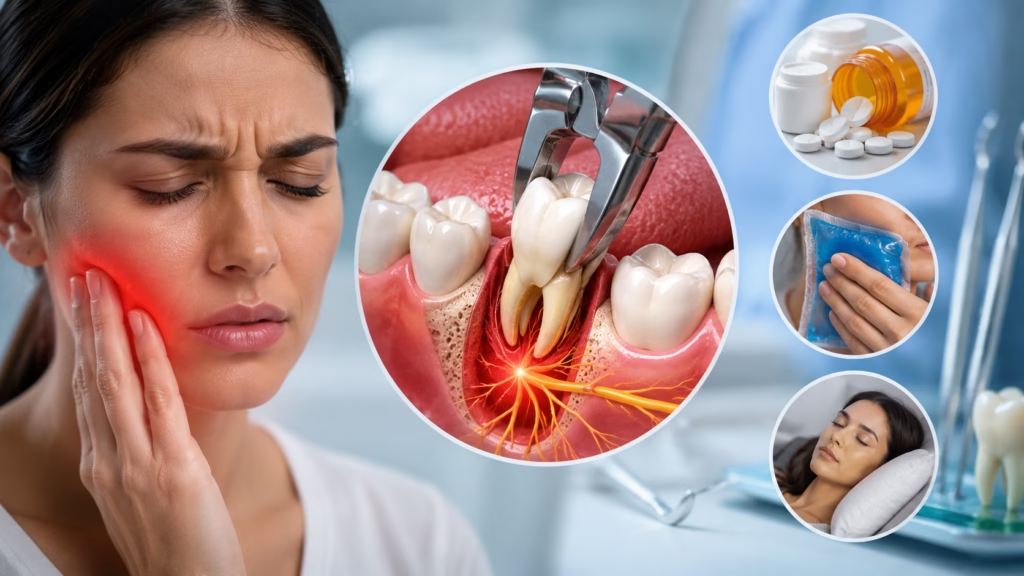
Table of Contents
Introduction
Tooth extraction is one of the most common dental procedures performed worldwide. Whether the extraction is necessary because of severe decay, infection, trauma, overcrowding, or impacted wisdom teeth, most patients expect some degree of discomfort during the healing process. Mild pain, swelling, and tenderness are normal for a few days after the procedure. However, some individuals experience a different type of discomfort that may feel sharp, burning, tingling, or electric in nature. This is often referred to as nerve pain after tooth extraction.
Nerve pain can be particularly distressing because it may affect not only the extraction site but also the surrounding areas, including the jaw, lips, chin, tongue, and cheeks. In some cases, patients describe sensations such as numbness, pins and needles, hypersensitivity, or sudden shooting pains that interfere with eating, speaking, and daily activities.
Although nerve-related symptoms can be alarming, most cases improve gradually as the tissues heal and inflammation subsides. Understanding the causes of nerve pain, recognizing warning signs, and knowing when to seek professional care can significantly improve recovery outcomes. This guide explains why nerve pain occurs after tooth extraction, the available treatment options, effective home remedies, and practical steps you can take to support healing and reduce discomfort.
Understanding Nerve Pain After Tooth Extraction
Nerve pain following a tooth extraction occurs when nearby nerves become irritated, inflamed, compressed, or injured during or after the procedure. The mouth contains an extensive network of nerves responsible for transmitting sensations such as touch, temperature, pressure, and pain. Because these nerves run close to the roots of certain teeth, particularly wisdom teeth in the lower jaw, they can sometimes be affected during dental treatment.
The most commonly involved nerves are the inferior alveolar nerve and the lingual nerve. The inferior alveolar nerve provides sensation to the lower lip, chin, and lower teeth, while the lingual nerve supplies sensation to the tongue and parts of the mouth. When these nerves are irritated, patients may experience unusual sensations that differ from typical post-surgical discomfort.
In many cases, nerve irritation is temporary and resolves as healing progresses. However, understanding the underlying cause is important because treatment approaches vary depending on the source of the problem.
Common Causes of Nerve Pain After Tooth Extraction
Surgical Trauma
One of the most common causes of nerve pain is minor trauma that occurs during the extraction process. When a tooth is deeply impacted or located close to a major nerve, the procedure may place pressure on surrounding tissues. Even when the extraction is performed perfectly, nearby nerves can become stretched, compressed, or irritated.
This type of nerve irritation often results in temporary numbness, tingling, or altered sensation. Most patients gradually recover normal feeling over several weeks or months as the nerve heals.
Postoperative Inflammation and Swelling
Inflammation is a natural part of healing after tooth extraction. The body’s immune response sends blood cells and healing factors to the surgical site, which can cause temporary swelling. In some cases, this swelling places pressure on nearby nerves and leads to discomfort.
Patients may notice pain that radiates into the jaw, ear, or face. As swelling decreases over the following days, nerve-related symptoms often improve significantly.
Dry Socket
Dry socket, also known as alveolar osteitis, is one of the most painful complications following tooth extraction. Normally, a protective blood clot forms in the extraction socket and shields the underlying bone and nerves. When this clot becomes dislodged or fails to develop properly, the bone and nerve endings become exposed.
The resulting pain is often severe and may radiate throughout the jaw, face, and ear. Many patients describe it as a throbbing or deep aching sensation that worsens several days after the extraction rather than improving.
Infection
Bacterial infection can develop within the extraction site if healing is disrupted or oral hygiene is inadequate. Infection triggers inflammation and swelling that can affect nearby nerves.
Infected extraction sites may cause persistent pain, tenderness, swelling, foul breath, unpleasant taste, and sometimes fever. Prompt treatment is essential to prevent further complications.
Recognizing Symptoms of Nerve Pain
Nerve pain often feels different from ordinary post-extraction soreness. While typical healing discomfort tends to improve steadily over time, nerve-related symptoms may persist or present in unique ways.
Many patients experience tingling sensations resembling pins and needles in the lips, tongue, chin, or gums. Others report burning sensations, numbness, increased sensitivity to hot or cold foods, or sharp shooting pains that occur unexpectedly.
Some individuals notice altered taste sensations or difficulty sensing touch in certain areas of the mouth. In more severe cases, patients may experience partial loss of sensation that interferes with speaking, eating, or drinking.
Symptoms that worsen after the first few days rather than improve should be evaluated by a dental professional.
Professional Treatment Options
Pain Relief Medications
For mild to moderate nerve-related discomfort, dentists often recommend nonsteroidal anti-inflammatory drugs such as ibuprofen. These medications reduce inflammation and swelling while providing effective pain relief.
Acetaminophen may also be recommended for pain management, particularly for patients who cannot take NSAIDs due to stomach issues, kidney disease, or other medical conditions.
In cases involving severe discomfort, dentists may prescribe stronger pain medications for short-term use.
Medications for Neuropathic Pain
When nerve irritation persists beyond the expected healing period, traditional pain relievers may provide limited benefit. In such cases, medications specifically designed to target nerve pain may be prescribed.
Drugs such as gabapentin, pregabalin, or amitriptyline work by altering the way nerves transmit pain signals. These medications can be particularly helpful for patients experiencing persistent burning, tingling, or shooting pain.
Dry Socket Treatment
If dry socket is identified as the cause of pain, treatment focuses on protecting exposed bone and nerve endings. The dentist may gently clean the socket to remove debris and place a medicated dressing within the extraction site.
These dressings often contain soothing agents that significantly reduce discomfort and promote healing.
Treatment of Infection
When infection is present, antibiotics may be necessary to eliminate harmful bacteria. The extraction site may also require irrigation or cleaning to remove accumulated debris and promote proper healing.
Early treatment of infection can prevent worsening symptoms and reduce the likelihood of long-term complications.
Specialist Evaluation and Advanced Treatments
If symptoms persist despite routine care, referral to an oral and maxillofacial surgeon or neurologist may be necessary.
Advanced treatment options can include corticosteroid therapy to reduce inflammation around affected nerves. Some specialists may recommend low-level laser therapy, which has shown promise in promoting tissue healing and nerve recovery.
In rare situations involving significant nerve injury, surgical intervention may be considered. Procedures designed to repair or decompress damaged nerves are typically reserved for severe cases and are performed by highly specialized surgeons.
Home Care Strategies for Managing Nerve Pain
Gentle Oral Hygiene
Maintaining proper oral hygiene is essential during recovery. Keeping the extraction site clean reduces bacterial growth and supports healing.
Warm saltwater rinses can be especially beneficial. Mixing half a teaspoon of salt into a glass of warm water creates a gentle rinse that helps reduce inflammation and remove debris. Patients should rinse carefully and avoid vigorous swishing, which could disturb the healing socket.
Cold Compresses
During the first 24 to 48 hours after extraction, cold compresses can significantly reduce swelling and inflammation.
Applying an ice pack wrapped in a cloth to the outside of the face for 10 to 15 minutes at a time helps numb discomfort and minimize tissue swelling. Short breaks between applications prevent skin irritation.
Warm Compresses
After the initial swelling begins to subside, warm compresses may become more beneficial.
Heat promotes blood circulation, relaxes facial muscles, and may help relieve lingering soreness and nerve irritation. Warm compresses can be applied several times daily for comfort.
Dietary Modifications
Soft foods are generally recommended during the healing period. Foods such as yogurt, mashed potatoes, scrambled eggs, smoothies, soups, and oatmeal provide nutrition without placing excessive stress on the extraction site.
Very hot, cold, spicy, or crunchy foods may trigger nerve sensitivity and should be avoided if they cause discomfort.
Maintaining adequate hydration is equally important because proper fluid intake supports healing and overall health.
Nutritional Support for Nerve Recovery
Certain nutrients may help support nerve health during recovery.
Omega-3 fatty acids possess anti-inflammatory properties and may contribute to tissue repair. Foods rich in omega-3s include salmon, sardines, walnuts, and flaxseeds.
B-complex vitamins, particularly vitamins B1, B6, and B12, play important roles in nerve function and regeneration. Many healthcare providers recommend ensuring adequate intake through diet or supplementation when appropriate.
Natural anti-inflammatory options such as ginger and turmeric may also help reduce inflammation and discomfort. These can be consumed as teas or incorporated into meals.
Lifestyle Habits That Promote Healing
Avoid Smoking
Smoking significantly impairs healing after tooth extraction. Tobacco reduces blood flow to oral tissues, delays recovery, increases infection risk, and greatly raises the likelihood of developing dry socket.
Patients who avoid smoking during recovery generally experience better healing outcomes and less discomfort.
Manage Stress
Stress can amplify pain perception and interfere with the body’s healing processes. Relaxation techniques such as meditation, deep breathing exercises, mindfulness practices, and gentle physical activity may help reduce discomfort and support recovery.
Follow Post-Extraction Instructions
Carefully following your dentist’s postoperative instructions is one of the most effective ways to prevent complications. This includes taking prescribed medications as directed, avoiding strenuous activity when advised, and attending follow-up appointments.
When to Seek Immediate Medical Attention
While mild nerve symptoms often improve with time, certain signs require prompt professional evaluation.
You should contact your dentist or oral surgeon immediately if you experience severe pain that continues to worsen after several days, significant swelling, fever, pus discharge, foul taste in the mouth, or signs of infection.
Persistent numbness affecting the lips, chin, tongue, or face that lasts beyond two weeks should also be evaluated. Early intervention may improve outcomes when nerve injuries are involved.
Additionally, excessive bleeding, difficulty swallowing, breathing problems, or sudden facial weakness should be treated as urgent medical concerns.
Conclusion
Nerve pain after tooth extraction can be an unsettling experience, but it is often manageable and temporary. Whether caused by surgical irritation, swelling, dry socket, or infection, understanding the source of the pain is the first step toward effective treatment.
Most patients experience significant improvement through a combination of professional care, appropriate medications, good oral hygiene, nutritional support, and proper home management. Cold compresses, saltwater rinses, soft foods, and adequate rest can all contribute to a smoother recovery.
Most importantly, do not ignore symptoms that persist or worsen over time. Early communication with your dentist can help identify complications before they become serious and ensure that you receive the most appropriate treatment.
With patience, proper care, and timely professional guidance, the vast majority of patients recover fully and return to normal activities without long-term nerve complications.
Disclaimer
This article is for educational purposes only and does not replace professional medical advice, diagnosis, or treatment. Seizures, severe headache, confusion, visual changes, or blood pressure readings in the hypertensive crisis range require urgent medical evaluation.
Was this page helpful?
Thanks for your feedback! What could we improve?
Thank you! Your feedback helps us improve our articles.
True Impact Health articles are written by our editorial team and based on reliable sources such as public health agencies, clinical guidelines and peer-reviewed research. This article has not yet been medically reviewed. Read our editorial process.
This content is for general information and is not a substitute for professional medical advice, diagnosis or treatment.