














How to Treat Hyperpigmentation in Dogs
Learn how veterinarians treat hyperpigmentation in dogs by addressing underlying causes such as allergies, infections, and hormonal imbalances.
By True Impact Health Editorial Team

Dr. Hannah Silvanus, DVMVeterinary Reviewer, True Impact Health
Doctor of Veterinary Medicine (DVM) who reviews the pet and animal health articles on True Impact Health.
Reviewed this article on October 10, 2026.
View profile How we reviewUpdated on October 10, 2026 9 min read
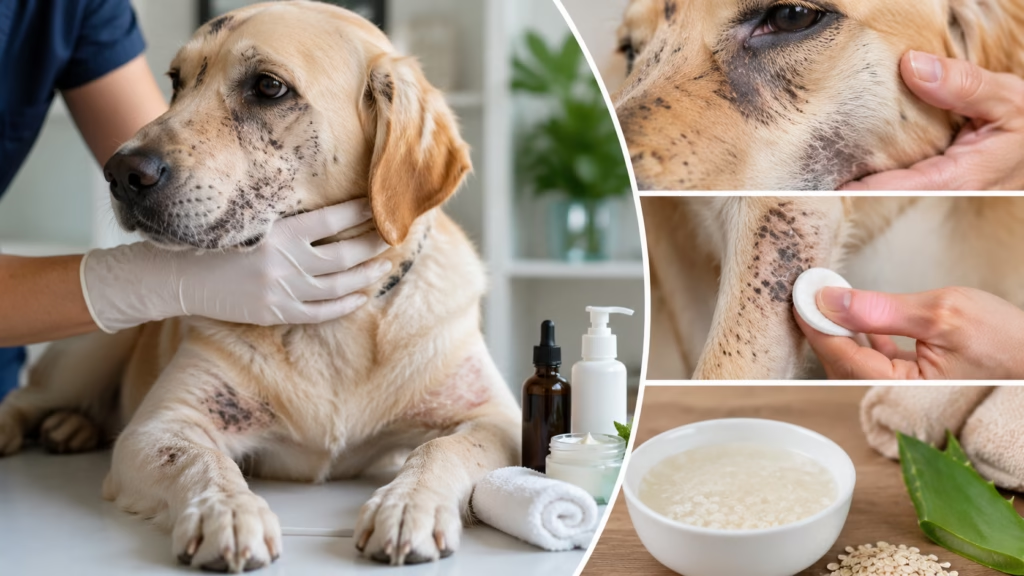
Table of Contents
Quick answer
Treating hyperpigmentation in dogs requires identifying and managing the underlying trigger rather than treating the dark skin directly. Depending on the root cause, veterinarians commonly prescribe medicated shampoos, antimicrobial therapies, allergy medications, or treatments for hormonal conditions like hypothyroidism. With consistent management, the underlying inflammation subsides, though dark patches may fade very slowly.
Introduction
Discovering dark patches on your dog’s skin can be concerning, especially if the discoloration appears suddenly or continues to spread. Hyperpigmentation is a common skin condition in dogs characterized by areas of skin becoming darker than the surrounding tissue. While hyperpigmentation itself is not usually dangerous, it is often a sign that an underlying skin problem, allergy, hormonal disorder, or chronic irritation is affecting your pet.
Understanding why hyperpigmentation occurs is essential because successful treatment depends on identifying and addressing the root cause rather than simply treating the discoloration itself. With proper veterinary care, targeted treatment, and consistent home management, many dogs experience significant improvement in both skin health and appearance.
This comprehensive guide explains what hyperpigmentation is, why it develops, how veterinarians diagnose it, and the most effective strategies for treatment and prevention.
Understanding Hyperpigmentation in Dogs
Hyperpigmentation occurs when specialized skin cells called melanocytes produce excess melanin, the pigment responsible for skin and hair color. As melanin accumulates in specific areas, the skin gradually becomes darker, appearing brown, gray, black, or even bluish-black depending on the severity and underlying cause.
The condition can affect dogs of any breed, age, or size, although certain breeds may be genetically predisposed to developing skin pigmentation changes. Hyperpigmentation commonly appears in areas where friction, inflammation, or chronic irritation occurs, including the armpits, groin, belly, neck, elbows, and around the eyes.
In some cases, the darkened skin develops gradually over months or years. In others, pigmentation changes may appear more rapidly, especially when associated with infections, allergies, or hormonal disorders.
It is important to remember that hyperpigmentation is often a symptom rather than a disease itself. The discoloration usually reflects an underlying process that needs medical attention.
Common Causes of Hyperpigmentation
Several different medical conditions can lead to hyperpigmentation in dogs. Understanding these causes helps explain why veterinary diagnosis is so important.
Allergies
Allergic skin disease is one of the most common causes of hyperpigmentation. Dogs may develop allergies to environmental triggers such as pollen, dust mites, mold spores, grasses, or household chemicals. Food allergies can also contribute to chronic skin inflammation.
When a dog constantly scratches, bites, licks, or rubs irritated skin, the repeated inflammation stimulates increased melanin production. Over time, the affected areas become darker and thicker.
Bacterial and Yeast Infections
Skin infections caused by bacteria or yeast frequently trigger hyperpigmentation. Yeast infections, particularly those caused by Malassezia organisms, are especially common in skin folds, ears, armpits, and groin areas.
These infections often produce itching, redness, odor, and thickened skin. As the inflammation persists, the skin responds by producing excess pigment.
Hormonal Disorders
Endocrine diseases can significantly affect skin health and pigmentation.
Hypothyroidism, a condition involving insufficient thyroid hormone production, commonly causes hair loss, dry skin, recurrent infections, and hyperpigmentation.
Similarly, Cushing’s disease, which results from excessive cortisol production, may lead to thinning skin, hair loss, and darkened patches of skin throughout the body.
Because hormonal disorders affect the entire body, treatment often requires long-term medical management.
Chronic Friction and Licking
Areas subjected to repeated rubbing or pressure may develop hyperpigmentation over time. Dogs that constantly lick certain body parts because of allergies, anxiety, pain, or irritation often develop darkened skin in those locations.
Pressure points such as elbows may also become hyperpigmented due to repeated contact with hard surfaces.
Post-Inflammatory Hyperpigmentation
Any condition that causes prolonged skin inflammation can leave behind darker pigmentation after the original problem resolves. Examples include hot spots, insect bites, dermatitis, wounds, and skin trauma.
Although the inflammation may disappear, pigmentation changes can persist for months or even years.
Recognizing the Signs of Hyperpigmentation
The appearance of hyperpigmentation varies depending on the cause and severity.
Most pet owners first notice patches of skin that appear noticeably darker than surrounding areas. These patches may be symmetrical on both sides of the body or localized to specific regions.
The affected skin may also feel thicker, rougher, or more leathery than normal. In many cases, hyperpigmentation occurs alongside additional symptoms such as itching, redness, hair loss, scaling, or an unpleasant odor.
Some dogs experience significant discomfort and spend much of their time scratching or licking affected areas. Others show no signs of irritation, and the pigmentation change is discovered incidentally during grooming or routine examination.
Because hyperpigmentation can be associated with numerous medical conditions, any sudden or extensive skin discoloration should be evaluated by a veterinarian.
How Veterinarians Diagnose Hyperpigmentation
A thorough veterinary examination is essential for determining the underlying cause of hyperpigmentation.
Your veterinarian will begin by reviewing your dog’s medical history, including diet, medications, environmental exposures, and previous skin conditions. A detailed physical examination will assess the location, extent, and appearance of the pigmentation.
Several diagnostic tests may be recommended.
Skin Scraping and Cytology
Skin scrapings help identify parasites such as mites, while cytology allows microscopic evaluation of bacteria and yeast organisms. These tests are quick, minimally invasive, and provide valuable diagnostic information.
Blood Testing
Bloodwork can evaluate thyroid function, adrenal gland health, and overall organ function. Hormonal disorders often require laboratory testing for accurate diagnosis.
Allergy Testing
If allergies are suspected, veterinarians may recommend blood testing or intradermal allergy testing to identify specific environmental triggers.
Skin Biopsy
In rare cases, a skin biopsy may be necessary. This procedure involves removing a small sample of skin for microscopic evaluation by a veterinary pathologist. Biopsies are particularly useful when unusual skin diseases or tumors are suspected.
Treatment Options for Hyperpigmentation
Successful treatment focuses on correcting the underlying cause while supporting skin healing.
Managing Allergies
When allergies contribute to hyperpigmentation, controlling inflammation becomes the primary goal.
Treatment may involve dietary changes, antihistamines, prescription allergy medications, immunotherapy, or environmental management strategies. As inflammation decreases, the skin often gradually returns to a more normal appearance.
Treating Infections
Bacterial infections typically require antibiotics, while yeast infections may be treated with antifungal medications.
Treatment duration varies depending on the severity of the infection. In many cases, medicated shampoos are used alongside oral medications to accelerate recovery.
Addressing Hormonal Disorders
Dogs diagnosed with hypothyroidism generally require lifelong thyroid hormone replacement therapy.
Cushing’s disease may require medications that regulate cortisol production.
When hormonal balance is restored, skin quality often improves significantly and hyperpigmentation may gradually fade.
Topical Treatments for Skin Health
Topical therapies play an important role in managing many cases of hyperpigmentation.
Veterinarians commonly recommend medicated shampoos containing ingredients such as chlorhexidine, ketoconazole, benzoyl peroxide, or miconazole. These products help control bacteria, yeast, and inflammation.
Certain leave-on sprays, mousses, and creams may also be prescribed to soothe irritated skin and support healing.
Products containing oatmeal, aloe vera, ceramides, or moisturizing agents can help restore the skin barrier and reduce discomfort.
Although topical treatments rarely eliminate hyperpigmentation on their own, they often enhance overall treatment success.
Nutritional Support and Supplements
Nutrition significantly influences skin health.
Dogs with skin disorders often benefit from high-quality diets rich in animal protein and essential nutrients. For dogs with food sensitivities, veterinarians may recommend limited-ingredient or hydrolyzed protein diets.
Omega-3 fatty acids are particularly beneficial because they help reduce inflammation and strengthen the skin barrier. Fish oil supplements are commonly recommended for dogs with chronic skin conditions.
Additional supplements such as vitamin E, biotin, and probiotics may also support skin repair and immune function.
Always consult your veterinarian before introducing new supplements to ensure appropriate dosing and safety.
Home Care and Prevention Strategies
Consistent home care can significantly improve treatment outcomes.
Regular grooming helps remove debris, distribute natural oils, and identify skin problems early. However, excessive bathing should be avoided because it can strip protective oils from the skin.
Bedding should be washed frequently to reduce allergen exposure and prevent microbial buildup. Dogs prone to skin infections benefit from clean, dry living environments.
Managing environmental allergens may also help prevent recurrence. Frequent vacuuming, air filtration systems, and reducing exposure to known allergens can be beneficial.
For dogs with thin coats or exposed skin, pet-safe sunscreen may help protect against ultraviolet-induced pigmentation changes.
When to Seek Veterinary Attention
While some pigmentation changes develop gradually and remain stable, others require prompt veterinary evaluation.
You should contact your veterinarian if:
- Dark patches appear suddenly.
- Pigmentation spreads rapidly.
- Your dog experiences significant itching or discomfort.
- The skin develops redness, swelling, discharge, or foul odor.
- Hair loss accompanies the pigmentation changes.
- Symptoms fail to improve after several weeks of treatment.
Early diagnosis and treatment often prevent complications and improve long-term outcomes.
Conclusion
Hyperpigmentation in dogs is a common skin condition that often reflects underlying inflammation, infection, allergies, hormonal imbalances, or chronic irritation. Although the darkened skin itself is usually not harmful, identifying and treating the root cause is essential for restoring your dog’s comfort and overall skin health.
Through proper veterinary diagnosis, targeted medical treatment, nutritional support, and diligent home care, many dogs experience significant improvement. By staying attentive to changes in your dog’s skin and seeking professional guidance when needed, you can help ensure that your canine companion enjoys healthy skin, a comfortable coat, and a better quality of life for years to come.
Disclaimer
This article is for educational purposes only and does not replace professional medical advice, diagnosis, or treatment. Seizures, severe headache, confusion, visual changes, or blood pressure readings in the hypertensive crisis range require urgent medical evaluation.
When to see a vet
- Dark patches appear suddenly, spread rapidly, or form raised, irregular lumps
- The skin is intensely itchy, warm, oozing, bleeding, or produces a strong foul odor
- Skin changes accompany systemic signs like lethargy, increased thirst, or unexplained weight changes
- Open sores or painful lesions develop that prevent your dog from resting comfortably
- If your dog shows acute distress or signs of systemic illness, contact your local emergency veterinary clinic immediately
If your pet collapses, struggles to breathe or is in severe pain, contact an emergency vet straight away.
Frequently asked questions
Will my dog's skin color ever return to normal?
It depends on the underlying cause and duration of the condition. In some dogs, the skin gradually lightens over several months once the trigger is managed. In other cases, particularly after chronic friction or severe inflammation, the hyperpigmentation may remain permanently without causing any harm.
Can I use over-the-counter human skin lighteners on my dog?
No, you should never use human bleaching creams or skin lighteners on dogs. These products contain chemicals that are toxic to canine skin and can cause chemical burns, severe irritation, or systemic toxicity if your dog licks the treated area. Always follow veterinary guidance.
How long does treatment usually take to show results?
Active symptoms like itching, redness, or infection often begin to improve within two to four weeks of targeted therapy. However, the visible dark pigment takes much longer to diminish. Significant changes in skin tone typically require months of steady management and resolved inflammation.
Is hyperpigmentation in dogs contagious to other pets or people?
Hyperpigmentation itself is simply excess melanin and is not contagious. However, certain underlying causes that trigger the pigment change, such as sarcoptic mange mites or ringworm fungal infections, can spread to other pets or human family members until properly treated by a veterinarian.
Was this page helpful?
Thanks for your feedback! What could we improve?
Thank you! Your feedback helps us improve our articles.
Veterinary reviewed by
Dr. Hannah Silvanus, DVMDoctor of Veterinary Medicine (DVM) who reviews the pet and animal health articles on True Impact Health.
True Impact Health articles are written by our editorial team and based on reliable sources such as public health agencies, clinical guidelines and peer-reviewed research. This article has been checked by a veterinarian on our review panel. Read our editorial process.
This content is for general information and is not a substitute for professional medical advice, diagnosis or treatment.