












Foods to Avoid with Pulmonary Hypertension
Pulmonary hypertension (PH) is a serious and progressive condition characterized by elevated blood pressure within the arteries of the lungs. Unlike...
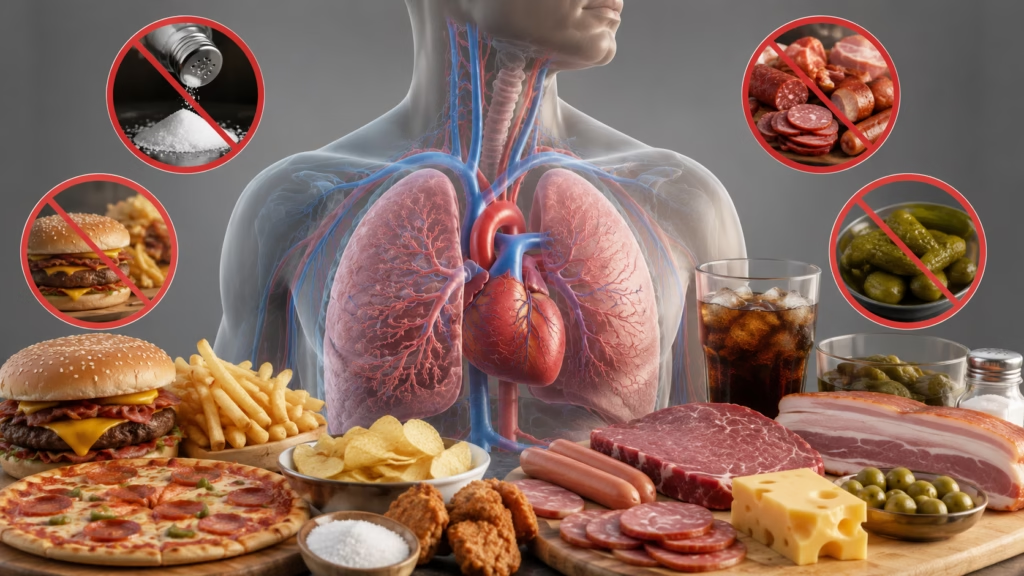
Table of Contents
Introduction
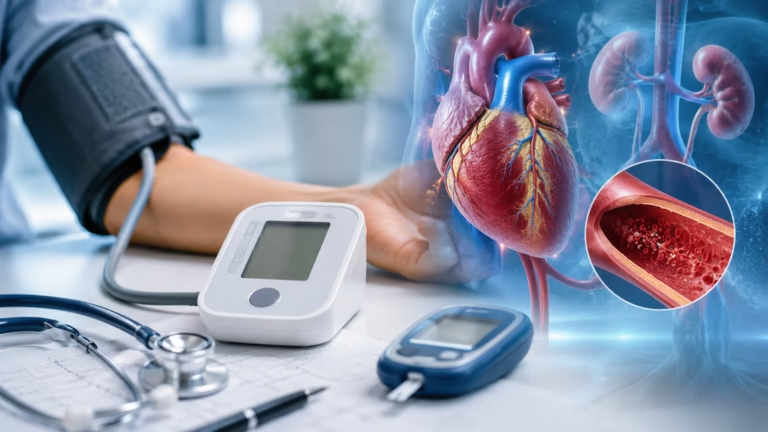
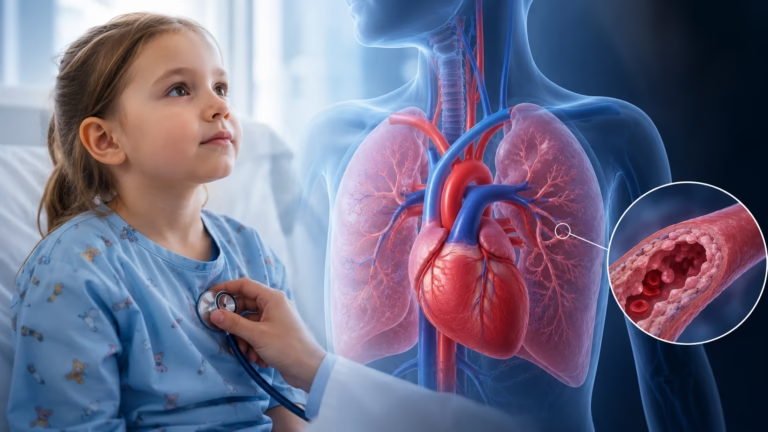
Pulmonary hypertension (PH) is a serious and progressive condition characterized by elevated blood pressure within the arteries of the lungs. Unlike systemic hypertension, which affects blood vessels throughout the body, pulmonary hypertension specifically impacts the pulmonary circulation, forcing the right side of the heart to work harder to pump blood through narrowed or damaged lung arteries. Over time, this increased workload can lead to right-sided heart failure and other potentially life-threatening complications.
While medications, oxygen therapy, and lifestyle modifications remain the cornerstone of pulmonary hypertension management, diet also plays a critical role in controlling symptoms and improving quality of life. The foods you consume each day can influence fluid retention, blood pressure regulation, inflammation, and overall cardiovascular function. Certain foods may worsen symptoms such as swelling, shortness of breath, fatigue, and elevated blood pressure, while healthier choices can support heart and lung health.
Understanding which foods to avoid is an important step toward taking control of your condition. This guide explores the major dietary culprits that may negatively affect pulmonary hypertension and provides practical strategies for making healthier food choices.
Why Diet Matters in Pulmonary Hypertension
Nutrition is often overlooked when discussing pulmonary hypertension, yet it can have a profound effect on disease management. One of the biggest concerns for individuals with pulmonary hypertension is fluid retention. Excess fluid increases blood volume, forcing the heart to pump harder and worsening symptoms such as swelling and shortness of breath.
Diet also affects the health of blood vessels. Foods high in unhealthy fats, sodium, and additives can contribute to inflammation, vascular stiffness, and impaired circulation. Since pulmonary hypertension already places significant stress on the cardiovascular system, maintaining healthy blood vessels is essential.
Additionally, some foods and beverages may interact with medications used to treat pulmonary hypertension. These interactions can reduce medication effectiveness or increase the likelihood of side effects. For these reasons, healthcare providers often recommend dietary modifications as part of a comprehensive treatment plan.
A well-balanced diet can help reduce fluid overload, stabilize blood pressure, improve circulation, support medication effectiveness, and enhance overall well-being.
High-Sodium Foods to Avoid
Sodium is one of the most important nutrients to monitor when living with pulmonary hypertension. Excess sodium causes the body to retain water, increasing blood volume and placing additional strain on both the heart and lungs.
Many people consume far more sodium than they realize because it is hidden in processed and packaged foods. Even foods that do not taste particularly salty can contain surprisingly high sodium levels.
Processed soups and broths are among the most common sources of excess sodium. A single serving may contain several hundred milligrams of sodium, often accounting for a large portion of the recommended daily intake. Similarly, canned vegetables frequently contain added salt used as a preservative.
Packaged snacks such as potato chips, pretzels, crackers, and salted nuts also contribute significantly to sodium consumption. Frozen dinners and convenience meals are particularly problematic because manufacturers often rely on salt to enhance flavor and extend shelf life.
Fast food items and restaurant meals are another major concern. Burgers, sandwiches, pizza, fried foods, and takeout dishes often contain excessive sodium levels that can quickly exceed daily recommendations.
Condiments such as soy sauce, ketchup, barbecue sauce, salad dressings, and seasoning mixes may seem harmless but can add hundreds of milligrams of sodium to a meal.
Individuals with pulmonary hypertension should carefully read nutrition labels and work with their healthcare provider to determine an appropriate sodium target. Many experts recommend limiting sodium intake to approximately 1,500 milligrams daily, although individual recommendations may vary.
Processed, Cured, and Smoked Meats
Processed meats are another category of foods that should be limited or avoided. These products are often loaded with sodium, preservatives, and chemical additives that can negatively affect cardiovascular health.
Bacon, sausage, ham, hot dogs, pepperoni, salami, and deli meats contain large amounts of salt used during processing. In addition to sodium, many processed meats contain nitrates and nitrites, which have been linked to inflammation and vascular dysfunction.
Smoked fish products such as lox and smoked salmon may appear healthy because they contain beneficial omega-3 fatty acids, but they are often extremely high in sodium. Excessive consumption can contribute to fluid retention and increased cardiovascular stress.
Replacing processed meats with fresh lean protein sources such as skinless poultry, fish, beans, lentils, and tofu can significantly reduce sodium intake while supporting overall health.
Foods High in Saturated Fat and Cholesterol
Cardiovascular health is a critical concern for individuals with pulmonary hypertension. Diets high in saturated fat and cholesterol can contribute to inflammation, vascular stiffness, and the development of atherosclerosis.
Fatty cuts of red meat, including ribeye steaks, T-bone steaks, and heavily marbled beef products, contain high levels of saturated fat. Frequent consumption can contribute to elevated cholesterol levels and worsen cardiovascular strain.
Full-fat dairy products such as whole milk, butter, cream, ice cream, and certain cheeses can also increase saturated fat intake. While these foods may be enjoyed occasionally, they should not form a major part of the diet.
Tropical oils, including coconut oil and palm oil, are frequently marketed as natural products but contain substantial amounts of saturated fat. Individuals with pulmonary hypertension should use them sparingly and prioritize healthier alternatives.
Deep-fried foods and fast-food meals often combine unhealthy fats, excess calories, and high sodium levels, creating a triple burden on cardiovascular health.
Healthier fat sources include olive oil, avocados, nuts, seeds, and fatty fish such as salmon, sardines, and trout. These foods contain unsaturated fats that support vascular health and may reduce inflammation.
Excessive Caffeine Consumption
Caffeine affects individuals differently, and moderate consumption may be acceptable for some patients with pulmonary hypertension. However, excessive caffeine intake can increase heart rate, stimulate the nervous system, and temporarily elevate blood pressure.
Large amounts of coffee, energy drinks, caffeinated sodas, and highly caffeinated supplements may trigger symptoms such as palpitations, anxiety, or increased shortness of breath in sensitive individuals.
Energy drinks deserve special caution because they often contain concentrated caffeine along with other stimulants that may place additional stress on the cardiovascular system.
Patients should discuss caffeine consumption with their healthcare provider. In many cases, limiting intake to one or two cups of coffee daily may be reasonable, while others may benefit from avoiding caffeine altogether.
Alcohol and Pulmonary Hypertension
Alcohol consumption presents several concerns for individuals with pulmonary hypertension. Depending on the amount consumed, alcohol can contribute to dehydration, disrupt sleep quality, interact with medications, and negatively affect heart function.
Some alcoholic beverages also contain significant amounts of sodium or sugar, particularly mixed drinks and cocktails. Excessive alcohol intake may worsen fluid balance and contribute to weight gain.
Certain medications used in pulmonary hypertension management may interact with alcohol, increasing side effects such as dizziness, low blood pressure, or liver stress.
Because alcohol tolerance and medication regimens vary significantly between patients, it is important to discuss alcohol use with a healthcare provider. Some individuals may be advised to limit alcohol intake, while others may be encouraged to avoid it entirely.
Sugary Foods and Beverages
Excess sugar consumption can contribute to weight gain, insulin resistance, chronic inflammation, and cardiovascular disease. These factors can complicate pulmonary hypertension management and place additional stress on the heart.
Sugar-sweetened beverages such as sodas, sports drinks, sweetened teas, and fruit-flavored drinks are among the largest sources of added sugar in many diets. These beverages provide little nutritional value while contributing significant calories.
Pastries, cakes, cookies, donuts, candy bars, and sweet snacks can also increase inflammation and contribute to unhealthy weight gain. Maintaining a healthy body weight is particularly important for individuals with pulmonary hypertension because excess weight increases the workload on the heart and lungs.
Whole fruits provide a healthier alternative because they contain fiber, vitamins, minerals, and antioxidants that support cardiovascular health. When cravings arise, berries, apples, oranges, and other naturally sweet foods can satisfy the desire for sweetness without the negative effects of processed sugar.
Foods High in Artificial Additives and Preservatives
Many processed foods contain artificial colors, flavor enhancers, preservatives, and chemical additives designed to improve taste, texture, or shelf life. While these substances are generally considered safe in moderation, excessive consumption may contribute to inflammation and poor overall health.
Instant noodles, packaged seasoning packets, processed snack foods, flavored chips, frozen convenience meals, and highly processed desserts often contain multiple additives alongside high levels of sodium and unhealthy fats.
Monosodium glutamate (MSG), artificial flavorings, and certain preservatives may trigger sensitivity reactions in some individuals, potentially worsening symptoms or contributing to discomfort.
Focusing on whole, minimally processed foods helps reduce exposure to these additives while improving overall nutritional quality.
Healthier Food Choices for Pulmonary Hypertension
Instead of focusing solely on restrictions, it is helpful to identify foods that support heart and lung health.
Fresh fruits and vegetables provide essential vitamins, minerals, antioxidants, and fiber. Whole grains such as oats, brown rice, quinoa, and whole wheat products support cardiovascular health and stable energy levels.
Lean protein sources including fish, poultry, beans, lentils, and tofu help maintain muscle mass while limiting saturated fat intake.
Healthy fats from olive oil, nuts, seeds, and avocados support blood vessel function and may reduce inflammation.
Adequate hydration is also important, although fluid intake recommendations should always follow guidance from your healthcare provider, particularly if fluid restriction is necessary.
Conclusion
Managing pulmonary hypertension involves much more than taking medication. The foods you choose each day can have a significant impact on fluid balance, blood pressure control, cardiovascular function, and overall quality of life.
Avoiding high-sodium foods, processed meats, unhealthy fats, excessive caffeine, alcohol, sugary products, and heavily processed foods can help reduce the burden on your heart and lungs. At the same time, emphasizing fresh, nutrient-dense foods supports better circulation, healthier blood vessels, and improved symptom management.
Every dietary change does not need to happen overnight. Small, consistent improvements can lead to meaningful health benefits over time. Replacing one processed food with a healthier alternative each week is an excellent place to start.
Always consult your healthcare provider or a registered dietitian before making significant dietary changes. Together, you can develop a personalized nutrition plan that supports your pulmonary hypertension treatment goals and helps you live a healthier, more active life.
Disclaimer
This article is for educational purposes only and does not replace professional medical advice, diagnosis, or treatment. Seizures, severe headache, confusion, visual changes, or blood pressure readings in the hypertensive crisis range require urgent medical evaluation.
Was this page helpful?
Thanks for your feedback! What could we improve?
Thank you! Your feedback helps us improve our articles.
True Impact Health articles are written by our editorial team and based on reliable sources such as public health agencies, clinical guidelines and peer-reviewed research. This article has not yet been medically reviewed. Read our editorial process.
This content is for general information and is not a substitute for professional medical advice, diagnosis or treatment.