Understanding Mental Health in Adults: Key Insights and Support
Explore mental health in adults, including its importance, signs, and ways to seek support for better well-being.
By True Impact Health Editorial Team

Physician with experience in patient care and preventive medicine, focused on early detection, disease prevention and long-term wellness.
Reviewed this article on November 11, 2026.
View profile How we reviewUpdated on November 8, 2026 11 min read

Table of Contents
Key Takeaways
- Mental health is crucial for overall well-being.
- Recognizing signs of mental health issues can lead to timely help.
- Support systems play a vital role in mental health.
- Self-care strategies can improve mental health significantly.
Mental health in adults is a critical aspect of overall health that influences how individuals think, feel, and act. It encompasses emotional, psychological, and social well-being, affecting how we handle stress, relate to others, and make choices. Understanding this complex subject is essential for fostering a supportive environment where adults can thrive.
According to the World Health Organization, mental health is more than just the absence of mental disorders; it is a state of well-being in which every individual realizes their potential, can cope with the normal stresses of life, can work productively and fruitfully, and is able to contribute to their community. Despite its importance, mental health is often overlooked, leading to significant consequences for individuals and society.
This guide aims to provide a comprehensive overview of mental health in adults, including common issues, signs to look for, ways to support mental well-being, and resources for seeking help.
Understanding Mental Health
Mental health is influenced by a variety of factors, including biological, psychological, and environmental aspects. Here are some key components to consider:
- Biological Factors: Genetics can play a role in mental health, with certain conditions running in families. Neurotransmitter imbalances can also contribute to mental health disorders.
- Psychological Factors: Trauma, stress, and emotional regulation are significant in determining an individual’s mental health. How one copes with challenges can impact overall well-being.
- Environmental Factors: Societal influences, including family dynamics, community support, and socio-economic status, can significantly affect mental health.

Common Mental Health Issues in Adults
Several mental health conditions are prevalent among adults, each with distinct characteristics and impacts:
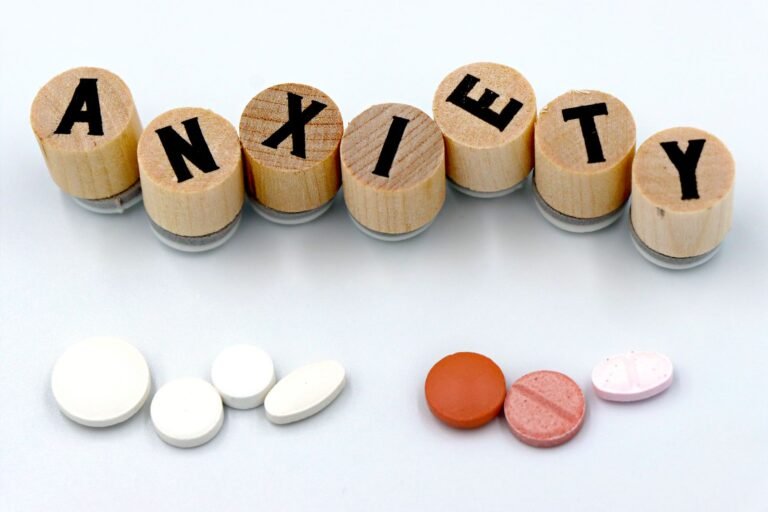
- Anxiety Disorders: These include generalized anxiety disorder, panic disorder, and social anxiety disorder. Symptoms can range from excessive worry to panic attacks.
- Depression: Often characterized by persistent sadness and loss of interest in activities, depression can affect daily functioning and quality of life.
- Bipolar Disorder: This condition involves extreme mood swings, including emotional highs (mania) and lows (depression), which can disrupt daily life.
- Post-Traumatic Stress Disorder (PTSD): PTSD can occur after experiencing or witnessing a traumatic event, leading to severe anxiety, flashbacks, and avoidance behaviors.
- Obsessive-Compulsive Disorder (OCD): Individuals with OCD experience unwanted, intrusive thoughts and compulsive behaviors aimed at reducing anxiety.
Signs of Mental Health Issues
Identifying signs of mental health issues is crucial for early intervention. Some common indicators include:
- Changes in Mood: Persistent sadness, irritability, or mood swings can suggest an underlying issue.
- Withdrawal from Social Activities: A noticeable decrease in social engagement or interest in previously enjoyed activities can be a red flag.
- Changes in Sleep or Appetite: Significant changes in eating habits or sleep patterns can indicate mental health struggles.
- Difficulty Concentrating: Trouble focusing on tasks, making decisions, or remembering information can signal mental distress.
- Substance Abuse: Using alcohol or drugs as a coping mechanism may indicate underlying mental health problems.

Real-Life Example: The Impact of Mental Health Challenges
Consider the story of Alex, a 35-year-old marketing professional who started feeling increasingly overwhelmed at work. Initially, he dismissed his feelings as stress, but over time, he experienced significant mood swings and lost interest in activities he once loved, like hiking and spending time with friends.
Alex’s struggles with anxiety and depression began to affect his work performance and relationships. After talking to a trusted colleague about his feelings, he sought help from a mental health professional. Through therapy and a support group, Alex learned coping strategies and found a supportive community that understood his challenges.
This example illustrates how recognizing mental health issues and seeking help can lead to recovery and improved well-being. It emphasizes the importance of awareness and taking proactive steps towards better mental health.
Seeking Help for Mental Health Issues
Addressing mental health challenges often requires professional assistance, but many adults hesitate to seek help. Here are some practical steps to consider:
- Consult a Mental Health Professional: Therapists, psychologists, and psychiatrists are trained to provide support and treatment for mental health issues.
- Talk to Your Doctor: Primary care physicians can offer referrals to mental health specialists and discuss medication options if necessary.
- Utilize Support Networks: Friends, family, and support groups can provide valuable emotional support and understanding during tough times.

Self-Care Strategies for Mental Well-Being
In addition to professional help, incorporating self-care practices can significantly enhance mental health. Here are some strategies:
- Regular Physical Activity: Exercise releases endorphins, which can improve mood and reduce anxiety.
- Mindfulness and Meditation: Practices like yoga and meditation can help reduce stress and promote emotional well-being.
- Healthy Eating: A balanced diet can positively affect mood and energy levels. Consuming omega-3 fatty acids, for instance, has been linked to reduced symptoms of depression.
- Establishing Routines: Creating a daily routine can provide structure and a sense of normalcy, which can be comforting during times of stress.
- Limit Screen Time: Reducing time spent on social media and consuming news can decrease feelings of anxiety and improve mental clarity.

Impact of Lifestyle Choices on Mental Health
Nutrition and Mental Well-Being
The relationship between nutrition and mental health is increasingly recognized in psychological research. A balanced diet rich in vitamins, minerals, and essential fatty acids can positively influence brain function and emotional well-being. For instance, omega-3 fatty acids found in fish and flaxseed have been linked to reduced symptoms of depression and anxiety.
Conversely, processed foods high in sugar and unhealthy fats can lead to mood fluctuations and increased feelings of anxiety. Maintaining stable blood sugar levels through regular meals can also help manage mood swings.
- Incorporate fruits and vegetables: Aim for a variety of colors to ensure a wide range of nutrients.
- Include lean proteins: Sources such as chicken, beans, and nuts can support neurotransmitter function.
- Stay hydrated: Dehydration can lead to fatigue and irritability, impacting mental health.
Physical Activity and Its Effects
Regular physical activity is one of the most effective ways to enhance mental health. Exercise releases endorphins, which are chemicals in the brain that act as natural painkillers and mood elevators. Engaging in physical activity can alleviate symptoms of anxiety and depression while improving self-esteem and cognitive function.
Moreover, different types of exercise, such as aerobic workouts, strength training, and even yoga, can have unique benefits for mental health, including stress reduction and increased feelings of relaxation. Finding an enjoyable activity can make it easier to incorporate regular exercise into daily life.
- Start small: Aim for at least 30 minutes of moderate exercise most days of the week.
- Explore different activities: Try swimming, hiking, or dance classes to find what you enjoy.
- Set achievable goals: Celebrate small milestones to stay motivated and engaged.
Sleep Hygiene and Mental Health
Quality sleep is crucial for maintaining mental health. Sleep deprivation can exacerbate symptoms of mental health disorders, leading to increased stress, anxiety, and mood swings. Establishing a consistent sleep schedule and creating a restful environment are key components of good sleep hygiene.
Practices such as limiting screen time before bed, avoiding heavy meals close to bedtime, and creating a calming pre-sleep routine can help improve sleep quality. Furthermore, understanding the sleep cycle and the importance of REM sleep can aid in recognizing what constitutes restorative sleep.
- Maintain a regular sleep schedule: Go to bed and wake up at the same time every day.
- Create a comfortable sleep environment: Keep the bedroom dark, cool, and quiet.
- Limit caffeine and alcohol intake: Both can disrupt sleep patterns and reduce sleep quality.
Social Connections and Mental Health
The Role of Support Networks
Strong social connections can significantly impact mental health. Relationships with family, friends, and community members provide emotional support, reducing feelings of isolation and loneliness. Engaging with others can also foster a sense of belonging, which is vital for mental well-being.
Participating in group activities or support groups can provide shared experiences and collective coping strategies, facilitating a deeper understanding of individual challenges. It is essential to nurture these relationships by reaching out, spending quality time together, and being open about one’s feelings.
- Join clubs or groups: Engage in activities that interest you, such as book clubs or sports teams.
- Volunteer: Helping others can create a sense of purpose and community.
- Schedule regular catch-ups: Make time for friends or family to discuss life and feelings.
Communication and Mental Health
Effective communication is vital for maintaining healthy relationships and ensuring mental well-being. Being able to express feelings, needs, and concerns openly can alleviate misunderstandings and foster deeper connections. Moreover, active listening is equally important; it allows individuals to feel heard and validated.
Practicing assertive communication can help individuals express themselves without being aggressive or passive. This skill can be particularly beneficial in navigating conflicts and can lead to healthier relationships overall.
- Practice active listening: Focus on the speaker, avoid interrupting, and respond thoughtfully.
- Use “I” statements: Express feelings and thoughts without placing blame on others.
- Be open to feedback: Accept constructive criticism as a chance for personal growth.
The Impact of Technology on Social Interactions
In today’s digital age, technology plays a dual role in shaping social interactions. While it offers opportunities to connect with others globally, it can also lead to superficial relationships and feelings of isolation. Social media can create unrealistic comparisons, which may exacerbate anxiety and depression.
It’s crucial to strike a balance between online interactions and face-to-face communication. Setting boundaries on technology use, such as designated screen-free times, can help individuals focus on nurturing real-life relationships and engaging in meaningful conversations.
- Limit social media use: Set specific times for checking apps to prevent excessive scrolling.
- Engage in real-life activities: Prioritize in-person interactions over virtual ones.
- Reflect on online content: Curate feeds to include positive, uplifting influences.

Coping Mechanisms and Resilience
Building Resilience
Resilience is the ability to bounce back from adversity and is a critical component of mental health. Developing resilience involves adopting a growth mindset, where challenges are viewed as opportunities for learning and personal development. This perspective can lead to improved problem-solving skills and emotional regulation.
Practicing mindfulness and gratitude can also enhance resilience. Being present in the moment and appreciating positive experiences can shift focus away from negative thoughts and foster a sense of well-being. Furthermore, resilience can be cultivated through supportive relationships and a strong sense of purpose.
- Practice mindfulness: Engage in meditation or deep-breathing exercises regularly.
- Keep a gratitude journal: Write down things you are thankful for each day.
- Set realistic goals: Break tasks into manageable steps to avoid feeling overwhelmed.
Healthy Coping Strategies
When faced with stress or emotional challenges, it is essential to utilize healthy coping strategies rather than resorting to harmful behaviors. Healthy coping mechanisms can include engaging in hobbies, practicing relaxation techniques, or seeking social support.
Identifying personal triggers and developing a toolkit of coping strategies can empower individuals to manage their mental health proactively. This may involve recognizing the signs of stress and implementing strategies before reaching a breaking point.
- Engage in creative outlets: Explore artistic hobbies such as painting, writing, or music.
- Practice physical relaxation: Techniques such as yoga or tai chi can alleviate tension.
- Seek professional help if needed: Don’t hesitate to reach out to a mental health professional for guidance.
Mindfulness and Stress Reduction Techniques
Mindfulness practices have gained popularity as effective tools for reducing stress and improving mental health. Techniques such as meditation, deep breathing, and progressive muscle relaxation can help ground individuals in the present moment, reducing anxiety about the future or regrets about the past.
Incorporating mindfulness into daily routines can enhance overall emotional well-being. Even short, regular sessions can yield significant benefits, making it easier to cope with daily stressors and emotional challenges.
- Start with short sessions: Aim for just five to ten minutes of mindfulness practice daily.
- Use guided resources: Consider apps or online videos to help structure your practice.
- Incorporate mindfulness into daily activities: Practice being present while eating or walking.
For more information, see MedlinePlus.
Frequently Asked Questions
What are some common signs of poor mental health?
Common signs include mood changes, withdrawal from social activities, changes in appetite or sleep, difficulty concentrating, and substance abuse.
How can I support a friend with mental health issues?
Listen without judgment, encourage them to seek professional help, and offer to accompany them to appointments if they feel comfortable.
When should I seek professional help for mental health issues?
Seek help if you experience persistent sadness, anxiety, withdrawal from daily activities, or if your coping mechanisms are inadequate.
Are there effective treatments for mental health disorders?
Yes, treatments include therapy, medication, lifestyle changes, and support groups, which can be tailored to individual needs.
The Bottom Line
Mental health in adults is a multifaceted issue that requires awareness, understanding, and proactive measures. By recognizing signs of mental health challenges and seeking help, individuals can foster better mental well-being. Self-care practices and support networks significantly contribute to recovery and resilience, promoting a healthier and more fulfilling life.
Was this page helpful?
Thanks for your feedback! What could we improve?
Thank you! Your feedback helps us improve our articles.
Medically reviewed by
Dr. Bernard ReynoldsPhysician with experience in patient care and preventive medicine, focused on early detection, disease prevention and long-term wellness.
True Impact Health articles are written by our editorial team and based on reliable sources such as public health agencies, clinical guidelines and peer-reviewed research. This article has been checked by a doctor on our review panel. Read our editorial process.
This content is for general information and is not a substitute for professional medical advice, diagnosis or treatment.