Understanding Mental Health: Key Insights for Better Wellbeing
Discover essential insights on mental health, its importance, and practical strategies to enhance your wellbeing and emotional wellness.
By True Impact Health Editorial Team

Physician with experience in patient care and preventive medicine, focused on early detection, disease prevention and long-term wellness.
Reviewed this article on November 11, 2026.
View profile How we reviewUpdated on November 9, 2026 10 min read

Table of Contents
Key Takeaways
- Mental health is crucial for overall wellbeing.
- Common disorders include anxiety and depression.
- Practical strategies can enhance mental health.
- Seeking professional help is important.
Mental health encompasses our emotional, psychological, and social well-being. It affects how we think, feel, and act, and it also plays a significant role in how we handle stress, relate to others, and make choices. Understanding mental health is crucial for maintaining a balanced life and fostering overall wellness.
In recent years, the conversation surrounding mental health has become increasingly prominent. Awareness campaigns and advocacy from various sectors have begun to dismantle the stigma that has historically surrounded mental health issues. This article aims to provide a comprehensive overview of mental health, its significance, common disorders, and various strategies to improve mental well-being.
As we navigate this guide, it’s important to recognize that mental health is a spectrum. Everyone experiences fluctuations in their mental health, and understanding this can help us approach the topic with empathy and clarity.
The Importance of Mental Health
Mental health is not merely the absence of mental illness; it is a vital component of our overall well-being. Good mental health contributes to the following:
- Improved Quality of Life: Positive mental health enhances our ability to enjoy life, engage with others, and pursue meaningful activities.
- Physical Health: Mental and physical health are interconnected. Poor mental health can lead to physical health issues such as heart disease, obesity, and diabetes.
- Productivity: Mental well-being impacts our ability to work effectively, maintain relationships, and contribute to our communities.
Consider the case of Alex, a 30-year-old marketing professional. After experiencing prolonged stress at work, Alex found it increasingly difficult to concentrate, leading to decreased performance and feelings of isolation. By recognizing the importance of mental health and seeking help, Alex was able to address these challenges, improve work performance, and enhance personal relationships.

Common Mental Health Disorders
Various mental health disorders can affect individuals at different stages of life. Here are some of the most common:
Anxiety Disorders
Anxiety disorders are characterized by excessive fear or worry. They include conditions such as Generalized Anxiety Disorder (GAD), Panic Disorder, and Social Anxiety Disorder. Symptoms can range from constant worry to panic attacks.
Depression
Depression is marked by persistent feelings of sadness, hopelessness, and a lack of interest in previously enjoyed activities. It can be debilitating and may lead to physical symptoms such as fatigue and changes in appetite.
Bipolar Disorder
Bipolar disorder involves shifts in mood ranging from manic highs to depressive lows. Individuals may experience extreme energy levels and mood swings that can affect their daily lives.
Obsessive-Compulsive Disorder (OCD)
OCD is characterized by unwanted, recurring thoughts (obsessions) and repetitive behaviors (compulsions). Individuals may feel driven to perform certain actions to alleviate the anxiety caused by these obsessions.
Post-Traumatic Stress Disorder (PTSD)
PTSD can occur after experiencing or witnessing a traumatic event. Symptoms may include flashbacks, nightmares, and severe anxiety affecting daily functioning.

Factors Affecting Mental Health
Numerous factors can influence mental health, including genetic, biological, environmental, and psychological elements. Understanding these can help in recognizing the complexity of mental health issues.
Genetic Factors
Family history can play a significant role in mental health. Individuals with relatives who have mental health disorders may have a higher risk of developing similar conditions.
Environmental Influences
Life experiences, such as trauma, abuse, or significant life changes, can impact mental health. Additionally, socio-economic factors such as poverty and lack of support systems can exacerbate mental health issues.
Biological Factors
Chemical imbalances in the brain and hormonal changes can significantly influence mental health. Conditions such as chronic illnesses or neurological disorders may also contribute to mental health challenges.

Practical Strategies for Enhancing Mental Health
There are several practical steps individuals can take to improve their mental health. Here are some effective strategies:
Mindfulness and Meditation
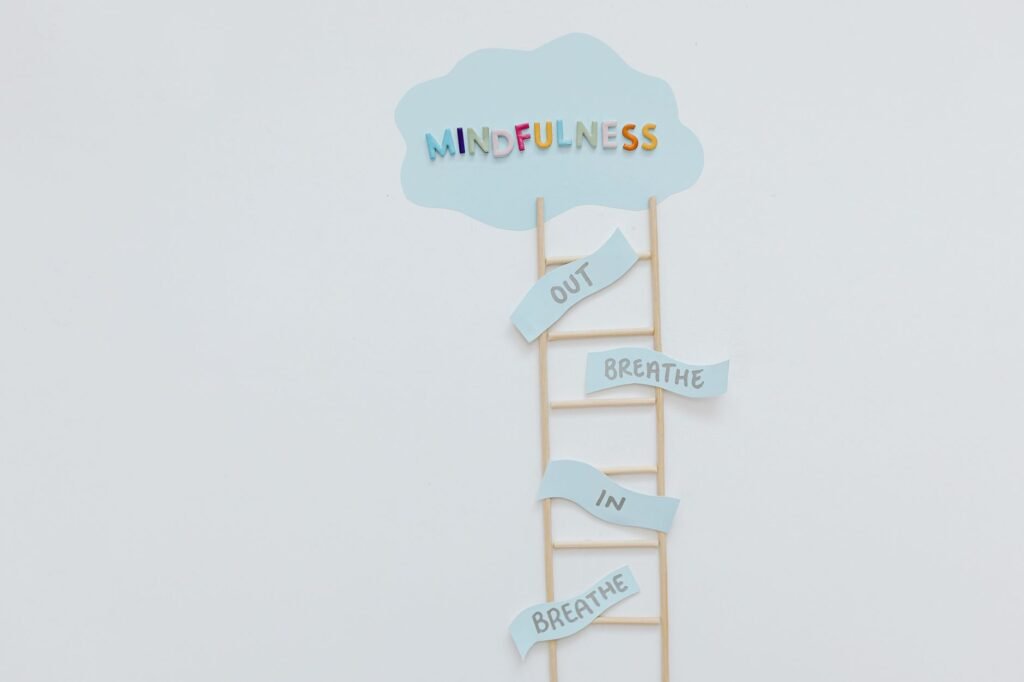
Practicing mindfulness and meditation can help individuals become more aware of their thoughts and feelings, promoting emotional regulation. Techniques such as deep breathing, guided imagery, or progressive muscle relaxation can be beneficial.
Regular Physical Activity
Engaging in regular physical exercise has been shown to reduce feelings of anxiety and depression. Activities such as walking, jogging, or yoga can release endorphins, which improve mood.
Healthy Eating
A balanced diet rich in nutrients can have a positive impact on mental health. Foods rich in omega-3 fatty acids, vitamins, and minerals can support brain health. Consider incorporating:
- Fruits and vegetables
- Whole grains
- Lean proteins
- Nuts and seeds
Making conscious food choices can lead to improved mood and energy levels.
Social Connections
Maintaining strong social connections is crucial for mental well-being. Engaging with friends, family, or support groups can provide individuals with emotional support and reduce feelings of isolation.
Professional Help
Seeking professional help is essential for those experiencing ongoing mental health challenges. Therapy, counseling, or medication may be beneficial. Common therapeutic approaches include:
- Cognitive Behavioral Therapy (CBT)
- Dialectical Behavior Therapy (DBT)
- Psychodynamic Therapy
Engaging with a mental health professional can provide personalized strategies to manage symptoms and improve overall mental health.
Understanding the Role of Nutrition in Mental Health
The Gut-Brain Connection
Recent studies have highlighted the intricate relationship between gut health and mental wellbeing, often referred to as the gut-brain axis. The gut contains a vast network of neurons and is home to trillions of bacteria that can influence mood and behavior. This connection implies that the foods we consume can have a profound effect on our mental state.
For instance, a diet rich in processed foods may lead to an imbalance in gut flora, which has been linked to anxiety and depression. Conversely, a diet high in fruits, vegetables, whole grains, and lean proteins can promote a healthier gut microbiome, thereby enhancing mental health.
- High-fiber foods (e.g., legumes, whole grains)
- Fermented foods (e.g., yogurt, sauerkraut)
- Omega-3 fatty acids (e.g., fatty fish, flaxseeds)
- Antioxidant-rich foods (e.g., berries, nuts)
Nutritional Deficiencies and Mental Health
Nutritional deficiencies can significantly impact mental health, leading to symptoms that may mimic or exacerbate mental health disorders. For example, deficiencies in vitamin D have been linked to depression, while low levels of B vitamins are associated with increased anxiety and fatigue.
Ensuring a balanced diet that meets daily nutritional requirements can help mitigate these risks. Regular blood tests can help identify any deficiencies, allowing for dietary adjustments or supplementation. Here are some crucial nutrients for mental health:
- Vitamin D: Important for mood regulation.
- Omega-3 fatty acids: Crucial for brain health.
- B vitamins: Play a role in energy production and mood stabilization.
- Magnesium: Known to reduce symptoms of anxiety.
Practical Tips for Improving Dietary Habits
Making healthier food choices can be a game changer for mental health. Here are some practical strategies to enhance your diet and support your mental wellbeing:
- Plan meals ahead of time to avoid impulse eating.
- Incorporate a variety of colorful vegetables in your meals.
- Limit caffeine and sugar intake, which can lead to mood swings.
- Stay hydrated, as dehydration can negatively affect mood.
- Practice mindful eating to foster a more positive relationship with food.

The Impact of Social Connections on Mental Health
The Importance of Supportive Relationships
Social connectivity is a critical component of mental health. Supportive relationships can provide emotional comfort and practical assistance during challenging times. They encourage individuals to share their experiences and feelings, which can alleviate feelings of isolation and loneliness.
Strong social networks can act as a buffer against mental health issues. Research indicates that individuals with robust social supports tend to have better coping mechanisms, lower levels of stress, and a decreased risk of developing mental health disorders.
- Engage with family and friends regularly.
- Join community groups or clubs that align with your interests.
- Volunteer to help others, fostering a sense of connection.
- Utilize social media positively to maintain connections.
Quality vs. Quantity of Connections
While having numerous acquaintances can be beneficial, the quality of social connections is more important for mental health. Having a few close friends who provide support and understanding can be more valuable than a large circle of acquaintances.
Investing time in deepening relationships with those who uplift and inspire you is vital. Building trust and open communication can help strengthen these connections. Consider the following ways to enhance the quality of your relationships:
- Engage in active listening when friends share their thoughts.
- Be present in conversations, minimizing distractions.
- Show appreciation for your loved ones regularly.
- Discuss feelings openly to foster understanding.
Building New Connections
For those who may feel isolated or are struggling to connect with others, there are effective strategies to build new friendships and connections. Here are some practical approaches:
- Attend workshops, classes, or seminars in areas of personal interest.
- Participate in local meetups or interest groups.
- Consider joining online communities that share similar hobbies or passions.
- Reach out to colleagues for casual after-work activities.
- Be open to initiating conversations with new acquaintances.

The Role of Mindfulness and Meditation in Mental Health
Understanding Mindfulness
Mindfulness is the practice of being present and fully engaged with the current moment. This mental state can help individuals develop a better understanding of their thoughts and feelings without judgment. Practicing mindfulness has been shown to reduce stress, anxiety, and depression.
By incorporating mindfulness into daily routines, individuals can enhance emotional regulation and cultivate a greater sense of peace. Techniques such as mindful breathing, body scans, and mindful walking can be helpful. Here are some mindfulness practices to consider:
- Journaling thoughts and experiences daily.
- Engaging in mindful breathing exercises for a few minutes each day.
- Practicing gratitude by noting things you are thankful for.
- Incorporating mindfulness into daily activities like eating or walking.
The Benefits of Meditation
Meditation is a focused practice that promotes mental clarity, emotional stability, and tranquility. Regular meditation practice has been found to foster resilience against stress and improve overall mental health. Different forms of meditation, such as guided meditation, transcendental meditation, and loving-kindness meditation, offer varied benefits.
Engaging in a consistent meditation practice can lead to changes in brain structure and function, enhancing areas associated with emotional regulation and reducing areas linked to stress and anxiety. Consider these approaches to incorporate meditation into your life:
- Start with short sessions of 5-10 minutes and gradually increase the duration.
- Use meditation apps or online resources for guided sessions.
- Establish a dedicated space in your home for meditation.
- Experiment with different types of meditation to find what resonates with you.
Overcoming Barriers to Mindfulness and Meditation
Many individuals face barriers when attempting to practice mindfulness and meditation, such as a busy schedule or difficulty focusing. Recognizing and addressing these barriers is essential for establishing a consistent practice. Here are some strategies to overcome common challenges:
- Set specific times during the day for practice, treating it like an important appointment.
- Start small; even a few minutes can be beneficial.
- Find a quiet space free from distractions.
- Be patient with yourself; mindfulness is a skill that develops over time.
- Join a local class or group for motivation and support.
For more information, see Cleveland Clinic.
Frequently Asked Questions
What is mental health?
Mental health refers to our emotional, psychological, and social well-being, influencing how we think and act in daily life.
How can I improve my mental health?
You can improve your mental health by practicing mindfulness, engaging in physical activity, maintaining a healthy diet, and building social connections.
When should I seek help for mental health issues?
If you experience persistent feelings of sadness, anxiety, or other concerning symptoms that interfere with daily life, seeking professional help is advisable.
Are mental health disorders common?
Yes, mental health disorders are quite common, with millions of individuals affected worldwide by conditions such as anxiety and depression.
The Bottom Line
Mental health is a crucial aspect of overall well-being, impacting how we think, feel, and interact with the world. By understanding common disorders, recognizing influencing factors, and implementing practical strategies, individuals can enhance their mental health and lead fulfilling lives.
Was this page helpful?
Thanks for your feedback! What could we improve?
Thank you! Your feedback helps us improve our articles.
Medically reviewed by
Dr. Bernard ReynoldsPhysician with experience in patient care and preventive medicine, focused on early detection, disease prevention and long-term wellness.
True Impact Health articles are written by our editorial team and based on reliable sources such as public health agencies, clinical guidelines and peer-reviewed research. This article has been checked by a doctor on our review panel. Read our editorial process.
This content is for general information and is not a substitute for professional medical advice, diagnosis or treatment.