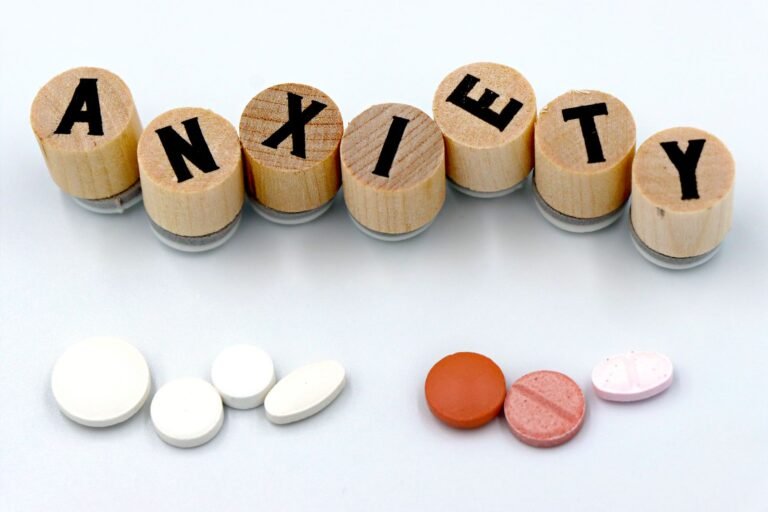
Recognizing Signs of Depression: Essential Insights for Everyone
Learn to identify the signs of depression and understand its impact on life and well-being. This guide offers practical insights and support options.
By True Impact Health Editorial Team

Medical graduate of Girne American University with a focus on patient-centred care, clinical assessment and preventive health.
Reviewed this article on November 11, 2026.
View profile How we reviewUpdated on November 10, 2026 11 min read

Table of Contents
Key Takeaways
- Depression can manifest in various emotional and physical signs.
- Early recognition of depression can lead to better management and treatment.
- Lifestyle changes and support systems can significantly aid recovery.
- Consulting a mental health professional is crucial for proper diagnosis.
Understanding Depression
Depression is a complex mental health condition that affects millions of people worldwide. It can impact every aspect of life, from emotional well-being to physical health. Understanding the signs of depression is crucial for early intervention and effective management.
Many people may not recognize their own symptoms or may attribute them to stress or fatigue. Recognizing these signs early can lead to better outcomes and more effective treatment options.
In this guide, we will explore various signs of depression, how they manifest, and what you can do if you or someone you know is experiencing them.
Common Emotional Signs of Depression
Emotional symptoms are often the first indicators of depression. These can include feelings of sadness, hopelessness, or a general lack of interest in activities that once brought joy.
Some common emotional signs include:
- Persistent Sadness: This is more than just feeling down; it’s a deep sense of sorrow that doesn’t seem to lift.
- Loss of Interest: Activities that were once enjoyable may no longer hold any appeal. This is often referred to as anhedonia.
- Feelings of Worthlessness: Individuals may consistently feel inadequate or unworthy, which can exacerbate the depressive state.
- Excessive Guilt: A person may dwell on past mistakes or failures, leading to overwhelming guilt.
For instance, consider a young professional, Lisa, who once thrived in her career and enjoyed social outings. Over time, she began to feel increasingly fatigued and uninterested in her work. After months of withdrawing from friends and family, Lisa realized she was experiencing signs of depression.

Physical Symptoms of Depression
Depression doesn’t just affect mental health; it can manifest physically as well. Understanding these physical symptoms can be crucial in recognizing the condition.
- Changes in Sleep Patterns: Insomnia or hypersomnia (sleeping too much) are common physical signs.
- Fatigue: Persistent tiredness or a lack of energy can be a significant indicator.
- Appetite Changes: Some may experience weight loss or gain due to changes in appetite.
- Physical Aches: Unexplained body aches or pains can sometimes be linked to depression.
John, a middle-aged man, noticed he was sleeping excessively and felt drained even after long hours of rest. He also experienced unexplained back pain. These physical signs prompted him to seek help, leading to the discovery of his depression.
Behavioral Changes Linked to Depression
Depression can significantly alter behavior, affecting how individuals interact with others and approach daily tasks.
- Avoidance of Social Interaction: Individuals may withdraw from friends, family, and social events.
- Decline in Work Performance: A noticeable drop in productivity or interest in work can be a warning sign.
- Substance Abuse: Some may turn to alcohol or drugs as a coping mechanism.
- Neglecting Responsibilities: Important tasks, both personal and professional, may be ignored.
For example, Sarah, a college student, began skipping classes and isolating herself from her friends. Her grades plummeted as she disengaged from her academic responsibilities, indicative of underlying depression.

Cognitive Symptoms of Depression
Depression can also influence cognitive functions, affecting how people think and process information.
- Concentration Issues: Difficulty focusing or making decisions is a common cognitive symptom.
- Memory Problems: Short-term memory may be compromised, leading to forgetfulness.
- Negative Thought Patterns: Individuals often experience pervasive negative thoughts about themselves and their future.
Mark, an avid reader, found himself unable to concentrate on his favorite novels, struggling to remember plot points or character names. This cognitive decline was a clear sign of his deepening depression.
Risk Factors for Developing Depression
Certain factors can increase the likelihood of developing depression. Understanding these risk factors can help in prevention and early detection.
- Genetic Predisposition: A family history of depression can increase risk.
- Chronic Illness: Long-term health conditions can contribute to feelings of hopelessness.
- Major Life Changes: Events such as divorce, job loss, or the death of a loved one can trigger depression.
- Substance Abuse: Drug and alcohol abuse can exacerbate or lead to depressive symptoms.
For instance, if someone has a family history of mental health issues, they may need to be more vigilant about recognizing the signs of depression in themselves and their loved ones.
When to Seek Help
Recognizing the signs of depression is the first step toward seeking help. However, knowing when to reach out is equally important.
- Persistent Symptoms: If symptoms last for more than two weeks, it’s advisable to seek professional assistance.
- Interference with Daily Life: If depression affects work, relationships, or daily activities, it’s time to consult a mental health professional.
- Thoughts of Self-Harm: If feelings of hopelessness lead to thoughts of self-harm or suicide, immediate help is critical.
Kelly, who experienced prolonged sadness and changes in her appetite, finally reached out to a therapist after realizing her daily life was becoming unmanageable. Seeking help was a pivotal moment in her recovery.

Treatment Options for Depression
If you or someone you know is experiencing signs of depression, various treatment options are available. It’s essential to find a suitable approach that works for the individual.
- Therapy: Cognitive Behavioral Therapy (CBT) and other therapeutic approaches can help individuals understand and manage their thoughts and behaviors.
- Medication: Antidepressants may be prescribed to help balance chemicals in the brain.
- Lifestyle Changes: Regular exercise, a healthy diet, and adequate sleep can significantly improve mood and overall well-being.
- Support Groups: Joining a support group can provide communal understanding and shared experiences.
For example, Emily joined a local support group where she could connect with others facing similar challenges. This sense of community played an essential role in her healing process.
Impact of Depression on Relationships
Understanding Relationship Dynamics
Depression can significantly alter how individuals interact with loved ones. It often leads to withdrawal from social activities, resulting in strained relationships. Those struggling with depression may find it hard to communicate their feelings, leading to misunderstandings and frustration among friends and family.
Moreover, the emotional fatigue that accompanies depression can make it challenging to maintain relationships. Friends and family members may feel overwhelmed trying to provide support, especially if they do not understand the nature of the illness. This can create a cycle of isolation, where the person with depression feels more alone, further exacerbating their condition.
Signs of Relationship Strain
Identifying the signs that depression is affecting relationships is crucial for timely intervention. Here are some indicators to watch for:
- Increased irritability or anger during interactions.
- Frequent misunderstandings or conflicts over trivial matters.
- Withdrawal from social gatherings previously enjoyed by both parties.
- Lack of interest in communicating or sharing personal experiences.
- Feelings of resentment or guilt from both partners.
Strategies for Improving Relationships Affected by Depression
To mend and strengthen relationships impacted by depression, consider the following strategies:
- Open and honest communication: Encourage discussions about feelings and experiences related to depression.
- Set realistic expectations: Understand that it may take time to rebuild connections.
- Seek professional guidance: Couples therapy or family counseling can provide a safe space to navigate difficulties.
- Practice patience and empathy: Recognize that depression is a medical condition that requires understanding.
By employing these strategies, individuals can foster healthier relationships while managing the challenges posed by depression.
Workplace Considerations for Depression
Recognizing Signs of Depression in the Workplace
Depression can significantly impact work performance and overall job satisfaction. Recognizing its signs in the workplace is essential for both employees and employers. Common indicators include decreased productivity, increased absenteeism, and an overall lack of motivation.
Employees may also struggle with concentration and decision-making, leading to errors in judgment or missed deadlines. Additionally, changes in behavior, such as increased irritability, can affect team dynamics and morale.
Creating a Supportive Work Environment
Employers play a pivotal role in supporting employees who may be facing depression. Implementing the following strategies can create a healthier work environment:
- Promote mental health awareness: Provide resources and training on mental health issues.
- Encourage open dialogue: Foster a culture where employees feel comfortable discussing mental health.
- Implement flexible working arrangements: Allow for remote work options or flexible hours for those needing accommodations.
- Provide access to mental health resources: Ensure employees have access to counseling services and mental health days.
Legal Protections for Employees with Depression
Understanding legal protections for employees dealing with depression is crucial. In many regions, mental health conditions are protected under disability laws. Employees may have the right to reasonable accommodations, such as modified duties or adjusted work schedules. Familiarizing oneself with these rights can empower those struggling with depression to seek the help they need without fearing job loss or discrimination.

Long-Term Effects of Untreated Depression
Physical Health Consequences
Untreated depression can have severe implications for physical health. Research indicates that individuals with depression are at a higher risk for various chronic health conditions, including heart disease, diabetes, and obesity. The physiological changes associated with depression, such as increased inflammation and hormonal imbalances, can contribute to these health risks.
Mental Health Deterioration
Beyond physical health, untreated depression can lead to a decline in overall mental health. Chronic depression can increase the likelihood of developing other mental health disorders, such as anxiety disorders or substance use disorders. This co-occurrence can complicate treatment and recovery, making it essential to address depression proactively.
Social and Economic Implications
The social and economic consequences of untreated depression are profound. Individuals may experience difficulties in maintaining employment and fulfilling social roles, leading to isolation and financial instability. Communities may bear the burden of increased healthcare costs and lost productivity due to untreated mental health issues. Addressing depression is not only beneficial for the individual but also for society as a whole.
In summary, recognizing the far-reaching effects of untreated depression is crucial. Taking proactive steps to seek help can mitigate these risks and lead to a healthier, more fulfilling life.
Recognizing the Impact of Depression on Daily Life
Changes in Daily Routines
Depression can significantly alter an individual’s daily routines, making even the most simple tasks feel overwhelming. Activities that were once enjoyable may become burdensome, leading to a decline in personal hygiene, meal preparation, and social engagement. Individuals might find themselves neglecting their responsibilities, resulting in an unkempt living environment or missed appointments.
Common changes in daily routines might include:
- Inconsistent sleep patterns, such as insomnia or oversleeping.
- Irregular eating habits, including skipping meals or excessive snacking.
- A decline in personal grooming and hygiene practices.
Social Withdrawal and Isolation
One of the more challenging aspects of depression is the tendency for individuals to withdraw from social interactions. Friends and family might notice a pattern of avoidance, with the affected person declining invitations or canceling plans at the last minute. This withdrawal can exacerbate feelings of loneliness and despair, perpetuating the cycle of depression.
Signs of social withdrawal include:
- Reduced communication with friends and family.
- Avoidance of group activities or public gatherings.
- Spending excessive time alone, often engaged in passive activities like watching television.

Understanding the Role of Self-Talk in Depression
Negative Self-Perception
Individuals suffering from depression often experience a shift in how they perceive themselves. Negative self-talk can become pervasive, leading to feelings of worthlessness and inadequacy. This internal dialogue can undermine confidence and prevent individuals from pursuing goals or engaging in new experiences.
Common negative self-statements might include:
- “I am a failure and will never succeed.”
- “I am unlovable and will always be alone.”
- “I am a burden to everyone around me.”
The Power of Positive Affirmations
Counteracting negative self-talk can be an effective strategy in managing depressive symptoms. Incorporating positive affirmations into daily routines can help reframe negative thoughts and foster a more positive self-image. Practicing self-compassion and acknowledging one’s strengths can be beneficial in overcoming the harsh self-critic that often accompanies depression.
Examples of positive affirmations include:
- “I have the strength to overcome challenges.”
- “I am deserving of love and respect.”
- “Each day is a new opportunity for growth.”
Exploring Alternative Coping Strategies
The Benefits of Mindfulness and Meditation
Mindfulness and meditation are effective tools for individuals experiencing depression. These practices encourage individuals to focus on the present moment, reducing anxiety about the future and regrets about the past. Regular engagement in mindfulness can enhance emotional regulation and promote a sense of calm.
Simple mindfulness techniques include:
- Deep breathing exercises to anchor attention.
- Guided meditation sessions available through apps or online resources.
- Journaling to process thoughts and emotions.
Creativity as a Form of Expression
Engaging in creative activities can serve as a therapeutic outlet for individuals with depression. Art, music, and writing allow for self-expression and can help reduce feelings of isolation. Creative endeavors can also foster a sense of accomplishment, which may alleviate some depressive symptoms.
Ways to incorporate creativity into daily life include:
- Participating in art classes or workshops.
- Starting a personal blog or writing short stories.
- Learning to play a musical instrument or joining a community band.
For more information, see NIH.
Frequently Asked Questions
What are the most common signs of depression?
The most common signs include persistent sadness, loss of interest in activities, fatigue, and changes in sleep or appetite.
How long do signs of depression typically last?
Signs of depression can last for weeks or even months, especially if left untreated. Early intervention is key to recovery.
Can depression be treated effectively?
Yes, depression can be effectively treated with therapy, medication, lifestyle changes, and support systems.
When should I seek help for depression?
Seek help if symptoms persist for more than two weeks, interfere with daily life, or include thoughts of self-harm.
The Bottom Line
Recognizing the signs of depression is crucial for timely intervention and treatment. With proper support and resources, individuals can learn to manage their symptoms and lead fulfilling lives. If you or someone you know is experiencing these signs, consider reaching out to a mental health professional for guidance.
Was this page helpful?
Thanks for your feedback! What could we improve?
Thank you! Your feedback helps us improve our articles.
Medically reviewed by
Dr. Oluwabusola Stella OkeMedical graduate of Girne American University with a focus on patient-centred care, clinical assessment and preventive health.
True Impact Health articles are written by our editorial team and based on reliable sources such as public health agencies, clinical guidelines and peer-reviewed research. This article has been checked by a doctor on our review panel. Read our editorial process.
This content is for general information and is not a substitute for professional medical advice, diagnosis or treatment.