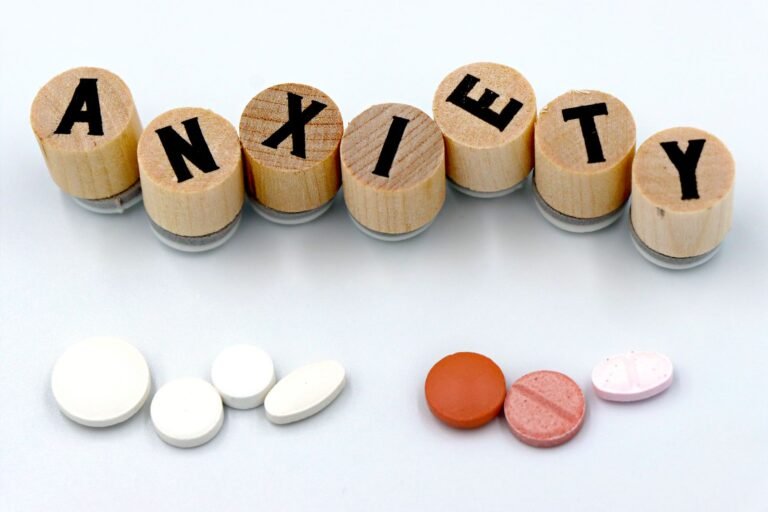
Understanding High Functioning Anxiety: Symptoms and Strategies
Explore high functioning anxiety: its symptoms, coping strategies, and how to manage it effectively for a balanced life.
By True Impact Health Editorial Team

Medical doctor and clinical researcher focused on preventive medicine, chronic disease and clear, evidence-based health communication.
Reviewed this article on November 11, 2026.
View profile How we reviewUpdated on November 11, 2026 11 min read

Table of Contents
Key Takeaways
- High functioning anxiety can mask underlying issues.
- Recognizing symptoms is the first step towards managing it.
- Coping strategies include mindfulness and time management.
- Seeking professional help can provide valuable support.
High functioning anxiety is a term that describes individuals who experience anxiety yet appear to be managing well in their daily lives. These individuals often excel at work, maintain social circles, and fulfill responsibilities, all while grappling with intense feelings of apprehension and worry. While they may seem to be thriving on the outside, those with high functioning anxiety often feel overwhelmed internally, leading to a constant state of tension and unease.
Understanding high functioning anxiety is crucial for anyone who may be experiencing it or knows someone who is. The symptoms can be nuanced and can vary significantly from person to person. This article aims to explore the symptoms, coping mechanisms, and practical strategies for managing high functioning anxiety.
Many people may not even realize they are experiencing high functioning anxiety, mistaking their stress for personality traits such as perfectionism or ambition. It’s not uncommon for high achievers to feel the pressure to succeed, often leading to a cycle of anxiety that can be difficult to break. Recognizing the signs is the first step toward addressing the issue.
Identifying the Symptoms of High Functioning Anxiety
High functioning anxiety can manifest in various ways, making it essential to identify symptoms early on. Below are some common indicators:
- Constant Worry: Individuals often worry about performance, future events, and social interactions even when there is no immediate threat.
- Perfectionism: A desire to do everything flawlessly can lead to excessive self-criticism and fear of failure.
- Overcommitment: Taking on too many responsibilities is common, as individuals often feel the need to prove their worth.
- Physical Symptoms: This may include headaches, fatigue, gastrointestinal issues, or insomnia due to chronic stress.
- Avoidance of Stressful Situations: People may avoid social situations or challenges that could exacerbate their anxiety.
Understanding these symptoms can help individuals recognize their struggles with high functioning anxiety. A relatable example is that of a young professional named Sarah. Sarah excels in her job and is often praised for her work ethic. However, she constantly worries about meeting deadlines and fears disappointing her boss. Despite her achievements, she feels an ongoing sense of dread and exhaustion.

Understanding the Causes of High Functioning Anxiety
The causes of high functioning anxiety can be complex and multifaceted. Here are some factors that may contribute:
- Genetics: Family history of anxiety disorders can increase the likelihood of developing anxiety.
- Environmental Factors: Stressful life events or trauma can trigger anxiety responses.
- Personality Traits: Certain personality types, such as those who are perfectionists or highly conscientious, may be more prone to anxiety.
- Work Environment: High-pressure workplaces can exacerbate feelings of anxiety.
For Sarah, her upbringing in a highly competitive family contributed to her perfectionist tendencies. She learned early on that success equated to love and approval, leading her to internalize the belief that she must always perform exceptionally.
Strategies for Managing High Functioning Anxiety
Managing high functioning anxiety is crucial for maintaining mental health and overall well-being. Below are some effective strategies:
1. Mindfulness and Meditation
Mindfulness involves being present in the moment and can help individuals detach from anxious thoughts. Regular meditation practice can provide significant relief from symptoms associated with high functioning anxiety. Consider setting aside a few minutes each day for meditation or deep breathing exercises.
2. Time Management Techniques
Effective time management can reduce feelings of overwhelm. Here are a few techniques to consider:
- Prioritize Tasks: Use a priority matrix to determine what tasks are urgent versus important.
- Set Boundaries: Learn to say no to additional responsibilities that may lead to burnout.
- Break Tasks Down: Divide larger projects into smaller, manageable tasks to make them less intimidating.
3. Seek Professional Help
Consulting a mental health professional can provide additional support and coping strategies. Therapists can offer cognitive-behavioral therapy (CBT), which is effective in treating anxiety disorders. Medication may also be an option for some individuals, and it’s crucial to discuss this with a healthcare provider.

Building a Support System
Having a solid support system is essential for managing high functioning anxiety. Here are some tips for building a network of support:
- Communicate Openly: Share your feelings with trusted friends or family members who can provide understanding and support.
- Join Support Groups: Connecting with others who experience similar struggles can help alleviate feelings of isolation.
- Engage in Activities: Participate in social or recreational activities to foster connections and relieve stress.
For Sarah, opening up to her close friends about her anxiety was a turning point. She discovered that many of them also experienced similar feelings, which helped her realize she was not alone in her struggles.

Preventing High Functioning Anxiety from Escalating
Preventing high functioning anxiety from becoming overwhelming involves proactive measures. Here are some strategies to consider:
- Maintain a Healthy Lifestyle: Regular exercise, a balanced diet, and sufficient sleep can significantly impact mental health.
- Practice Relaxation Techniques: Incorporating yoga, deep breathing, or progressive muscle relaxation can help reduce stress levels.
- Limit Caffeine and Sugar: High intake of stimulants can exacerbate anxiety symptoms.
Sarah found that incorporating physical activity into her routine not only alleviated her anxiety but also improved her mood and energy levels.

Recognizing the Impact of High Functioning Anxiety on Daily Life
Relationships and Social Interactions
High functioning anxiety can significantly affect personal relationships and social interactions. Individuals may appear charming and composed, but internally they may feel overwhelmed, leading to difficulties in connecting with others. This disconnect can cause tension in friendships and romantic relationships as partners may struggle to understand the silent battles their loved one is facing.
Moreover, the fear of judgment can lead to avoidance of social situations, further isolating the individual. While they may manage to attend gatherings, they might spend the time worrying about how they are being perceived. This can create a cycle where they feel inadequate, despite outward appearances of success and confidence.
- Difficulty in expressing genuine feelings
- Overthinking conversations and interactions
- Fear of rejection leading to withdrawal
- Struggles with intimacy due to anxiety
Work Performance and Career Progression
In professional settings, individuals with high functioning anxiety often excel, driven by their desire to meet expectations. However, this drive can lead to burnout, as they may take on more responsibilities than they can handle. The constant pressure to perform can result in a cycle of anxiety, where the individual feels they must work harder to maintain their status.
Additionally, their anxiety may cause them to be overly critical of their performance, leading to imposter syndrome. They may feel like they do not deserve their achievements, which can hinder career advancement. This self-doubt is compounded by the fear of making mistakes, which can stifle creativity and innovation in the workplace.
- Overcommitment to projects and tasks
- Difficulty accepting praise or recognition
- Procrastination due to fear of failure
- Challenges in asserting oneself during evaluations
Physical Health Consequences
High functioning anxiety can lead to various physical health issues, often overlooked in discussions about mental health. Chronic anxiety can trigger stress responses in the body, resulting in symptoms such as headaches, muscle tension, and digestive problems. The prolonged state of heightened alertness can also lead to fatigue and insomnia, further exacerbating the anxiety cycle.
Moreover, individuals may neglect self-care practices due to their busy lifestyles, leading to poor nutrition and lack of exercise. This neglect can create additional health complications, making it essential for individuals to prioritize their physical well-being in conjunction with their mental health.
- Common physical symptoms include:
- Increased heart rate
- Chronic fatigue
- Gastrointestinal issues
- Muscle tension and pain
Effective Techniques for Harnessing High Functioning Anxiety
Mindfulness and Grounding Exercises
Mindfulness practices can be incredibly beneficial for individuals with high functioning anxiety. These techniques focus on bringing attention to the present moment, allowing individuals to step back from their anxious thoughts. Grounding exercises, such as focusing on the sensations in the body or engaging the five senses, can help alleviate overwhelming feelings.
Incorporating mindfulness into daily routines can be as simple as taking a few moments each day to practice deep breathing or meditation. Even short intervals of mindfulness can create a sense of calm and improve overall emotional regulation, empowering individuals to manage their anxiety more effectively.
- Practical mindfulness techniques include:
- Breathing exercises
- Journaling thoughts and feelings
- Body scanning to identify areas of tension
- Nature walks to promote relaxation
Reframing Negative Thoughts
Reframing negative thoughts is a powerful cognitive strategy that can help individuals with high functioning anxiety combat their internal narratives. Often, anxiety is fueled by irrational beliefs and catastrophic thinking. By learning to identify and challenge these thoughts, individuals can cultivate a more balanced perspective.
Practicing cognitive restructuring involves questioning the validity of anxious thoughts and replacing them with more realistic and positive affirmations. This process not only helps in reducing anxiety levels but also enhances self-esteem and promotes a healthier self-image.
- Steps to reframe negative thoughts include:
- Identifying the anxious thought
- Assessing the evidence for and against that thought
- Generating alternative, more positive thoughts
- Practicing self-compassion in the process
Setting Realistic Goals and Boundaries
For individuals with high functioning anxiety, setting realistic goals and boundaries is crucial for managing stress levels. Often, the desire to achieve can lead to overcommitment, which can exacerbate anxiety symptoms. By establishing clear, attainable goals, individuals can create a more manageable path toward achievement without overwhelming themselves.
In addition to goal setting, it is essential to establish boundaries both in personal and professional settings. Learning to say no when necessary and communicating limits can prevent burnout and help maintain a balanced life. This practice not only protects mental health but also fosters healthier relationships with others.
- Tips for effective goal setting and boundary creation include:
- Breaking larger goals into smaller, achievable steps
- Regularly reviewing and adjusting goals as needed
- Communicating boundaries clearly with others
- Prioritizing self-care and downtime

Exploring Professional Help for High Functioning Anxiety
Therapeutic Approaches
For many individuals, seeking professional help can be a pivotal step in managing high functioning anxiety. Various therapeutic approaches can provide effective support, including cognitive behavioral therapy (CBT), which focuses on changing negative thought patterns and behaviors. CBT can empower individuals to develop healthier coping strategies and improve emotional regulation.
Additionally, mindfulness-based therapies, such as Acceptance and Commitment Therapy (ACT), can also be beneficial. These therapies encourage individuals to accept their thoughts and feelings rather than fighting them, promoting a sense of peace and acceptance that can mitigate anxiety.
- Common therapeutic approaches include:
- Cognitive Behavioral Therapy (CBT)
- Acceptance and Commitment Therapy (ACT)
- Dialectical Behavior Therapy (DBT)
- Mindfulness-Based Stress Reduction (MBSR)
Medication Options
In some cases, medication may be a viable option for managing high functioning anxiety. Antidepressants, such as selective serotonin reuptake inhibitors (SSRIs), are often prescribed to help regulate mood and reduce anxiety symptoms. Additionally, anti-anxiety medications may be considered for short-term relief during particularly stressful periods.
It’s essential for individuals to work closely with a healthcare provider to determine the best course of treatment. Open communication about symptoms, side effects, and any concerns can lead to more effective management of anxiety. Regular follow-ups can also ensure that the treatment plan remains aligned with the individual’s needs.
- Common medication types include:
- Selective serotonin reuptake inhibitors (SSRIs)
- Serotonin-norepinephrine reuptake inhibitors (SNRIs)
- Benzodiazepines (short-term use)
- Buspirone (non-benzodiazepine anti-anxiety medication)
Support Groups and Community Resources
Connecting with others who share similar experiences can be an invaluable resource for individuals with high functioning anxiety. Support groups provide a safe space for sharing experiences, coping strategies, and encouragement. These groups can help individuals feel less isolated and more understood, fostering a sense of community and belonging.
Additionally, various community resources, such as workshops and seminars on anxiety management, can offer education and practical tools. Engaging in community activities not only provides support but also serves as an opportunity for personal growth and connection.
- Types of support resources include:
- In-person and online support groups
- Workshops focused on anxiety management
- Local mental health organizations
- Peer-led initiatives for sharing coping strategies
For more information, see MedlinePlus.
Frequently Asked Questions
What is high functioning anxiety?
High functioning anxiety refers to individuals who experience significant anxiety yet manage to perform well in their daily lives and responsibilities.
Can high functioning anxiety lead to burnout?
Yes, the pressure to maintain high performance levels can lead to burnout over time, especially if coping strategies are not implemented.
Is high functioning anxiety the same as generalized anxiety disorder?
No, while they share symptoms, high functioning anxiety is characterized by the ability to function well in daily life, whereas generalized anxiety disorder may significantly impair daily functioning.
What are effective treatments for high functioning anxiety?
Effective treatments include therapy (especially cognitive-behavioral therapy), medication, mindfulness practices, and lifestyle changes.
The Bottom Line
High functioning anxiety can significantly impact one’s quality of life, despite outward appearances of success. By recognizing the symptoms, understanding the causes, and implementing effective coping strategies, individuals can manage their anxiety and lead more balanced lives. Seeking professional guidance can also provide valuable support in navigating these challenges.
Was this page helpful?
Thanks for your feedback! What could we improve?
Thank you! Your feedback helps us improve our articles.
Medically reviewed by
Dr. Daniel HarringtonMedical doctor and clinical researcher focused on preventive medicine, chronic disease and clear, evidence-based health communication.
True Impact Health articles are written by our editorial team and based on reliable sources such as public health agencies, clinical guidelines and peer-reviewed research. This article has been checked by a doctor on our review panel. Read our editorial process.
This content is for general information and is not a substitute for professional medical advice, diagnosis or treatment.