


















Men’s Mental Health: Essential Insights for Wellbeing
Explore men's mental health: key issues, practical tips, and how to seek help for emotional wellbeing.
By True Impact Health Editorial Team

Physician with experience in patient care and preventive medicine, focused on early detection, disease prevention and long-term wellness.
Reviewed this article on November 11, 2026.
View profile How we reviewUpdated on November 8, 2026 12 min read

Table of Contents
Key Takeaways
- Men often face stigma around discussing mental health.
- Common mental health issues include depression and anxiety.
- Practical self-care tips can improve mental wellbeing.
- Seeking professional help is crucial for serious concerns.
Understanding Men’s Mental Health
Men’s mental health is a crucial aspect of overall wellbeing, often overlooked in discussions about mental health. Traditionally, societal norms have encouraged men to suppress their emotions, which can lead to significant mental health issues. Understanding these challenges is the first step in promoting better mental health for men.
Research indicates that men are less likely to seek help for mental health issues compared to women. This reluctance often stems from cultural expectations that value stoicism and self-reliance in men. As a result, many men suffer in silence, exacerbating feelings of isolation and despair.
Common mental health issues affecting men include depression, anxiety, and stress-related disorders. Recognizing the symptoms of these conditions is vital. Men may express mental distress through irritability, anger, or withdrawal rather than typical signs like sadness.
Common Mental Health Issues in Men
Men face various mental health challenges, some of which manifest differently than in women. Understanding these issues can help in identifying when to seek support.
Depression
Depression is one of the most common mental health disorders affecting men. Symptoms may include persistent sadness, loss of interest in activities, fatigue, and difficulty concentrating. Men may also exhibit irritability or aggression, often masking their true feelings.
Statistics show that men are less likely to be diagnosed with depression, partly due to the stigma associated with expressing vulnerability. This can lead to underreporting and untreated cases, making awareness and understanding critical.
Anxiety
Anxiety disorders are another prevalent issue among men. Symptoms can range from excessive worry and restlessness to physical symptoms like rapid heartbeat and sweating. Many men may dismiss their anxiety as stress or overwork, leading to a lack of proper treatment.
Work-related stress and personal responsibilities can exacerbate anxiety. Men often feel pressure to provide for their families, which can create a cycle of anxiety and stress.
Stress and Its Impact
Chronic stress can lead to severe mental health issues, including burnout and depression. Men often face unique stressors in their work and personal lives, such as job performance, financial pressures, and relationship challenges.
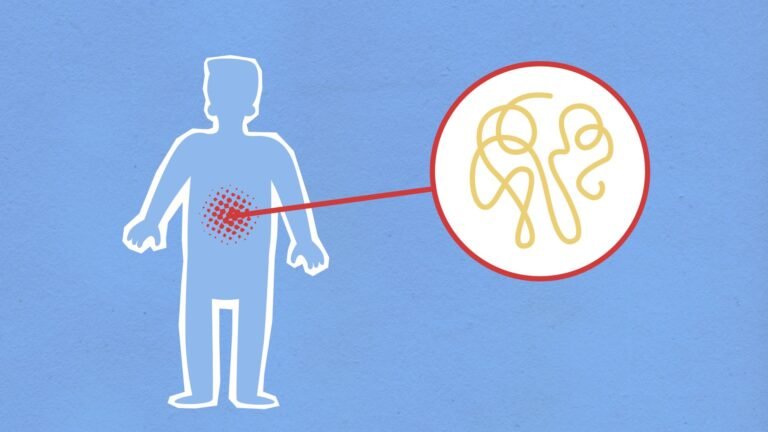
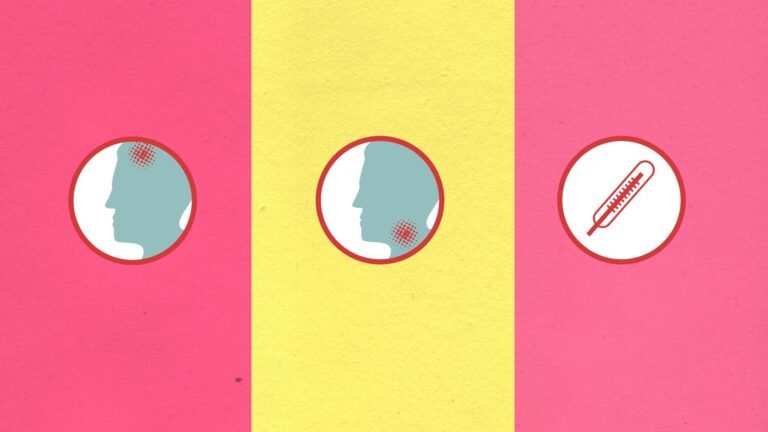
Recognizing the signs of stress is essential. Physical symptoms can include headaches, fatigue, and digestive issues, while emotional signs may involve irritability, mood swings, and a sense of hopelessness.

Barriers to Seeking Help
Despite the prevalence of mental health issues, many men do not seek help. Understanding these barriers can help break down the stigma surrounding men’s mental health.
Stigma and Societal Expectations
Stigma plays a significant role in preventing men from seeking help. Many men are raised with the belief that they must be strong and self-sufficient, leading to feelings of shame when they struggle with mental health issues.
Societal expectations often dictate that men should not show vulnerability, making it challenging for them to express their feelings or seek support from friends, family, or professionals.
Lack of Awareness
Some men may not recognize the signs of mental health issues or understand the importance of seeking help. Education around mental health can be scarce, particularly for men who grew up in environments that did not prioritize emotional wellbeing.
Increasing awareness about men’s mental health issues can lead to earlier detection and treatment, ultimately improving outcomes.
Access to Resources
Access to mental health resources can also be a barrier. Men in rural areas or low-income settings may find it challenging to access professional help. Transportation issues, financial constraints, and lack of local services can all contribute to this problem.
Telehealth options have emerged as a potential solution, allowing men to seek support from the comfort of their homes.
Practical Tips for Improving Men’s Mental Health
Improving mental health requires practical strategies that men can incorporate into their daily lives. Here are several actionable tips to promote better mental wellbeing.
Develop a Routine
- Establish a daily routine that includes time for work, exercise, and relaxation.
- Create a sleep schedule to ensure adequate rest each night.
- Incorporate regular breaks throughout the day to recharge and reduce stress.
Engage in Physical Activity
Exercise is a proven method for improving mental health. Physical activity releases endorphins, which can help reduce stress and anxiety.
Men can choose activities they enjoy, such as:
- Running or jogging
- Weight training
- Playing team sports
- Yoga or stretching exercises
Finding an activity that resonates personally can make it easier to stick with a fitness routine.
Practice Mindfulness and Relaxation Techniques
Mindfulness practices, such as meditation and deep breathing, can help manage stress and improve mental clarity. Taking just a few minutes each day to focus on breathing or engage in mindfulness exercises can make a significant difference.
Other relaxation techniques to consider include:
- Progressive muscle relaxation
- Spending time in nature
- Listening to calming music

When to Seek Professional Help
Recognizing when to seek professional help is vital for maintaining mental health. Some signs that indicate it may be time to reach out to a mental health professional include:
- Persistent feelings of sadness or hopelessness
- Extreme mood swings or irritability
- Withdrawal from friends and family
- Inability to carry out daily tasks
- Thoughts of self-harm or suicide
If any of these symptoms resonate, it is crucial to seek help. Mental health professionals can provide support, therapy, and, if necessary, medication to help manage symptoms.
Understanding the Role of Physical Health in Men’s Mental Wellbeing
Physical Activity and Mental Health
Regular physical activity is a cornerstone of both physical and mental health. Engaging in exercises such as jogging, swimming, or weight training can significantly enhance mood and reduce feelings of anxiety and depression. The release of endorphins during exercise acts as a natural mood lifter, providing immediate relief from stress. Furthermore, setting and achieving fitness goals can foster a sense of accomplishment that positively impacts self-esteem.
Men often face unique challenges regarding physical fitness, such as societal expectations and work-life balance. To overcome these barriers, consider implementing the following strategies:
- Incorporate physical activity into daily routines, such as walking during lunch breaks or cycling to work.
- Join a community sports team or group fitness class to foster social connections.
- Set realistic fitness goals and track progress to maintain motivation.
Nutrition’s Impact on Mental Health
Nutrition plays a vital role in mental health, with certain foods contributing to mood stabilization and cognitive function. Diets rich in fruits, vegetables, whole grains, and lean proteins provide essential nutrients that support brain health. Omega-3 fatty acids, found in fish and flaxseeds, have been linked to reduced rates of depression and anxiety. Conversely, diets high in refined sugars and processed foods can lead to mood swings and increased feelings of lethargy.
Men can enhance their mental wellbeing through conscious dietary choices by:
- Incorporating a variety of nutrient-dense foods into meals.
- Limiting intake of processed foods and added sugars.
- Staying hydrated, as dehydration can affect mood and cognitive function.
Sleep’s Crucial Role in Mental Health
Quality sleep is essential for mental health, yet many men underestimate its importance. Sleep deprivation can lead to irritability, decreased cognitive function, and heightened stress levels. Establishing a consistent sleep routine, where sleep and wake times are regular, can improve sleep quality and overall mental wellbeing. Moreover, creating a sleep-friendly environment, such as limiting screen time before bed and ensuring a dark, quiet room, can significantly contribute to better sleep.
To enhance sleep quality, men should consider the following practices:
- Avoiding caffeine and heavy meals close to bedtime.
- Engaging in relaxation techniques, such as meditation or deep breathing exercises, before sleep.
- Seeking professional help if persistent sleep issues arise, as they may indicate underlying mental health problems.

Building Resilience Through Emotional Intelligence
Understanding Emotional Intelligence
Emotional intelligence (EI) refers to the ability to recognize, understand, and manage one’s own emotions and those of others. High emotional intelligence can lead to better communication, improved relationships, and enhanced coping strategies in times of stress. Men who develop their EI are often more capable of navigating the complexities of their emotional landscape, leading to a healthier mental state.
Key components of emotional intelligence include:
- Self-awareness: Recognizing one’s emotions and their impact on thoughts and behavior.
- Self-regulation: Managing emotions healthily and constructively.
- Empathy: Understanding and responding to the emotions of others.
Strategies to Enhance Emotional Intelligence
Improving emotional intelligence is not an overnight process, but it can be cultivated through consistent practice and reflection. Here are some strategies that men can use to enhance their EI:
- Practice mindfulness techniques to increase self-awareness and present-moment focus.
- Engage in active listening during conversations to better understand the perspectives of others.
- Participate in workshops or training focused on emotional intelligence development.
The Importance of Vulnerability and Authenticity
Many men are socialized to suppress vulnerability and prioritize stoicism, which can lead to isolation and mental health struggles. Embracing vulnerability is crucial for building deeper connections with others and fostering emotional wellbeing. Authenticity involves being true to oneself and expressing emotions openly, which can help break down barriers to mental health discussions.
To embrace vulnerability and authenticity, men can:
- Share feelings and experiences with trusted friends or family members.
- Engage in support groups where sharing personal stories is encouraged.
- Challenge societal norms that equate vulnerability with weakness.
Coping Strategies for Stress Management
Identifying Stressors
Understanding the sources of stress is the first step in managing it effectively. Common stressors for men may include work pressures, family responsibilities, and societal expectations. By identifying specific stressors, men can develop targeted strategies to address them, leading to improved mental health outcomes.
Some common techniques for identifying stressors include:
- Keeping a stress journal to track when stress occurs and its impact on daily life.
- Reflecting on personal triggers and situations that lead to heightened stress levels.
- Engaging in discussions with mental health professionals to gain insight into stress patterns.
Effective Stress Management Techniques
Once stressors are identified, men can apply a variety of techniques to manage stress effectively. These may include both physical and mental strategies aimed at reducing stress levels and improving overall wellbeing. Some effective techniques include:
- Mindfulness meditation to promote relaxation and present-moment awareness.
- Deep breathing exercises to alleviate physical symptoms of stress.
- Time management strategies to prioritize tasks and reduce overwhelm.
The Role of Social Support in Stress Management
Social support is an essential buffer against stress and can significantly enhance mental health. Building and maintaining strong social connections provide emotional support, practical assistance, and a sense of belonging. Men are encouraged to foster relationships with family, friends, and support groups to create a robust support network.
To strengthen social support systems, men can:
- Reach out to friends and family regularly, even for casual conversations.
- Participate in community events or clubs to meet new people.
- Consider professional counseling or group therapy for additional support.

The Impact of Social Connections on Men’s Mental Health
The Importance of Friendships
Friendships play a critical role in men’s mental health. Studies show that men often rely on close friends for emotional support, which can help mitigate feelings of loneliness and depression. Building and maintaining these relationships can provide a safe space to share thoughts and feelings without the fear of judgment.
- Engage in regular social activities with friends.
- Join clubs or groups that align with your interests.
- Schedule regular catch-ups, whether in-person or virtual.
The Role of Family Relationships
Family dynamics significantly influence mental wellbeing. Positive interactions with family members can promote emotional stability and resilience. Conversely, toxic relationships can contribute to stress and anxiety. It’s essential for men to evaluate their family relationships and seek to strengthen or set boundaries where necessary.
- Communicate openly with family about feelings.
- Participate in family activities to foster connection.
- Consider family therapy if relationships are strained.
The Influence of Work-Life Balance on Mental Health
The Importance of Setting Boundaries
Work-life balance is crucial for maintaining mental health. Many men struggle to separate work from personal life, leading to burnout and increased stress levels. Establishing clear boundaries between work and home can help create a healthy balance, allowing for time to recharge.
- Establish specific work hours and stick to them.
- Designate a workspace separate from personal spaces.
- Communicate boundaries with colleagues and supervisors.
Recognizing Burnout Symptoms
Recognizing the signs of burnout is essential for men to take proactive steps toward their mental health. Symptoms may include chronic fatigue, irritability, and decreased productivity. Addressing these signs early can prevent more serious mental health issues from developing.
- Identify stressors contributing to feelings of burnout.
- Take regular breaks throughout the workday.
- Seek support from colleagues or supervisors when needed.

The Role of Mindfulness and Meditation
Practicing Mindfulness in Daily Life
Mindfulness is an effective tool for enhancing mental health and reducing anxiety. By focusing on the present moment, men can cultivate a greater sense of awareness and reduce negative thought patterns. Simple practices, such as deep breathing or mindful walking, can be easily integrated into daily routines.
- Practice deep breathing exercises for a few minutes each day.
- Incorporate mindful walking into your daily commute.
- Use guided mindfulness apps to help initiate the practice.
The Benefits of Meditation
Meditation has been shown to improve mental clarity and emotional stability. Regular practice can lead to reduced stress levels and improved focus. Men who incorporate meditation into their routines often report feeling more balanced and centered in their daily lives.
- Start with just a few minutes of meditation daily.
- Explore different styles of meditation, such as guided or transcendental.
- Join a local or online meditation group for community support.
For more information, see MedlinePlus.
Frequently Asked Questions
What are the signs of mental health issues in men?
Signs can include persistent sadness, irritability, withdrawal from social activities, changes in sleeping or eating habits, and difficulty concentrating.
How can men improve their mental health?
Men can improve their mental health by developing a routine, engaging in regular physical activity, practicing mindfulness, and seeking professional help when needed.
Why do men avoid seeking help for mental health issues?
Men often avoid seeking help due to stigma, societal expectations, lack of awareness, and barriers to accessing resources.
What should I do if I am worried about a man’s mental health?
If you are concerned about someone, encourage them to talk about their feelings and suggest seeking professional help if necessary. Offer support and be a listening ear.
The Bottom Line
Men’s mental health is an essential aspect of overall wellbeing that deserves attention and care. By understanding common mental health issues, recognizing barriers to seeking help, and implementing practical strategies, men can improve their mental health. Awareness and open discussions are vital in breaking the stigma and promoting a healthier approach to mental wellbeing.
Was this page helpful?
Thanks for your feedback! What could we improve?
Thank you! Your feedback helps us improve our articles.
Medically reviewed by
Dr. Bernard ReynoldsPhysician with experience in patient care and preventive medicine, focused on early detection, disease prevention and long-term wellness.
True Impact Health articles are written by our editorial team and based on reliable sources such as public health agencies, clinical guidelines and peer-reviewed research. This article has been checked by a doctor on our review panel. Read our editorial process.
This content is for general information and is not a substitute for professional medical advice, diagnosis or treatment.