


















Understanding Health Symptoms: What They Mean and When to Act
Explore common health symptoms, their meanings, and when to seek help. Learn how to interpret your body's signals effectively.
By True Impact Health Editorial Team

Medical doctor and clinical researcher focused on preventive medicine, chronic disease and clear, evidence-based health communication.
Reviewed this article on November 11, 2026.
View profile How we reviewUpdated on November 9, 2026 12 min read

Table of Contents
Key Takeaways
- Health symptoms can indicate various conditions.
- Understanding symptoms helps in timely medical intervention.
- Recognizing red flags is crucial for health outcomes.
- Consulting a healthcare professional is always advised.
Understanding health symptoms is crucial for making informed decisions about your well-being. Symptoms are signals that the body sends to indicate that something may be wrong. They can range from mild discomfort to severe pain, and they often guide individuals on when to seek medical assistance. Recognizing these signals and understanding their meanings can empower individuals to take charge of their health.
In this guide, we will explore various health symptoms, their potential implications, and when it’s appropriate to consult a healthcare professional. By equipping yourself with this knowledge, you can better navigate your health journey and respond appropriately to your body’s signals.
From common ailments to more serious conditions, this article will provide insights into the world of health symptoms, ensuring that you are well-informed about the signs your body may be exhibiting.
Common Health Symptoms Explained
Health symptoms can manifest in numerous ways. Some may be easily recognizable, while others might require a more nuanced understanding. Here are several common symptoms and what they might indicate:
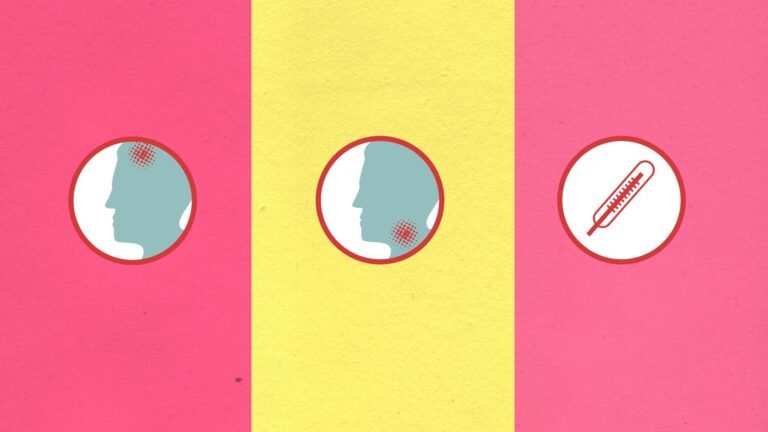
- Fever: A body temperature above the normal range often signals an infection. It is the body’s way of fighting off pathogens. If a fever persists beyond a few days, it’s important to seek medical advice.
- Cough: A common symptom that can indicate anything from a mild cold to a more serious condition like pneumonia. Pay attention to the duration and accompanying symptoms.
- Fatigue: Persistent tiredness can be linked to numerous conditions, from stress and sleep disorders to more serious illnesses such as anemia or thyroid issues.
Understanding Fever
A fever is often the body’s natural response to infection or illness. It can be caused by various conditions, including:
- Viral Infections: Such as the flu or common cold.
- Bacterial Infections: Like strep throat or urinary tract infections.
- Other Factors: Such as heat exhaustion or certain medications.
It’s essential to monitor the fever’s duration and associated symptoms. If fever is accompanied by severe headaches, rash, or difficulty breathing, immediate medical attention is necessary.
Evaluating Cough Symptoms
Coughing can vary in severity and duration, and understanding its context is vital. Coughs can be classified as:
- Acute: Lasting less than three weeks, often due to infections.
- Chronic: Lasting longer than eight weeks, which may indicate underlying health issues like asthma or chronic obstructive pulmonary disease (COPD).
Pay attention to the type of cough (dry vs. productive) and other symptoms like fever or shortness of breath, which can indicate a more serious condition.
Recognizing Red Flags in Symptoms
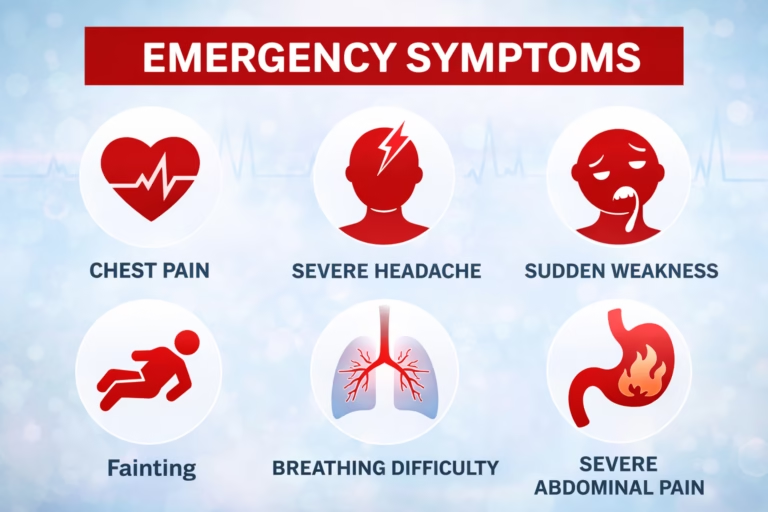
Some symptoms should not be taken lightly and can indicate serious health issues. Knowing these red flags can be life-saving:
- Chest Pain: This can signal a heart attack, especially if accompanied by shortness of breath, sweating, or nausea.
- Sudden Confusion: This could indicate a stroke, particularly if it occurs suddenly and is accompanied by other symptoms like facial drooping or difficulty speaking.
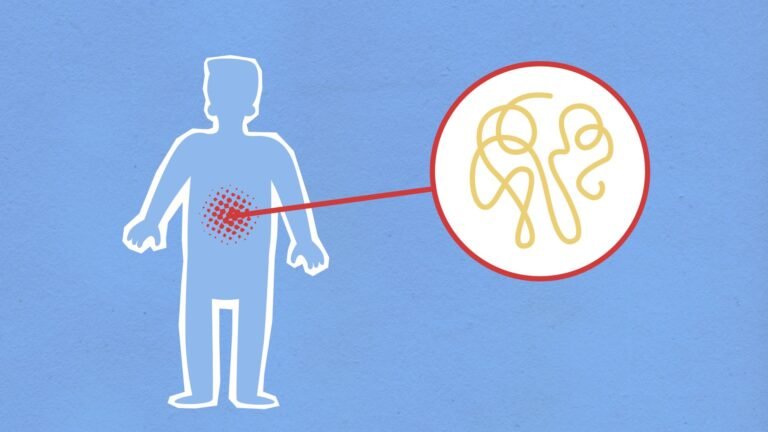
- Severe Abdominal Pain: This may suggest conditions like appendicitis or pancreatitis that require immediate attention.
Being aware of these symptoms can help you act quickly and seek appropriate medical attention.

When to Seek Medical Attention
Knowing when to seek medical attention can greatly affect health outcomes. Here are guidelines to help you decide:
- Immediate Attention: If you experience severe symptoms such as difficulty breathing, chest pain, high fever that doesn’t respond to medications, or severe bleeding, seek emergency help.
- Urgent Care: For symptoms that are concerning but not life-threatening, such as a persistent cough with mucus, consider visiting urgent care or your primary physician.
- Routine Check-Up: For chronic symptoms that persist but are manageable, schedule a regular check-up with your healthcare provider.
For example, if someone experiences a sudden onset of severe headaches accompanied by vision changes, it is vital to seek prompt medical evaluation, as this could indicate a serious condition such as a stroke or an aneurysm.
Symptoms Related to Infections
Infections can manifest through various symptoms, and recognizing them is key to proper treatment. Here are some common infection-related symptoms:
- Fever and Chills: Often accompany infections as the body fights off pathogens.
- Muscle Aches: Common in viral infections like the flu.
- Localized Symptoms: Such as redness, swelling, or discharge, can indicate localized infections like skin or urinary tract infections.
Understanding these symptoms can help in identifying infections early, ensuring timely treatment and preventing complications.
Common Infections and Their Symptoms
Here is a brief overview of some common infections and the symptoms associated with each:
| Infection Type | Common Symptoms |
|---|---|
| Flu | Fever, chills, body aches, cough, fatigue |
| Urinary Tract Infection | Frequent urge to urinate, burning sensation, cloudy urine |
| Strep Throat | Sore throat, fever, red and swollen tonsils |
| Pneumonia | Cough with phlegm, fever, difficulty breathing |

Interpreting Symptoms Related to Kidney Health
Kidney health is often overlooked, but symptoms related to kidney issues can be critical. Here are common indicators:
- Changes in Urination: Increased frequency, especially at night, or the presence of blood can indicate kidney problems.
- Swelling: Unexplained swelling in the legs, ankles, or feet may suggest fluid retention due to kidney dysfunction.
- Fatigue: Chronic fatigue can be a sign of kidney disease as the kidneys fail to filter waste effectively.
For instance, if someone notices they are urinating more frequently and experiencing swelling in their legs, it may indicate a need for kidney function evaluation.
Practical Tips for Monitoring Health Symptoms
Monitoring your health symptoms can empower you to take charge of your well-being. Here are practical tips:
- Keep a Health Journal: Document symptoms, duration, and any related factors such as diet or stress levels.
- Educate Yourself: Learn about common symptoms and their implications to better understand your health.
- Consult Professionals: Don’t hesitate to seek advice from healthcare providers when you notice concerning changes.

Understanding the Psychological Impact of Physical Symptoms
Physical symptoms can often lead to psychological distress, creating a complex interplay between mind and body. Understanding this connection can help individuals navigate their health more effectively.
The Mind-Body Connection
Recent research highlights that psychological states can significantly influence physical health. Stress, anxiety, and depression can manifest as physical symptoms, complicating diagnosis and treatment. It’s crucial to recognize how emotional and mental health can affect physical well-being. For instance, chronic stress can lead to headaches, gastrointestinal issues, and even cardiovascular problems.
- Headaches
- Stomach issues
- Chest pain
- Fatigue
Identifying Psychosomatic Symptoms
Psychosomatic symptoms occur when psychological factors lead to physical ailments. Individuals may suffer from real sensations caused by emotional distress rather than an underlying medical condition. Recognizing these symptoms is essential for appropriate treatment. Common psychosomatic symptoms include:
- Chronic pain without a clear cause
- Gastrointestinal disturbances
- Skin issues like rashes or hives
Addressing the psychological aspects through therapy, relaxation techniques, and lifestyle changes can often alleviate these symptoms.
When to Seek Psychological Support
If physical symptoms persist without a clear medical explanation, it may be beneficial to seek psychological support. Signs that indicate the need for professional help include:
- Symptoms impacting daily life
- Increased anxiety about health
- Feelings of hopelessness or depression
Consulting a mental health professional can provide coping strategies and relief from both psychological and physical symptoms.
Symptoms of Chronic Conditions: Managing Long-term Health Issues
Chronic health conditions often present a unique set of symptoms that require ongoing management. Understanding these symptoms is vital for maintaining quality of life.
Recognizing Symptoms of Chronic Illness
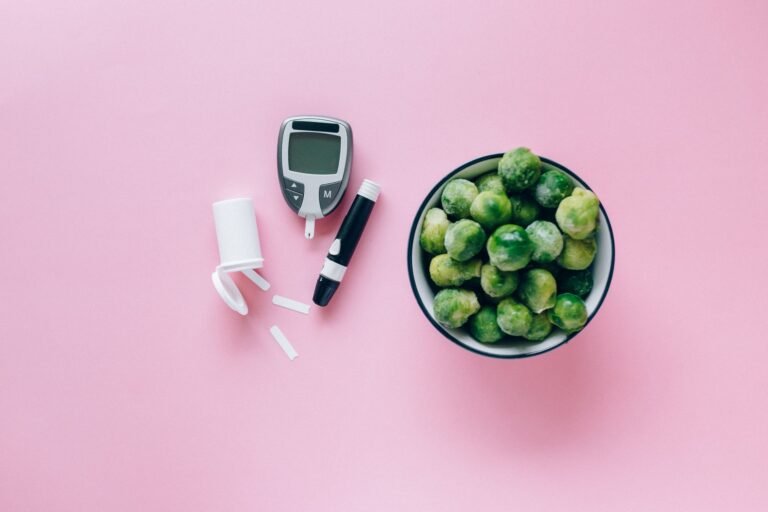
Chronic illnesses, such as diabetes, asthma, and arthritis, can lead to a range of symptoms that may vary in intensity over time. For example, a diabetic patient may experience fluctuations in blood sugar levels, leading to symptoms like fatigue, headaches, and irritability. Similarly, asthma patients might deal with wheezing and shortness of breath, especially during flare-ups.
- Fatigue
- Muscle or joint pain
- Shortness of breath
- Frequent urination
Developing a Symptom Management Plan
A comprehensive management plan is crucial for individuals with chronic conditions. This plan may include medication, lifestyle changes, and regular check-ups. Here are key components to consider when developing a management plan:
- Regular monitoring of symptoms
- Medication adherence
- Dietary adjustments
- Physical activity tailored to the condition
By proactively managing symptoms, individuals can minimize the impact of chronic conditions on their daily lives.
Communicating with Healthcare Providers
Effective communication with healthcare providers is essential for managing chronic conditions. Patients should feel empowered to discuss their symptoms openly, including any changes or concerns. Keeping a symptom diary can be an effective tool for tracking patterns and triggers, enabling more productive discussions during medical appointments.
- Document frequency and intensity of symptoms
- Note any lifestyle changes or triggers
- Prepare questions for healthcare providers ahead of appointments
 Healthcare professionals in scrubs promoting breast cancer awareness with informative posters" width="800" height="533" srcset="https://trueimpacthealth.com/wp-content/uploads/2026/11/healthcare-professionals-in-scrubs-promoting-breast-cancer-awareness-6303776-1024x682.jpg 1024w, https://trueimpacthealth.com/wp-content/uploads/2026/11/healthcare-professionals-in-scrubs-promoting-breast-cancer-awareness-6303776-300x200.jpg 300w, https://trueimpacthealth.com/wp-content/uploads/2026/11/healthcare-professionals-in-scrubs-promoting-breast-cancer-awareness-6303776-768x512.jpg 768w" sizes="(max-width: 800px) 100vw, 800px" />
Understanding the Role of Lifestyle Factors in Symptom Management
Lifestyle factors play a significant role in health and symptom management. Recognizing how diet, exercise, and sleep influence physical symptoms can empower individuals to take control of their health.
The Impact of Nutrition on Health Symptoms
Nutrition greatly affects overall health and can influence the severity of symptoms related to various conditions. For instance, a diet high in processed foods can exacerbate inflammation, leading to symptoms like joint pain and fatigue. Conversely, a well-balanced diet rich in fruits, vegetables, lean proteins, and whole grains can promote better health outcomes.
- Increase intake of omega-3 fatty acids for inflammation
- Stay hydrated to support kidney function
- Limit sugar and refined carbohydrates to manage mood and energy levels
The Importance of Physical Activity
Regular physical activity is essential for maintaining physical and mental health. Exercise can help alleviate symptoms of anxiety and depression, improve cardiovascular health, and enhance overall well-being. Even moderate activities like walking can have profound effects on health. Individuals should aim for at least 150 minutes of moderate aerobic activity per week.
- Choose activities that you enjoy to maintain consistency
- Incorporate strength training exercises at least twice a week
- Consider activities like yoga or tai chi for stress reduction
The Role of Sleep in Health Symptoms
Sleep is crucial for physical and mental health, yet many individuals do not get adequate rest. Poor sleep can exacerbate symptoms of chronic illness, affect mood, and lower immune function. Establishing a consistent sleep routine and creating a comfortable sleep environment can help improve sleep quality.
- Aim for 7-9 hours of sleep each night
- Limit screen time before bed
- Create a relaxing bedtime ritual
By focusing on lifestyle factors, individuals can effectively manage their health symptoms and improve their overall quality of life.
Understanding the Connection Between Symptoms and Nutrition
Common Nutritional Deficiencies and Their Symptoms
Nutritional deficiencies can manifest in various physical symptoms, which may often be overlooked. For example, a lack of vitamin D can lead to fatigue and muscle weakness, while insufficient iron levels may cause fatigue, pallor, and shortness of breath. Recognizing these symptoms is crucial for early intervention.
- Vitamin B12 Deficiency: Symptoms include fatigue, weakness, and neurological issues.
- Magnesium Deficiency: Symptoms can include muscle cramps, mental disorders, and irregular heart rhythms.
- Vitamin C Deficiency: Can lead to gum disease, fatigue, and joint pain.
How Diet Impacts Chronic Symptoms
The food we consume plays a significant role in managing chronic health conditions. For instance, a diet high in refined sugars and unhealthy fats can exacerbate symptoms of conditions like diabetes and heart disease. Conversely, a balanced diet rich in whole foods can help mitigate these effects and improve overall health.
It’s essential to monitor how specific foods affect your symptoms. Keeping a food diary can help identify potential triggers.

The Role of Stress in Symptom Presentation
Physical Symptoms Induced by Stress
Stress is a common factor that exacerbates many health symptoms. Physical manifestations of stress can include headaches, digestive issues, and even chronic pain. Understanding the relationship between stress and physical health is crucial for symptom management.
- Headaches: Tension-type headaches often arise from stress.
- Gastrointestinal Issues: Stress can lead to symptoms like bloating, diarrhea, or constipation.
- Muscle Tension: Chronic stress can cause muscle tightness and pain.
Effective Stress Management Techniques
Incorporating stress-reduction techniques into your daily routine can significantly improve your overall health and reduce symptoms. Techniques such as mindfulness meditation, physical exercise, and deep breathing exercises can help manage stress levels.
Genetics and Their Influence on Health Symptoms
The Role of Family History in Symptomatic Awareness
Family history can play an essential role in understanding health symptoms. Certain conditions may have a genetic predisposition, making it crucial to monitor symptoms closely if they run in your family. For instance, a family history of heart disease may prompt earlier attention to symptoms like chest pain or shortness of breath.
- Heart Disease: Symptoms like chest pain or fatigue may require immediate attention.
- Diabetes: Increased thirst and frequent urination can signal underlying issues.
- Cancer: Unexplained weight loss or persistent cough should be investigated.
Genetic Testing and Its Benefits
Genetic testing can provide valuable insights into health risks based on your family history. Understanding your genetic predisposition can lead to proactive health measures, such as lifestyle changes or early screenings. Consulting with a healthcare professional about the benefits of genetic testing can be a wise step in managing your health effectively.
For more information, see MedlinePlus.
Frequently Asked Questions
What are the most common health symptoms to watch for?
Some common health symptoms include fever, cough, fatigue, and changes in appetite. These can indicate various health conditions, and it’s essential to monitor their duration and severity.
When should I see a doctor for my symptoms?
If symptoms are severe, persistent, or worsening, it’s advisable to consult a healthcare professional. Red flags such as chest pain, difficulty breathing, or sudden confusion require immediate attention.
Can symptoms vary between individuals?
Yes, symptoms can vary based on individual health, age, and underlying conditions. Two people with the same illness might exhibit different symptoms or severities.
How can I differentiate between mild and severe symptoms?
Mild symptoms may be annoying but manageable, while severe symptoms often interfere with daily activities and may indicate serious health issues. Trust your instincts and seek medical advice if in doubt.
The Bottom Line
Understanding health symptoms is essential for proactive health management. By recognizing the signs your body is sending and knowing when to seek medical help, you can take significant steps toward maintaining your health. Stay informed, keep track of your symptoms, and consult with healthcare professionals to ensure you are taking the right actions for your well-being.
Was this page helpful?
Thanks for your feedback! What could we improve?
Thank you! Your feedback helps us improve our articles.
Medically reviewed by
Dr. Daniel HarringtonMedical doctor and clinical researcher focused on preventive medicine, chronic disease and clear, evidence-based health communication.
True Impact Health articles are written by our editorial team and based on reliable sources such as public health agencies, clinical guidelines and peer-reviewed research. This article has been checked by a doctor on our review panel. Read our editorial process.
This content is for general information and is not a substitute for professional medical advice, diagnosis or treatment.