




















Understanding Thyroid Stimulating Hormone Test: A Key to Your Health
Explore the thyroid stimulating hormone test, its importance, interpretation, and how it impacts your health.

Table of Contents
Key Takeaways
- The TSH test measures thyroid function and health.
- Understanding TSH levels helps diagnose thyroid disorders.
- Preparation for the test can affect results.
- Consulting with a healthcare provider is crucial for accurate interpretation.
The thyroid stimulating hormone (TSH) test is a vital diagnostic tool used to evaluate thyroid function and health. The thyroid gland, located in the neck, produces hormones that regulate metabolism, energy production, and overall bodily function. Any imbalance in these hormones can lead to a variety of health issues, making the TSH test an essential component of routine health assessments.
Understanding the TSH test and its implications can empower individuals to take charge of their health. This article will explore what a TSH test entails, how to prepare for it, what the results mean, and the potential health implications associated with abnormal findings.
Whether you suspect a thyroid issue or are simply seeking knowledge about your health, this comprehensive guide will provide you with the essential insights needed to navigate the complexities of thyroid health.
What Is the Thyroid Stimulating Hormone Test?
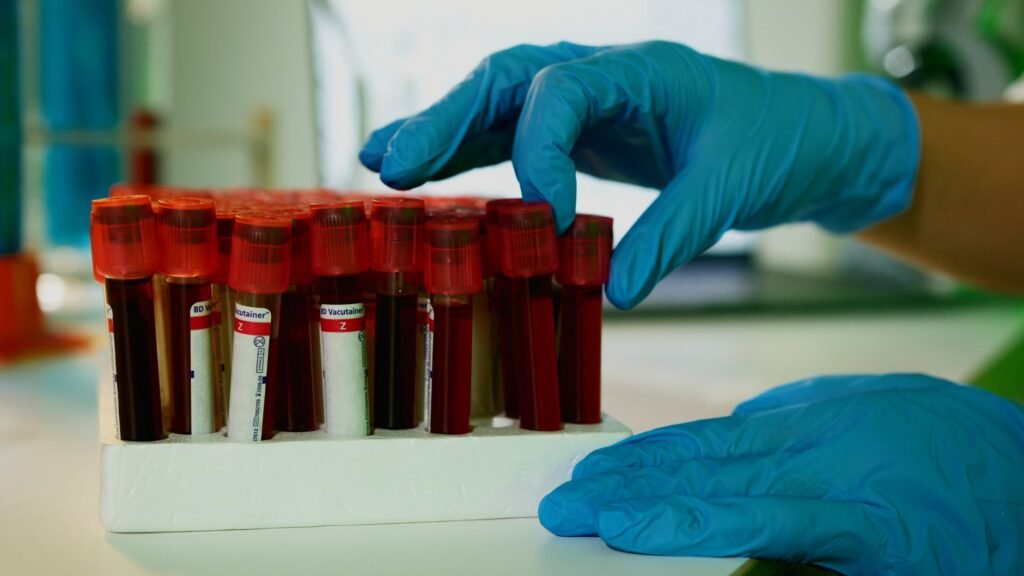
The thyroid stimulating hormone test measures the level of TSH in the bloodstream. TSH is produced by the pituitary gland and regulates the production of thyroid hormones, primarily thyroxine (T4) and triiodothyronine (T3), by the thyroid gland.
This test is often the first step in diagnosing thyroid disorders. It helps determine whether the thyroid is functioning properly, overactive, or underactive. A healthcare provider may order a TSH test if a patient exhibits symptoms of thyroid dysfunction, such as fatigue, weight changes, or mood fluctuations.
Typically, TSH levels follow a feedback loop: high TSH levels indicate low thyroid hormone production, while low TSH levels suggest an overactive thyroid. Thus, the test provides crucial information about thyroid health and function.
Why Is the TSH Test Important?
The TSH test plays a critical role in identifying thyroid dysfunction, which can have significant implications for overall health. Here are several reasons why the TSH test is important:
- Early Detection: Identifying thyroid issues early can prevent more serious health problems down the line, such as heart disease or osteoporosis.
- Guiding Treatment: Accurate TSH measurements can help guide treatment decisions for conditions like hypothyroidism and hyperthyroidism.
- Monitoring Therapy: For individuals already undergoing treatment for thyroid conditions, regular TSH testing helps monitor the effectiveness of therapy and adjust medication dosages as needed.
- Understanding Symptoms: Many symptoms, such as fatigue and weight gain, may be attributed to other conditions. A TSH test can clarify whether these symptoms are related to thyroid dysfunction.
Preparing for the TSH Test
Preparation for a TSH test is generally straightforward, but there are several considerations to keep in mind to ensure accurate results:
- Medications: Some medications can affect TSH levels. It is crucial to inform your healthcare provider about any medications or supplements you are taking, including over-the-counter drugs.
- Timing: TSH levels can fluctuate throughout the day, so your healthcare provider may recommend taking the test at a specific time, often in the morning.
- Fasting: While fasting is not usually necessary for a TSH test, your provider may have specific instructions based on your individual health needs.
By following these guidelines and discussing any concerns with your healthcare provider, you can help ensure that your TSH test results are as accurate as possible.
Understanding TSH Test Results
TSH test results are measured in milli-international units per liter (mIU/L). Normal levels typically range from 0.4 to 4.0 mIU/L, but this range can vary slightly depending on the laboratory and individual factors.
Here’s a breakdown of what different TSH levels may indicate:
- Low TSH Levels: A TSH level below 0.4 mIU/L may indicate hyperthyroidism, a condition where the thyroid is overactive. Symptoms can include weight loss, increased heart rate, and anxiety.
- Normal TSH Levels: A TSH level within the normal range suggests that the thyroid is functioning properly. However, further testing may be necessary if symptoms persist.
- High TSH Levels: A TSH level above 4.0 mIU/L may indicate hypothyroidism, where the thyroid is underactive. Symptoms can include fatigue, weight gain, and depression.
It’s essential to remember that TSH results should be interpreted in conjunction with clinical symptoms and other thyroid hormone tests, such as T3 and T4 levels, for a comprehensive understanding of thyroid health.
Common Thyroid Disorders Diagnosed by TSH Test
The TSH test is instrumental in diagnosing various thyroid disorders. Here are some common conditions associated with abnormal TSH levels:
- Hypothyroidism: An underactive thyroid, resulting in insufficient hormone production. Symptoms may include fatigue, weight gain, and depression.
- Hyperthyroidism: An overactive thyroid, leading to excessive hormone production. Symptoms can include weight loss, rapid heartbeat, and anxiety.
- Hashimoto’s Thyroiditis: An autoimmune condition that causes chronic inflammation of the thyroid, often leading to hypothyroidism.
- Graves’ Disease: Another autoimmune disorder that results in hyperthyroidism, characterized by symptoms like anxiety and tremors.
Understanding these disorders can help individuals recognize symptoms early and seek appropriate medical attention.

Real-Life Example: The Journey of Diagnosis
Consider the case of Maria, a 45-year-old woman who has been experiencing unexplained fatigue and weight gain. After discussing her symptoms with her healthcare provider, she was advised to undergo a TSH test. The results showed elevated TSH levels, indicating potential hypothyroidism.
Maria’s healthcare provider recommended further testing, including T3 and T4 hormone levels, to confirm the diagnosis. Once diagnosed, Maria began treatment with hormone replacement therapy. Regular monitoring of her TSH levels helped ensure her treatment was effective, allowing her to regain her energy and improve her quality of life.
This example illustrates the importance of the TSH test in diagnosing thyroid disorders and the positive impact it can have on an individual’s health journey.
Potential Risks and Limitations
While the TSH test is generally safe, there are some considerations to keep in mind:
- False Results: Factors such as medications, illness, or lab errors can lead to inaccurate TSH results. It’s essential to discuss any concerns with your healthcare provider.
- Limited Scope: The TSH test alone may not provide a complete picture of thyroid health. Additional tests, such as T3 and T4 hormone tests, may be necessary for a comprehensive evaluation.
- Symptom Overlap: Symptoms of thyroid disorders can overlap with other conditions, making it crucial to consider all aspects of a patient’s health history.
Awareness of these limitations can help individuals engage in informed discussions with their healthcare providers about their thyroid health.
Understanding the Relationship Between TSH and Other Thyroid Hormones
Thyroid Hormones Overview
Thyroid hormones, primarily thyroxine (T4) and triiodothyronine (T3), play a crucial role in regulating metabolism, energy levels, and overall health. The thyroid gland produces T4, which is then converted into T3, the more active form of the hormone. TSH, produced by the pituitary gland, stimulates the thyroid to produce these hormones. Understanding the balance between TSH, T4, and T3 is essential for diagnosing thyroid disorders.
When TSH levels are abnormal, it can indicate an underlying issue with the thyroid gland. For instance, high TSH levels may suggest hypothyroidism, where the thyroid is underactive and not producing enough hormones. Conversely, low TSH levels may indicate hyperthyroidism, where the thyroid is overactive. Regular monitoring of these hormones can provide insights into the functioning of the thyroid gland and guide treatment decisions.
The Interplay Between TSH and Other Hormones
TSH does not operate in isolation. Its levels can be influenced by various factors, including other hormones and physiological conditions. For example, cortisol, the stress hormone, can negatively impact thyroid function. Elevated cortisol levels may inhibit TSH secretion and disrupt the conversion of T4 to T3, leading to imbalances.
- Insulin: High insulin levels can affect thyroid hormone production.
- Estrogen: Fluctuations in estrogen levels, particularly during pregnancy or with hormone replacement therapy, can influence TSH levels.
- Leptin: This hormone, which regulates energy balance, has been linked to thyroid function.
Understanding these interactions can help healthcare providers assess a patient’s overall hormonal balance and make informed treatment decisions that consider all aspects of hormonal health.
Impact of Lifestyle Factors on TSH Levels
Lifestyle choices can significantly impact TSH levels and overall thyroid health. Factors such as diet, exercise, sleep quality, and stress management play a vital role in maintaining normal TSH levels. For instance, a diet rich in iodine is essential for thyroid health, as iodine is a critical component of thyroid hormones.
- Diet: Foods high in iodine include seaweed, fish, dairy products, and iodized salt.
- Exercise: Regular physical activity can help regulate hormone levels, including TSH.
- Sleep: Quality sleep is crucial for hormone regulation; inadequate sleep can lead to elevated TSH levels.
- Stress Reduction: Practices such as mindfulness and yoga can help lower cortisol levels, positively affecting TSH.
Being mindful of these lifestyle factors can empower individuals to take charge of their thyroid health and potentially prevent thyroid disorders.
Understanding the TSH Test in Special Populations
Pregnant Women and TSH Testing
The thyroid gland plays a significant role during pregnancy, as it is crucial for fetal development. Pregnant women experience changes in TSH levels due to the increased demand for thyroid hormones. It is essential to monitor TSH levels during pregnancy to ensure both maternal and fetal health. The American Thyroid Association recommends TSH screening for all pregnant women, especially those with a history of thyroid disorders.
In pregnancy, the normal range for TSH may differ from the general population. Healthcare providers may use adjusted reference ranges to account for these changes, emphasizing the importance of tailored monitoring during this critical period.
Thyroid Health in the Elderly
Older adults often experience changes in thyroid hormone levels, which can affect overall health. The prevalence of thyroid disorders increases with age, making TSH testing particularly important in this demographic. Hypothyroidism can present subtly in elderly patients, sometimes mimicking other conditions such as depression or cognitive decline.
Routine screening for thyroid function in older adults can help identify issues early, allowing for timely intervention. It’s essential to consider that the normal TSH range may vary for older individuals, necessitating a nuanced approach to diagnosis and treatment.
Thyroid Health in Children and Adolescents
Thyroid health is critical in children and teenagers, as thyroid hormones are vital for growth and development. Congenital hypothyroidism, a condition present at birth, is one of the most common preventable causes of intellectual disability. Newborn screening for TSH levels is standard practice in many countries to detect this condition early.
In adolescents, thyroid dysfunction can affect growth, maturation, and overall well-being. Conditions such as autoimmune thyroiditis can lead to both hypothyroidism and hyperthyroidism in this age group, impacting their quality of life. Monitoring TSH levels during routine check-ups can help identify thyroid issues that might otherwise go unnoticed.
Innovations in TSH Testing and Monitoring
Emerging Technologies in Thyroid Testing
Recent advancements in technology have led to the development of more sensitive and specific tests for thyroid function, including TSH testing. Point-of-care testing devices now allow patients to check their TSH levels in real-time, providing immediate feedback and enabling better management of thyroid health. These technologies can improve accessibility to testing, especially for those in remote areas or with limited access to healthcare facilities.
Telemedicine and Thyroid Health
The rise of telemedicine has transformed how patients engage with healthcare providers regarding their thyroid health. Patients can now consult with specialists remotely, receive guidance on interpreting TSH results, and discuss treatment options from the comfort of their homes. This can be particularly beneficial for those with mobility issues or those living in underserved communities.
Telemedicine can also facilitate ongoing monitoring of thyroid health, allowing for more frequent check-ins and adjustments to treatment plans as needed. Patients can share their TSH results with healthcare providers easily, enhancing communication and patient engagement.
Future Directions in Thyroid Research
Ongoing research continues to explore the complex relationship between TSH and thyroid health. Future studies aim to understand the genetic and environmental factors influencing TSH levels and how they relate to various health outcomes. Additionally, researchers are investigating the potential for personalized medicine approaches in managing thyroid disorders based on individual TSH response patterns.
As our understanding of the thyroid system evolves, new treatment modalities and management strategies are likely to emerge, offering hope for improved outcomes for those affected by thyroid disorders.
For more information, see NIH.
Frequently Asked Questions
What does a high TSH level mean?
A high TSH level usually indicates hypothyroidism, meaning the thyroid is not producing enough hormones. Symptoms may include fatigue, weight gain, and depression.
How often should I get a TSH test?
The frequency of TSH testing depends on individual health status and any existing thyroid conditions. Generally, it may be recommended annually for those with diagnosed thyroid disorders.
Can I eat or drink before the TSH test?
Fasting is not typically required for a TSH test, but you should follow any specific instructions provided by your healthcare provider.
What should I do if my TSH levels are abnormal?
If your TSH levels are abnormal, discuss with your healthcare provider about the next steps, which may include further testing or treatment options.
The Bottom Line
The thyroid stimulating hormone test is a crucial tool for assessing thyroid health and diagnosing disorders. Understanding how to prepare for the test, what the results mean, and the potential implications of abnormal findings can empower individuals to take charge of their health. Regular monitoring and open communication with healthcare providers can lead to effective management of thyroid conditions and improved overall well-being.
Was this page helpful?
Thanks for your feedback! What could we improve?
Thank you! Your feedback helps us improve our articles.
True Impact Health articles are written by our editorial team and based on reliable sources such as public health agencies, clinical guidelines and peer-reviewed research. This article has not yet been medically reviewed. Read our editorial process.
This content is for general information and is not a substitute for professional medical advice, diagnosis or treatment.