Irregular Periods: Understanding Causes and Solutions
Explore the causes, symptoms, and management of irregular periods for better menstrual health and well-being.
By True Impact Health Editorial Team

Physician with experience in patient care and preventive medicine, focused on early detection, disease prevention and long-term wellness.
Reviewed this article on November 11, 2026.
View profile How we reviewUpdated on November 11, 2026 12 min read
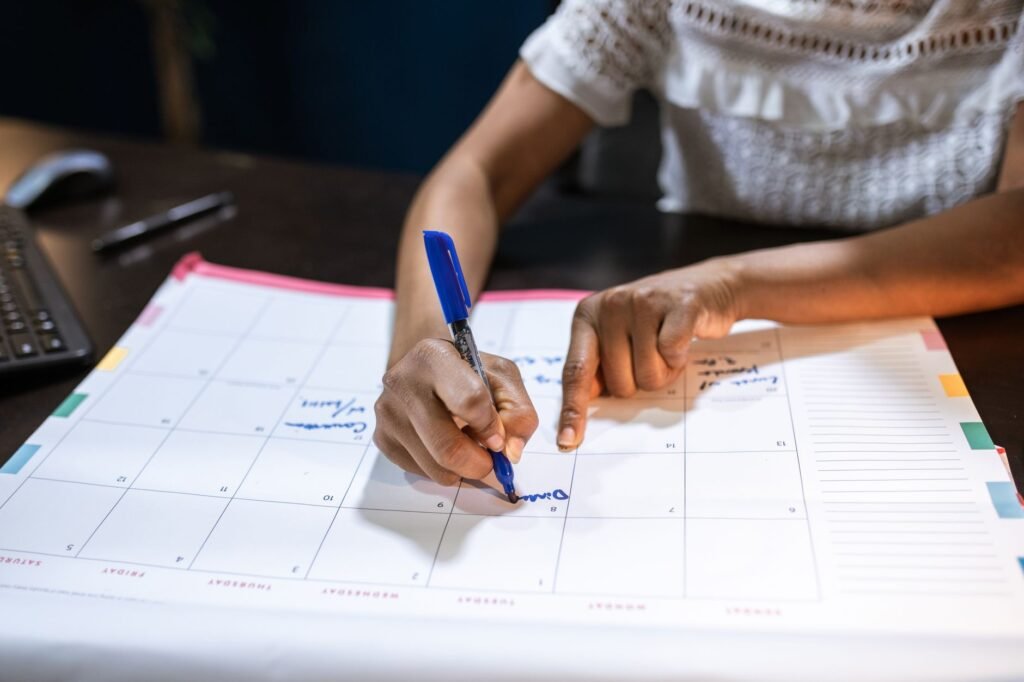
Table of Contents
Key Takeaways
- Irregular periods can have multiple causes.
- Common symptoms include missed cycles and heavy bleeding.
- Lifestyle changes may help regulate menstrual cycles.
- Consult a healthcare provider for persistent irregularities.
Understanding Irregular Periods
Irregular periods are a common concern among women, impacting emotional and physical well-being. A menstrual cycle is typically between 21 to 35 days but can vary widely from one individual to another. When periods vary significantly in frequency, duration, or intensity, they are classified as irregular.
Many factors contribute to irregular periods, ranging from hormonal imbalances to lifestyle factors. Understanding these influences is crucial for effective management. For instance, stress can disrupt the normal hormonal signals that regulate the menstrual cycle, leading to missed or delayed periods.
In this guide, we will explore the causes, symptoms, and potential solutions for irregular periods, providing practical advice for those seeking to understand and manage their menstrual health effectively.
Common Causes of Irregular Periods
Several factors can lead to irregular menstrual cycles. Here are some common causes:
- Hormonal Imbalances: Hormones play a significant role in regulating the menstrual cycle. Conditions like polycystic ovary syndrome (PCOS) and thyroid disorders can disrupt hormonal balance, leading to irregular periods.
- Stress: Emotional or physical stress can interfere with the hypothalamus, the part of the brain that controls hormone production. High-stress levels can lead to missed periods or unusually heavy bleeding.
- Weight Changes: Significant weight loss or gain can impact hormone levels. For example, athletes or individuals with eating disorders may experience irregularities due to low body fat or nutritional deficiencies.
Each of these factors interacts uniquely with an individual’s body, resulting in different experiences of irregularity. For example, a young athlete may find her periods becoming sporadic due to intense training schedules and changes in body fat percentage.
Symptoms of Irregular Periods
Recognizing the symptoms of irregular periods is essential for identifying underlying issues. Symptoms may include:
- Missed Periods: Periods that do not occur for more than 35 days are often considered irregular. This may mean skipping a cycle entirely or having very light bleeding.
- Heavy Bleeding: Some women may experience heavy menstrual bleeding, known as menorrhagia, which can be a sign of an underlying health issue.
- Changes in Cycle Length: A significant change in the length of your menstrual cycle, whether it becomes shorter or longer, can indicate irregularities.
Tracking menstrual cycles using a calendar or an app can help identify these symptoms effectively. For instance, a woman may notice her cycles, which were once regular, are now lasting anywhere between 20 to 50 days, prompting her to seek professional advice.
Lifestyle Factors Affecting Menstrual Regularity
Your daily habits and lifestyle choices can significantly influence the regularity of your menstrual cycle. Consider the following factors:
- Diet: A well-balanced diet rich in vitamins and minerals supports hormonal health. Nutritional deficiencies can lead to irregular periods. Incorporating fruits, vegetables, lean proteins, and whole grains can promote menstrual regularity.
- Exercise: While regular exercise is beneficial, excessive physical activity can disrupt the menstrual cycle. Finding a balance between staying active and allowing the body to rest is crucial.
- Sleep: Sleep patterns directly affect hormonal balance. Insufficient sleep can lead to elevated stress hormones, which may disrupt the menstrual cycle.
For instance, a woman who works long hours and neglects her sleep may experience irregular periods. Prioritizing sleep hygiene can help restore her cycle to a more regular pattern.
Medical Conditions Linked to Irregular Periods
Several medical conditions can lead to irregular periods. Understanding these conditions is vital:
- Polycystic Ovary Syndrome (PCOS): PCOS is a hormonal disorder characterized by irregular menstrual cycles, excess hair growth, and obesity. Treatment often includes lifestyle changes and medications to regulate periods.
- Thyroid Disorders: Both hyperthyroidism and hypothyroidism can impact menstrual cycles. An underactive or overactive thyroid may lead to missed periods or heavy bleeding.
- Uterine Conditions: Fibroids or polyps in the uterus can cause heavy bleeding and irregular periods. In some cases, surgical intervention may be necessary.
Awareness of these conditions can prompt timely medical consultation. For example, a woman experiencing chronic irregularities might find that tests for PCOS or thyroid function are essential for proper diagnosis and treatment.
When to Seek Medical Advice
While irregular periods can be common, certain situations warrant professional evaluation. Consider consulting a healthcare provider if:
- Your periods have become irregular suddenly, especially after a period of regularity.
- You experience severe pain during your periods, which could indicate an underlying condition.
- You have concerns about fertility, as irregular periods may impact ovulation.
Seeking medical advice can provide clarity and potential treatment options. For instance, a healthcare provider may recommend blood tests or imaging studies to assess hormonal levels and uterine health.
Potential Treatments for Irregular Periods
Addressing irregular periods often requires a multifaceted approach. Here are common treatments:
- Hormonal Contraceptives: Birth control pills can help regulate menstrual cycles by providing consistent hormone levels.
- Lifestyle Modifications: Incorporating a balanced diet and regular exercise is essential for maintaining hormonal balance.
- Medications: Depending on the underlying cause, medications such as metformin for PCOS or thyroid medications may be prescribed.
For example, a young woman diagnosed with PCOS might be advised to adopt a healthier lifestyle and consider hormonal contraceptives to regulate her periods.

Impact of Nutrition on Menstrual Cycle Regularity
Nutrition plays a crucial role in hormonal balance and overall reproductive health. An inadequate diet can lead to irregular periods, as the body requires specific nutrients to function optimally. Knowing how different food groups and dietary practices affect menstrual regularity can empower individuals to make informed choices.
Essential Nutrients for Regular Cycles
Several vitamins and minerals are vital for maintaining regular menstrual cycles. It’s essential to incorporate foods rich in these nutrients into your diet:
- Iron: Crucial for preventing anemia, which can lead to irregular periods. Sources include spinach, lentils, and red meat.
- Vitamin D: Supports hormone regulation. Fatty fish, fortified dairy products, and sunlight are great sources.
- Omega-3 Fatty Acids: Found in fish and flaxseeds, these can help reduce inflammation and promote hormonal balance.
- B Vitamins: Especially B6 and B12, which are important for energy metabolism and hormone regulation. Sources include whole grains, eggs, and legumes.
Impact of Dietary Patterns
Certain dietary patterns can significantly influence menstrual health. Here are a few to consider:
- High Sugar Intake: Diets high in refined sugars can lead to insulin resistance, which may disrupt hormonal balance and lead to irregular cycles.
- Plant-Based Diets: Many women report improved menstrual regularity after adopting a plant-based diet, which is typically rich in fiber and low in saturated fats.
- Caloric Restriction: Severe caloric restriction can lead to hormonal imbalances and amenorrhea, where periods stop altogether.
Hydration and Its Role
Staying well-hydrated is essential for overall health and can also impact menstrual regularity. Dehydration can lead to symptoms like bloating and cramps, which may exacerbate the perception of irregular periods. Consider the following:
- Daily Water Intake: Aim for at least 2 liters of water a day, depending on activity level and climate.
- Hydrating Foods: Incorporate foods with high water content such as cucumbers, oranges, and watermelon into your diet.
- Limit Caffeine and Alcohol: Both can lead to dehydration and may also disrupt hormonal balance.
The Role of Stress Management in Regulating Periods
Chronic stress can significantly impact menstrual cycles by affecting hormone levels. Understanding the connection between stress and irregular periods can help individuals take proactive steps to manage stress effectively.
How Stress Affects Hormonal Balance
When the body is under stress, it produces cortisol, a hormone that can interfere with the production of sex hormones such as estrogen and progesterone. This hormonal disruption can lead to irregular periods. Here are some ways stress can manifest in menstrual health:
- Delayed Ovulation: Stress can delay ovulation, leading to irregular cycle lengths.
- Increased Pain: Stress may heighten the perception of pain during menstruation, making it seem as though periods are more irregular or painful.
- Changes in Flow: Some may experience heavier or lighter periods due to hormonal imbalances caused by stress.
Effective Stress Management Techniques
Incorporating stress management techniques into daily routines can help regulate menstrual cycles. Consider these methods:
- Mindfulness and Meditation: Practicing mindfulness can reduce anxiety and improve emotional regulation.
- Physical Activity: Regular exercise can help lower cortisol levels and enhance overall well-being.
- Quality Sleep: Ensuring adequate sleep is crucial for hormone regulation and stress recovery.
Seeking Professional Support
For some, managing stress may require professional assistance. Consulting with a qualified therapist or counselor can provide individuals with tailored strategies to cope with stress and its impact on menstrual health. Here are some options:
- Cognitive Behavioral Therapy (CBT): Can help change negative thought patterns related to stress.
- Support Groups: Connecting with others facing similar challenges can provide emotional support and practical advice.
- Holistic Therapies: Practices like acupuncture or yoga may also help reduce stress and promote hormonal balance.

Understanding the Connection Between Sleep and Menstrual Health
Quality sleep is fundamental to overall health and can have a notable impact on menstrual regularity. Disrupted sleep patterns can lead to hormonal imbalances that may affect the menstrual cycle.
Effects of Sleep Deprivation on Hormones
Sleep deprivation can influence the hypothalamus, a part of the brain that plays a crucial role in hormone regulation. The consequences can include:
- Altered Leptin and Ghrelin Levels: These hormones control hunger and can affect weight, which in turn can influence menstrual cycles.
- Impaired Estrogen Production: Lack of sleep can lead to decreased estrogen levels, potentially causing irregularities.
- Increased Cortisol: Elevated cortisol levels from poor sleep can interfere with ovulation and menstrual timing.
Tips for Improving Sleep Quality
Enhancing sleep quality can significantly impact menstrual health. Consider implementing these strategies:
- Establish a Sleep Routine: Going to bed and waking up at the same time each day can help regulate your body’s internal clock.
- Create a Relaxing Environment: Ensure your bedroom is conducive to sleep with comfortable bedding, dim lighting, and a cool temperature.
- Limit Screen Time: Reducing exposure to screens at least an hour before bed can help improve sleep quality.
When to Seek Help for Sleep Issues
If sleep problems persist, it may be beneficial to consult a healthcare professional. Persistent insomnia or disrupted sleep can be indicative of underlying health issues that may also affect menstrual health. Options include:
- Sleep Studies: These can help diagnose sleep disorders like sleep apnea.
- Cognitive Behavioral Therapy for Insomnia (CBT-I): A structured program that helps address the thoughts and behaviors that contribute to sleep difficulties.
- Medication: In some cases, healthcare providers may prescribe medication to assist with sleep, but this should be approached carefully.
Holistic Approaches to Managing Irregular Periods
Herbal Remedies
Many women explore herbal remedies to help regulate their menstrual cycles. Herbs like chaste tree berry (Vitex), black cohosh, and dong quai have been traditionally used for menstrual support. These herbs may help balance hormones and improve cycle regularity.
- Chaste Tree Berry: Believed to influence hormone levels and reduce PMS symptoms.
- Black Cohosh: Often used for menopausal symptoms, it may also help with cycle regularity.
- Dong Quai: A traditional Chinese medicine herb thought to improve blood flow and balance hormones.
Acupuncture and Traditional Chinese Medicine
Acupuncture has gained popularity as a complementary therapy for menstrual irregularities. Practitioners believe that acupuncture can help regulate hormonal balance by targeting specific points that correspond to reproductive health. Traditional Chinese Medicine (TCM) views menstrual irregularities as a result of imbalances in the body’s energy, or ‘Qi’.
- Improved Circulation: May enhance blood flow to the reproductive organs.
- Hormonal Regulation: Can help balance estrogen and progesterone levels.
- Stress Reduction: Acupuncture sessions often promote relaxation, which can also help regulate cycles.
Impact of Environmental Factors on Menstrual Health
Endocrine Disruptors
Environmental toxins, often referred to as endocrine disruptors, can significantly impact menstrual health. These substances can interfere with the body’s hormonal balance, leading to irregular periods. Common sources include pesticides, industrial chemicals, and plasticizers found in many household products.
- Common Endocrine Disruptors:
- Bisphenol A (BPA)
- Phthalates
- Heavy metals like lead and mercury
- Reducing Exposure: Opt for organic foods, use glass or stainless steel containers, and avoid products with synthetic fragrances.
Climate Change and Menstrual Health
Emerging research suggests that climate change may also affect menstrual health. Factors such as heat stress and extreme weather events can impact overall health and hormonal balance. Women in areas experiencing significant climate changes may notice fluctuations in their menstrual cycles.
- Strategies to Mitigate Effects:
- Stay hydrated and maintain a balanced diet.
- Adapt exercise routines to avoid overheating.
- Monitor menstrual health and seek advice when noticing irregularities.
Psychological Factors Influencing Menstrual Regularity
The Role of Mental Health
Mental health issues, including anxiety and depression, can have a profound impact on menstrual cycles. Stress and emotional well-being play crucial roles in hormonal regulation. Women experiencing mental health challenges may notice changes in their cycle patterns.
- Common Psychological Factors:
- Chronic stress
- Anxiety disorders
- Depressive episodes
- Addressing Mental Health: Seeking therapy, practicing mindfulness, and engaging in regular physical activity can help improve both mental health and menstrual regularity.
Social Support Systems
A strong social support system is essential for overall well-being. Friends, family, and community can play instrumental roles in managing stress and promoting emotional health. Studies indicate that women who actively engage with supportive networks are more likely to experience regular menstrual cycles.
- Building Support Networks:
- Join support groups or community classes.
- Engage in open discussions about menstrual health with trusted individuals.
- Utilize online platforms for shared experiences and advice.
For more information, see Cleveland Clinic.
Frequently Asked Questions
What are the most common causes of irregular periods?
Hormonal imbalances, stress, weight fluctuations, and certain medical conditions like PCOS are among the most common causes of irregular periods.
How can I regulate my irregular periods naturally?
Maintaining a balanced diet, managing stress, ensuring adequate sleep, and regular exercise can help in regulating menstrual cycles naturally.
Are irregular periods a sign of pregnancy?
Irregular periods can indicate pregnancy, but they can also result from various other factors. A pregnancy test is recommended if there is a possibility of pregnancy.
When should I see a doctor about irregular periods?
You should consult a healthcare provider if you experience sudden changes in your cycle, severe pain during periods, or have concerns about fertility.
The Bottom Line
Irregular periods can signify a range of underlying issues, from hormonal imbalances to lifestyle factors. Understanding the causes and symptoms is essential for effective management. If you experience significant changes in your menstrual cycle, consulting a healthcare professional can provide guidance and treatment options tailored to your needs. Remember, taking charge of your menstrual health is a vital step toward overall well-being.
Was this page helpful?
Thanks for your feedback! What could we improve?
Thank you! Your feedback helps us improve our articles.
Medically reviewed by
Dr. Bernard ReynoldsPhysician with experience in patient care and preventive medicine, focused on early detection, disease prevention and long-term wellness.
True Impact Health articles are written by our editorial team and based on reliable sources such as public health agencies, clinical guidelines and peer-reviewed research. This article has been checked by a doctor on our review panel. Read our editorial process.
This content is for general information and is not a substitute for professional medical advice, diagnosis or treatment.