








Muscle cramps
Learn what muscle cramps are, why they happen, how to relieve them fast, and proven ways to prevent them from disrupting your daily life.

Table of Contents
Key Takeaways
- Muscle cramps are sudden, involuntary contractions that can affect any muscle.
- Common triggers include dehydration, electrolyte imbalance, and overuse.
- Gentle stretching, massage, and heat can provide quick relief.
- Staying hydrated, balanced nutrition, and regular conditioning help prevent future cramps.
Muscle cramps are a common complaint that can strike at any time, whether you are exercising, sleeping, or simply going about your day. They feel like a sudden, painful knot in a muscle that refuses to let go, and they often leave you wondering what caused the spasm and how to stop it. This guide explains everything you need to know about muscle cramps, from the science behind them to practical steps you can take right now for relief.
Understanding muscle cramps helps you respond with confidence instead of panic. By learning the typical triggers, recognizing the warning signs, and adopting simple habits, you can reduce the frequency and severity of cramps. The information below is based on reputable sources such as the CDC and Mayo Clinic, and it is meant for general education only. Always consult a qualified health professional for personalized advice.
What Are Muscle Cramps?
Definition
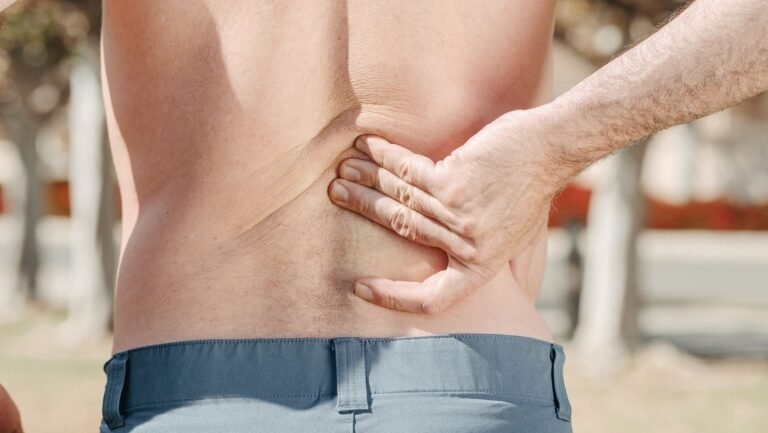
A muscle cramp is an involuntary, forceful contraction of a skeletal muscle that does not relax as it normally would. The contraction can last from a few seconds to several minutes, and it is usually painful. The muscle feels hard to the touch, and the skin over the area may appear reddened.
Common Types
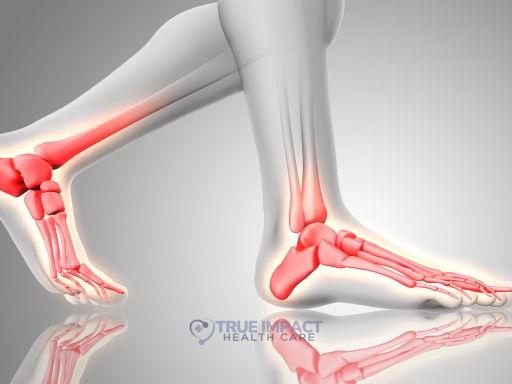
Most people experience cramps in the legs, particularly the calf, foot, and thigh, but they can also affect the arms, abdomen, and even the hand. Nighttime leg cramps are a distinct type that often wake people from sleep, while exercise‑associated cramps happen during or after physical activity.
Why Do Muscle Cramps Happen?
Causes
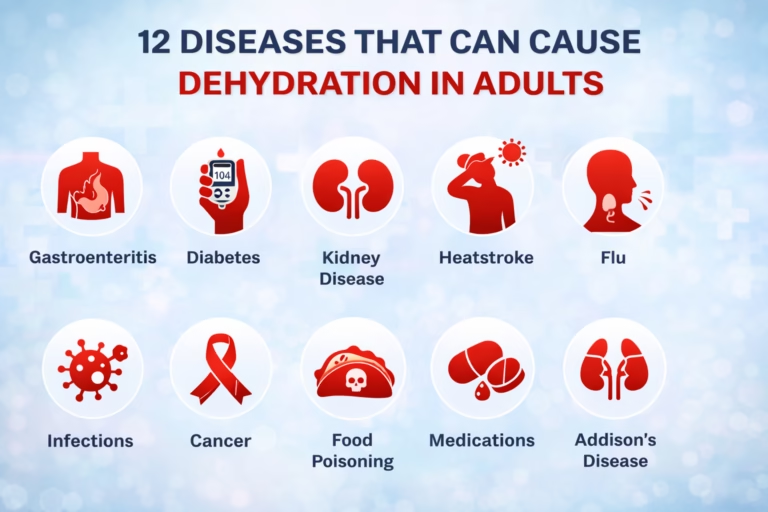
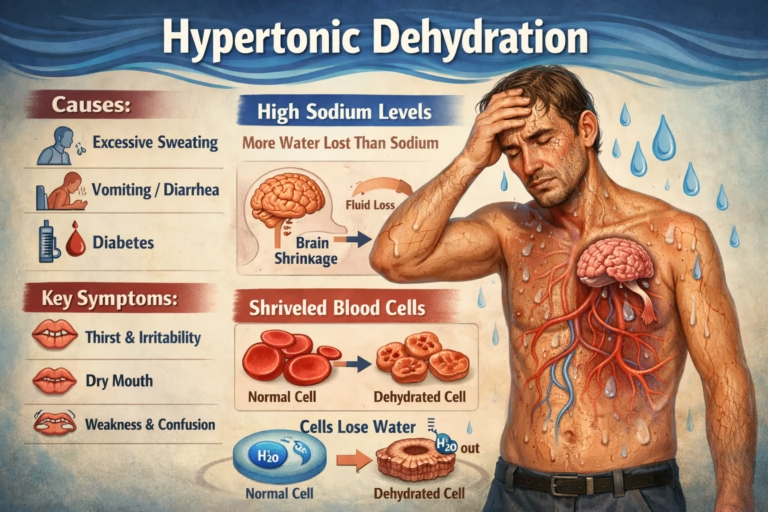
The exact mechanism is still under study, but several factors are known to increase the likelihood of a cramp. A sudden overload of a muscle, such as sprinting up a hill, can trigger a spasm. Dehydration reduces the fluid that helps muscles contract smoothly, while low levels of electrolytes, especially potassium, calcium, and magnesium, disrupt the electrical signals that control muscle movement.
Other contributors include poor circulation, nerve compression, and certain medications that affect fluid balance. In older adults, age‑related muscle loss (sarcopenia) can make muscles more prone to involuntary tightening.
Risk Factors
- Intense or prolonged exercise without adequate warm‑up.
- Insufficient fluid intake, especially in hot weather.
- Low dietary intake of key electrolytes.
- Pregnancy, due to hormonal changes and increased pressure on blood vessels.
- Medical conditions such as diabetes, thyroid disease, or peripheral artery disease.

How to Recognize a Muscle Cramp
Symptoms
A cramp typically begins with a sudden, sharp pain that may be described as a “knot” or “tightening.” The affected muscle becomes visibly hard and may twitch. The pain usually eases once the muscle relaxes, but the lingering soreness can persist for minutes to hours.
When to Seek Help
Most cramps resolve on their own or with simple home measures. However, you should consider professional evaluation if the cramp:
- Lasts longer than 30 minutes despite self‑care.
- Is accompanied by swelling, redness, or warmth that suggests infection.
- Occurs after a fall or injury that could indicate a fracture or torn muscle.
- Is recurrent and interferes with daily activities or sleep.
In such cases, a trusted health resource can guide you to appropriate care.
Immediate Relief Strategies
When a cramp strikes, these steps can help the muscle relax quickly:
- Stretch gently: Slowly straighten the cramped muscle and hold the stretch for 15‑30 seconds. For a calf cramp, pull your toes toward you while keeping the leg straight.
- Massage the area: Use firm but gentle pressure to rub the muscle in the direction of the fibers.
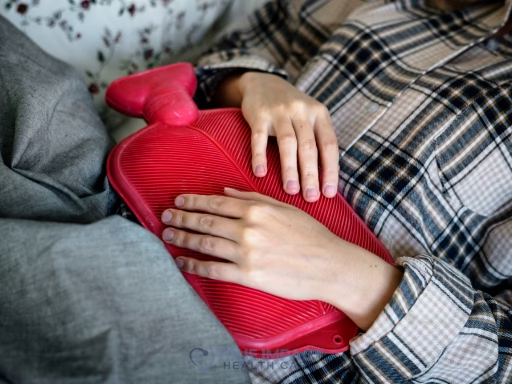
- Apply heat: A warm towel or heating pad can increase blood flow and ease tension.
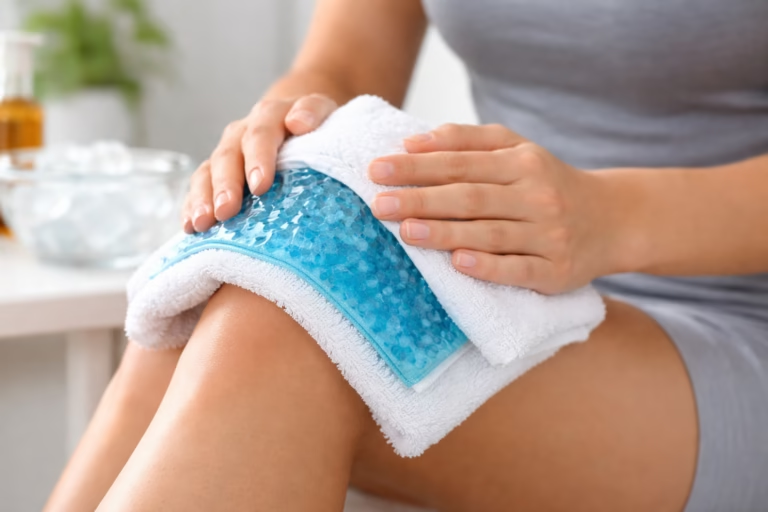
- Use cold: If the muscle feels sore after the cramp, a cold pack can reduce inflammation.
- Hydrate: Sip water or an electrolyte‑rich drink, especially if you suspect dehydration.
Prevention and Long‑Term Management
Preventing cramps often involves a combination of lifestyle habits, nutrition, and targeted exercises. Below is a practical plan you can adapt.
Lifestyle Changes
- Warm up before any vigorous activity. A five‑minute walk or light dynamic stretches prepares muscles for work.
- Cool down after exercise with static stretches to maintain flexibility.
- Maintain a regular sleep schedule; poor sleep can increase muscle fatigue.
- Avoid prolonged static positions, such as sitting with legs crossed for hours.
Nutrition and Hydration
Electrolytes are minerals that help conduct electrical signals in the body. Include foods rich in potassium (bananas, sweet potatoes), calcium (dairy, leafy greens), and magnesium (nuts, seeds) in your daily meals.
Drink water throughout the day, not just during exercise. If you sweat heavily, consider a sports drink that contains electrolytes, but be mindful of added sugars.

Common Triggers and Suggested Remedies
| Trigger | Suggested Remedy |
|---|---|
| Dehydration | Drink 500 ml of water plus an electrolyte solution. |
| Low potassium | Eat a banana or a small baked potato. |
| Intense exercise | Include a 10‑minute cool‑down stretch. |
| Cold temperatures | Warm the muscle with a heating pad before activity. |
When to See a Healthcare Professional
If you notice any of the warning signs listed earlier, or if cramps become a daily problem despite self‑care, it is time to talk to a doctor. They may order blood tests to check electrolyte levels, assess medication side effects, or evaluate nerve function.
Persistent cramps can sometimes signal an underlying condition such as peripheral artery disease or a metabolic disorder. Early diagnosis allows for targeted treatment, which may include prescription medications, physical therapy, or adjustments to existing therapies.
Nutritional Strategies for Cramp Prevention
Magnesium-Rich Foods
Magnesium supports muscle relaxation by modulating calcium channels in muscle fibers. Including foods such as pumpkin seeds, almonds, spinach, and black beans can help maintain adequate magnesium stores. A diet that supplies 300-400 mg of magnesium per day is generally sufficient for most adults. Consistency is more important than occasional large doses, because the body regulates magnesium absorption based on long‑term intake.
Potassium and Calcium Sources
Potassium and calcium work together to balance electrical activity in nerves and muscles. Bananas, sweet potatoes, oranges, and low‑fat dairy products are reliable sources of these minerals. When meals combine a potassium‑rich fruit with a calcium‑containing dairy item, the synergistic effect can reduce the frequency of involuntary contractions. Aim for at least 2,600 mg of potassium and 1,000 mg of calcium daily, unless a medical condition dictates otherwise.
Balanced Meal Timing
Spreading nutrient intake throughout the day prevents large swings in blood electrolyte levels. Eating a small snack that contains protein and complex carbohydrates before prolonged activity supplies both energy and electrolytes. For example, a handful of trail mix with dried fruit and nuts can provide magnesium, potassium, and calcium in a portable form. Regular meals also help avoid the dehydration that often follows prolonged fasting.
- Breakfast: oatmeal topped with sliced banana and a sprinkle of chia seeds
- Mid‑morning snack: yogurt with pumpkin seeds
- Lunch: quinoa salad with spinach, chickpeas, and orange segments
- Afternoon snack: apple slices with almond butter
- Dinner: grilled salmon, sweet‑potato wedges, and steamed broccoli
Optimizing Hydration and Electrolyte Balance
How Much Water Is Needed
Fluid requirements vary with body size, activity level, climate, and sweat rate. A common guideline is to drink roughly 30 ml of water per kilogram of body weight each day, adjusting upward during hot weather or intense exercise. Monitoring urine color, aiming for a pale straw hue, offers a practical cue that hydration is adequate. Drinking small amounts regularly is more effective than consuming a large volume all at once.
Electrolyte Replacement Options
When sweat loss exceeds 1 liter per hour, plain water alone may dilute serum electrolytes and provoke cramps. In such situations, adding an electrolyte source can restore balance. Options include commercially formulated sports drinks, electrolyte powders mixed with water, or homemade solutions using a pinch of salt, a squeeze of citrus, and a teaspoon of honey for taste. Choose products that contain sodium, potassium, magnesium, and calcium in physiologic ratios.
- Sports drink (≈ 200 mg sodium, 30 mg potassium per 240 ml)
- Electrolyte powder (customizable dosage)
- Homemade mix: ¼ tsp salt, ¼ tsp potassium chloride, ¼ tsp magnesium citrate per liter
Signs of Over‑hydration
Excessive fluid intake without electrolyte replacement can lead to hyponatremia, which may manifest as headache, nausea, or confusion. Muscle weakness and occasional twitching are also possible early signs. If any of these symptoms appear during or after prolonged activity, reduce plain water consumption and increase sodium intake modestly. Medical evaluation is advised if symptoms persist or worsen.
Medical Conditions and Medications That Influence Cramping
Neuromuscular Disorders
Diseases that affect nerve‑muscle communication, such as peripheral neuropathy, multiple sclerosis, or amyotrophic lateral sclerosis, often present with frequent cramps. These conditions alter the threshold at which motor neurons fire, making spontaneous contractions more likely. Management focuses on disease‑specific therapy, physical therapy, and targeted stretching routines. Referral to a neurologist is appropriate when cramps are severe or progressive.
Metabolic and Vascular Issues
Diabetes, thyroid disorders, and peripheral arterial disease can impair blood flow and nutrient delivery to muscles. Poor perfusion reduces oxygen and electrolyte supply, increasing susceptibility to cramps during activity. Optimizing glycemic control, treating hypothyroidism, and encouraging regular walking can mitigate these effects. Vascular assessment may be warranted if cramps are accompanied by skin changes or leg pain at rest.
Medication‑Induced Cramps
Several prescription and over‑the‑counter drugs are known to lower serum potassium or interfere with calcium signaling. Common culprits include diuretics, statins, and certain asthma inhalers. Adjusting the dosage, switching to an alternative agent, or adding a supplemental electrolyte can reduce cramp frequency. Patients should discuss any new or worsening cramps with their prescribing clinician before making changes.
- Diuretics – monitor potassium levels regularly
- Statins – consider a trial of a lower dose or a different lipid‑lowering medication
- Beta‑agonist inhalers – ensure proper inhalation technique to minimize systemic absorption
Frequently Asked Questions
Are muscle cramps a sign of a serious disease?
Most cramps are harmless and related to lifestyle factors. However, frequent, severe cramps that do not improve with basic measures could indicate an underlying medical issue. Consulting a health professional helps rule out serious causes.
Can I take vitamins to stop cramps?
Vitamins and minerals such as magnesium, calcium, and potassium can support muscle function, but they should be taken only if a deficiency is confirmed. Over‑supplementation can cause other problems, so discuss any supplement plan with a clinician.
Why do I get night‑time leg cramps?
Night‑time cramps often occur when muscles are inactive for long periods, leading to reduced blood flow. Stretching before bed, keeping the bedroom cool, and staying hydrated can reduce their occurrence.
Do certain medications cause cramps?
Yes, some diuretics, statins, and blood pressure medicines can affect fluid and electrolyte balance, making cramps more likely. If you suspect a medication is the cause, never stop it abruptly; talk to your prescriber about alternatives.
The Bottom Line
Muscle cramps are sudden, painful contractions that most people experience at some point. They are usually triggered by dehydration, electrolyte imbalances, or muscle overuse. Quick relief comes from gentle stretching, massage, and hydration, while long‑term prevention focuses on proper warm‑up, balanced nutrition, and staying hydrated. If cramps are frequent, severe, or accompanied by other concerning symptoms, seek medical advice to rule out underlying conditions.
Was this page helpful?
Thanks for your feedback! What could we improve?
Thank you! Your feedback helps us improve our articles.
True Impact Health articles are written by our editorial team and based on reliable sources such as public health agencies, clinical guidelines and peer-reviewed research. This article has not yet been medically reviewed. Read our editorial process.
This content is for general information and is not a substitute for professional medical advice, diagnosis or treatment.