








Herniated disc
Learn what a herniated disc is, its symptoms, diagnosis, treatment options and how to manage daily life with this common spine condition.
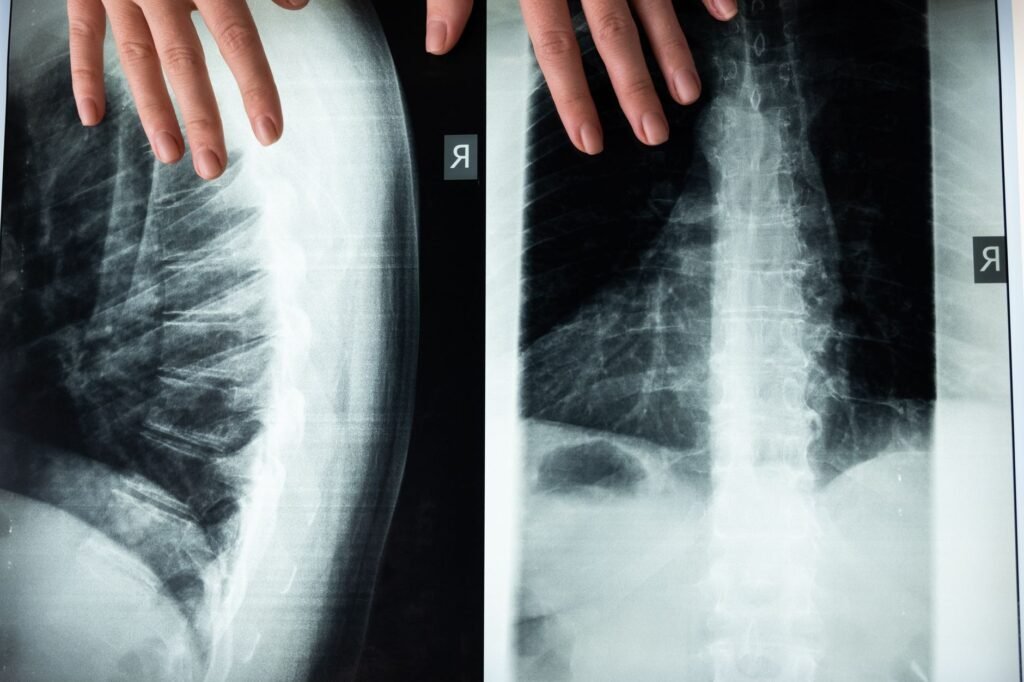
Table of Contents
Key Takeaways
- A herniated disc occurs when the soft interior of a spinal disc pushes through its tougher outer layer.
- Symptoms often include back pain, leg pain, numbness or tingling.
- Most cases improve with conservative care; surgery is reserved for persistent or severe cases.
- Staying active, using proper posture and following a healthy lifestyle can reduce risk.
When you hear the term herniated disc, you might picture a sudden injury or a dramatic medical emergency. In reality, a herniated disc is a common spinal condition that develops gradually and can often be managed without surgery. Understanding what it is, why it happens, and how to treat it can empower you to make informed decisions about your health.
Most people experience some form of back discomfort at some point, but a herniated disc is distinct because the soft inner material of a disc pushes through a tear in the outer layer, potentially pressing on nearby nerves. This article explains the condition in plain language, outlines how doctors diagnose it, reviews treatment options, and offers practical tips for living well with a herniated disc.
What Is a Herniated Disc?
Spinal Anatomy Basics
The spine is made up of a series of bones called vertebrae that protect the spinal cord. Between each vertebra sits an intervertebral disc, which acts like a cushion. Each disc has a tough outer ring called the annulus fibrosus and a soft, jelly‑like center called the nucleus pulposus.
The annulus fibrosus holds the nucleus pulposus in place and allows the disc to absorb shock and permit movement. Over time, wear and tear, injury, or sudden strain can cause a small tear in the annulus. When this happens, the nucleus may bulge or leak out, which is what we call a herniated disc.
Common Causes
Age‑related degeneration is the most frequent cause. As we get older, the discs lose water content and become less flexible, making them more prone to tearing. Repetitive motions, heavy lifting, sudden twisting, or a fall can also trigger a herniation, especially if the disc is already weakened.
Other risk factors include obesity, smoking, and occupations that involve prolonged sitting or repetitive bending. Genetics may play a role, but lifestyle choices often have a larger impact on disc health.
Typical Symptoms
Symptoms depend on the location of the disc and which nerves are affected. The most common signs are:
- Localized back or neck pain that may worsen with movement.
- Radiating pain down the arm (cervical disc) or leg (lumbar disc), often described as a sharp or burning sensation.
- Numbness, tingling, or weakness in the affected limb.
- Difficulty walking or standing for long periods.
Not everyone with a herniated disc experiences pain; some people discover the condition incidentally during imaging for another issue.
How Is a Herniated Disc Diagnosed?
Physical Examination
A doctor will begin with a detailed history, asking about the onset of pain, activities that worsen or relieve it, and any numbness or weakness. A physical exam follows, where the clinician checks posture, range of motion, and reflexes. Specific maneuvers, such as the straight‑leg raise test, can help pinpoint nerve involvement.
Imaging Tests
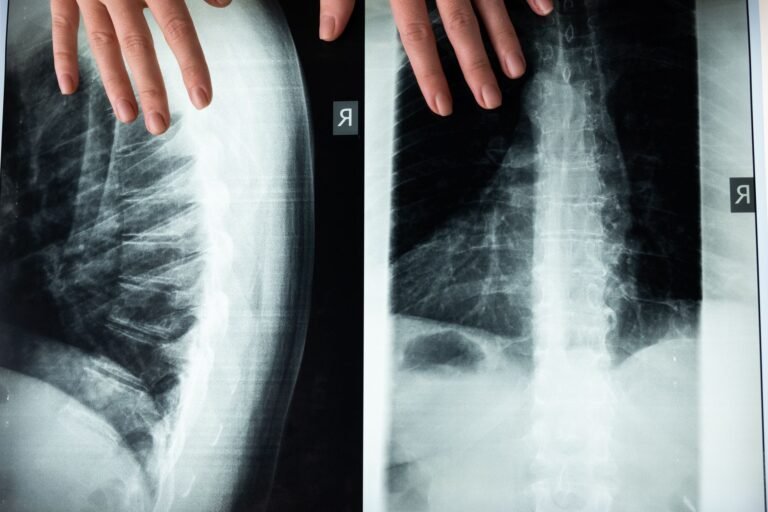
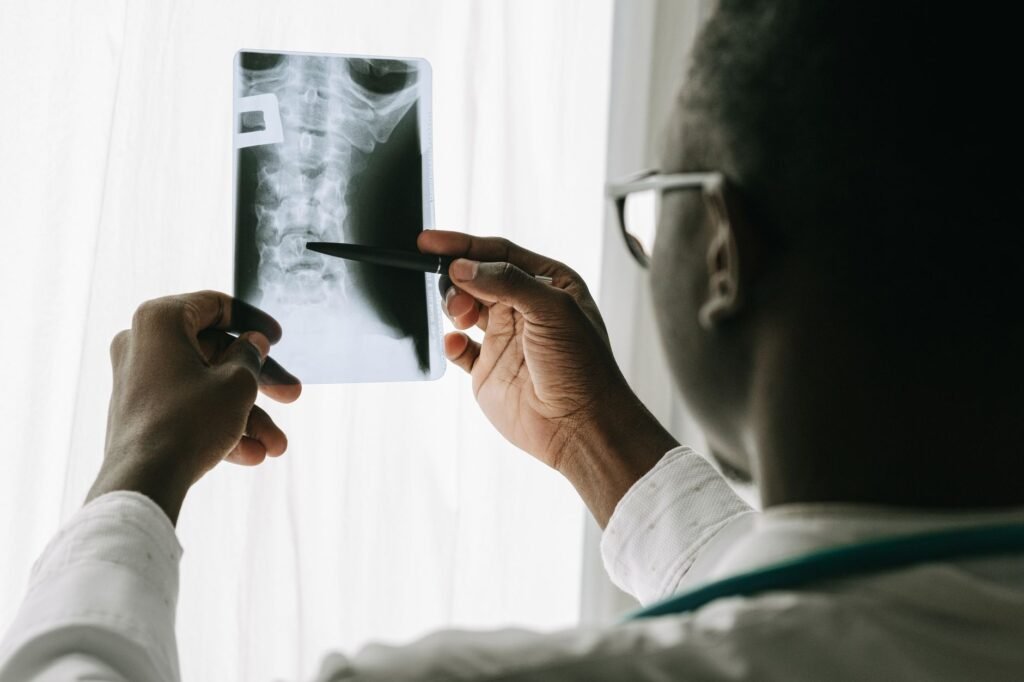
Imaging confirms the diagnosis and rules out other causes. Common tools include:
- MRI (Magnetic Resonance Imaging): The gold standard for visualizing soft tissues, including discs and nerves.
- CT Scan: Useful when MRI is unavailable; often combined with a myelogram for better nerve detail.
- X‑ray: Shows bone alignment but not disc material; helpful to exclude fractures.
In most cases, an MRI will clearly show a disc protrusion and any nerve compression.
When to Seek Medical Help
If you experience sudden, severe leg weakness, loss of bladder or bowel control, or pain that does not improve after a few weeks of home care, contact a healthcare professional promptly. These signs may indicate a more serious nerve compression that requires urgent attention.
For general back pain, many people start with self‑care measures, but a professional evaluation ensures that a herniated disc is not missed.
Treatment Options
Conservative (Non‑Surgical) Care
Most herniated discs improve with non‑invasive treatments. The first line of care usually includes:
- Rest for a short period (usually 1‑2 days) followed by gentle activity.
- Physical therapy focusing on core strengthening, flexibility, and posture correction.
- Heat or cold therapy to reduce inflammation and muscle spasm.
These measures aim to reduce pressure on the nerve and promote natural healing.
Medications
Over‑the‑counter pain relievers such as acetaminophen or non‑steroidal anti‑inflammatory drugs (NSAIDs) can help control mild to moderate pain. In some cases, a doctor may prescribe muscle relaxants or short courses of oral steroids to reduce swelling.
It is important to follow dosing instructions and discuss any existing medical conditions with your provider before starting new medications.
Injections
When pain persists, epidural steroid injections may be considered. A small amount of corticosteroid medication is delivered near the affected nerve root, often providing relief for several weeks to months.
Injections are performed by a qualified specialist and are usually combined with physical therapy for best results.
Surgical Options
Surgery is reserved for cases where symptoms do not improve after 6‑12 weeks of conservative care, or when there is significant weakness, loss of function, or progressive neurological deficit.
Common procedures include:
- Microdiscectomy: A minimally invasive removal of the protruding disc material.
- Laminectomy: Removal of a small portion of bone to relieve pressure on the nerve.
- Spinal Fusion: In rare cases, two vertebrae may be fused to stabilize the spine.
Recovery times vary, but many patients return to normal activities within weeks after a microdiscectomy.
| Approach | Typical Recovery Time | Key Benefits | Potential Risks |
|---|---|---|---|
| Conservative Care | Weeks to months | Non‑invasive, low cost | May require longer time for pain relief |
| Epidural Steroid Injection | Days to weeks | Rapid symptom reduction | Temporary relief, possible infection |
| Microdiscectomy | 2‑4 weeks | High success rate, fast relief | Surgical complications, scar tissue |
Choosing the Right Path
The decision between continued conservative care and surgery should be made together with a spine specialist. Factors such as age, overall health, activity level, and personal goals all play a role.
Most patients find that a combination of physical therapy, proper ergonomics, and occasional medication provides sufficient relief.
When surgery is recommended, discuss the surgeon’s experience, the specific technique, and the expected recovery plan.

Lifestyle Changes and Self‑Care
Even after a diagnosis, everyday habits can dramatically affect outcomes. Here are practical steps you can adopt:
- Maintain a healthy weight: Extra pounds increase stress on the lumbar spine.
- Practice good posture: Use lumbar support when sitting and keep screens at eye level.
- Stay active: Regular low‑impact aerobic activity improves circulation and disc nutrition.
- Strengthen core muscles: A strong core stabilizes the spine and reduces disc pressure.
- Use proper lifting techniques: Bend at the knees, keep the load close to your body, and avoid twisting.
Incorporating these habits reduces the likelihood of flare‑ups and supports long‑term spinal health.
Prevention Strategies
While not all herniated discs can be prevented, many risk factors are modifiable. Consider the following preventive measures:
- Engage in regular exercise that includes stretching and strengthening of the back and abdomen.
- Take frequent breaks from prolonged sitting; stand, walk, and stretch every 30 minutes.
- Ensure your workstation is ergonomically set up – chair height, monitor level, and keyboard position matter.
- Quit smoking; nicotine reduces blood flow to spinal tissues.
- Maintain adequate hydration; discs rely on fluid to stay supple.
Adopting these strategies can lower the chance of disc degeneration and future herniation.

Living With a Herniated Disc
Adjusting to life with a herniated disc may involve temporary limitations, but many people continue to work, exercise, and enjoy hobbies. Here are some tips for daily living:
- Plan activities with rest periods built in; avoid long periods of sitting or standing without movement.
- Use supportive footwear; shoes with good arch support reduce stress on the lower back.
- Consider using a lumbar roll or pillow while driving or sitting for extended periods.
- Stay in touch with your healthcare team; regular check‑ins help track progress and adjust treatment.
- Listen to your body – if a movement causes sharp pain, modify or stop it.
For more detailed information, you can visit the MedlinePlus website, which offers reliable resources on spinal health.
Frequently Asked Questions
Can a herniated disc heal on its own?
Yes, many discs improve with time and conservative treatment. The body can reabsorb some of the leaked nucleus material, reducing pressure on the nerve.
Is surgery always required for a herniated disc?
No. Surgery is considered only when symptoms persist despite several weeks of non‑surgical care, or when there is significant weakness or loss of bladder/bowel control.
What activities should I avoid?
Heavy lifting, repetitive twisting, and prolonged sitting without breaks can aggravate symptoms. High‑impact sports may also increase risk during a flare‑up.
How long will I be in pain?
Pain duration varies. Some people feel relief within a few weeks, while others may experience intermittent discomfort for months. Consistent physical therapy often shortens recovery.
The Bottom Line
A herniated disc is a common, often manageable condition that can cause back or leg pain, numbness, and weakness. Early diagnosis, a combination of physical therapy, appropriate medication, and lifestyle adjustments can lead to significant improvement for most people. Surgery remains an option for those with persistent or severe symptoms. By staying active, maintaining good posture, and seeking professional guidance, you can reduce pain, improve function, and protect your spine for the future.
Was this page helpful?
Thanks for your feedback! What could we improve?
Thank you! Your feedback helps us improve our articles.
True Impact Health articles are written by our editorial team and based on reliable sources such as public health agencies, clinical guidelines and peer-reviewed research. This article has not yet been medically reviewed. Read our editorial process.
This content is for general information and is not a substitute for professional medical advice, diagnosis or treatment.