












Probiotics vs prebiotics
Discover the differences between probiotics and prebiotics, how they support gut health, food sources, safety tips, and practical guidance for everyday use.

Table of Contents
Key Takeaways
- Probiotics are live microbes that add beneficial bacteria to your gut.
- Prebiotics are nondigestible fibers that feed existing gut bacteria.
- Both work together in a symbiotic relationship to promote digestive health.
- Choose foods and supplements wisely and consult a health professional when needed.
When you type Probiotics vs prebiotics into a search engine, you probably want a clear, practical answer that tells you what each term means, how they affect your body, and which foods or supplements might be right for you. This guide breaks down the science in plain language, compares the two concepts, and offers everyday tips for supporting a healthy gut.
Gut health has become a hot topic in recent years, but the basics remain simple: a balanced gut microbiome, the community of trillions of microbes living in your intestines, is essential for digestion, immunity, and even mood. Probiotics and prebiotics are two tools that can help you nurture that balance. Below we explore each one, how they differ, and how you can incorporate them safely into your routine.
What Are Probiotics?
Probiotics are live microorganisms, most often bacteria or yeasts, that provide a health benefit when consumed in adequate amounts. The most common probiotic strains belong to the genera Lactobacillus and Bifidobacterium, though other groups such as Saccharomyces boulardii (a beneficial yeast) are also used.
These microbes are similar to the friendly bacteria that naturally reside in your gut. By adding more of them through food or supplements, you can help restore balance after disruptions such as antibiotics, illness, or a diet low in fiber.
Health authorities such as the CDC define probiotics as “live microorganisms that, when administered in adequate amounts, confer a health benefit on the host.” The key points are that the organisms must be alive when consumed and must be present in sufficient numbers, usually measured in billions of colony‑forming units (CFU).
What Are Prebiotics?
Prebiotics are not live organisms. Instead, they are types of dietary fiber that your body cannot digest, but the beneficial bacteria in your colon can ferment them. This fermentation process produces short‑chain fatty acids that nourish the gut lining and support immune function.
Common prebiotic fibers include inulin, fructooligosaccharides (FOS), and galactooligosaccharides (GOS). These substances are found naturally in foods such as chicory root, onions, garlic, bananas, and whole grains.
Think of prebiotics as fertilizer for your garden of gut microbes. By providing a food source, you help the existing beneficial bacteria thrive, which can amplify the effects of any probiotic strains you also consume.
How Do Probiotics Work?
When you ingest probiotic bacteria, they travel through the stomach’s acidic environment and reach the intestines, where they can temporarily colonize. Their actions include:
- Competing with harmful microbes for nutrients and attachment sites, reducing the chance of infection.
- Modulating the immune system by interacting with gut‑associated lymphoid tissue, which can lower inflammation.
- Producing beneficial compounds such as vitamins (e.g., B‑vitamins) and short‑chain fatty acids.
Research published by reputable institutions shows that certain probiotic strains can reduce the duration of common gastrointestinal infections, alleviate symptoms of irritable bowel syndrome, and even support mental well‑being through the gut‑brain axis.
How Do Prebiotics Work?
Prebiotic fibers reach the colon largely unchanged because human enzymes cannot break them down. Once there, resident bacteria ferment them, leading to:
- Growth of beneficial bacteria such as Bifidobacterium and Lactobacillus species.
- Production of short‑chain fatty acids (acetate, propionate, butyrate) that nourish colon cells and help regulate blood sugar.
- Lowering colon pH, which creates an unfavorable environment for pathogenic bacteria.
These effects contribute to improved digestion, better mineral absorption, and a stronger immune barrier.
Probiotics vs Prebiotics: Key Differences
Although they both aim to support gut health, probiotics and prebiotics differ in several fundamental ways. The table below summarizes the most important distinctions.
| Aspect | Probiotics | Prebiotics |
|---|---|---|
| What they are | Live microorganisms | Non‑digestible fibers |
| Primary function | Add beneficial microbes | Feed existing microbes |
| Typical sources | Yogurt, kefir, fermented veg, supplements | Onion, garlic, banana, whole grains |
| How they act | Colonize temporarily, compete with pathogens | Fermented by microbes, produce SCFAs |
| Storage | Often need refrigeration or protection from heat | Stable at room temperature |
Because they work together, many experts recommend a combined approach, often called a synbiotic, that includes both probiotics and prebiotics.
Food Sources of Probiotics
Whole‑food sources are a convenient way to add live cultures to your diet. Below is a list of common probiotic foods, along with tips for choosing the best options.
- Yogurt: Look for “live and active cultures” on the label. Greek yogurt offers higher protein, while regular yogurt may contain more calcium.
- Kefir: A fermented milk drink with a broader range of strains than most yogurts. It’s also suitable for people who are lactose‑intolerant because the fermentation reduces lactose content.
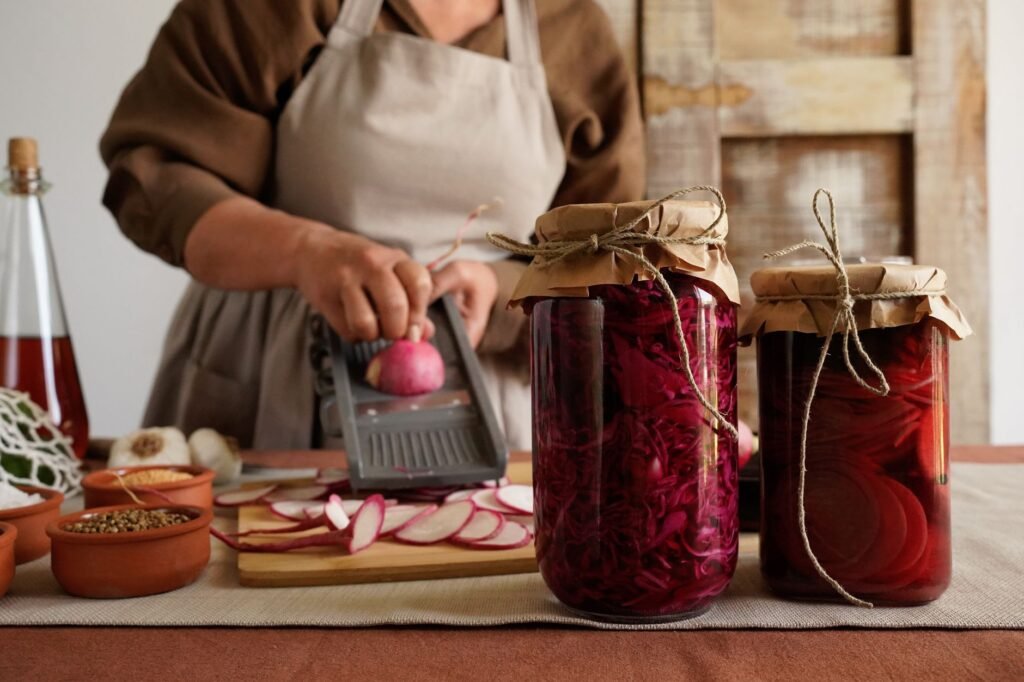
- Fermented vegetables: Sauerkraut, kimchi, and pickles (not the vinegar‑brined type) provide lactic‑acid bacteria. Choose varieties that are refrigerated and unpasteurized.
- Tempeh: A fermented soy product that offers both probiotics and plant protein.
- Miso: A Japanese seasoning made from fermented soybeans, barley, or rice. Use in soups or sauces, but avoid boiling for long periods, which can kill the bacteria.
When buying packaged probiotic foods, check the expiration date and storage instructions to ensure the cultures are still viable.
Food Sources of Prebiotics
Prebiotic fibers are abundant in many everyday foods. Incorporating a variety of these foods can help maintain a diverse and resilient gut microbiome.
- Chicory root: One of the richest sources of inulin. Often used as a coffee substitute.
- Garlic and onions: Contain fructooligosaccharides that feed beneficial bacteria.
- Bananas (especially slightly green): Provide resistant starch, a type of prebiotic fiber.
- Whole grains: Oats, barley, and wheat contain beta‑glucan and resistant starch.
- Legumes: Lentils, chickpeas, and beans are high in both fiber and resistant starch.
For most adults, aiming for 25-30 grams of total fiber per day, including prebiotic fibers, supports gut health and overall well‑being.
Choosing Supplements Wisely
Supplements can be helpful when dietary intake is insufficient or when a specific health condition calls for a higher dose. Here are practical steps to evaluate probiotic and prebiotic products:
- Check the label for strain specificity: Look for the genus, species, and strain (e.g., Lactobacillus rhamnosus GG). Different strains have different evidence‑based benefits.
- Verify the CFU count: A typical daily dose ranges from 1 billion to 10 billion CFU for general health. Higher counts may be recommended for specific conditions, but always follow professional guidance.
- Look for stability information: Some probiotics need refrigeration; others are shelf‑stable. Ensure you store them as directed.
- Consider a synbiotic: Products that combine live cultures with prebiotic fibers can enhance survival of the bacteria through the digestive tract.
Remember that supplements are not a replacement for a balanced diet. They should complement, not substitute, whole‑food sources.
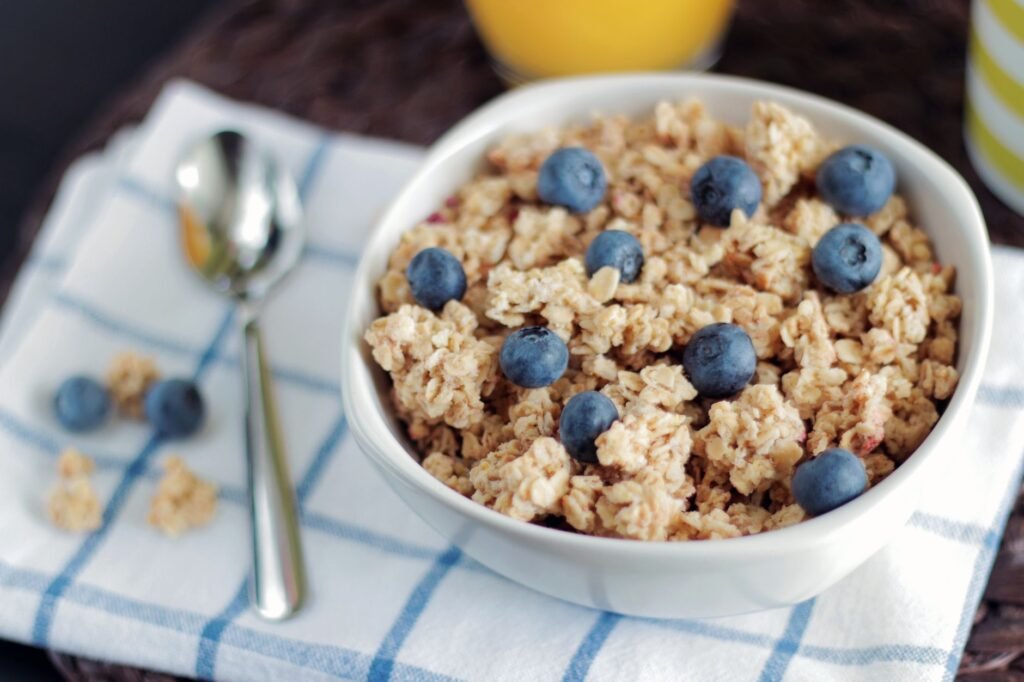
Start your day with a bowl of oatmeal topped with sliced banana and a spoonful of kefir for a simple probiotic‑prebiotic boost.
Safety and Side Effects
For most healthy individuals, probiotic and prebiotic foods are safe. However, there are a few considerations:
- Digestive upset: Some people experience mild gas or bloating when they first increase fiber intake. Gradually adding prebiotic foods can reduce this effect.
- Immunocompromised individuals: Rare cases of infection have been reported in people with severely weakened immune systems. Consult a healthcare professional before starting supplements.
- Allergies: Dairy‑based probiotics may not be suitable for those with milk allergies. Choose non‑dairy fermented foods or supplements.
Always discuss any new supplement regimen with a qualified health professional, especially if you are pregnant, nursing, or taking prescription medications.
Probiotics, Prebiotics, and the Gut‑Brain Axis
Neurotransmitter Production
Both live microbes and fermentable fibers influence the synthesis of key neurotransmitters such as serotonin, gamma‑aminobutyric acid (GABA), and dopamine. Certain Lactobacillus and Bifidobacterium strains possess the enzymatic machinery to convert dietary tryptophan into serotonin precursors, while short‑chain fatty acids generated from prebiotic fermentation can stimulate enterochromaffin cells to release serotonin into the gut lumen. These molecules travel via the vagus nerve and the bloodstream, affecting mood and cognition.
Stress‑Related Symptoms
Clinical trials have shown that regular consumption of probiotic‑rich yogurt or a daily prebiotic supplement can reduce perceived stress scores and improve sleep quality. The mechanisms involve dampening the hypothalamic‑pituitary‑adrenal (HPA) axis response and lowering circulating cortisol levels. Consistency is essential; benefits typically emerge after four to eight weeks of sustained intake.
Practical Tips for Supporting Mental Health
- Include a fermented food (e.g., kefir, kimchi) at least three times per week.
- Add a prebiotic fiber source such as chicory root, garlic, or oats to daily meals.
- Combine both strategies in a single meal, for example, yogurt topped with banana and a sprinkle of inulin powder.

Immune System Interactions
Barrier Function
The intestinal epithelium acts as a physical and immunological barrier. Probiotic strains reinforce tight junction proteins, while prebiotic fermentation produces butyrate, a short‑chain fatty acid that fuels colonocytes and promotes mucosal integrity. Together they reduce translocation of pathogens and endotoxins into the bloodstream.
Modulation of Inflammatory Pathways
Specific bacteria can down‑regulate pro‑inflammatory cytokines (e.g., IL‑6, TNF‑α) and up‑regulate anti‑inflammatory mediators such as IL‑10. Prebiotic fibers amplify these effects by encouraging the growth of regulatory T‑cells through the production of metabolites like propionate and acetate.
Key Immune Cells Affected
- Dendritic cells – enhanced antigen presentation tolerance.
- Natural killer cells – increased cytotoxic activity against viral‑infected cells.
- Macrophages – shift toward an M2, tissue‑repair phenotype.
Special Considerations for Different Life Stages
Infants and Young Children
Early colonization patterns shape lifelong health. Breast‑fed infants receive human milk oligosaccharides, a natural prebiotic, and beneficial microbes that support vaccine responses. When formula feeding, adding a probiotic strain such as Bifidobacterium infantis can mimic these benefits.
Older Adults
Aging is associated with reduced microbial diversity and weakened immune surveillance. Studies suggest that a daily dose of a multi‑strain probiotic combined with a soluble fiber supplement can improve gut barrier markers and reduce the frequency of respiratory infections in seniors.
Athletes and Highly Active Individuals
Intense training can transiently increase gut permeability and inflammation. Incorporating a post‑exercise shake containing whey protein, inulin, and a probiotic blend (Lactobacillus rhamnosus, Bifidobacterium lactis) helps restore microbial balance and supports recovery.
Frequently Asked Questions
Can I take probiotics and prebiotics at the same time?
Yes. Taking them together, often called a synbiotic approach, can be more effective because the prebiotic fiber provides food for the probiotic bacteria, helping them survive and colonize.
How long does it take to feel the benefits of probiotics?
Some people notice improvements in digestion within a few days, while others may need several weeks of consistent use. Benefits also depend on the strain, dose, and individual gut composition.
Do all fermented foods contain live probiotics?
Not necessarily. Some commercially processed fermented foods are pasteurized, which kills the live cultures. Look for labels that state “live and active cultures” and choose refrigerated, unpasteurized products.
Are prebiotic supplements better than food sources?
Food sources provide a range of nutrients and are generally preferred. Supplements can be useful for targeted intake, but they lack the additional vitamins, minerals, and phytonutrients found in whole foods.
The Bottom Line
Probiotics and prebiotics each play a distinct but complementary role in nurturing a healthy gut microbiome. Probiotics add beneficial microbes, while prebiotics feed the microbes already present. By incorporating a variety of fermented foods, fiber‑rich plant foods, and, when appropriate, high‑quality supplements, you can support digestion, immunity, and overall wellness. As always, personalize your approach and seek professional advice for any specific health concerns.
Was this page helpful?
Thanks for your feedback! What could we improve?
Thank you! Your feedback helps us improve our articles.
True Impact Health articles are written by our editorial team and based on reliable sources such as public health agencies, clinical guidelines and peer-reviewed research. This article has not yet been medically reviewed. Read our editorial process.
This content is for general information and is not a substitute for professional medical advice, diagnosis or treatment.