










What foods contain probiotics?
Discover which foods naturally contain probiotics and how they support gut health. Learn practical tips for adding probiotic‑rich foods to your diet.

Table of Contents
Key Takeaways
- Fermented foods like yogurt, kefir, kimchi, and kombucha are rich sources of live probiotics.
- Probiotic strains vary by food; read labels to choose the right bacteria for your needs.
- Including a variety of probiotic foods daily can help maintain a balanced gut microbiome.
- Consult a health professional before using high‑dose probiotic supplements.
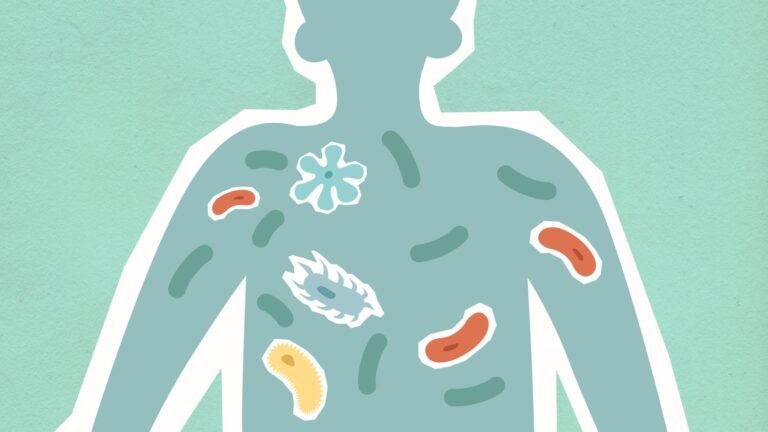
When you type “What foods contain probiotics?” into a search engine, you’re looking for natural ways to support the trillions of friendly bacteria that live in your gut. Probiotics are live microorganisms that, when consumed in adequate amounts, can provide health benefits, especially for digestion and immunity. This guide will walk you through the most common probiotic‑rich foods, how they work, and practical tips for adding them to everyday meals.
Understanding probiotic foods is easier when you know the science behind them. Probiotics are typically bacteria such as Lactobacillus and Bifidobacterium, but certain yeasts like Saccharomyces boulardii also count. These microbes survive the acidic environment of the stomach and reach the intestines, where they help balance the gut microbiome, aid nutrient absorption, and support the immune system.
While supplements are an option, many people prefer getting probiotics from foods because they also provide vitamins, minerals, and fiber. Below, we explore the foods that naturally contain probiotics, how to choose the best products, and answer common questions.
Common Probiotic Foods
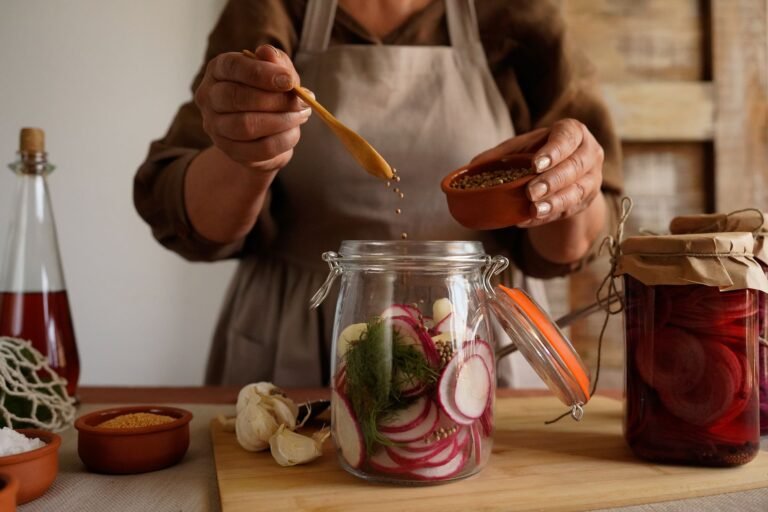
Probiotic foods are usually the result of a fermentation process, where beneficial microbes break down sugars and create acids that preserve the food. The most widely available probiotic foods fall into three categories: fermented dairy, fermented vegetables and soy, and non‑dairy fermented drinks.
Each category offers different strains and flavors, allowing you to pick options that suit your taste preferences and dietary restrictions. Below is a quick overview before we dive deeper into each group.
- Yogurt and kefir – rich in Lactobacillus and Bifidobacterium.
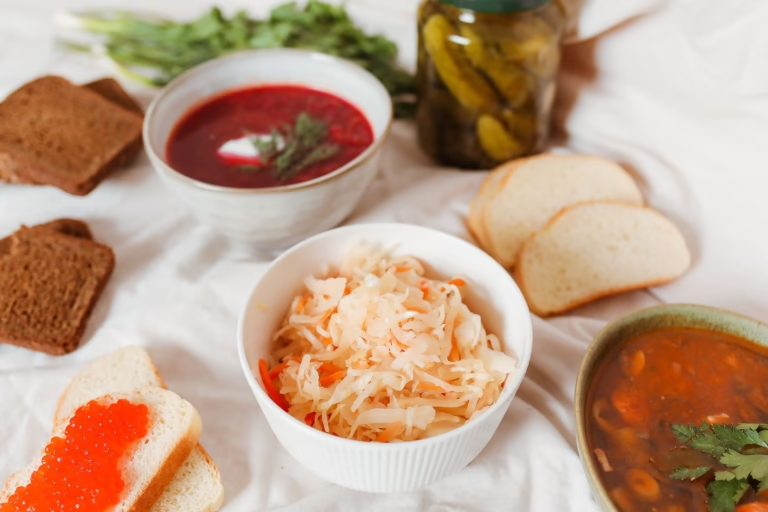
- Kimchi, sauerkraut, and pickles – provide Lactobacillus plantarum and other lactic‑acid bacteria.
- Kombucha and water kefir – contain yeast and bacterial cultures.
- Miso and tempeh – fermented soy products with diverse probiotic strains.
When selecting these foods, look for labels that mention “live and active cultures” and avoid products that have been pasteurized after fermentation, as the heat can kill the beneficial microbes.
How Probiotics Work in the Gut
Probiotic bacteria compete with harmful microbes for nutrients and attachment sites on the intestinal lining. By out‑competing pathogens, they help prevent infections and reduce inflammation. In addition, probiotics produce short‑chain fatty acids (SCFAs) like acetate, propionate, and butyrate, which nourish colon cells and support a healthy gut barrier.
Research from reputable sources such as the MedlinePlus health portal confirms that regular consumption of probiotic foods can improve symptoms of mild digestive upset, such as occasional bloating or irregular bowel movements. However, individual responses vary, and people with compromised immune systems should consult a healthcare professional before increasing probiotic intake.
Probiotics also influence the gut‑brain axis, a communication network between the gastrointestinal tract and the nervous system. While the evidence is still emerging, some studies suggest that a balanced microbiome may help with mood regulation and stress response.
Fermented Dairy Products
Yogurt
Yogurt is made by fermenting milk with bacterial cultures, most commonly *Lactobacillus bulgaricus* and *Streptococcus thermophilus*. Many commercial yogurts also add *Lactobacillus acidophilus*, *Bifidobacterium bifidum*, or *Lactobacillus casei* for extra probiotic benefits.
To ensure you get live cultures, choose plain or low‑sugar varieties that list “live and active cultures” on the label. Greek yogurt, which is strained to remove whey, still retains probiotic bacteria and offers higher protein content.
Serving suggestions include mixing fresh berries, a drizzle of honey, or a sprinkle of nuts for a balanced snack that supports gut health and provides antioxidants.
Kefir
Kefir is a fermented milk drink with a thinner consistency than yogurt. It typically contains a broader range of microbes, including multiple Lactobacillus species, *Leuconostoc*, and the yeast *Saccharomyces kefir*. This diversity makes kefir one of the most potent probiotic foods available.
Kefir can be enjoyed plain, blended into smoothies, or used as a base for cold soups. Because it is fermented at a slightly lower temperature than yogurt, it often retains more lactose‑digestion enzymes, making it easier for some lactose‑intolerant individuals to tolerate.
Store‑bought kefir may be flavored; check the ingredient list for added sugars, which can diminish the health benefits.

Fermented Vegetables and Soy
Kimchi
Kimchi is a Korean staple made from cabbage, radishes, garlic, ginger, and chili powder, fermented with *Lactobacillus kimchii* and other lactic‑acid bacteria. The spicy flavor and crunchy texture make it a popular side dish.
Research indicates that kimchi can boost the abundance of beneficial bacteria and may help lower blood pressure, likely due to its high fiber and probiotic content.
Use kimchi as a topping for rice bowls, tacos, or even mixed into scrambled eggs for an extra probiotic punch.
Sauerkraut
Sauerkraut is fermented cabbage that relies on naturally occurring *Leuconostoc* and *Lactobacillus* species. It is low in calories and high in vitamin C, making it a gut‑friendly condiment.
To preserve live cultures, buy unpasteurized sauerkraut or make it at home. Pasteurization kills the beneficial bacteria, turning the product into a simple fermented cabbage without probiotic benefits.
Serve sauerkraut alongside sausages, on sandwiches, or mixed into salads for a tangy, probiotic‑rich addition.
Miso and Tempeh
Miso is a Japanese seasoning produced by fermenting soybeans (or other grains) with *Aspergillus oryzae* mold and various bacteria. While the mold itself is not a probiotic, the fermentation process encourages the growth of beneficial bacteria, especially when miso is used in lightly heated dishes.
Tempeh, an Indonesian product, is made from soybeans bound together by *Rhizopus* mold. It retains live cultures if not cooked at high temperatures for long periods. Tempeh offers a firm texture and nutty flavor, making it a versatile protein source.
Both miso and tempeh can be incorporated into soups, stir‑fries, or salads. For maximum probiotic benefit, add miso at the end of cooking to avoid boiling away the live cultures.
Non‑Dairy Fermented Drinks
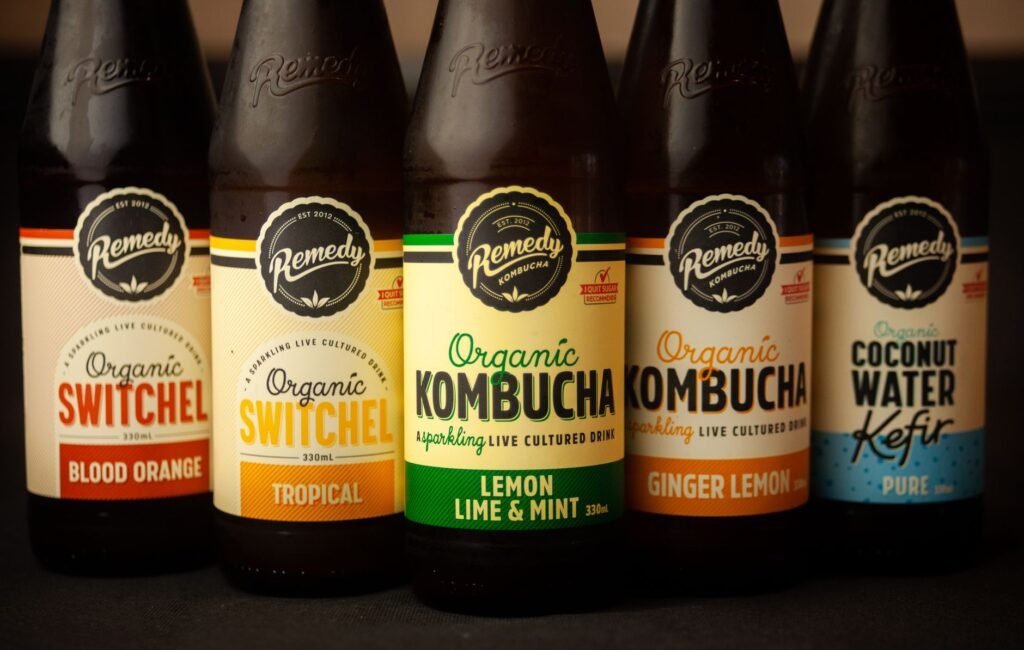
Kombucha
Kombucha is a fermented tea made with a symbiotic culture of bacteria and yeast (SCOBY). Common strains include *Acetobacter* and various *Brettanomyces* yeasts. The fermentation produces a lightly effervescent, tangy beverage.
Commercial kombucha often contains added flavors and sugars. Look for products with low sugar content (<5 g per serving) and a short ingredient list. Homemade kombucha allows you to control sugar levels and fermentation time.
Drink a small glass (about 8 oz) daily to introduce a modest amount of probiotics without excessive calories.
Water Kefir
Water kefir is similar to dairy kefir but uses sugar water or fruit juice as the base. The grains contain a mix of bacteria and yeasts that ferment the sugars into a lightly carbonated drink.</n
It’s a good option for those avoiding dairy or who prefer a milder flavor. Like kombucha, choose low‑sugar varieties or make it at home to limit added sugars.
Water kefir can be flavored with fresh fruit, herbs, or ginger for a refreshing probiotic beverage.
Probiotic Supplements vs. Food
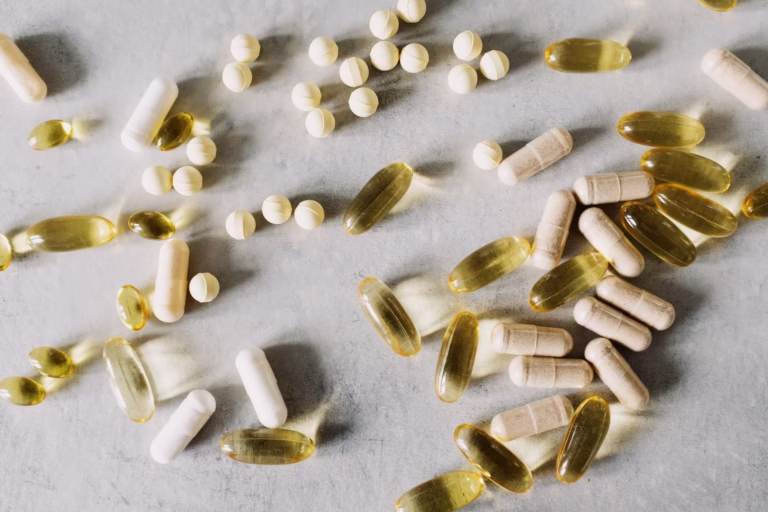
Supplements provide a concentrated dose of specific probiotic strains, often measured in billions of colony‑forming units (CFUs). While they can be useful for targeted therapeutic purposes, whole foods deliver additional nutrients like fiber, vitamins, and minerals that support overall gut health.
When choosing a supplement, look for third‑party testing, strain specificity, and a guaranteed CFU count through the expiration date. However, for most healthy adults, incorporating a variety of probiotic foods into the diet is sufficient for maintaining a balanced microbiome.
Remember that the effectiveness of probiotics can be strain‑specific; a strain that helps with antibiotic‑associated diarrhea may not be the same one that supports IBS symptoms. Consulting a qualified health professional can help you decide whether a supplement is needed.
Frequently Asked Questions
Can I get enough probiotics from food alone?
Yes, most people can meet their probiotic needs by eating a diverse range of fermented foods daily. Aim for at least one serving of a probiotic‑rich food, such as yogurt, kefir, kimchi, or kombucha.
Do all fermented foods contain live probiotics?
No. Some fermented foods, like certain pickles or breads, are made with vinegar or are heat‑treated after fermentation, which kills the live cultures. Look for labels that specifically mention “live and active cultures”.
How much probiotic food should I eat each day?
There is no universal recommendation, but a practical guideline is ½ to 1 cup of yogurt or kefir, a few tablespoons of kimchi or sauerkraut, or an 8‑ounce glass of kombucha daily. Adjust based on tolerance and personal preference.
Are probiotics safe for everyone?
Probiotics are generally safe for healthy individuals. People with weakened immune systems, recent organ transplants, or severe illnesses should discuss probiotic use with a healthcare provider, as rare infections have been reported.
The Bottom Line
Probiotic foods are a tasty, natural way to support gut health, immunity, and overall well‑being. By incorporating fermented dairy, vegetables, soy, and non‑dairy drinks into your daily meals, you can enjoy a diverse microbiome without relying solely on supplements. Choose products with live and active cultures, keep added sugars low, and listen to your body’s response. When in doubt, consult a qualified health professional for personalized advice.
Was this page helpful?
Thanks for your feedback! What could we improve?
Thank you! Your feedback helps us improve our articles.
True Impact Health articles are written by our editorial team and based on reliable sources such as public health agencies, clinical guidelines and peer-reviewed research. This article has not yet been medically reviewed. Read our editorial process.
This content is for general information and is not a substitute for professional medical advice, diagnosis or treatment.