




Lower back pain causes
Explore the most common Lower back pain causes, from posture and lifestyle factors to medical conditions, and learn practical ways to prevent and manage pain.
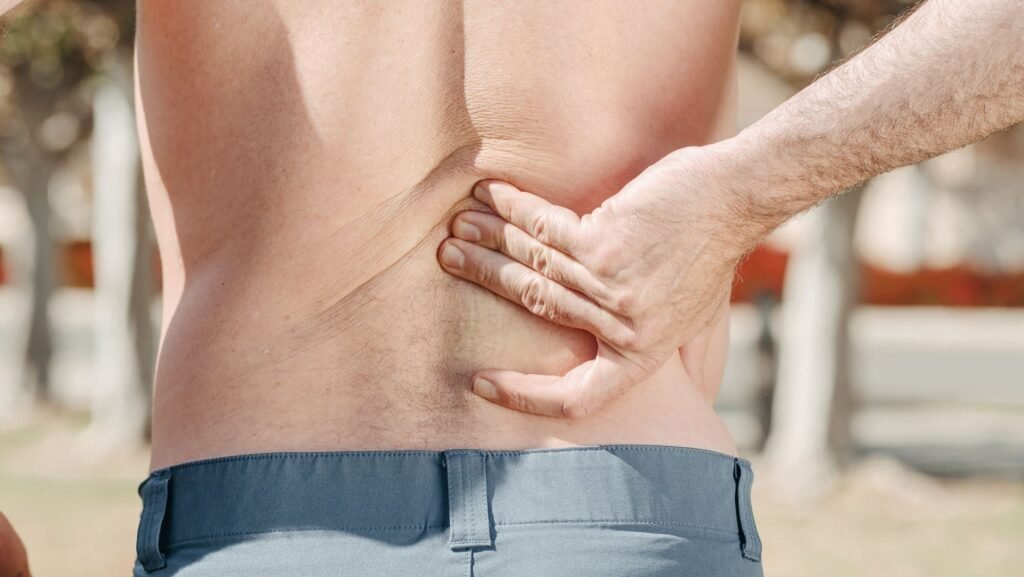
Table of Contents
Key Takeaways
- Poor posture and inactivity are the leading mechanical causes.
- Medical conditions such as arthritis or spinal stenosis can mimic simple strain.
- Regular core‑strengthening, proper lifting technique, and weight control reduce risk.
- Seek professional care if pain lasts >6 weeks, worsens at night, or includes numbness.
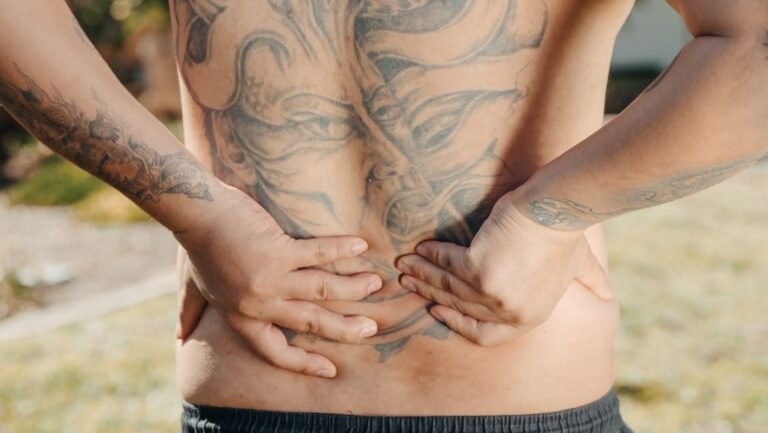
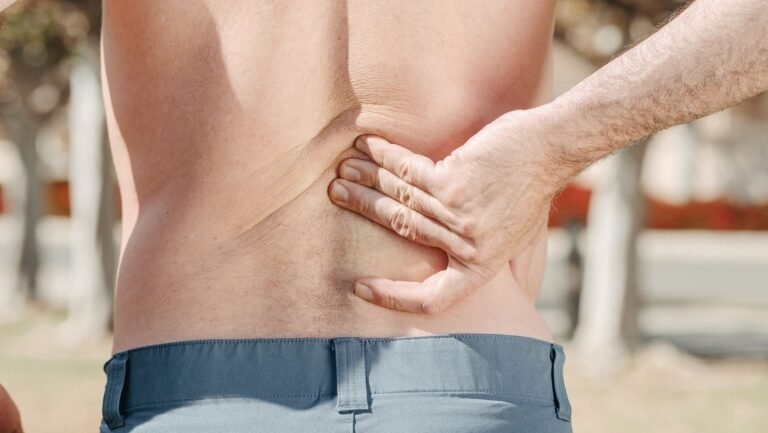
Lower back pain is one of the most common reasons people visit a doctor, and understanding the many Lower back pain causes can help you take control of your health. The lower back, also called the lumbar region, bears the weight of the upper body and allows us to bend, lift, and twist. When something goes wrong in this area, the result can be a dull ache, a sharp sting, or a constant throbbing that interferes with daily life.
Because the spine is a complex structure made up of bones, muscles, nerves, and connective tissue, there are dozens of potential triggers. Some are simple and easy to modify, such as poor posture, while others are medical conditions that require professional evaluation. This guide walks you through the most frequent causes, how to recognise them, and what steps you can take to reduce the risk of future episodes.
Before diving into specific causes, remember that each person’s experience is unique. If you have persistent or worsening pain, it is important to consult a qualified health professional for a proper diagnosis.
Understanding Lower back pain causes
Anatomy of the lower back
The lumbar spine consists of five vertebrae (L1‑L5) that are separated by intervertebral discs. These discs act as cushions and allow flexibility. Around the vertebrae are ligaments that hold everything together, and a network of muscles, including the erector spinae, multifidus, and core stabilisers, support movement and posture. Nerves exit the spine through openings called foramina, carrying signals to the legs and torso.
When any part of this system is strained, inflamed, or damaged, pain signals travel to the brain. Because the nerves in the lower back also serve the hips, thighs, and feet, pain can sometimes be felt far from the original source, a phenomenon known as referred pain.
Mechanical and postural causes
Most episodes of lower back pain start with a mechanical issue. Common examples include:
- Muscle strain from lifting heavy objects with a rounded back.
- Ligament sprain caused by sudden twisting motions.
- Disc degeneration or herniation that presses on a nerve root.
- Facet joint irritation from repetitive bending.
These problems often develop gradually, especially if you spend many hours sitting, driving, or working at a desk without proper ergonomic support. Even small adjustments, like keeping the monitor at eye level or using a lumbar roll, can reduce stress on the spine.
Red‑flag conditions
While most causes are benign, a few serious conditions require urgent attention. Signs that suggest a red‑flag condition include unexplained weight loss, fever, night sweats, loss of bladder or bowel control, or pain that does not improve with rest. In such cases, seek medical care immediately.
Lifestyle factors that contribute
Physical inactivity and weak core muscles
A sedentary lifestyle leads to weak core muscles, which are essential for stabilising the lumbar spine. When the core cannot support the lower back, other structures compensate, increasing the risk of strain. Regular low‑impact activities such as walking, swimming, or yoga can strengthen these muscles without overloading the spine.
Studies from reputable health organisations show that adults who engage in at least 150 minutes of moderate aerobic activity per week report fewer episodes of back pain. Incorporating simple core‑strengthening exercises, like planks, bird‑dogs, and bridges, into a routine can make a noticeable difference.
Poor posture and ergonomics
Slouching in a chair, hunching over a smartphone, or sleeping on a mattress that does not support the natural curve of the spine can all contribute to chronic discomfort. Small habits, such as keeping shoulders back, using a chair with lumbar support, and taking short movement breaks every 30 minutes, help maintain alignment.
Weight and nutrition
Excess body weight places additional load on the lumbar discs and joints. Even a modest weight loss of 5-10 % can reduce the mechanical stress on the lower back and lower the frequency of pain episodes. A balanced diet rich in calcium, vitamin D, and anti‑inflammatory foods (like fatty fish, nuts, and leafy greens) supports bone health and tissue repair.
Smoking
Smoking reduces blood flow to spinal tissues, which can accelerate disc degeneration. Quitting smoking not only benefits lung health but also improves the spine’s ability to heal and maintain structural integrity.
Medical conditions linked to lower back pain
Beyond lifestyle, several medical conditions can cause or worsen lower back pain. The table below summarises the most common ones, their typical features, and how they are usually identified.
| Condition | Typical Symptoms | How it is diagnosed |
|---|---|---|
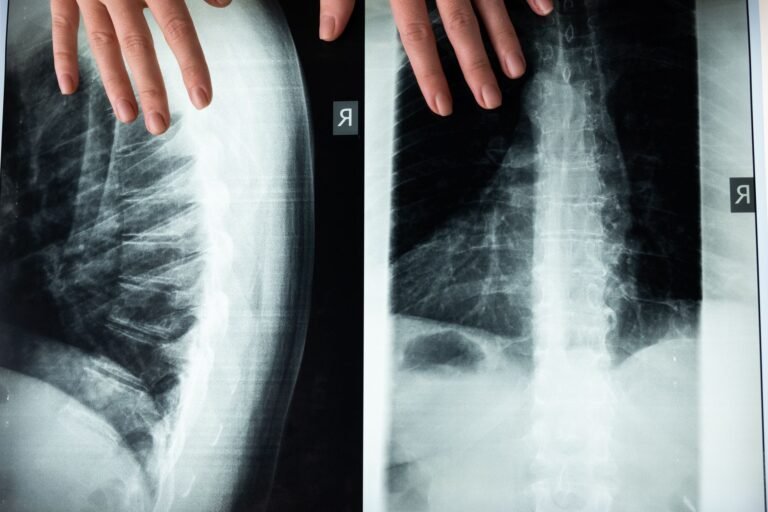
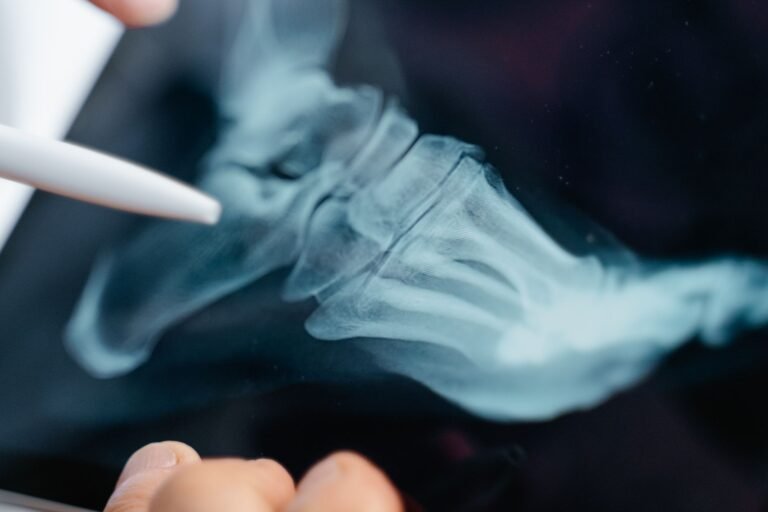
| Osteoarthritis | Stiffness, aching that worsens with activity | Physical exam, X‑ray showing joint space narrowing |
| Rheumatoid arthritis | Symmetrical joint pain, swelling, fatigue | Blood tests for rheumatoid factor, imaging |
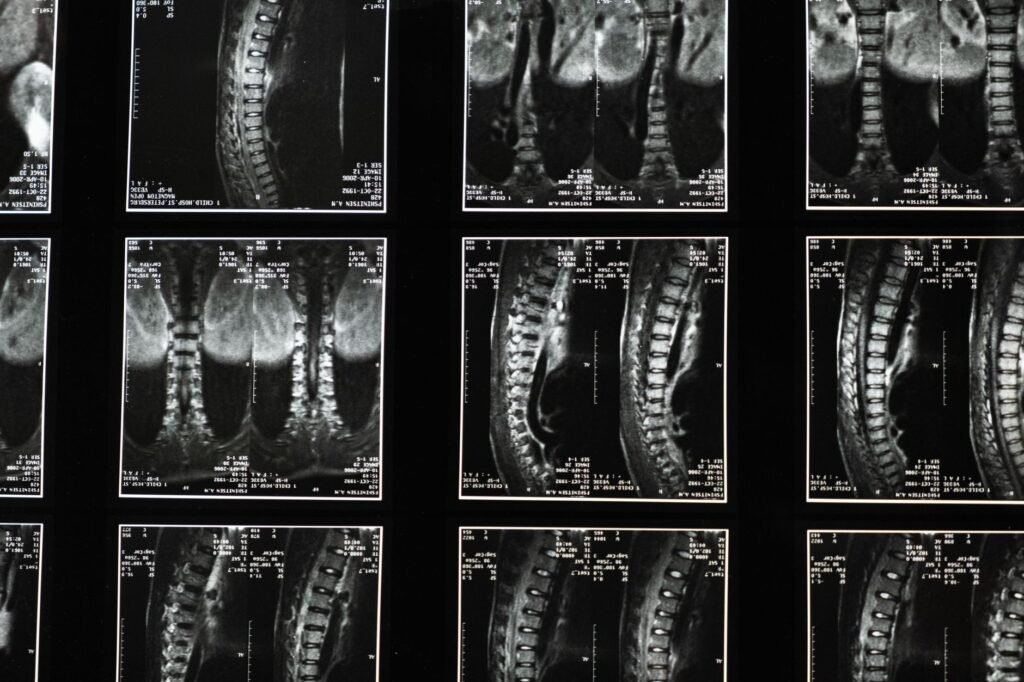
| Spinal stenosis | Pain that improves when bending forward, numbness in legs | MRI or CT scan showing narrowed canal |
| Kidney infection or stones | Sharp flank pain, fever, urinary symptoms | Urine analysis, CT scan |
| Fibromyalgia | Widespread musculoskeletal pain, tender points | Clinical criteria, exclusion of other causes |
When you notice symptoms that do not fit a simple mechanical pattern, such as persistent night pain, systemic signs like fever, or pain that radiates down one leg, you may need further evaluation. Trusted sources such as MedlinePlus provide reliable information on these conditions.
Infections and inflammatory diseases
Rarely, infections of the spine (discitis, osteomyelitis) or inflammatory diseases like ankylosing spondylitis can cause severe back pain. These conditions often present with fever, night sweats, or a gradual loss of spinal flexibility. Early diagnosis typically involves blood tests, imaging, and referral to a specialist.
Pregnancy‑related changes
During pregnancy, hormonal changes loosen ligaments and the growing uterus shifts the centre of gravity, increasing lumbar strain. Pregnant people often experience a dull, aching pain that improves with supportive belts and gentle exercise.

When to seek professional help
Most lower back pain improves within a few weeks with self‑care, but certain signs indicate that professional evaluation is warranted. Seek medical attention if you experience any of the following:
- Pain lasting longer than six weeks without improvement.
- Severe, unrelenting pain that wakes you at night.
- Weakness, numbness, or tingling in the legs.
- Loss of bladder or bowel control (a medical emergency).
- Recent trauma such as a fall or car accident.
During a visit, the clinician will review your medical history, perform a physical examination, and may order imaging studies if red‑flag signs are present. Imaging is not routinely required for acute pain, as many cases resolve without it.
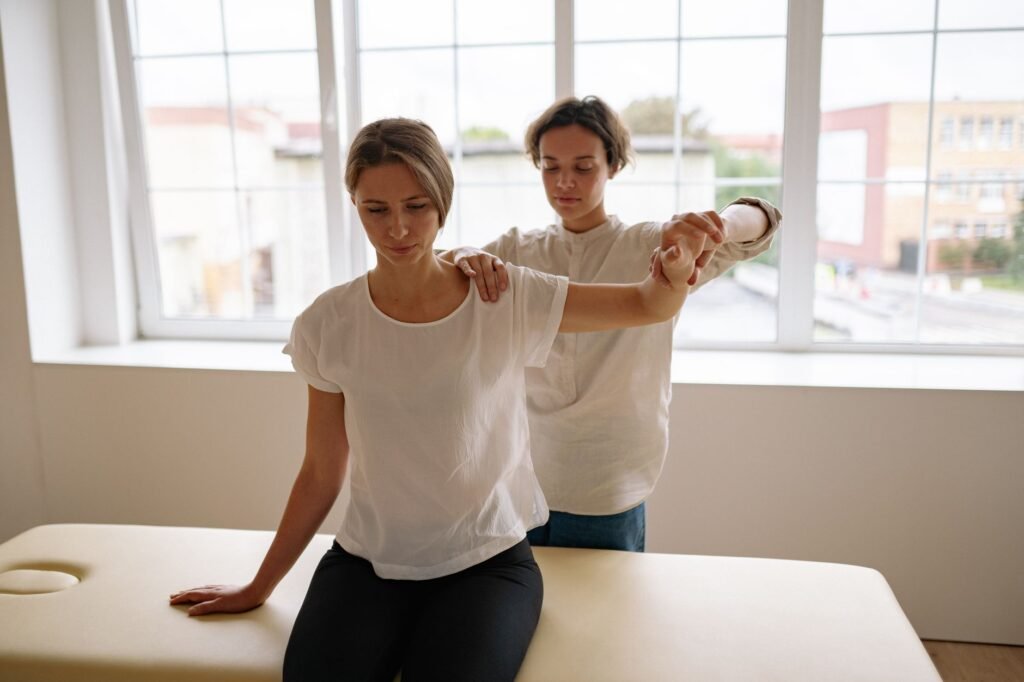
Physical therapy is often the first line of treatment for persistent pain. Therapists teach safe movement patterns, core‑strengthening exercises, and manual techniques to improve mobility. In some cases, a short course of non‑opioid pain medication or anti‑inflammatory drugs may be recommended.
In rare situations where structural problems such as severe disc herniation or spinal instability are identified, a specialist may discuss options like epidural steroid injections or, as a last resort, surgery.
Prevention and self‑care strategies
Adopting a proactive approach can dramatically lower the chance of future episodes. Below are practical steps you can incorporate into daily life.
- Maintain good posture. Keep ears aligned with shoulders, and use a lumbar roll when sitting for long periods.
- Stay active. Aim for at least 150 minutes of moderate aerobic activity weekly, combined with core‑strengthening exercises two to three times a week.
- Lift correctly. Bend at the hips and knees, keep the load close to the body, and avoid twisting while lifting.
- Sleep wisely. Use a mattress that supports the natural curve of the spine and sleep on your side with a pillow between the knees.
- Manage weight. A healthy body weight reduces mechanical stress on the lumbar discs.
- Quit smoking. Improved circulation helps spinal tissues heal more efficiently.
Mind‑body techniques such as deep breathing, meditation, or progressive muscle relaxation can also lower stress‑related muscle tension, which often contributes to back pain.
Frequently Asked Questions
Can I exercise with lower back pain?
Yes, most low‑impact activities are safe and can actually speed recovery. Avoid high‑impact sports or heavy lifting until pain subsides. Walking, swimming, and stationary cycling are good options.
Is heat or cold better for back pain?
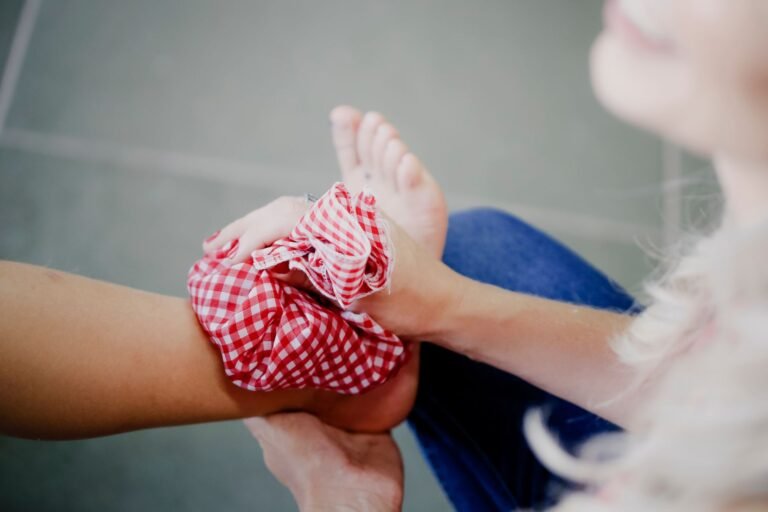
Cold therapy can reduce inflammation during the first 48 hours after an injury, while heat helps relax tight muscles after the initial swelling has decreased. Alternate as needed, but limit each session to 15‑20 minutes.
Do back braces help?
Braces may provide short‑term relief by limiting movement, but they can also weaken core muscles if used long‑term. Use them sparingly and under professional guidance.
When is surgery considered?
Surgery is reserved for cases where pain does not improve with conservative care, or when there is significant nerve compression causing weakness or loss of function. A spine surgeon will discuss risks and benefits based on imaging findings.
The Bottom Line
Lower back pain has many causes, ranging from simple muscle strain to underlying medical conditions. Understanding the most common triggers, recognising warning signs, and adopting healthy habits are key to preventing and managing pain. When in doubt, consult a qualified health professional to rule out serious issues and receive personalised treatment.
Was this page helpful?
Thanks for your feedback! What could we improve?
Thank you! Your feedback helps us improve our articles.
True Impact Health articles are written by our editorial team and based on reliable sources such as public health agencies, clinical guidelines and peer-reviewed research. This article has not yet been medically reviewed. Read our editorial process.
This content is for general information and is not a substitute for professional medical advice, diagnosis or treatment.