













Understanding Irregular Periods: Causes and Insights
Explore what causes irregular periods, common symptoms, and practical insights for managing your menstrual health effectively.
By True Impact Health Editorial Team

Medical graduate of Girne American University with a focus on patient-centred care, clinical assessment and preventive health.
Reviewed this article on November 11, 2026.
View profile How we reviewUpdated on November 10, 2026 10 min read

Table of Contents
Key Takeaways
- Irregular periods can stem from various factors.
- Stress and lifestyle changes are common triggers.
- Understanding your cycle aids in managing irregularities.
- Consulting a healthcare professional is recommended for persistent issues.
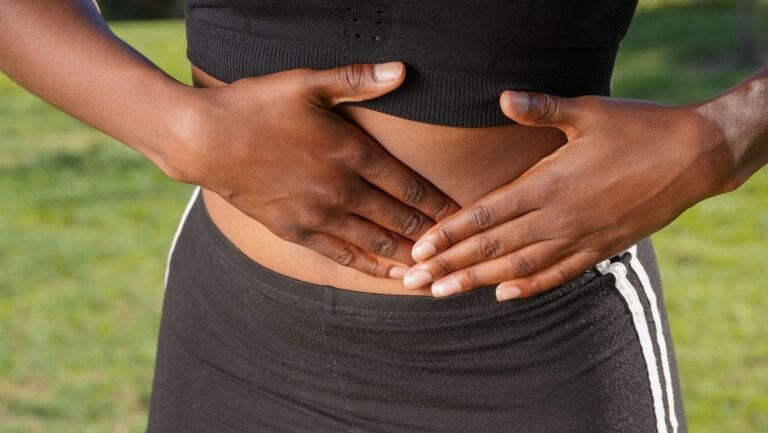
Irregular periods can be a source of confusion and concern for many individuals. Understanding what causes irregular periods is crucial for managing menstrual health effectively. While some variations in cycle length are normal, significant deviations can indicate underlying health issues. This article will explore the various factors that can lead to irregular menstrual cycles, providing practical insights for those seeking to understand their bodies better.
The menstrual cycle typically ranges from 21 to 35 days, with variations being common in the early years of menstruation and approaching menopause. However, when periods become consistently irregular, it can signal hormonal imbalances, stress, or other health conditions. Recognizing the symptoms and possible causes is the first step in seeking appropriate care.
In this guide, we will delve into the factors contributing to irregular periods, explore associated symptoms, and discuss practical steps for management. The goal is to empower readers with trusted knowledge, enabling informed decisions regarding their health.
Understanding the Menstrual Cycle
The menstrual cycle is a complex interplay of hormones that prepares the body for potential pregnancy each month. It involves various phases, including the follicular phase, ovulation, and the luteal phase. A typical cycle includes the following:
- Follicular Phase: Begins on the first day of menstruation and lasts until ovulation. The pituitary gland releases Follicle Stimulating Hormone (FSH), stimulating the ovaries to produce follicles.
- Ovulation: Occurs mid-cycle when a mature egg is released from the ovary, typically around day 14 in a 28-day cycle. This is triggered by a surge in Luteinizing Hormone (LH).
- Luteal Phase: After ovulation, the body prepares for a possible pregnancy. If fertilization does not occur, hormone levels drop, leading to menstruation.
Understanding this cycle is essential for identifying irregularities. An irregular period might mean the cycle is shorter than 21 days or longer than 35 days, or that periods are skipped altogether.

Common Causes of Irregular Periods
Irregular periods can arise from various factors, ranging from hormonal imbalances to lifestyle choices. Below are some common causes that individuals should be aware of:
1. Hormonal Imbalances
Hormonal fluctuations are among the most common reasons for irregular periods. Conditions such as Polycystic Ovary Syndrome (PCOS) and thyroid disorders can significantly affect menstrual regularity.
- Polycystic Ovary Syndrome (PCOS): This condition is characterized by an imbalance of reproductive hormones, leading to irregular ovulation and missed periods.
- Thyroid Issues: Both hypothyroidism and hyperthyroidism can disrupt the menstrual cycle. The thyroid gland regulates metabolism, and its dysfunction can affect reproductive hormone levels.
- Other Hormonal Disorders: Conditions affecting the pituitary gland or adrenal glands can also lead to irregular cycles.
2. Lifestyle Factors
Various lifestyle factors can impact menstrual regularity, including stress, diet, and exercise:
- Stress: High levels of stress can interfere with the hormonal signals that regulate the menstrual cycle, leading to missed or irregular periods.
- Diet and Nutrition: Poor nutrition, excessive dieting, or eating disorders can lead to irregularities. A balanced diet is essential for hormonal balance.
- Exercise: Intense physical activity or sudden changes in exercise routines can affect menstruation. Athletes or those engaging in high-intensity training may experience irregular cycles.
3. Age and Developmental Stages
Age can play a significant role in menstrual regularity:
- Adolescents: Young individuals who have just begun menstruating may experience irregular cycles as their bodies adjust to hormonal changes.
- Perimenopause: Women approaching menopause often experience fluctuations in their menstrual cycles due to hormonal changes.
- Postpartum Changes: After childbirth, it is common for periods to be irregular, especially if breastfeeding, as hormonal levels fluctuate during this time.
Symptoms Accompanying Irregular Periods
Irregular periods may present with various symptoms beyond simply missing a period. Recognizing these symptoms can help individuals identify when to seek medical advice:
- Heavy Bleeding: Some may experience heavier-than-normal bleeding during periods.
- Severe Cramps: Intense pain during menstruation can also accompany irregular periods.
- Spotting Between Periods: Unexplained bleeding or spotting at unexpected times may occur alongside irregular cycles.
- Changes in Mood: Hormonal fluctuations can lead to mood swings, anxiety, or depression.
If these symptoms persist or worsen, it is advisable to consult a healthcare professional for further evaluation.

Diagnostic Approaches
When experiencing irregular periods, it is essential to understand the underlying causes. Healthcare professionals may use various diagnostic approaches to determine the reason for menstrual irregularities:
1. Medical History and Physical Examination
A thorough medical history will provide insights into menstrual patterns, lifestyle factors, and any underlying health conditions. A physical examination may also be conducted to assess overall health.
2. Hormonal Tests
Blood tests may be performed to evaluate hormone levels, including thyroid hormones, estrogen, and progesterone. These tests can help pinpoint any hormonal imbalances contributing to irregular periods.
3. Imaging Studies
In some cases, imaging studies such as ultrasounds may be recommended to assess the reproductive organs for conditions like PCOS or fibroids.

Managing Irregular Periods
Managing irregular periods often involves addressing the underlying causes. Here are some practical steps individuals can take:
1. Lifestyle Modifications
Making gradual lifestyle changes can significantly impact menstrual regularity:
- Stress Management: Incorporating relaxation techniques such as yoga, meditation, or mindfulness can help reduce stress levels.
- Balanced Diet: Eating a nutritious diet rich in whole foods can support hormonal balance. Focus on incorporating fruits, vegetables, whole grains, and healthy fats.
- Regular Exercise: Engaging in moderate exercise regularly can help maintain a healthy weight and support menstrual health.
2. Medical Interventions
For individuals with underlying health conditions, medical treatment may be necessary:
- Hormonal Treatments: Birth control pills or hormonal therapy may be prescribed to help regulate menstrual cycles.
- Medications for PCOS: If PCOS is diagnosed, medications may be prescribed to manage symptoms and regulate periods.
- Thyroid Treatment: For those with thyroid disorders, appropriate medication can help restore hormonal balance and regulate periods.
3. Regular Monitoring
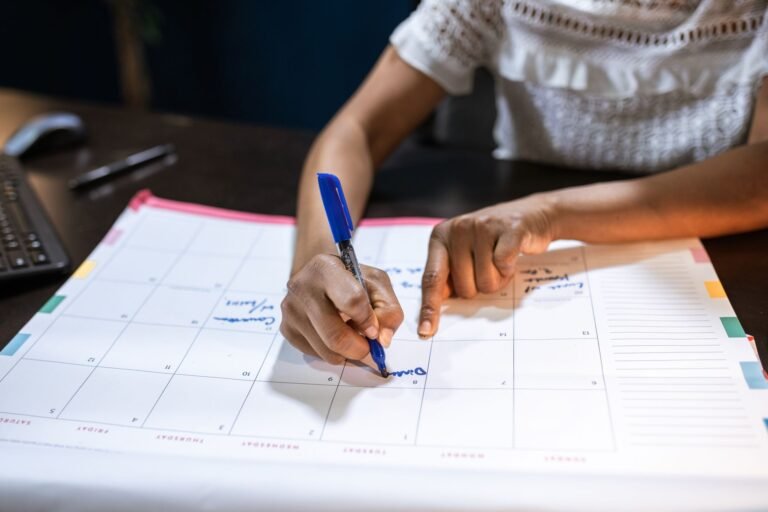
Keeping track of menstrual cycles can provide valuable insights. Using a calendar or a mobile app to note cycle lengths, symptoms, and any irregularities can help individuals and their healthcare providers make informed decisions regarding treatment.

Impact of Lifestyle Choices on Menstrual Regularity
Diet and Nutrition
A balanced diet plays a significant role in regulating menstrual cycles. Nutritional deficiencies or an imbalance in macronutrients can lead to hormonal disruptions, causing irregular periods. Essential nutrients such as iron, magnesium, and vitamins like B6 and E are crucial for the proper functioning of the menstrual cycle. Additionally, excessive consumption of processed foods, sugar, and caffeine can exacerbate hormonal imbalances.
Here are some dietary adjustments that may help maintain regular periods:
- Incorporate whole foods like fruits, vegetables, and whole grains.
- Include healthy fats such as avocados, nuts, and olive oil.
- Limit intake of caffeine and refined sugars.
- Stay hydrated to support overall health and hormonal balance.
Exercise and Physical Activity
Physical activity is essential for overall health, but the type and intensity of exercise can impact menstrual cycles significantly. Moderate exercise can enhance hormonal balance and promote regularity, while excessive high-intensity workouts can lead to irregularities. This phenomenon is often observed in athletes and those engaged in rigorous training.
Consider the following exercise tips to support menstrual health:
- Engage in moderate aerobic activities like walking, swimming, or cycling.
- Incorporate strength training to build muscle and support metabolism.
- Avoid overtraining; listen to your body and allow for adequate recovery.
- Prioritize flexibility and relaxation exercises, such as yoga or pilates.
Stress and Mental Health
Stress is a significant factor that can lead to hormonal imbalances affecting menstrual regularity. Chronic stress activates the hypothalamic-pituitary-adrenal (HPA) axis, which can disrupt the release of hormones responsible for regulating the menstrual cycle. Mental health conditions, such as anxiety and depression, can also contribute to irregular periods.
To manage stress effectively, consider the following strategies:
- Practice mindfulness and meditation to reduce anxiety.
- Engage in hobbies or activities that you enjoy and find relaxing.
- Establish a regular sleep routine to improve overall mental health.
- Seek professional help if stress levels become unmanageable.
Medical Conditions Linked to Irregular Periods
Polycystic Ovary Syndrome (PCOS)
Polycystic Ovary Syndrome is a common hormonal disorder that affects women of reproductive age. One of the hallmark symptoms of PCOS is irregular menstrual cycles, often accompanied by other symptoms such as weight gain, acne, and excessive hair growth. The condition is linked to insulin resistance, which can further complicate hormonal balance.
Managing PCOS typically requires a multifaceted approach, including:
- Weight management through diet and exercise.
- Medication to regulate menstrual cycles, such as hormonal contraceptives.
- Insulin-sensitizing agents like metformin.
- Lifestyle modifications to improve overall health.
Thyroid Disorders
The thyroid gland plays a critical role in regulating metabolism and hormone production. Both hypothyroidism (underactive thyroid) and hyperthyroidism (overactive thyroid) can lead to menstrual irregularities. Hypothyroidism often results in heavier, more painful periods, while hyperthyroidism may cause lighter periods or missed cycles. Diagnosis typically involves blood tests to assess thyroid hormone levels.
Management of thyroid disorders may include:
- Thyroid hormone replacement therapy for hypothyroidism.
- Medications to manage hyperthyroidism or radioactive iodine treatment.
- Regular monitoring of thyroid levels to ensure proper treatment.
Uterine Disorders
Uterine conditions such as fibroids and polyps can also lead to irregular menstrual cycles. Fibroids are non-cancerous growths in the uterus that can cause heavy bleeding and pain, while polyps are small growths that can disrupt normal menstrual flow. These conditions may require imaging studies like ultrasounds or hysteroscopies for accurate diagnosis.
Potential treatment options for uterine disorders include:
- Medications to manage symptoms, such as NSAIDs for pain relief.
- Hormonal therapies to regulate the menstrual cycle.
- Surgical options for removal of fibroids or polyps if they cause significant symptoms.

Holistic Approaches for Menstrual Health
Herbal Remedies
Many women turn to herbal remedies as a natural approach to manage irregular periods. Certain herbs have been traditionally used for their potential to promote hormonal balance and menstrual regularity. Examples include chaste tree berry (Vitex), which may help normalize progesterone levels, and ginger, which may alleviate menstrual discomfort.
Before starting any herbal treatment, consult with a healthcare provider to ensure safety and appropriateness.
Acupuncture and Alternative Therapies
Acupuncture is an ancient practice that may help regulate menstrual cycles by addressing energy flow and hormonal balance. Some studies suggest that acupuncture may improve menstrual regularity and alleviate symptoms associated with irregular periods. Other alternative therapies, such as chiropractic care and massage, may also provide relief from menstrual discomfort.
Consider incorporating these therapies into your menstrual health regimen:
- Find a qualified acupuncturist with experience in treating menstrual issues.
- Explore yoga or tai chi to promote relaxation and reduce stress.
- Consider massage therapy to relieve tension and improve overall well-being.
Mindfulness and Meditation
Practicing mindfulness and meditation can be beneficial for women experiencing irregular periods. These techniques can reduce stress, improve mental clarity, and foster a deeper connection with one’s body. Regular mindfulness practices may help women navigate the emotional challenges associated with menstrual irregularities.
To integrate mindfulness into your routine, consider:
- Setting aside a few minutes each day for meditation or deep breathing exercises.
- Keeping a journal to track your menstrual cycle and emotional well-being.
- Participating in group mindfulness sessions to build community support.
For more information, see Cleveland Clinic.
Frequently Asked Questions
1. What is considered an irregular period?
An irregular period is when the menstrual cycle is consistently shorter than 21 days or longer than 35 days, or when periods are missed altogether.
2. Can stress really affect my menstrual cycle?
Yes, high levels of stress can interfere with hormonal signals, leading to missed or irregular periods.
3. Should I see a doctor for irregular periods?
If irregular periods persist or are accompanied by other concerning symptoms, it is advisable to consult a healthcare professional for evaluation.
4. Are there natural remedies for managing irregular periods?
While lifestyle modifications like diet and exercise can help, it is essential to consult a healthcare provider before trying natural remedies or supplements.
The Bottom Line
Irregular periods can arise from various factors, including hormonal imbalances, lifestyle choices, and age-related changes. Understanding the causes and symptoms is crucial for effective management. By making lifestyle modifications and seeking medical advice when necessary, individuals can take proactive steps toward regulating their menstrual health. Always consult a healthcare professional for personalized guidance tailored to your specific situation.
Was this page helpful?
Thanks for your feedback! What could we improve?
Thank you! Your feedback helps us improve our articles.
Medically reviewed by
Dr. Oluwabusola Stella OkeMedical graduate of Girne American University with a focus on patient-centred care, clinical assessment and preventive health.
True Impact Health articles are written by our editorial team and based on reliable sources such as public health agencies, clinical guidelines and peer-reviewed research. This article has been checked by a doctor on our review panel. Read our editorial process.
This content is for general information and is not a substitute for professional medical advice, diagnosis or treatment.